



Italian Rococo Ceiling Light
An italian rococo ceiling light brings theatrical warmth and ornate carved detail into a room, combining branching metalwork with glass or crystal.
Italian Rococo Ceiling Light
An italian rococo ceiling light encompasses grand chandeliers and hall lanterns shaped by sweeping curves and organic forms. When buyers search this phrase, they encounter pieces ranging from authentic eighteenth century giltwood creations to later twentieth century revivals.
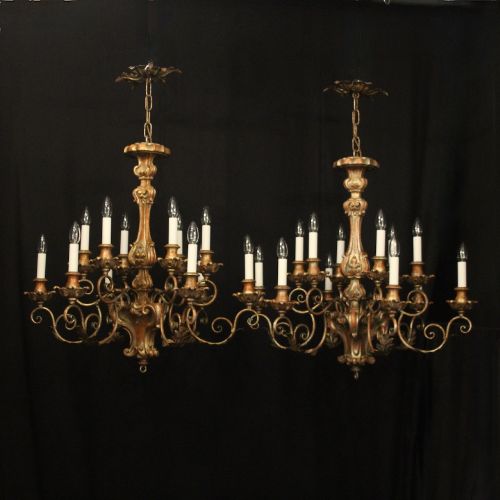
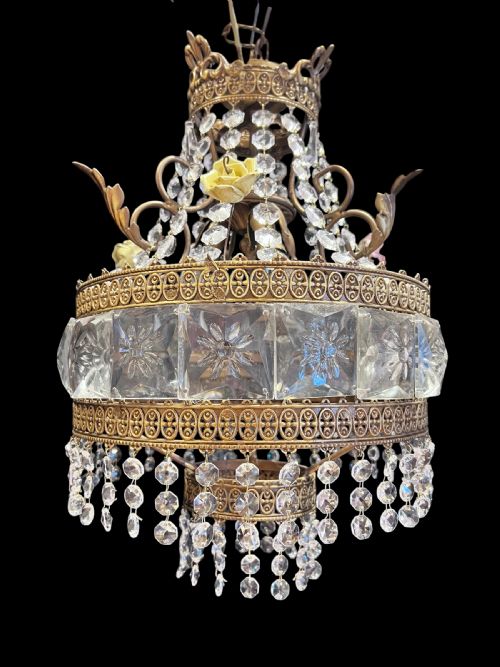
The selection on this page relies heavily on early twentieth century interpretations alongside genuine eighteenth and nineteenth century examples. Common formats include multi light chandeliers adorned with porcelain flowers or toleware, as well as single light lanterns.
Originating predominantly from Italian workshops, these fixtures showcase regional variations from Florentine polychrome finishes to gilded bronze and carved giltwood. They serve as dramatic focal points in high ceilinged spaces.
How they were made
The construction of these light fixtures depends on skillful woodworking and metal founding, using carved giltwood, gesso, brass, and gilded bronze. Artisans shaped intricate floral motifs and scrolling frames to achieve the signature fluid silhouette.
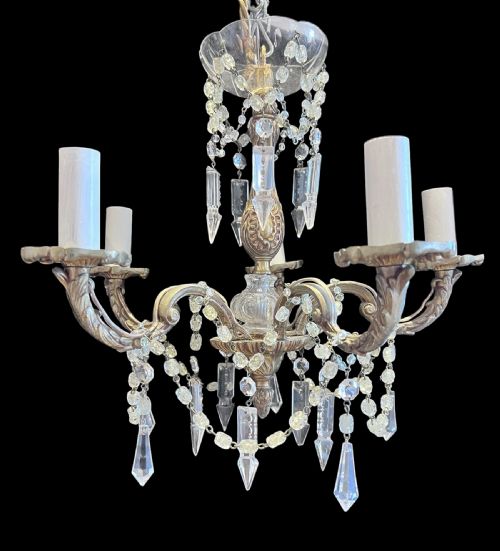
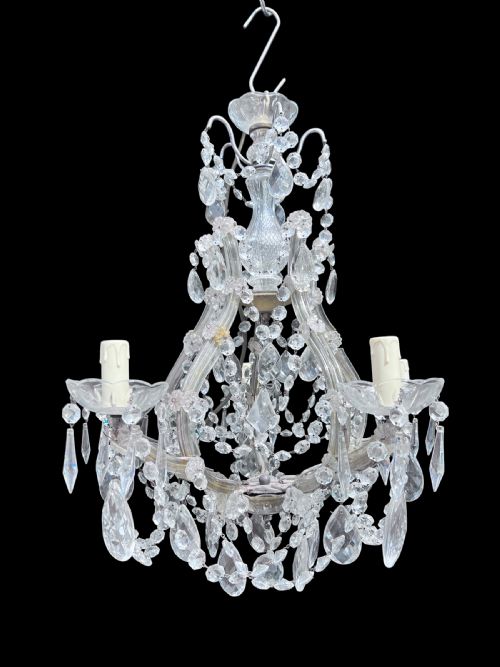
Many examples incorporate delicate porcelain elements, such as hand formed flowers, alongside glass or crystal drops that refract the illumination. Polychrome and gilt finishes were meticulously applied by hand to enhance the decorative richness.
Italian Rococo Ceiling Light Retail Price Guide 2026
Typical asking prices for italian rococo ceiling light among the pieces listed under this phrase on Sellingantiques today, from the lower quarter to the upper quarter. They describe what is for sale here now, not the wider market.
Object types seen across the inventory comprise both grand multi light chandeliers and singular hall lanterns originating from Italy.
What varies in quality
The distinction between ordinary and exceptional pieces lies in the crispness of the carving and the depth of the gilding. Hand carved wooden frames display a fluidity and precision that moulded compositions simply cannot replicate.
Integration of materials also dictates the tier of the piece, particularly where porcelain flowers, crystal drops, and metal armatures meet harmoniously. Superior examples maintain structural integrity while supporting multiple tiers of lights without visual heaviness.
The Italian Rococo Ceiling Light Glossary
- Giltwood
- Wood that has been coated with a thin layer of gold leaf over a prepared ground such as gesso. This technique provides a luminous and durable surface favoured in grand lighting fixtures.
- Toleware
- Painted or lacquered sheet metal items often utilised for decorative floral or foliate components on lighting fixtures. The technique allows for vibrant hand painted colours.
- Polychrome
- The practice of decorating architectural elements or objects in a variety of bright colours. In Florentine lighting, this often involves painted floral details on carved wooden structures.
- Capodimonte
- A renowned style of porcelain originating from Naples, famous for detailed modelled flowers and figures. Pieces from this tradition often embellish vintage Italian chandeliers.
- Marie Theresa
- A classic multi armed chandelier style characterised by flat metal straps covered with glass plates and adorned with crystal rosettes and pendants. It reflects the opulent tastes of Central European and Italian courts.
Italian Rococo Ceiling Light: Frequently Asked Questions
How do I clean an antique chandelier?
Dust the metal arms and crystal elements gently using a soft feather duster or microfiber cloth on a regular basis. Avoid harsh chemical sprays that might damage the gilt or painted surfaces.
For deeper cleaning, apply a mild soapy solution to a cloth and wipe individual crystals carefully while supporting them from underneath. Ensure the power is completely switched off before beginning any maintenance.
Can these chandeliers be rewired for modern homes?
Most vintage and antique lighting fixtures can be adapted to meet contemporary electrical standards by a qualified electrician. Rewiring ensures safe installation while preserving the original aesthetic of the frame.
Check the internal wiring condition upon acquisition, as older installations often require updating for modern use. Professional rewiring also allows the integration of appropriate bulb wattages.
Where should I hang a large italian ceiling light?
These fixtures demand substantial room proportions and generous ceiling heights to display their scrolling arms and crystal drops properly. Dining rooms, high ceilinged hallways, and drawing rooms provide ideal settings.
Ensure the hanging height allows sufficient clearance underneath for movement while anchoring the visual focus of the space. Professional installation is essential due to the considerable weight of carved wood and metal frames.
How do I distinguish eighteenth century from revival pieces?
Eighteenth century examples display the organic tool marks, hand applied gesso, and wear patterns characteristic of age. The wood carving possesses a depth and individuality achieved through manual craftsmanship.
Revival pieces from the twentieth century often utilise standardised components or machine shaped elements despite adopting historical styles. Examining the construction joints and the patina of the gilding helps clarify the date of manufacture.