



Italian Pedestal Stand
An italian pedestal stand brings theatrical presence into a room, supporting sculpture, plants, or lamps with carved figures and classical columns.
Italian Pedestal Stand
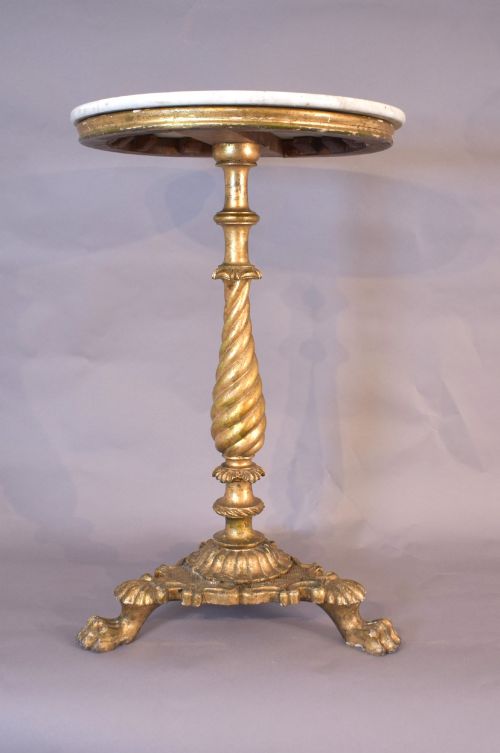
An italian pedestal stand serves as a raised support for decorative objects, taking forms such as classical columns, figural torchieres, and tripod tables. Buyers seek these pieces to elevate urns, planters, or lamps while adding sculptural weight to an interior.
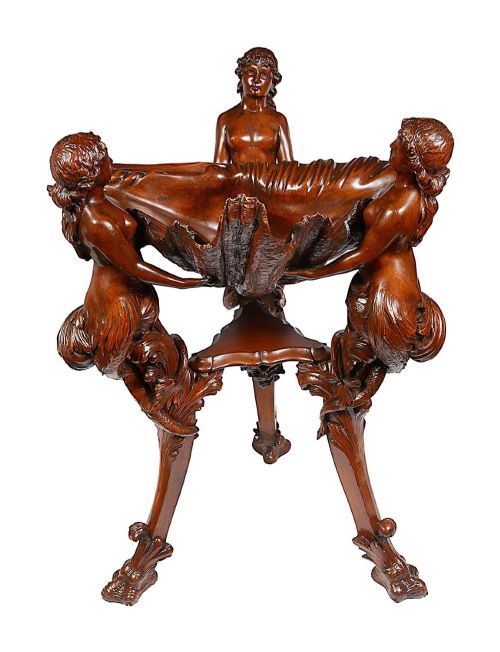
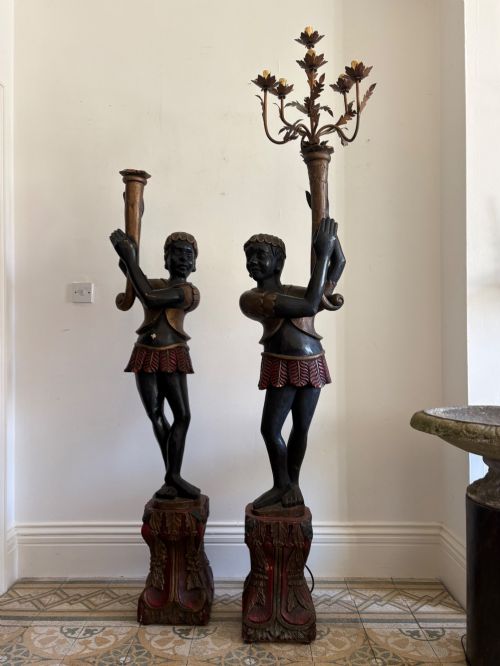
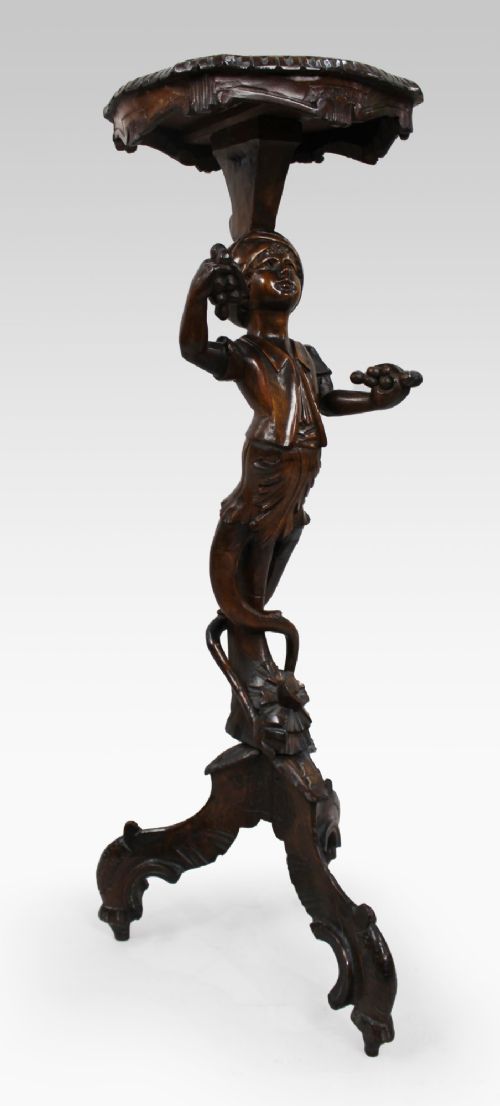
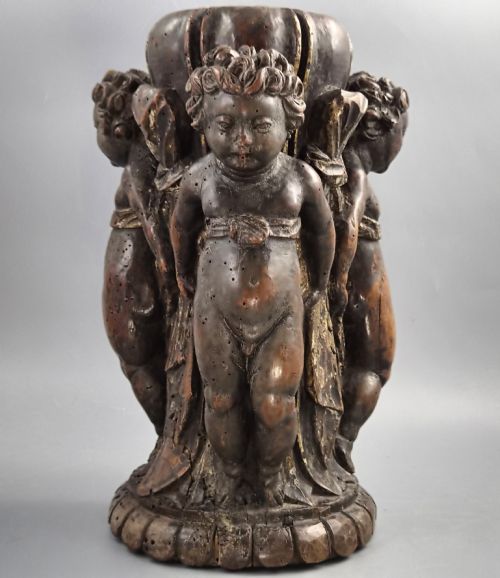
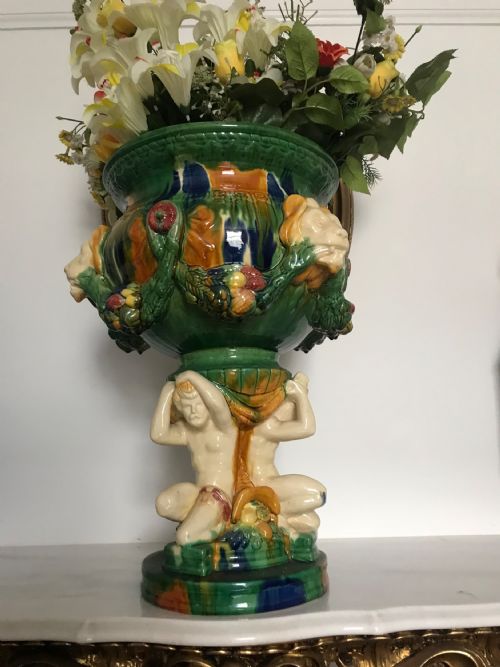
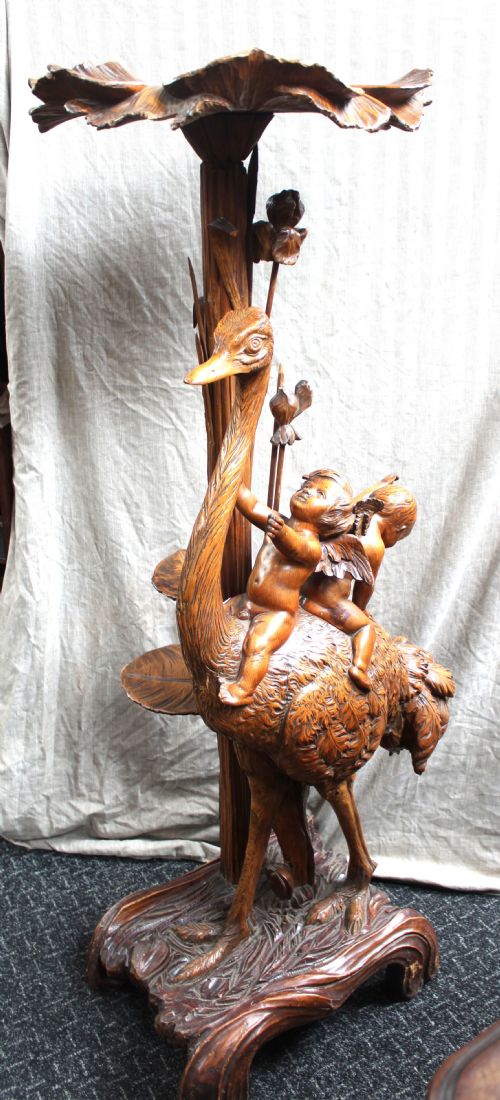
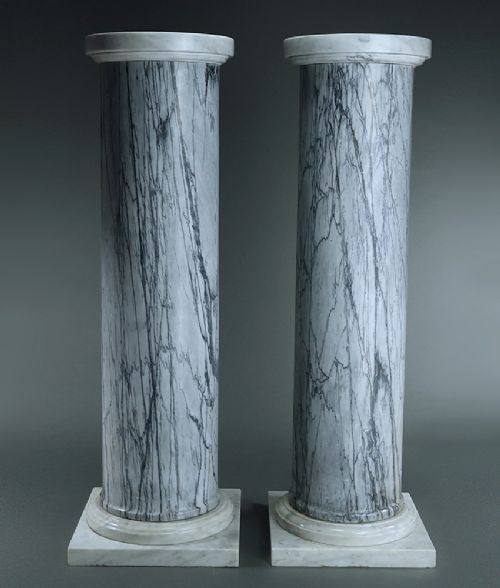
The selection ranges from grand nineteenth-century walnut and giltwood carvings to marble columns and majolica planter bases. Pieces frequently draw on Venetian Baroque and Neoclassical vocabularies, often incorporating figural elements such as blackamoor statues and putti.
Dating spans from the eighteenth century through the Edwardian era and the nineteen-twenties, showing enduring craftsmanship in wood, stone, and ceramic. These stands function equally as side tables, occasional tables, and monumental floor lamp bases.
Materials and Construction
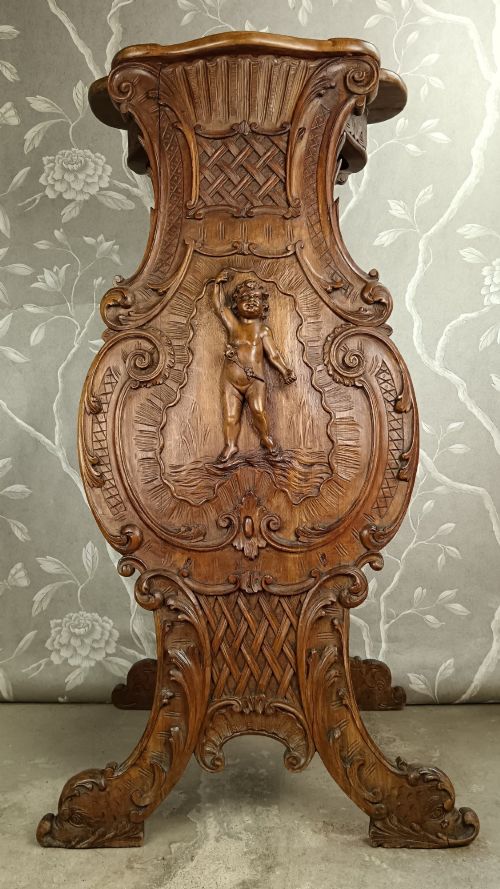
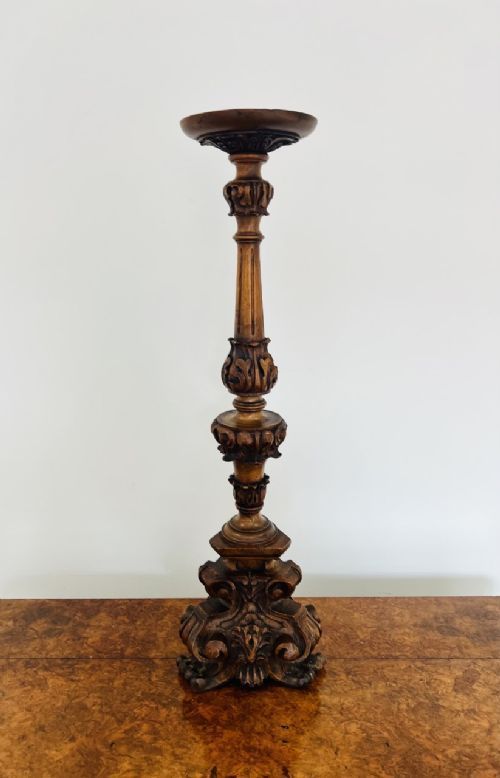
Carved walnut, lime wood, and giltwood form the structural foundation for many wooden stands, shaped with deep relief work and figural detail. Gesso and gold leaf or polychrome paint frequently finish these carved wooden surfaces.
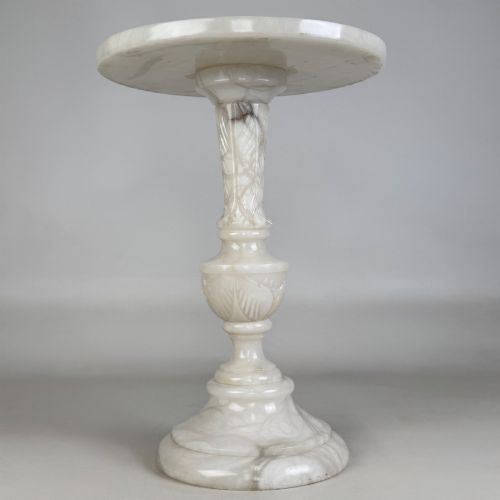
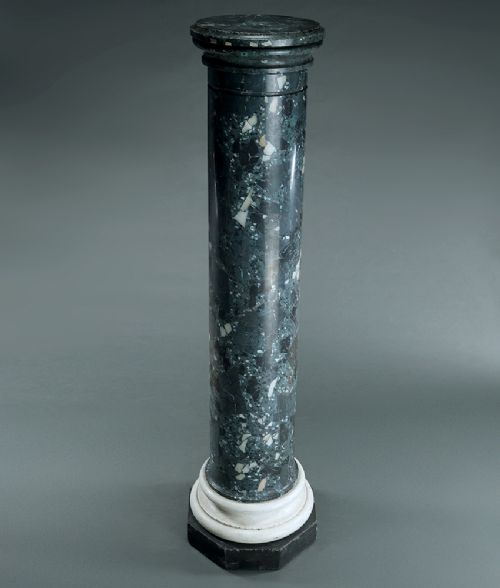
Marble types such as Carrara, Bardiglio, and Verde Antico appear alongside scagliola in columns and table tops, offering solid stone weight and varied mineral veining. Alabaster and ceramic majolica provide alternative sculptural mediums for planters and vases.
Inlay techniques combine ebonised woods with bone and marquetry for occasional tables, while bronze and brass introduce metalwork into torchiere pedestals and trays.
Italian Pedestal Stand Retail Price Guide 2026
Typical asking prices for italian pedestal stand among the pieces listed under this phrase on Sellingantiques today, from the lower quarter to the upper quarter. They describe what is for sale here now, not the wider market.
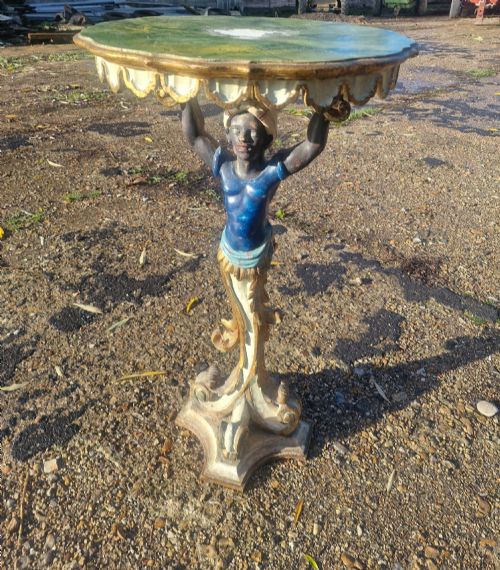
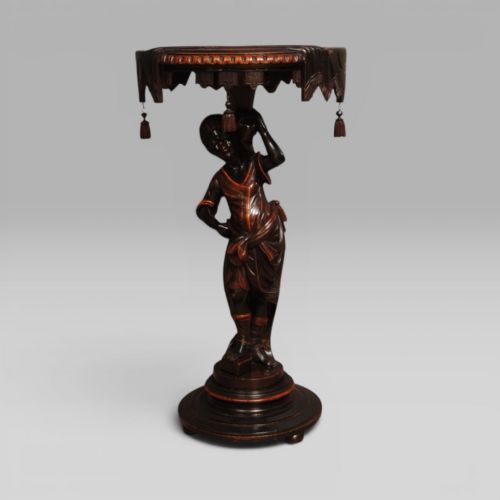
Carved wooden gondoliers stand ready to hold your keys, plants, or lamps.
Assessing Quality
Depth and precision of carving separate standard production from exceptional work, particularly in figural elements like putti, gondoliers, and draped figures. Crisp undercut details in wood or stone indicate superior hand-tool work.
The choice of raw materials influences standing value, with solid variegated marbles, genuine scagliola, and rich walnut timbers marking higher execution levels. Uniformity in gilding application and polychrome pigment retention also dictate overall refinement.
The Italian Pedestal Stand Glossary
- Torchiere
- A tall stand or floor lamp designed to hold a light source or decorative object aloft. Originating from torch-bearers, these pieces use slender columns or figural shafts.
- Scagliola
- A composite material made from selenite, glue, and pigments, embedded to imitate marble and other hard stones. Craftsmen polish the surface to achieve a smooth, stone-like finish.
- Majolica
- Tin-glazed Italian earthenware noted for its bright polychrome decoration and figurative glazes. It frequently forms large vases and planter bases.
- Blackamoor
- A decorative sculptural figure, often depicted in exotic costume, serving as a support for tables, trays, or torchiere stands. These pieces are characteristic of Venetian taste.
- Verde Antico
- A dark green serpentine marble mixed with white calcite veins, used extensively for classical columns and architectural stands.
Italian Pedestal Stand: Frequently Asked Questions
What is an italian pedestal stand used for?
These stands support table lamps, heavy vases, bronze sculptures, and indoor plants, elevating them to eye level. They function as architectural focal points in hallways, drawing rooms, and reception spaces.
Historically, they also served as torchieres to illuminate dark corners with candles or oil lamps before electric lighting became common.
How do I identify a Venetian piece?
Venetian stands often feature dramatic figural carving, including putti, gondoliers, and elaborate blackamoor figures dressed in polychrome and gilt finishes. They lean heavily into Baroque theatricality and rich surface decoration.
Walnut and giltwood are common woods used in these regional workshops, carrying distinct decorative motifs developed across the eighteenth and nineteenth centuries.
Are marble columns heavy?
Solid marble and scagliola columns possess significant physical weight due to their stone and composite construction. This mass provides stability for supporting heavy decorative urns and planters without tipping.
Placement requires careful consideration of floor strength, and moving them typically demands two people to prevent damage.
What periods do these stands come from?
The available selection spans from the eighteenth century through the nineteenth century and into the nineteen-twenties. Pieces reflect historical revivals including Baroque, Renaissance, and Neoclassical styles.
Later Edwardian and early twentieth-century examples continue traditional carving and stone-turning methods alongside Art Nouveau metalwork.