
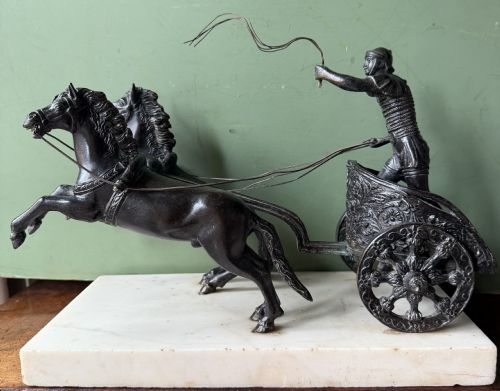


Italian Neoclassical Bronzes
These Italian neoclassical bronzes capture the enduring allure of classical antiquity through finely cast sculptures, vessels, and architectural models collected during historic travels.
Italian Neoclassical Bronzes
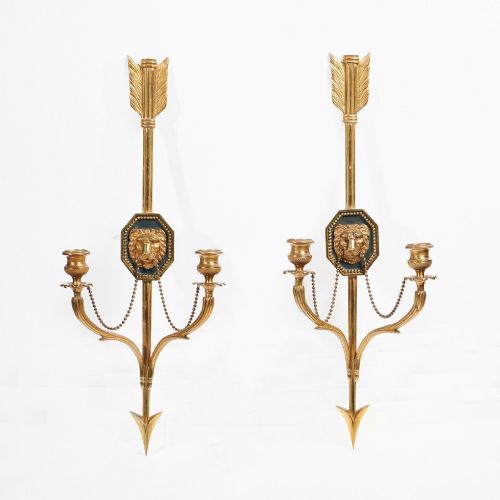
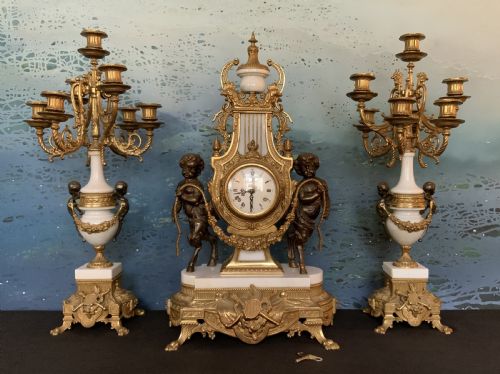
Italian neoclassical bronzes span figures of mythological subjects, decorative urns, wall sconces, mantel clocks, and architectural models produced across the eighteenth, nineteenth, and early twentieth centuries. Many originate as Grand Tour souvenirs created for travellers visiting historic sites in Rome and other cultural centres.
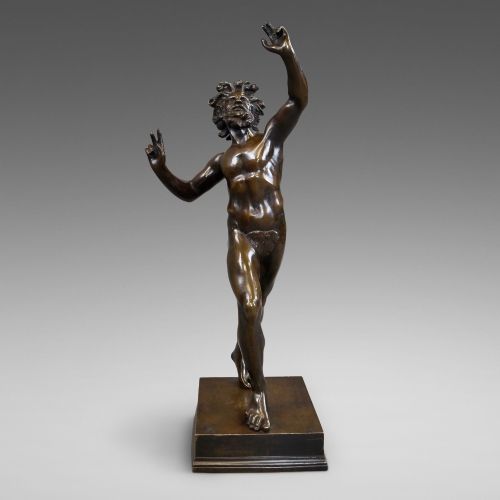
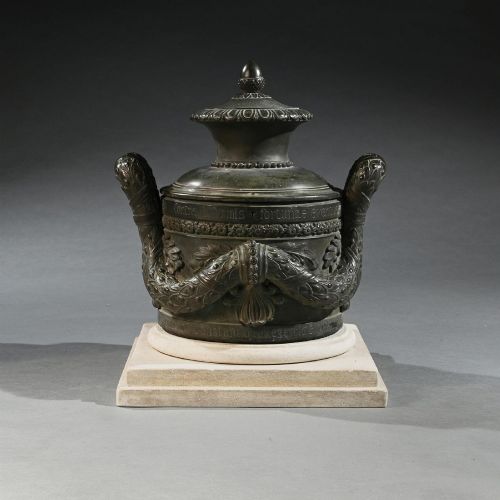
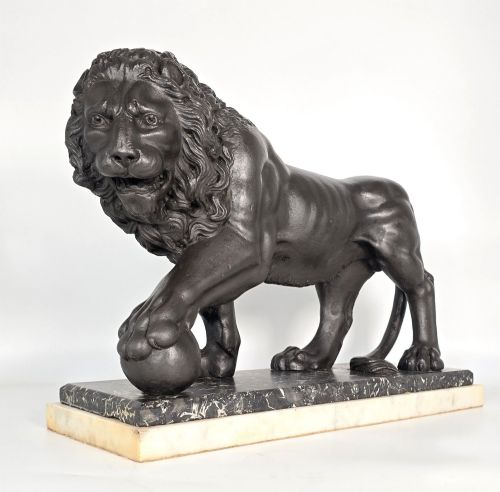
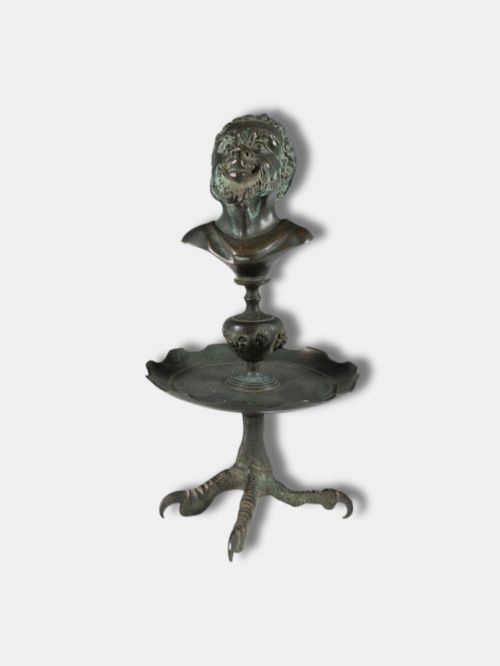
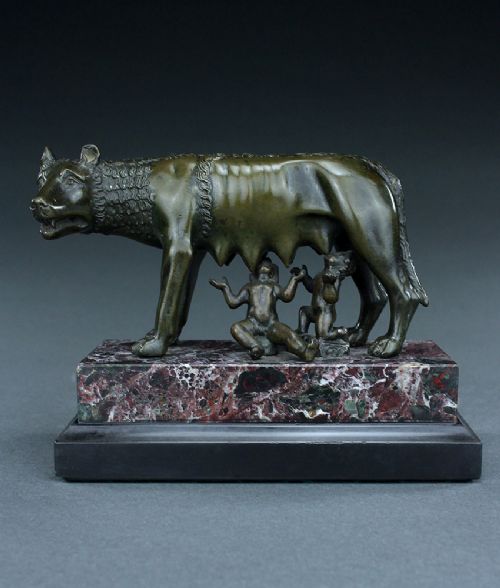
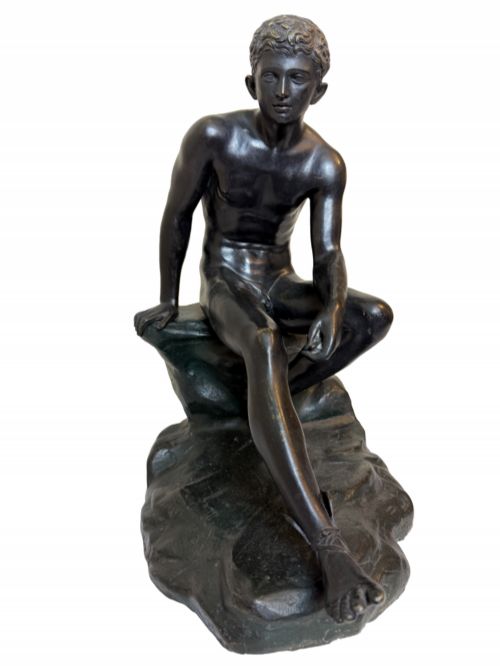
Collectors encounter figures such as dancing fauns, the Medici Lion, Mercury, and Narcissus, alongside campana urns and tazzas mounted on marble or olive wood plinths. The selection often includes works cast after famous ancient sculptures displayed in Italian museums.
How they were made
The objects are primarily formed from bronze, patinated bronze, and gilt bronze, frequently combined with white marble, rouge griotte marble, or stone bases. Brass, glass, and patinated metal also appear in functional items like wall lights and oil lamps.
Casting methods produced both monumental sculptures and smaller scale souvenir studies with detailed patination or ormolu finishes. Sculptors and foundries utilised traditional techniques to replicate the forms of classical statues and antique vessels.
Travellers frequently packed their luggage with miniature temples and dancing fauns, ensuring Rome's ancient marble ruins could fit comfortably inside a Victorian drawing room.
What varies in quality
Quality rests in the crispness of the casting detail, the depth and nuance of the patination, and the proportional harmony of the figure or vessel. Superior examples capture the musculature, drapery, and facial expressions of the antique originals with notable precision.
The selection of supporting materials also distinguishes the range, particularly the weight and figuring of the marble plinths, the quality of any gilt bronze or ormolu mounts, and the fidelity of signatures or foundry marks.
Zoffoli·Messina Roma·Ferdinando de Luca·Richard Aurili
The Italian Neoclassical Bronzes Glossary
- Grand Tour
- A traditional trip through Europe, particularly Italy, undertaken by upper-class scholars and travellers to study classical art and architecture. Souvenirs purchased along the way form the core of this bronze category.
- Campana urn
- A bell-shaped vessel derived from ancient pottery and marble forms discovered at archaeological sites in Italy. These decorative pieces were frequently rendered in bronze during the nineteenth century.
- Patinated bronze
- Metal treated with chemical solutions to produce a specific surface colour, ranging from deep brown to green. This finish protects the bronze while emulating the appearance of aged antiquity.
- Ormolu
- Finely ground high-carat gold applied to a bronze base through a mercury amalgamation process, or simply bright gilt bronze. It provides a rich, lustrous surface finish seen on Empire style and neoclassical pieces.
- Tazza
- A shallow cup or vase set upon a stem and foot, often used as a decorative centerpiece or display vessel. In neoclassical collections, these objects frequently copy ancient Roman prototypes.
Italian Neoclassical Bronzes: Frequently Asked Questions
What is a Grand Tour bronze?
A Grand Tour bronze is a souvenir sculpture or decorative object purchased by travellers visiting European cultural sites during the eighteenth and nineteenth centuries. These pieces typically reproduced famous classical statues, architectural models, or ancient artefacts seen in Italian collections.
Foundries in Rome and Florence specialised in casting these works in varying scales to satisfy the demand of foreign visitors. They served as tangible reminders of classical education and sophisticated travel.
Why are marble bases used on these bronzes?
Marble plinths provided stability for heavy bronze figures while enhancing their visual presentation in nineteenth-century interiors. White marble, rouge griotte, and other stones echoed the materials of ancient Roman architecture and sculpture.
Using marble bases elevated the status of souvenir bronzes, transforming them from simple castings into finished decorative objects for mantelpieces and display cabinets. The contrast between dark patinated bronze and pale stone was a hallmark of the neoclassical taste.
How should I care for patinated bronze?
Patinated bronze requires gentle dusting with a soft, dry cloth to prevent the accumulation of grit and atmospheric pollutants. Avoid using water, polishes, or chemical cleaners that can strip or alter the delicate surface patination.
Keeping the object in a stable environment away from excessive humidity and direct sunlight preserves the metal and any associated marble or wood components. Periodic light waxing of the stone base can protect its natural finish without affecting the bronze.