


Italian Gilt Table
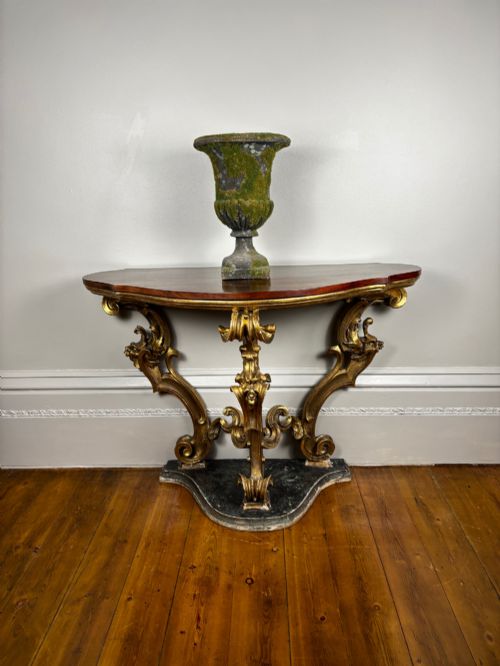
When you examine an italian gilt table, you encounter centuries of continental craftsmanship designed to bring theatrical warmth into formal rooms.
Italian Gilt Table
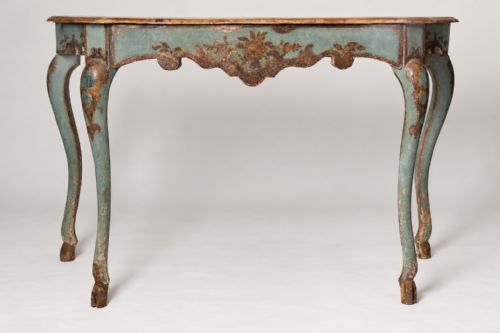
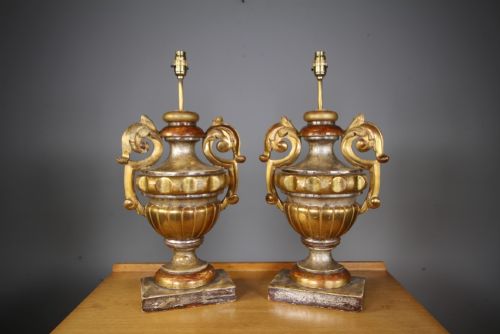
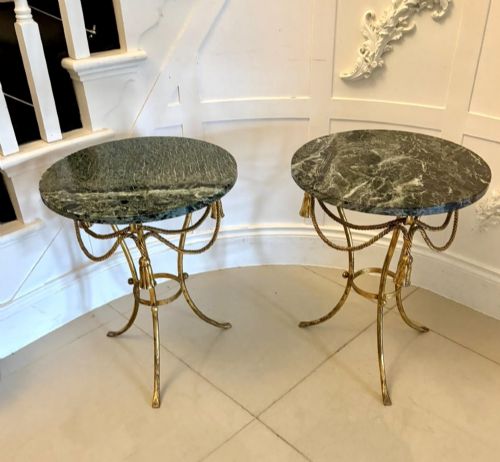
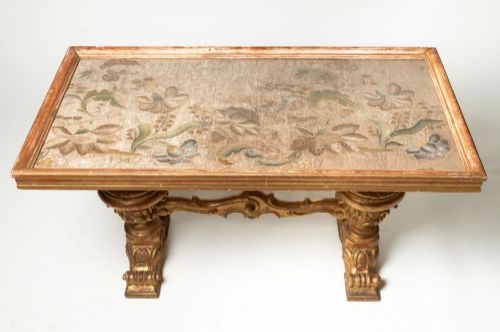
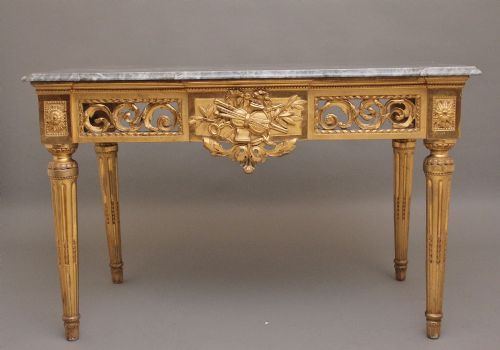
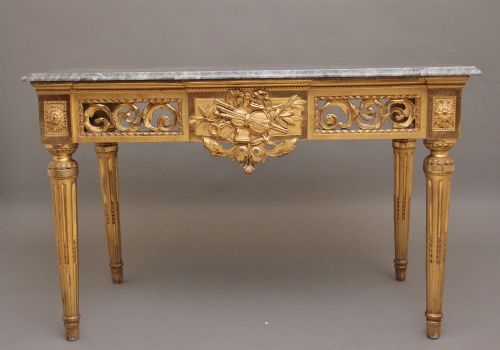
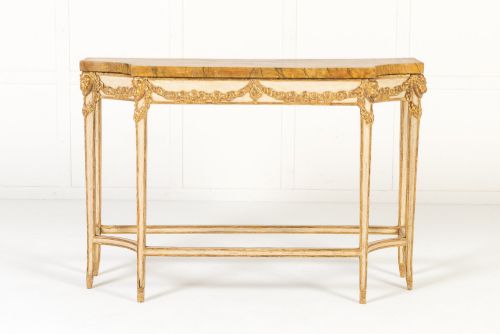
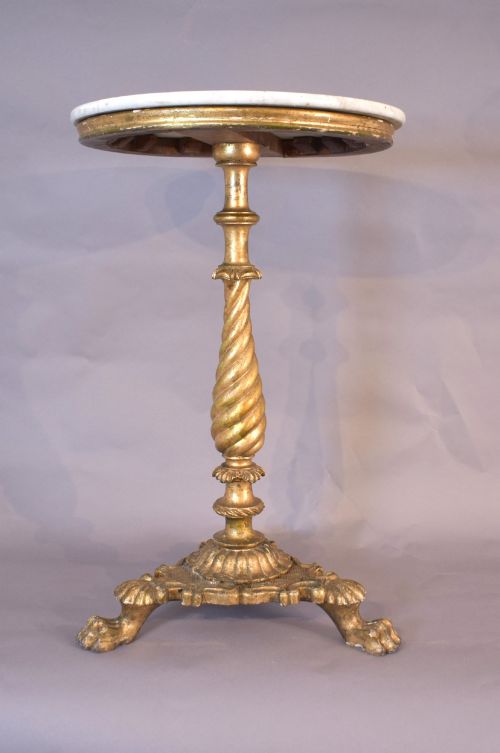
The search for an italian gilt table uncovers a distinct concentration of console tables designed to stand against drawing room walls, alongside occasional tables, coffee tables, and side pieces. These items span from the seventeenth century through the neoclassical periods of the eighteenth century, extending into nineteenth-century revivals and twentieth-century interpretations.
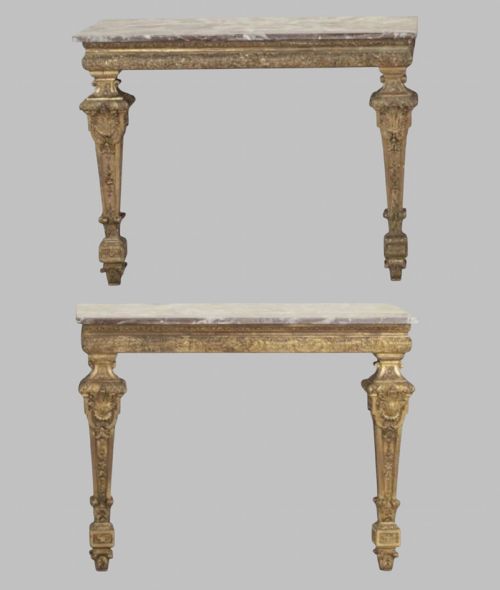
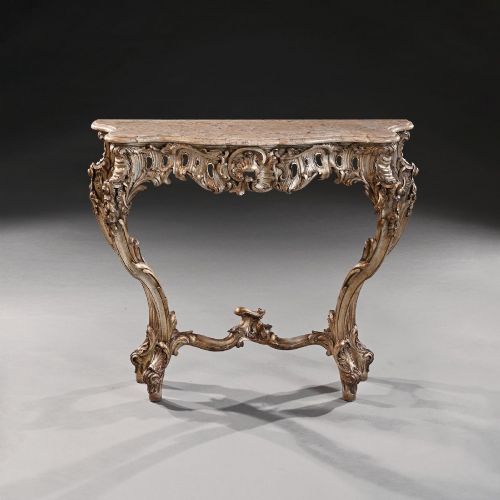
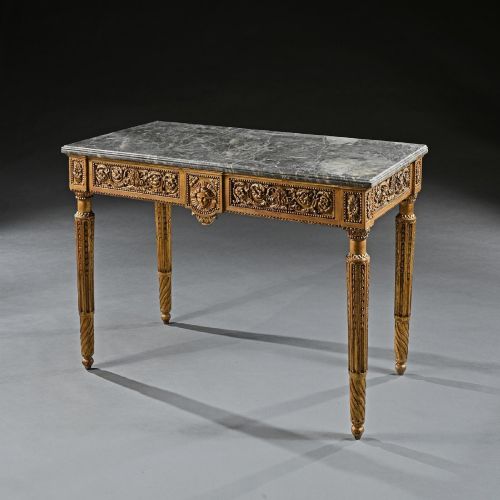
Console tables form the core of the available selection, frequently featuring shaped marble tops paired with carved wooden supports. Smaller occasional tables, lamp tables, and coffee tables appear alongside these larger architectural forms, reflecting changing domestic requirements across different eras.
Origins trace directly to regional Italian centres such as Venice, Florence, and Genoa, where local workshops developed distinct interpretations of baroque, rococo, and neoclassical design vocabularies. Eighteenth-century examples demonstrate high-relief carving and silver or gold leaf application, while later nineteenth-century pieces embrace revivalism and painted finishes.
Materials and construction
Carpenters shaped the structural frames using native timbers such as pine, walnut, and oak, applying layers of gesso to smooth the surfaces before gilding. Artisans laid thin sheets of gold leaf or silver leaf over this preparation, burnishing the metal to achieve a bright finish or toning it down with pigments.
Tops frequently incorporate slabs of imported or native marble, including verde antique, breccia, and faux porphyry, fitted directly onto the wooden rails. Inlaid stone work, such as pietra dura, appears on select centre and occasional tables, showcasing specialised lapidary techniques.
Italian Gilt Table Retail Price Guide 2026
Typical asking prices for italian gilt table among the pieces listed under this phrase on Sellingantiques today, from the lower quarter to the upper quarter. They describe what is for sale here now, not the wider market.
Several eighteenth-century tables smuggle carved wooden dolphins and lion paw feet right into the drawing room.
Assessing quality
Depth and crispness of the wood carving distinguish superior examples from standard production, particularly around scrolling acanthus leaves, cherubic figures, and structural legs. Hand-carved elements display sharper undercut details and fluid movement compared to mechanical shaping or heavy plaster builds.
The integrity of the original gilt surface and preparation layers dictates historical value, as untouched gold leaf ages with a soft, warm patina. Evidence of excessive over-gilding or modern paint layers obscures the underlying definition of the carved woodwork.
Harrods
The Italian Gilt Table Glossary
- Giltwood
- Timber that has been coated with gold leaf over a prepared gesso base. This technique creates a luminous surface that catches candlelight and natural illumination.
- Console table
- A wall-mounted or freestanding table designed to stand flat against a vertical surface, frequently fitted with a stone top and decorative legs.
- Gesso
- A mixture of binder and chalk applied to wooden frames to create a smooth surface for subsequent gilding or painting. It allows carvers to achieve sharp relief details.
- Pietra dura
- An artistic technique using cut and fitted polished coloured stones to create geometric or pictorial designs on tabletop surfaces. Florentine workshops specialised in this stony mosaic work.
- Parcel gilt
- A finishing method where only specific raised portions of a painted or stained wooden surface receive gold leaf highlights. This creates a contrast between the coloured ground and the metallic details.
Italian Gilt Table: Frequently Asked Questions
How do I place a console table?
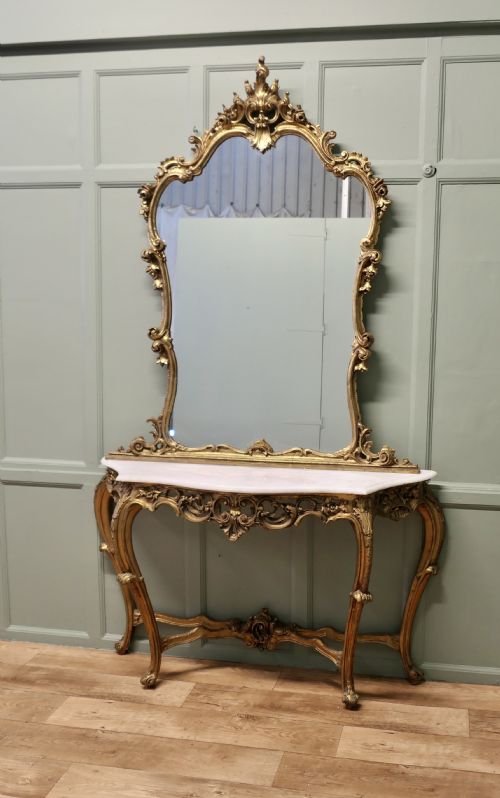
Console tables function best against prominent walls in entrance halls, drawing rooms, or dining spaces where their architectural presence can be appreciated. They frequently anchor a matching wall mirror positioned directly above.
Because many historical examples rely on wall support or balanced weight distribution, ensure the piece sits securely against a flat vertical surface.
What marble types appear on these tables?
Table tops incorporate various natural stones, including green verde antique, breccia, and white varieties. These heavy stone slabs rest upon the gilded wooden bases, secured by their own weight or traditional pegging methods.
Maintenance requires simple dusting and avoidance of acidic liquids that can etch polished marble surfaces over time.
How do I distinguish eighteenth-century pieces?
Eighteenth-century examples display hand-carved pine or softwood frames beneath the gold leaf, showing tool marks and natural timber shrinkage consistent with age. Their proportions reflect baroque, rococo, or neoclassical design rules current during their construction.
Later nineteenth-century revival pieces often feature heavier cast plaster elements and machine-tooled joints behind the gilding.
Can I use an occasional table daily?
Occasional and coffee tables accommodate light domestic use, such as holding lamps, books, or decorative objects. Their delicate gilded surfaces require gentle handling to prevent scratching the thin metal leaf.
Positioning them away from direct sunlight and high moisture areas preserves the integrity of both the wood and the historic finish.