



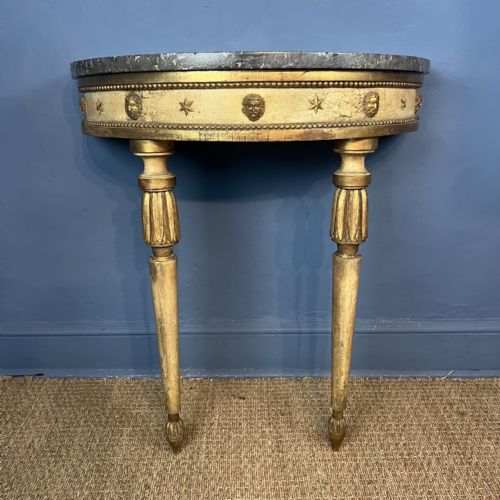
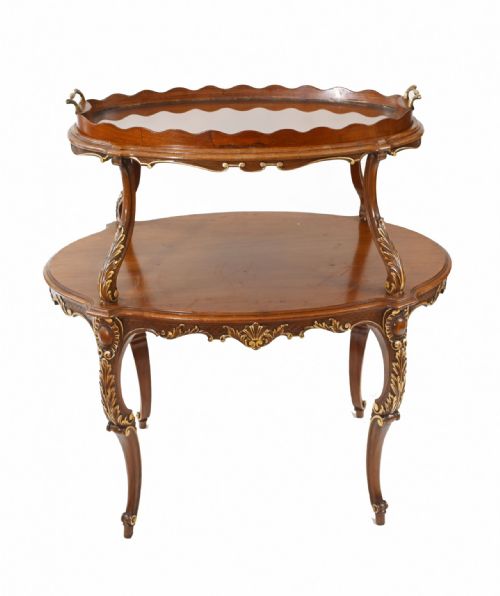


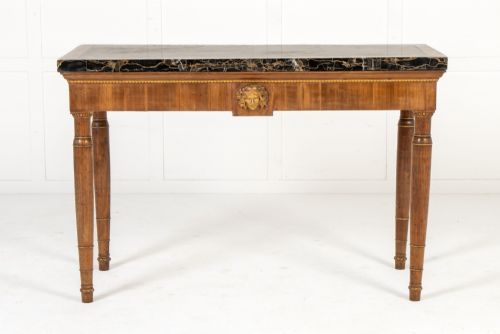

Italian Gilt Furniture
Italian gilt furniture brings dramatic carved surfaces and classical presence into a room, spanning baroque console tables to painted neoclassical seating.
Italian Gilt Furniture
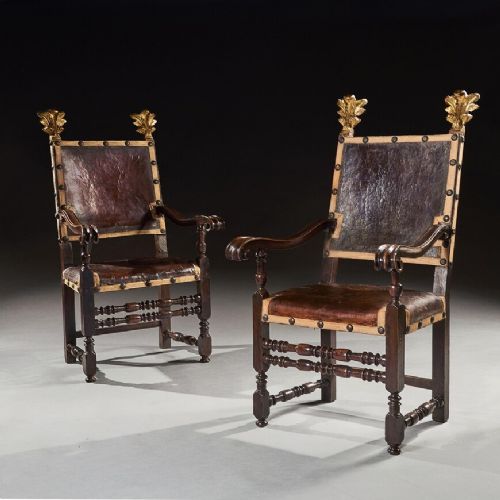
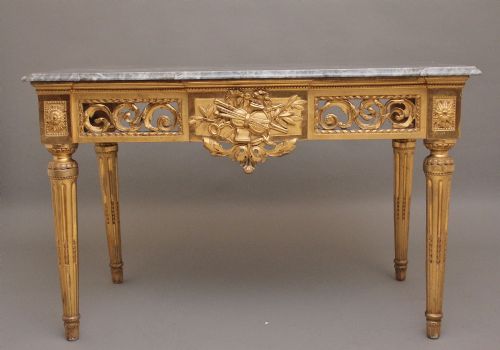
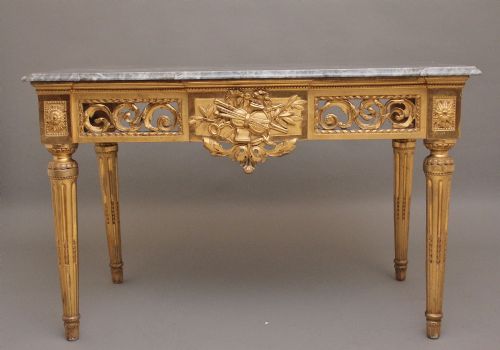
Italian gilt furniture encompasses heavily ornamented console tables, seating, and cabinetry designed with gilded surfaces. When searching for italian gilt furniture, buyers frequently encounter carved giltwood console tables and seating dating from the seventeenth century through to the nineteenth century.
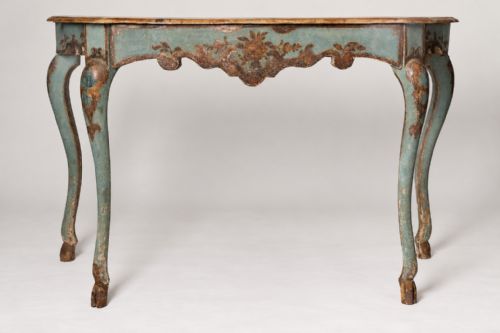
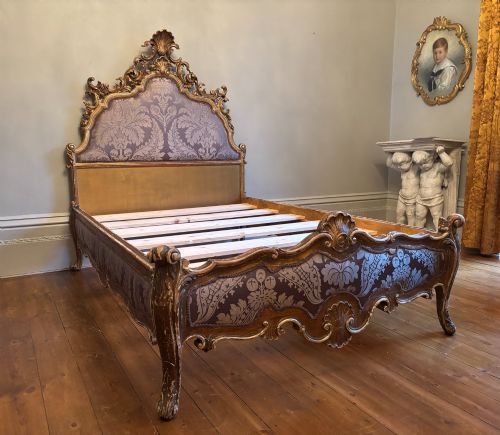
The selection ranges from grand baroque and rococo forms featuring intricate carved details to restrained neoclassical designs and later revival pieces. Console tables, armchairs, and mirrors dominate the offerings, often complemented by marble tops or painted finishes.
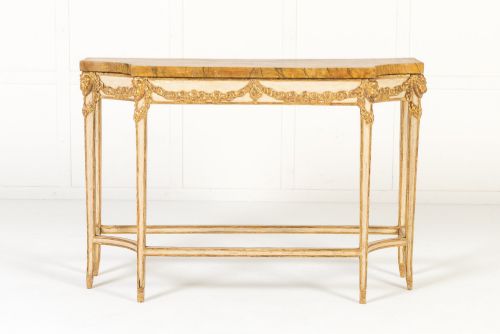
Origins stretch across historical centres including Venice and Genoa, reflecting regional stylistic shifts from exuberant gold leaf application to cream painted and parcel gilt highlights.
How they were made
Carved wood provides the structural foundation for much of this work, utilising timbers such as walnut alongside gesso layers applied to smooth the surface before gilding. Artisans laid thin sheets of gold leaf over these prepared grounds, burnishing the metal to achieve a brilliant reflective quality.
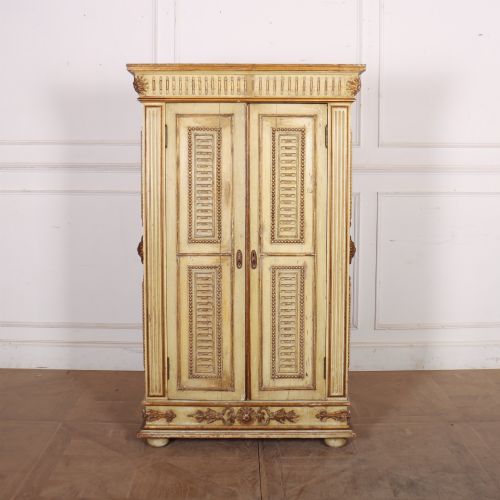
Alternative decorative schemes combine paint and parcel gilt, where polychrome or cream painted surfaces receive selective gilding on carved highlights. Certain tables incorporate heavy stone elements, pairing carved wooden bases with breccia marble or pietra dura tops.
Italian Gilt Furniture Retail Price Guide 2026
Typical asking prices for italian gilt furniture among the pieces listed under this phrase on Sellingantiques today, from the lower quarter to the upper quarter. They describe what is for sale here now, not the wider market.
Materials recorded across the inventory include gold leaf, gesso, carved wood, marble, and hand-painted porcelain.
What varies in quality
Quality rests primarily in the crispness and depth of the initial carving, distinguishing pieces worked by skilled hands from later mechanical reproductions. Deeply undercut foliage, animal supports, and moulded framing demonstrate superior craftsmanship.
The application of the finish further separates examples, where genuine gold leaf retains a warm, layered lustre compared to flat modern metallic paints. Original surface integrity, including the natural ageing of underlying gesso and paint, dictates desirability.
The Italian Gilt Furniture Glossary
- Giltwood
- Wood that has been coated with gold leaf. This technique creates a rich metallic sheen characteristic of high-status european decorative arts.
- Gesso
- A plaster mix applied to wooden carcases to prepare the ground for gilding or painting. It provides a smooth base that can be finely carved or incised.
- Console table
- A wall-mounted or freestanding table supported by front legs or brackets. These forms often feature elaborate carved aprons and marble tops.
- Parcel-gilt
- A decorative treatment where only specific portions of an object are gilded, leaving painted or exposed wood visible elsewhere. This method highlights particular carved details.
- Breccia marble
- A composite stone made of broken rock fragments embedded in a fine-grained matrix. It frequently tops grand eighteenth-century console tables.
Italian Gilt Furniture: Frequently Asked Questions
Where should I place a console table?
Console tables function effectively in entrance halls, living rooms, or dining spaces against a flat wall. Their shallow depth allows them to sit beneath large wall mirrors or paintings without obstructing pathways.
Pairing a gilded console with a matching mirror creates a traditional focal point in a reception room. Ensure the wall fixing supports the weight if the piece relies on structural stability from the wall.
What is the difference between baroque and rococo?
Baroque design emphasises monumental scale, symmetry, and heavy sculptural elements such as lion paw supports. It projects power and theatricality through dense ornamentation.
rococo style introduces asymmetry, C-scrolls, and lighter, more fluid carved motifs. The forms become more playful and intimate while retaining rich surface gilding.
How do I identify a reproduction?
Examine the construction joints, tool marks, and the ageing of the materials beneath the surface finish. Genuine antique pieces show hand-cut joinery and natural wear patterns consistent with centuries of use.
Inspect the gilding under magnification to check for modern metallic paint versus genuine gold leaf applied over aged gesso. Consistent, machine-made uniformity often points to later revival manufacture.