


Italian Florentine Lighting
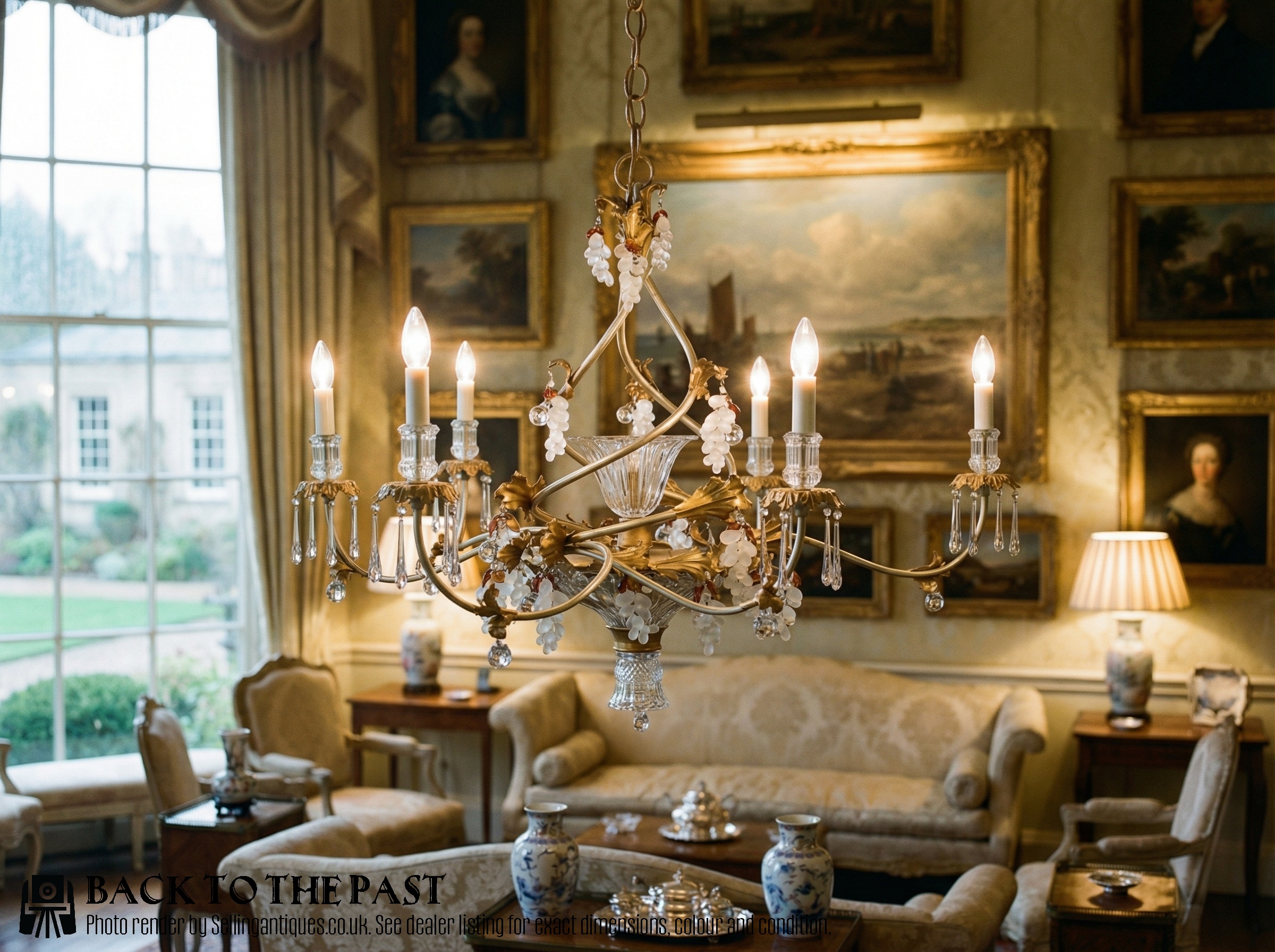
Italian florentine lighting brings ornate craftsmanship and historical character into rooms through gilded surfaces, carved details, and luminous crystal drops.
Italian Florentine Lighting
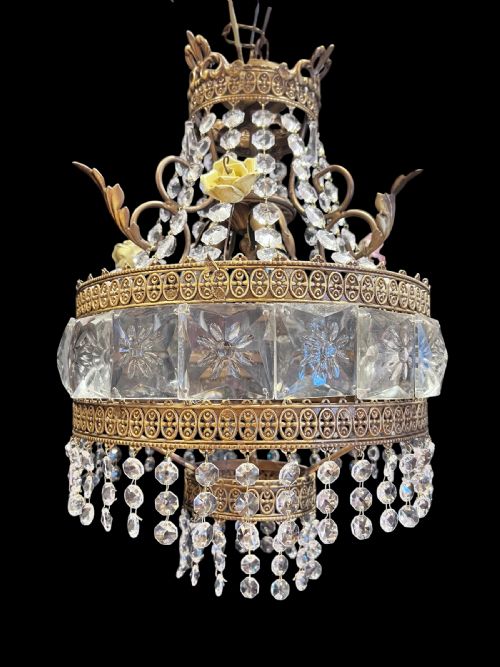
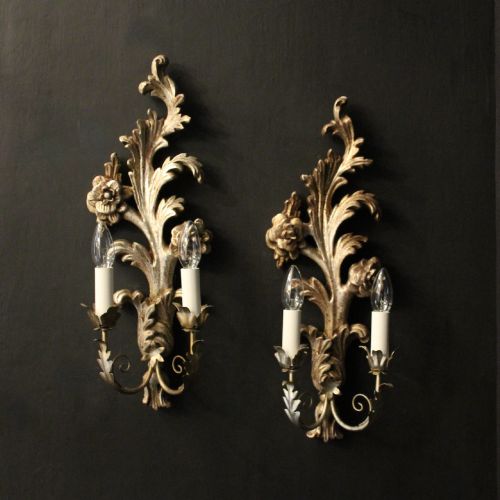
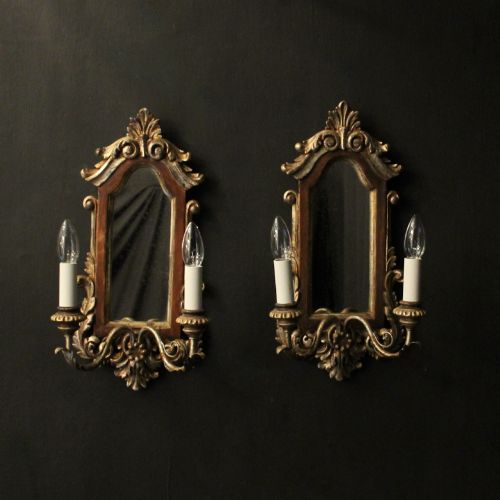
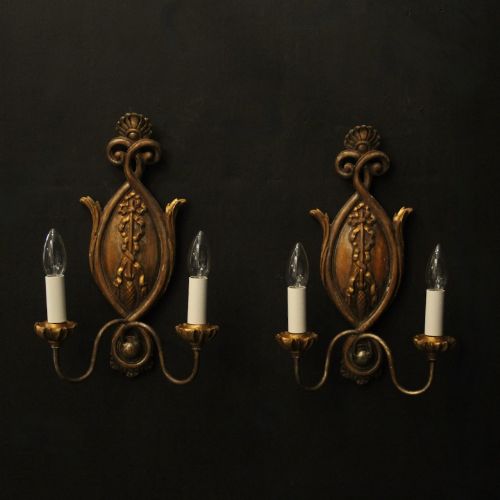
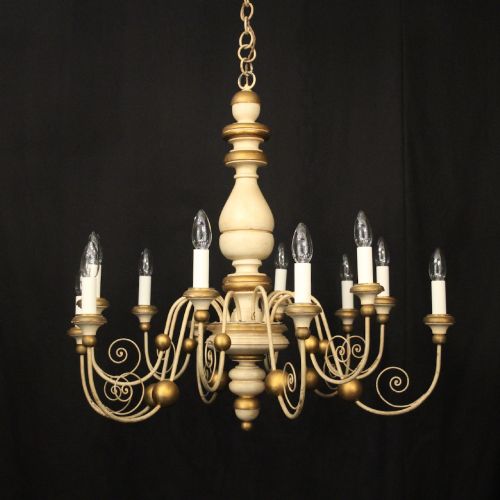
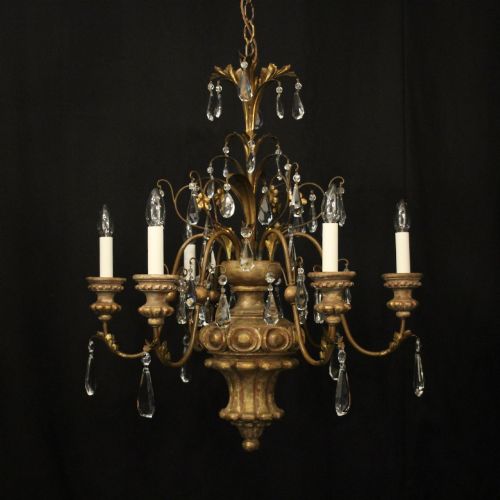
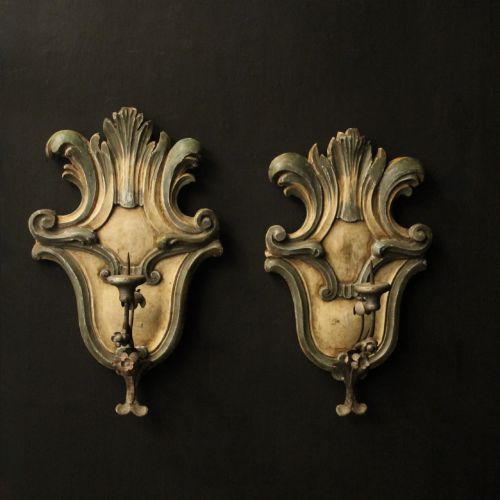
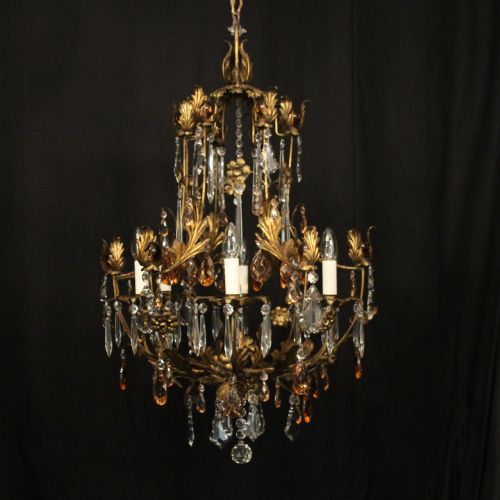
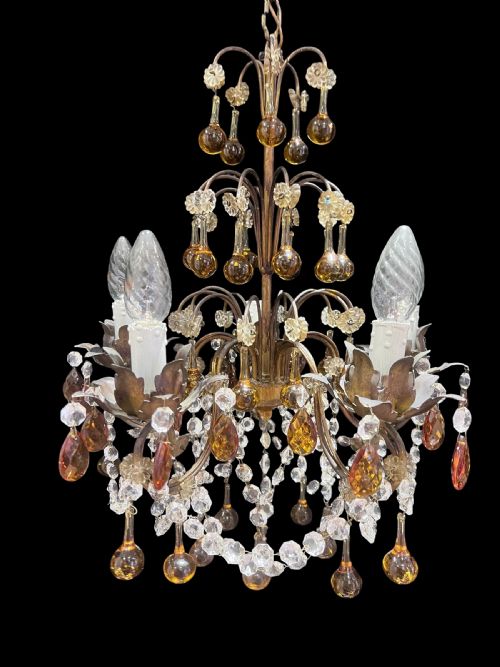
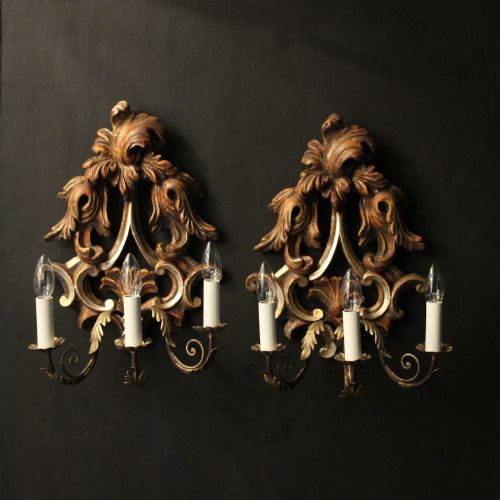
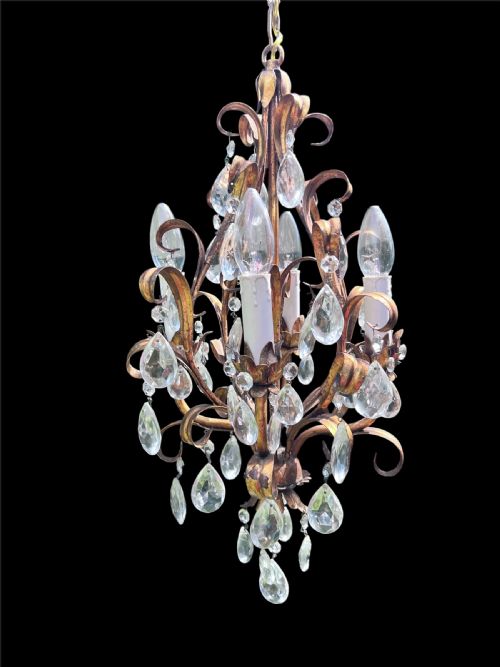
Italian florentine lighting encompasses decorative fixtures designed to illuminate interiors with dramatic flair and historical resonance. When exploring this selection, buyers frequently encounter grand multi-light chandeliers and matched pairs of wall sconces or girandoles originating from the nineteenth and early twentieth centuries. These pieces reflect regional design traditions that prioritise sculptural forms and elaborate ornamentation over simple utility.
The objects span diverse formats, including standard floor lamps, table lamps, and pendant lights suited to varied architectural scales. Common stylistic designations appearing alongside these items include Florentine Baroque and Rococo Revival, which denote the flowing lines and asymmetrical flourishes typical of the region. Most surviving examples date from the nineteen-tens through the nineteen-thirties, alongside select nineteenth-century survivals.
Materials and Construction Techniques
The construction of italian florentine lighting relies heavily on carved wood, gesso, and applied gold or silver leaf to achieve a lustrous metallic finish. Artisans built up intricate surface details using gesso over wooden bases before gilding or painting the elements in polychrome schemes. Metal armature supports the weight of larger multi-armed chandeliers and wall brackets, ensuring structural stability beneath the decorative exterior.
Glass and crystal components frequently adorn these fixtures, ranging from plain drops to coloured crystals and porcelain flowers integrated into the arms. Metal components combine with carved wooden elements, while standard and floor lamps utilise solid timber frames finished with gilt or painted highlights. Each material choice contributes to the interplay of light and reflective surface characteristic of the style.
Current listings feature items spanning the eighteenth century through to the nineteen-thirties, highlighting enduring regional craftsmanship.
Assessing Quality and Execution
Quality in italian florentine lighting rests upon the crispness of the carving and the depth of the surface finishing. Finer examples display meticulous hand-chiselled details in the gesso and wood, whereas lesser items rely on simplified moulding that lacks sharp definition. The application of gold leaf or polychrome paint also separates standard commercial production from masterwork output, showing subtle shading and careful layering.
The integration of crystal elements and the complexity of the arm configuration further distinguish superior pieces. Multi-tiered chandeliers and matched sets of girandoles with intact porcelain floral additions demonstrate higher ambition and more labour-intensive manufacturing. Structural integrity in the joints and the preservation of the original gilt surfaces govern the overall standard of preservation.
The Italian Florentine Lighting Glossary
- Giltwood
- Wood that has been coated with a thin layer of gold leaf. This technique provides a brilliant reflective surface across chandeliers and wall lights.
- Girandole
- An ornamental bracket wall light featuring a mirror or multiple candle arms. These fixtures amplify illumination within a room.
- Polychrome
- Decorated in several colours. This finish appears frequently on wooden and gesso light fittings from the region.
- Pricket
- A sharp metal spike on a candle holder designed to secure a wax candle. Early wall sconces often utilise this mounting method.
- Gesso
- A plaster-like mixture applied to wood surfaces to create a smooth base for gilding or painting. It allows for deep relief carving before metal leaf application.
Italian Florentine Lighting: Frequently Asked Questions
How do I install an antique chandelier?
Professional electrical installation is strongly recommended for heavy multi-armed chandeliers due to their substantial weight and delicate crystal components. An electrician must ensure the ceiling joist can support the load independently of the electrical box.
Rewiring may be necessary to meet current safety standards while preserving the exterior appearance of the metal or wooden frame.
How should I clean gilded light fixtures?
Dusting requires a very soft dry brush or feather duster to protect the fragile gold leaf and gesso layers from abrasion. Moisture and chemical cleaners must be avoided entirely as they strip the historic surface finishes.
Crystal drops and glass components can occasionally be wiped with a lint-free cloth while detached from the main body.
Where do wall sconces work best?
Paired wall lights suit placement flanking mirrors, fireplaces, or architectural doorways to create balanced ambient illumination. Their decorative giltwood arms add visual weight and texture to plain plaster walls.
Height placement depends on ceiling proportions, usually positioned at eye level for optimal aesthetic impact.
How do I date these lighting pieces?
Dating relies on stylistic markers such as Rococo revival curves, the presence of specific crystal cuts, and the composition of the underlying gesso. Pieces from the nineteenth century often show heavier timber construction and hand-forged internal brackets.
Twentieth-century iterations from the nineteen-twenties and thirties display slightly lighter frames and standardised electrical fittings.