



Italian Church Antiques
Italian church antiques are sacred furnishings and devotional works from centuries of ecclesiastical devotion, offering rich historical character for the home.
Italian Church Antiques
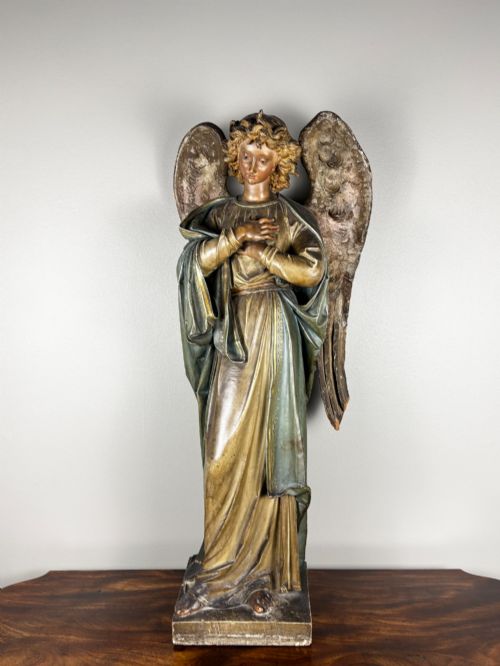
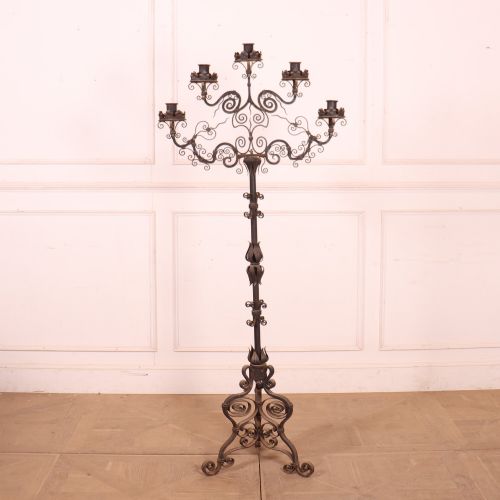
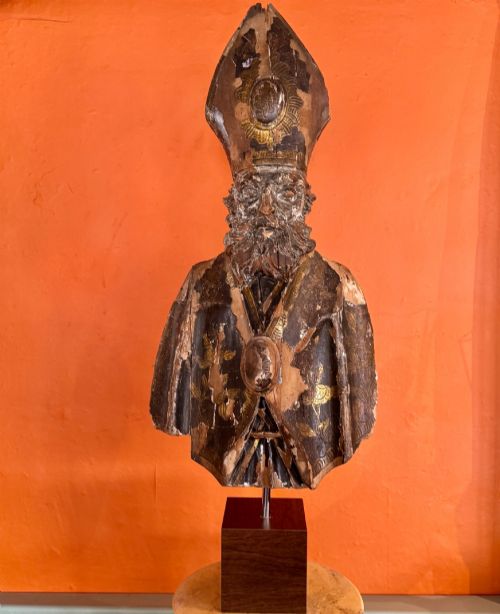
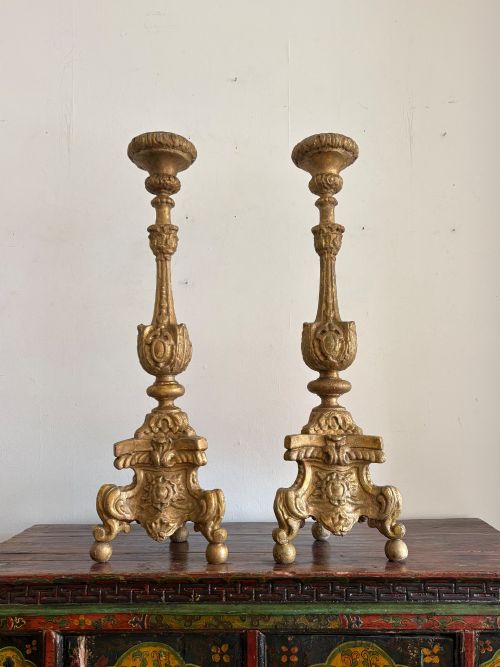
Italian church antiques encompass a diverse range of sacred objects, from towering floor candelabras and altar candlesticks to carved wooden saints and architectural tabernacles. When exploring this category, buyers frequently encounter devotional figures, processional sculptures, and liturgical furnishings originating from various centuries.
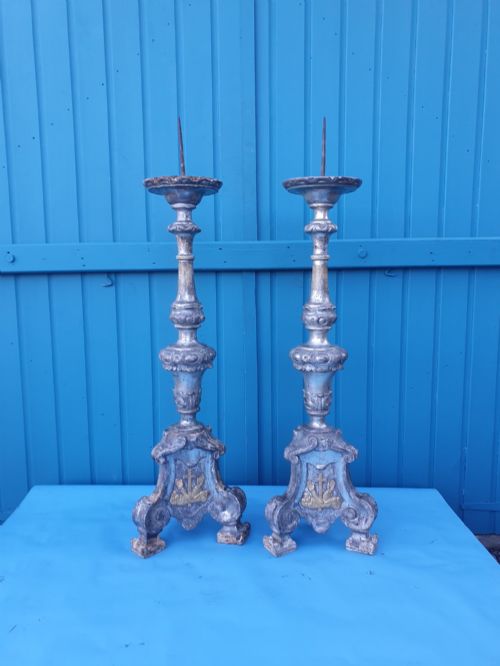
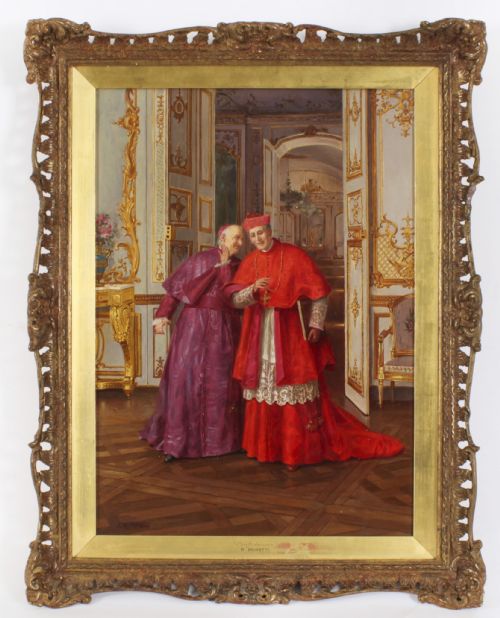
The pieces on this page heavily feature eighteenth and nineteenth-century examples, spanning stylistic movements from Italian Baroque and Gothic Revival to Italian Folk Art and Neoclassical designs. Common forms include pricket sticks, lecterns depicting eagles, and giltwood frames that once adorned altars.
Originating directly from Italian ecclesiastical settings, these items carry the patina of centuries of ritual use. Whether acquiring a bishop's bust or a pair of altar angels, collectors are selecting tangible fragments of Italy's rich religious heritage.
Materials and construction
Makers utilised traditional timbers such as pine, oak, walnut, and carved wood as the foundational substrate for statues, benches, and candle holders. These wooden structures were frequently shaped by hand before receiving further surface ornamentation.
Surfaces were frequently finished with gesso, gold leaf, and polychrome paint, applying layered gilding and colour to enhance visual drama. Silvered mecca techniques and metal components also appear across candlesticks and architectural frames to create reflective brilliance under candlelight.
Italian Church Antiques Retail Price Guide 2026
Typical asking prices for italian church antiques among the pieces listed under this phrase on Sellingantiques today, from the lower quarter to the upper quarter. They describe what is for sale here now, not the wider market.
Listings feature items spanning the seventeenth, eighteenth, and nineteenth centuries, utilising carved wood, gesso, gold leaf, and polychrome paint.
Evaluating craftsmanship and condition
Quality in these sacred works rests upon the depth of the hand-carving and the sensitivity of the polychrome or gilt application. Finer pieces display anatomical precision in figures like angels and saints, alongside deeply undercut foliage and architectural moulding on altar fixtures.
The integrity of the original surface treatments significantly influences the character of each piece. Retaining untouched layers of original gold leaf and historic paintwork elevates an object above examples that have suffered heavy modern restoration.
The Italian Church Antiques Glossary
- Giltwood
- Wood that has been coated with a thin layer of gold leaf or gold paint. This technique was widely applied to altar furnishings to reflect the glow of candles.
- Pricket stick
- A type of candlestick featuring a central metal spike upon which a large wax candle is mounted. They are commonly found on historic church altars.
- Cartagloria
- An altar card or framed liturgical text placed on the altar during mass. These architectural frames are often carved and gilt.
- Tabernacle
- A heavily ornamented architectural structure designed to house the Eucharist. In antique form, they resemble miniature classical facades.
- Polychrome paint
- A multi-coloured decorative painting technique applied to wood or gesso sculptures. It brings realistic skin tones and garment hues to religious figures.
- Torchere
- A tall stand or ornamental candlestick designed to hold a light source. Grand Italian examples often feature carved wooden columns.
Italian Church Antiques: Frequently Asked Questions
How were altar candlesticks used?
Altar candlesticks were placed upon or beside church altars to hold candles during religious services and mass. Their towering proportions and gilded surfaces were designed to catch and amplify candlelight.
Paired sets were standard, often framing central tabernacles or crucifixes. Their grand scale made them visible to congregations seated far down the nave.
How do I date an antique wooden saint?
Dating involves examining the tool marks, the composition of the underlying gesso, and the ageing of the timber. Stylistic clues such as Baroque drapery folds or Folk Art simplicity also point toward specific centuries.
Comparing the wear patterns and pigment types helps distinguish eighteenth-century carvings from later nineteenth-century revivals. Examining construction joints provides further evidence of the period.
How do I style church antiques at home?
These pieces work well as focal points in neutral rooms where their historic textures and gold leaf can stand out. Large candlesticks function as statement floor or table pieces without needing functional candles.
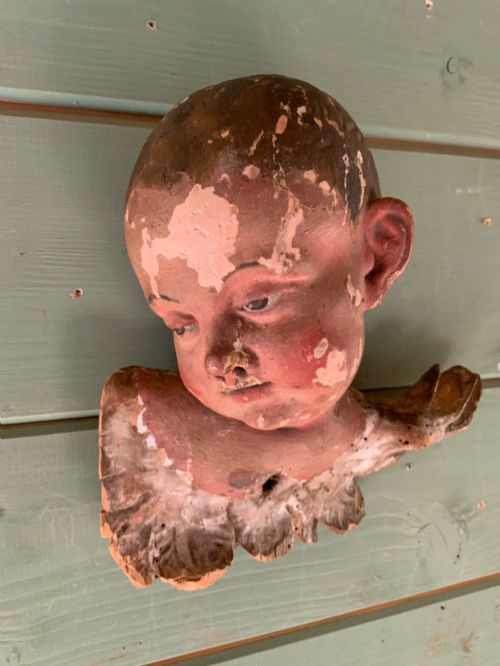
Smaller architectural fragments, such as gilt frames or carved cherub heads, mount effectively onto walls. Mixing ecclesiastical wood tones with contemporary interiors creates a striking visual contrast.