


Italian Baroque Oil Painting
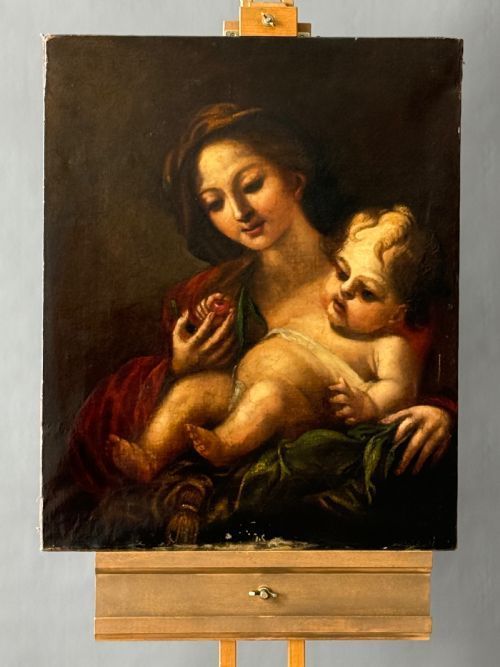
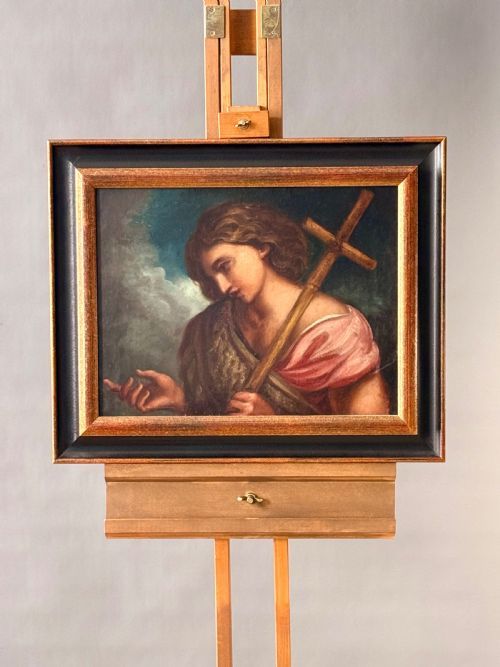
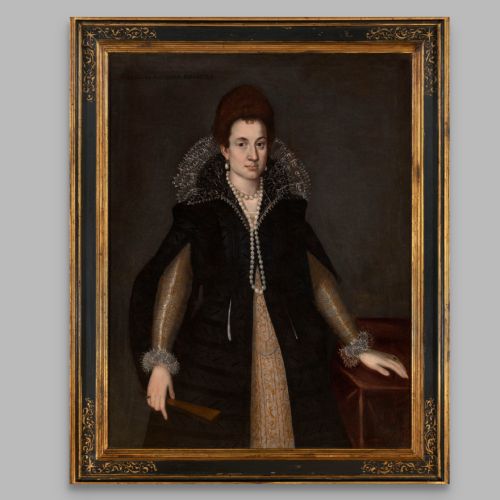
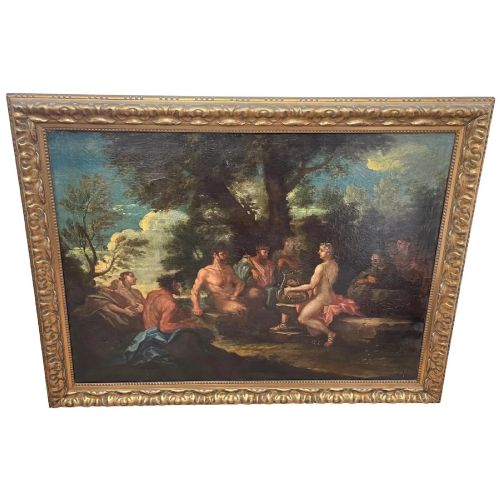
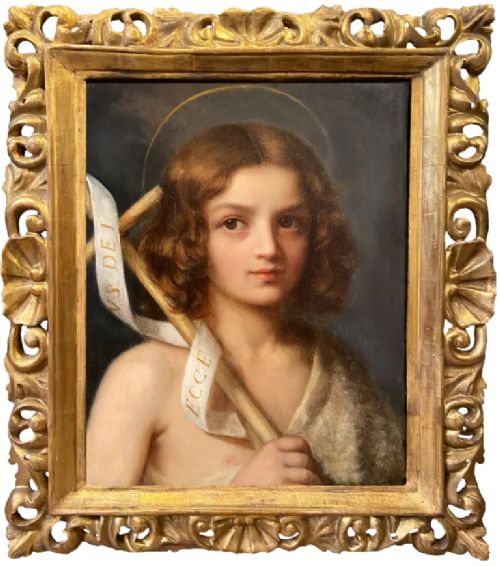
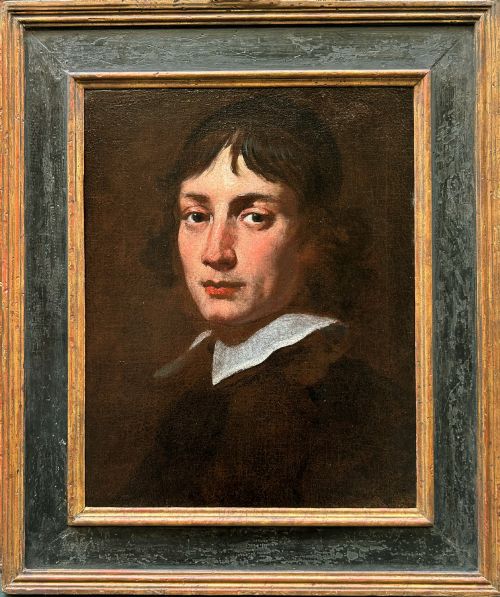
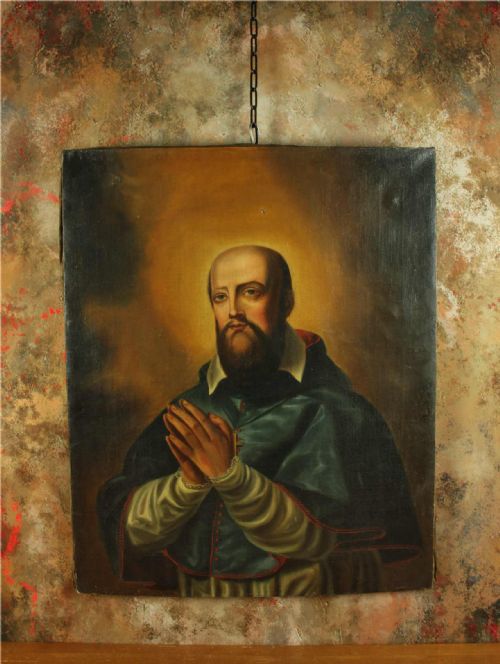
These works embody the dramatic energy and rich narratives of an italian baroque oil painting, drawing the eye with deep chiaroscuro and theatrical compositions.
Italian Baroque Oil Painting
An italian baroque oil painting brings centuries of European history into a room, depicting grand religious scenes, classical mythology, and striking portraiture. Buyers examine these works for their intense emotional expression and complex narrative depth.
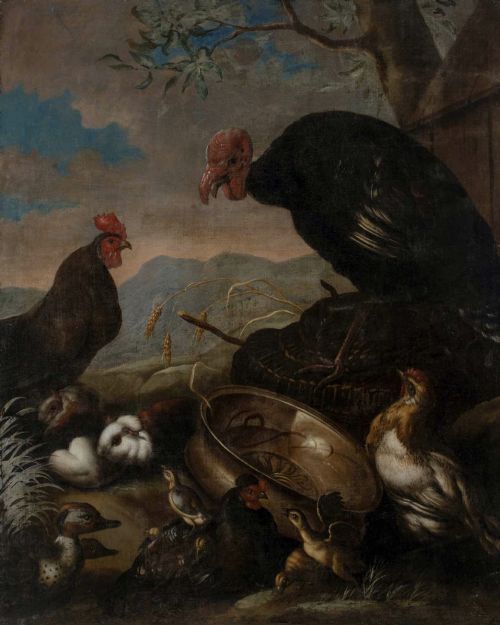
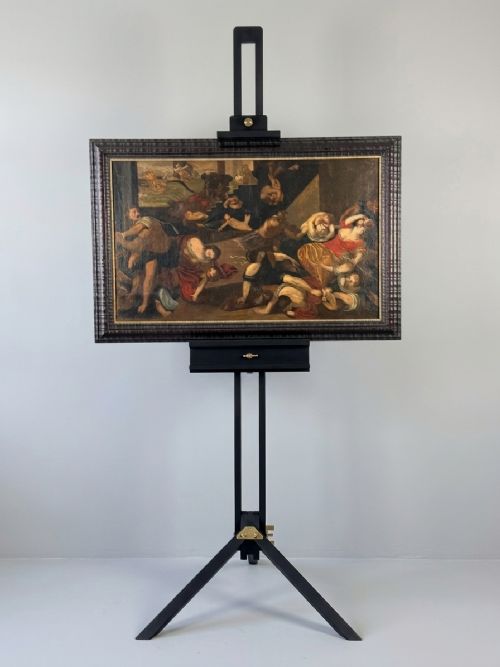
The selections available here range widely across centuries, with seventeenth and eighteenth-century examples forming the core alongside later interpretations. Works span regional schools from Venice to Rome, capturing subjects from tranquil still lifes to dynamic cavalry skirmishes.
Materials and methods
Pigments were suspended in oil and applied primarily to stretched canvas or occasionally wooden panels such as fruitwood. Artists built deep luminosity through layered glazes and opaque highlights, which defined the dramatic contrasts of light and shadow.
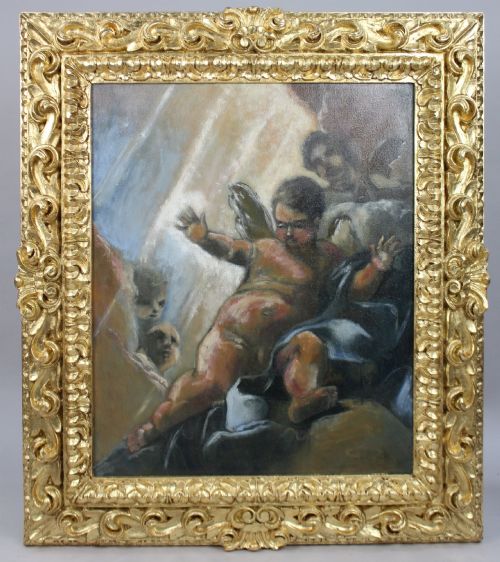
Many of these canvases remain housed within their period surrounds, including carved giltwood frames enriched with gold leaf. The physical construction relies on traditional joinery and hand-carved mouldings designed to complement the grandeur of the artwork.
Italian Baroque Oil Painting Retail Price Guide 2026
Typical asking prices for italian baroque oil painting among the pieces listed under this phrase on Sellingantiques today, from the lower quarter to the upper quarter. They describe what is for sale here now, not the wider market.
The selections span the seventeenth, eighteenth, and nineteenth centuries, alongside mid-twentieth-century Renaissance style pieces.
Distinctions in quality
Excellence in these compositions lies in the confidence of the brushwork and the anatomical precision of figures within complex groupings. Superior examples demonstrate a mastery of movement and facial expression that elevates the narrative beyond standard workshop production.
The integrity of the original paint surface and the depth of the surviving canvas play significant roles in the standing of a piece. Works retaining their early framing and minimal intervention maintain a stronger visual coherence.
Angelo Maria Crivelli·Pietro Fachetti·Guillaume Courtois·Francesco Solimena·Bartolomeo Schedoni·Francesco Zuccarelli·Gian Lorenzo Bertolotto·Giacomo Nani
The Italian Baroque Oil Painting Glossary
- Chiaroscuro
- The strong contrast between light and dark used to give volume to figures and heighten dramatic tension. This technique defines much of the visual language found in seventeenth-century canvases.
- Old Master
- A term applied to European painters of high skill working before the nineteenth century. These practitioners often headed workshops or influenced distinct regional schools.
- Giltwood
- Wood carved and coated with gold leaf or metallic powder to create a reflective golden surface. It is commonly found on antique frames designed to accentuate the painting within.
- Provenance
- The documented history of ownership of an artwork from its creation to the present day. Clear records help establish authenticity and historical context.
- School
- A group of artists working in a similar style or region, often influenced by a central master. Attributions to specific schools reflect shared techniques and thematic choices.
Italian Baroque Oil Painting: Frequently Asked Questions
How do I identify a seventeenth century canvas?
Examination of the canvas weave, stretcher construction, and pigment composition offers clear indicators of age. Experts also study the stylistic conventions and regional painting techniques typical of the period.
Secondary clues include old labels, stamps on the reverse, and the construction style of the accompanying frame. Comparing the handling of light and subject matter to documented works helps confirm the era.
Where should I hang a large religious painting?
These commanding works suit spaces with adequate wall space and stable environmental conditions, away from direct sunlight and excessive heat sources. Placing them at eye level allows the narrative details and brushwork to be fully appreciated.
Consider pairing large canvases with subdued interior lighting that highlights the natural sheen of the oil paint and the carved details of the gilt frame. Adequate spacing ensures the theatrical composition remains the focal point of the room.
What does attribution to a school mean?
Attribution to a specific school indicates that a painting shares the stylistic traits, techniques, and regional characteristics of a known master or group of artists. It suggests the work was created within that circle of influence rather than by the master's own hand.
This designation helps historians classify works where specific documentation is absent while acknowledging the high standard of craftsmanship associated with that particular artistic tradition.
How should I care for an antique oil painting?
Maintenance requires keeping the artwork in a room with stable humidity and temperature to prevent the canvas or wooden panel from warping. Dusting should be done gently with a soft, dry brush without applying pressure to the paint surface.
Avoid using liquid cleaners or chemical agents on the canvas or the gilt frame. Professional conservationists should be consulted if the surface requires deeper cleaning or stabilization.