



Italian Architectural Prints
These Italian architectural prints capture classical grandeur on paper, offering structured elegance and historic depth that elevate any room.
Italian Architectural Prints
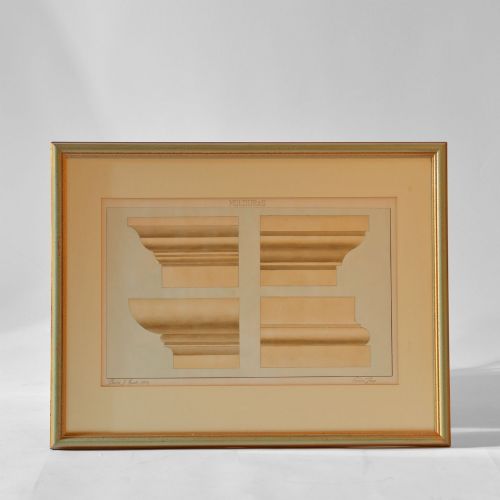
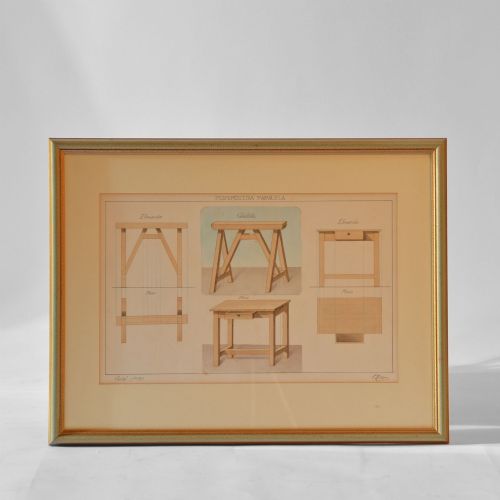
Italian architectural prints comprise framed works on paper recording classical landmarks, monumental facades, and ancient ruins. They span several centuries, capturing the enduring appeal of Mediterranean design through both monochrome engraving and tinted washes.
Buyers meet varied iterations on this page, ranging from eighteenth-century copper engravings of Vatican loggia frescoes to Edwardian watercolours of Venetian landmarks. Sets of four or six pieces frequently appear, offering cohesive wall displays of historic scenes.
The selection includes specific graphic works by named printmakers alongside anonymous studies of classical structures. Neoclassical aesthetics dominate, reflecting the enduring influence of Grand Tour travels across Italy.
How they were made
Makers produced these works primarily using paper, ink, and copper plates for engraved editions. Skilled hands pressed inked lines into damp sheets to create sharp architectural details.
Hand-applied watercolour, gouache, and gold leaf enhanced specific plates and paintings, adding colour to monochrome engravings. Wooden frames and glass protected these delicate paper works from atmospheric damage.
Italian Architectural Prints Retail Price Guide 2026
Typical asking prices for italian architectural prints among the pieces listed under this phrase on Sellingantiques today, from the lower quarter to the upper quarter. They describe what is for sale here now, not the wider market.
The materials recorded in these listings combine traditional paper and ink with gold leaf, gouache, and watercolour.
What varies in quality
The crispness of the ink impression dictates visual fidelity, where deeply bitten copper plates yield sharper architectural lines than worn matrices. Early printings retain fine hatching that later impressions lose.
The application of hand-colouring alters the character of individual plates, with subtle watercolour washes displaying greater artistic control than heavy opaque pigments. Maturation of the paper stock and preservation of original margins also influence the overall standard.
Alessandro Mocchetti·Ottaviani·Francesco Piranesi
The Italian Architectural Prints Glossary
- Copper engraving
- A printmaking technique where an artist cuts lines directly into a copper plate with a burin. The recessed grooves hold ink for transfer to paper under pressure.
- Gouache
- An opaque water-based paint containing pigment and a binding agent. It provides solid areas of colour on paper supports.
- Grand Tour
- A traditional trip through Europe undertaken by upper-class young men during the eighteenth and nineteenth centuries. It focused heavily on the art and architecture of Italy.
- Neoclassical
- A Western cultural movement drawing inspiration from the art and culture of classical antiquity. It prioritises symmetry, proportion, and classical motifs.
Italian Architectural Prints: Frequently Asked Questions
How should I hang framed prints?
Position them away from direct sunlight to protect the paper and watercolour pigments from fading over time. Maintain stable room humidity to preserve both the wooden frames and the paper supports.
Group sets symmetrically at eye level to replicate historical salon displays. Ensure secure fixings suitable for the weight of glass and wooden framing.
What periods do these pieces span?
The selection covers items from the mid-eighteenth century through to the Edwardian era and mid-century. Eighteenth-century examples focus heavily on engraved architectural plates.
Later works include Edwardian watercolours and mid-century mixed media paintings. Each period brings distinct printing techniques and stylistic interpretations to the classical subject matter.
Are these works original prints?
Many items are period copper engravings pulled from plates created in the eighteenth or nineteenth centuries. These rely on ink transferred from etched metal matrices onto paper.
Other items consist of original watercolours and mixed media paintings applied directly to paper by hand. Each listing specifies the exact medium used in creation.