
Iron Work Table
An iron work table brings sturdy industrial character and practical surface space into a room.
Iron Work Table
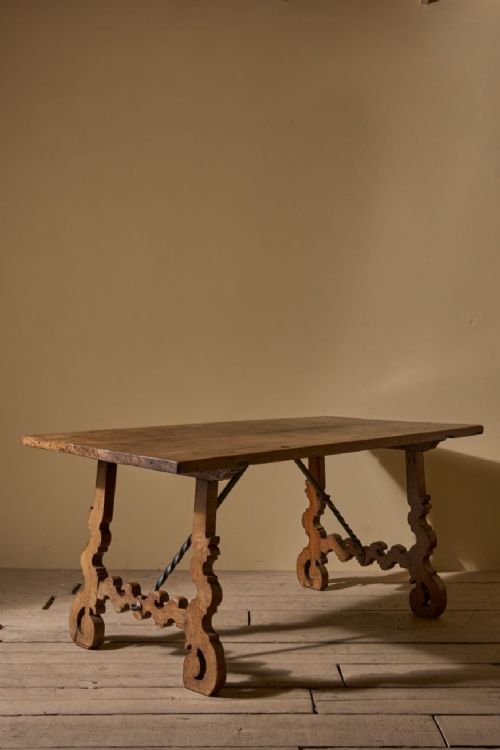
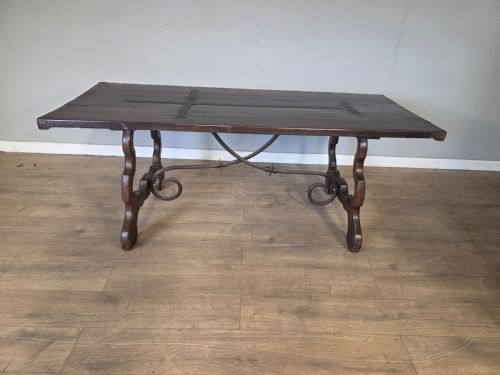
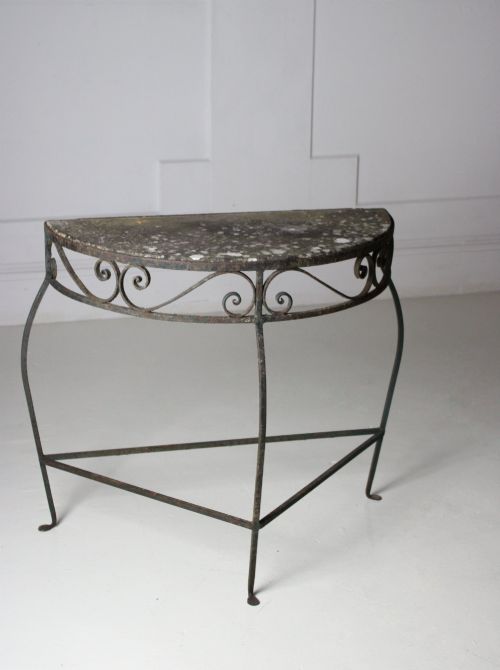
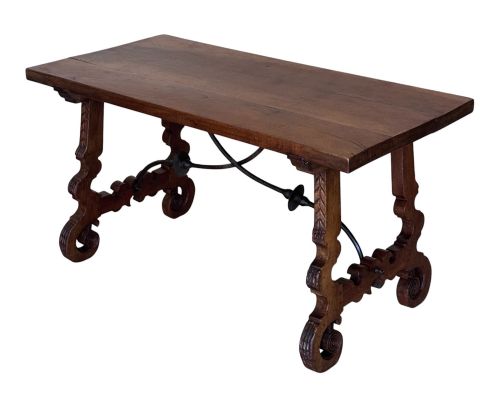
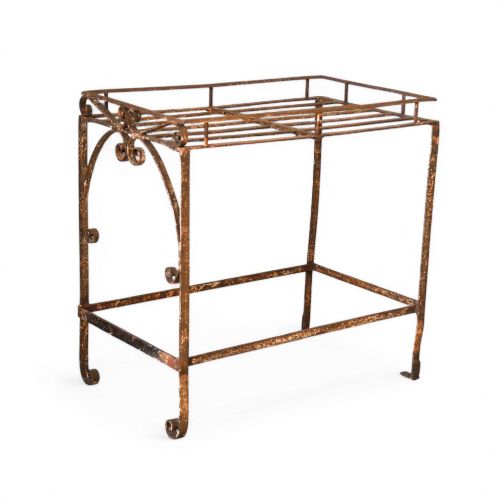
When you search for an iron work table, you encounter practical utility pieces built from durable metal frames paired with robust wooden, marble, or zinc surfaces. These items span various eras from the eighteenth century through the mid twentieth century, encompassing utilitarian work benches, garden settings, and console designs.
On this page, you are most likely to meet nineteenth century and early twentieth century examples originating from French provincial workshops or English estate settings. These items combine heavy metal bases with aged wooden tops or stone surfaces designed for demanding daily tasks.
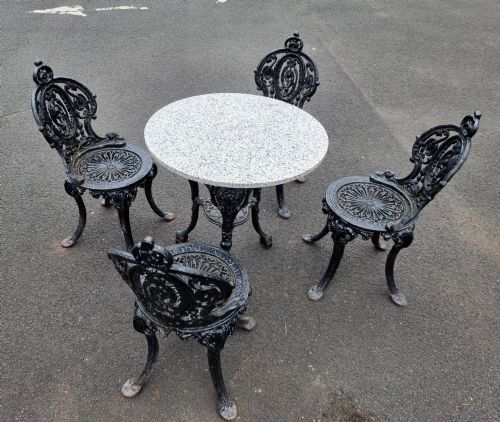
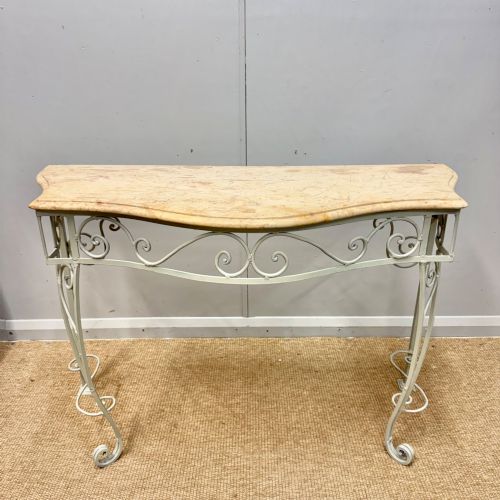
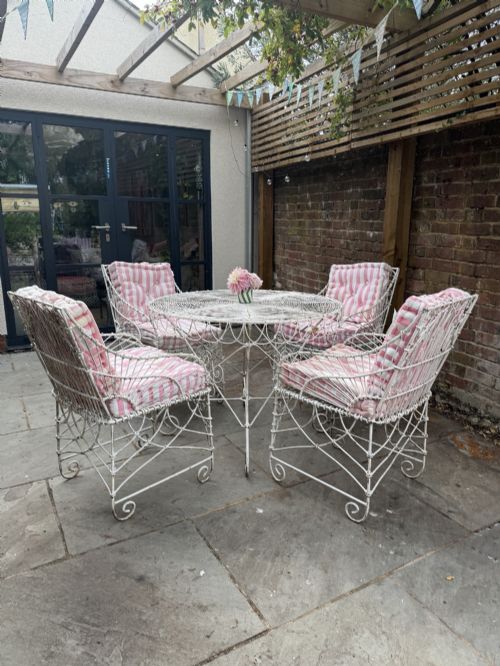
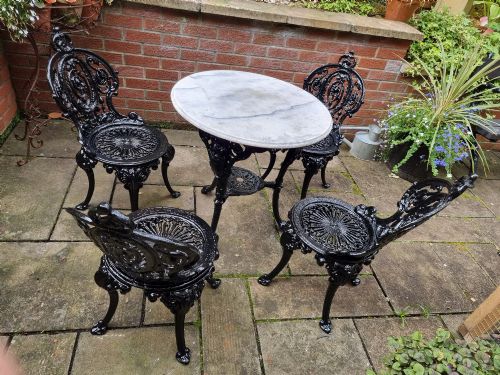
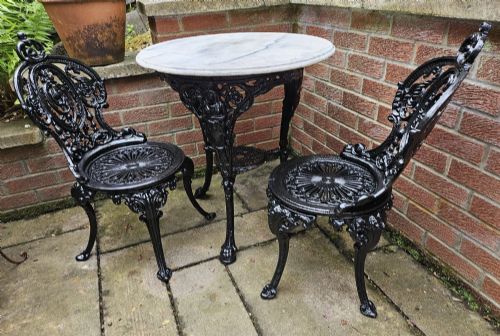
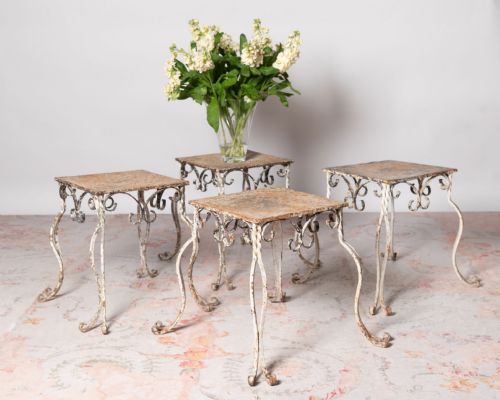
The category extends beyond basic work benches to include bistro sets, console tables, and garden furniture featuring robust metal framing. Each piece reflects the functional requirements of its original working environment adapted for contemporary domestic interiors.
Materials and construction
Makers utilised heavy cast iron and hand-formed wrought iron for the structural frames, providing immense stability and load-bearing capacity. These metal components frequently show the marks of the forge, including hand-hammered details and visible joints.
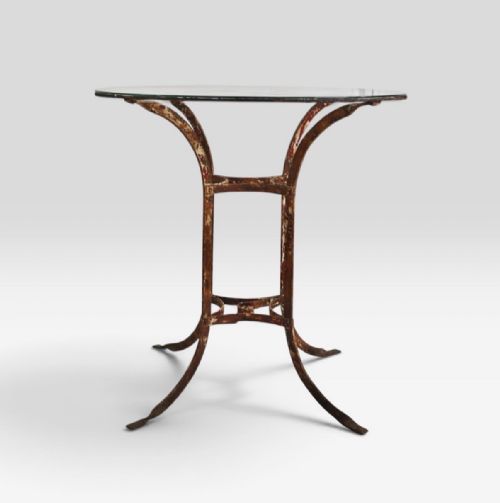
Working surfaces were constructed from thick timber such as oak, pine, and walnut, alongside durable marble, zinc, and glass inserts. These top materials were selected for their resistance to daily wear and tear in domestic kitchens, workshops, and gardens.
Materials documented across the inventory include wrought iron, cast iron, marble, oak, walnut, pine, glass, brass, copper, and zinc.
Evaluating quality in iron work tables
The distinction between ordinary and superior examples rests on the integrity of the original materials and the sophistication of the metalwork. Pieces featuring hand-hammered wrought iron show greater artisan input than mass-produced cast components.
Proportion and patination dictate the standing of an item within the range. Retaining an untouched surface on both the iron frame and the wooden or marble top indicates careful preservation over the centuries.
Falkirk Iron Works·Lacroix·Lalique·Schneider·Daum·Degue
The Iron Work Table Glossary
- Wrought iron
- Iron that has been heated and worked with tools rather than cast in a mould. This material displays fibrous grain patterns and individual forge marks.
- Cast iron
- Molten iron poured into a mould to create complex structural shapes and decorative bases. It provides rigid support for heavy table tops.
- Console table
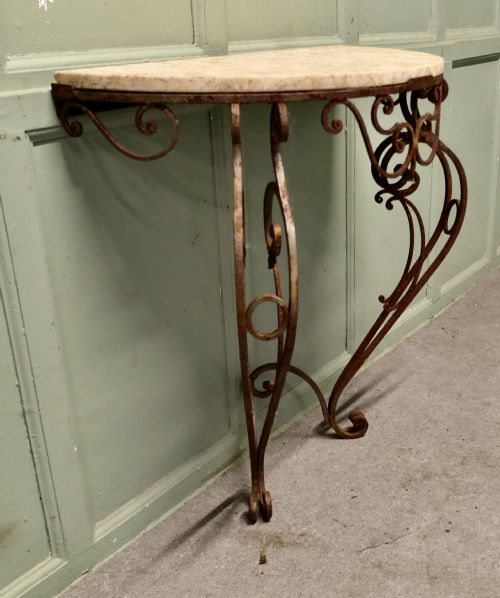
- A table designed to stand against a wall, frequently featuring a marble or wood top supported by an ornate iron frame. These pieces often serve hallway or living room functions.
- Refectory table
- A large dining table originally used in monastic dining halls, constructed here with sturdy wooden tops and robust structural supports.
Iron Work Table: Frequently Asked Questions
How do I clean an iron work table?
Wipe metal frames with a dry or lightly oiled cloth to protect the surface from moisture and preserve the finish. Avoid harsh chemical cleaners that strip the historic patina from the iron.
Treat wooden or marble tops according to their specific material needs, using gentle soap on sealed surfaces. Regular dusting maintains the appearance of the integrated materials without damaging the original texture.
Can I use an iron garden table indoors?
Many garden tables and bistro sets transition successfully into interior spaces such as conservatories, kitchens, or garden rooms. Their robust construction handles daily indoor use while adding industrial character.
Ensure that feet have protective pads if placing metal furniture on delicate indoor flooring. This prevents scratching and protects both the floor and the base of the table.
What is the difference between cast and wrought iron?
Cast iron is poured into a mould while molten, resulting in uniform decorative details and heavy rigid structures. It appears frequently on Victorian garden bases and table legs.
Wrought iron is beaten and shaped by hand while hot, showing subtle irregularities and distinct hammer marks. This technique produces resilient frames designed for heavy labour and structural support.
How do I date an antique iron table?
Examine the construction methods of the joints and fixings, noting whether makers used hand-cut screws, rivets, or modern welding. Hand-forged elements and traditional joinery generally indicate earlier manufacture.
Compare the style of the base and the wear on the wooden or marble top against known period characteristics. Catalogues and archives provide helpful reference points for specific design eras.