


Iron Mounted Wooden Chest
An iron mounted wooden chest is a robust storage piece built for security, bringing centuries of tactile history and rugged utility into a modern room.
Iron Mounted Wooden Chest
When searching for an iron mounted wooden chest, buyers encounter a diverse selection spanning from the sixteenth century through the Victorian era. These sturdy receptacles range from small travelling strong boxes and domed caskets to large country house silver chests and Japanese tansu cabinets.
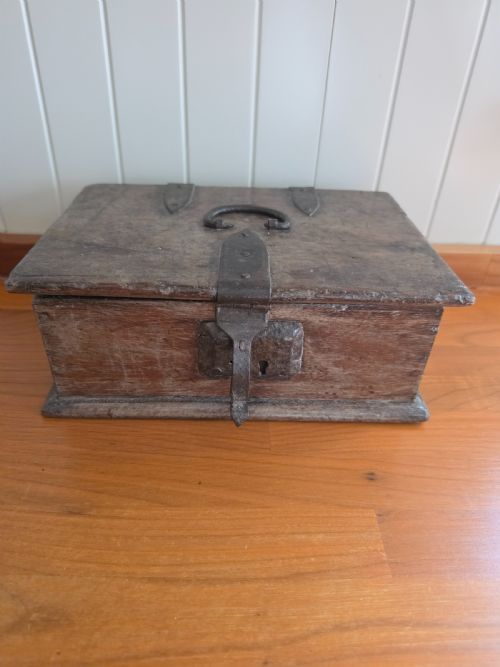
The material origins vary widely across geographic regions, encompassing English oak and pine, continental burr wood, walnut, Spanish chestnut, and Scandinavian painted pine alongside exotic woods like cedar and kiri. Functional forms include bible boxes, deed boxes, and carpenter tool trunks that served distinct storage needs for documents, valuables, and tools.
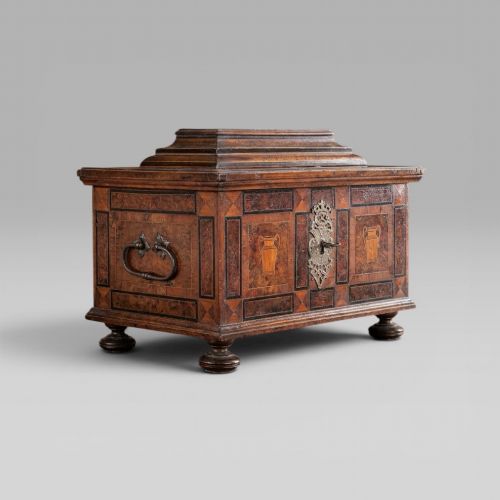
Nineteenth century revivals and folk art traditions sit alongside genuine early pieces from the seventeenth and eighteenth centuries, such as German marquetry coffre forts and Scandinavian strong boxes. The selection balances utilitarian strength with decorative artistry, reflecting the distinct craftsmanship of its origin.
Materials and construction methods
Construction relies heavily on durable timbers such as oak, pine, elm, and walnut, joined to withstand heavy use and secure valuable contents. Woodworkers shaped these sturdy carcasses using traditional joinery suited to the period and regional workshop traditions.
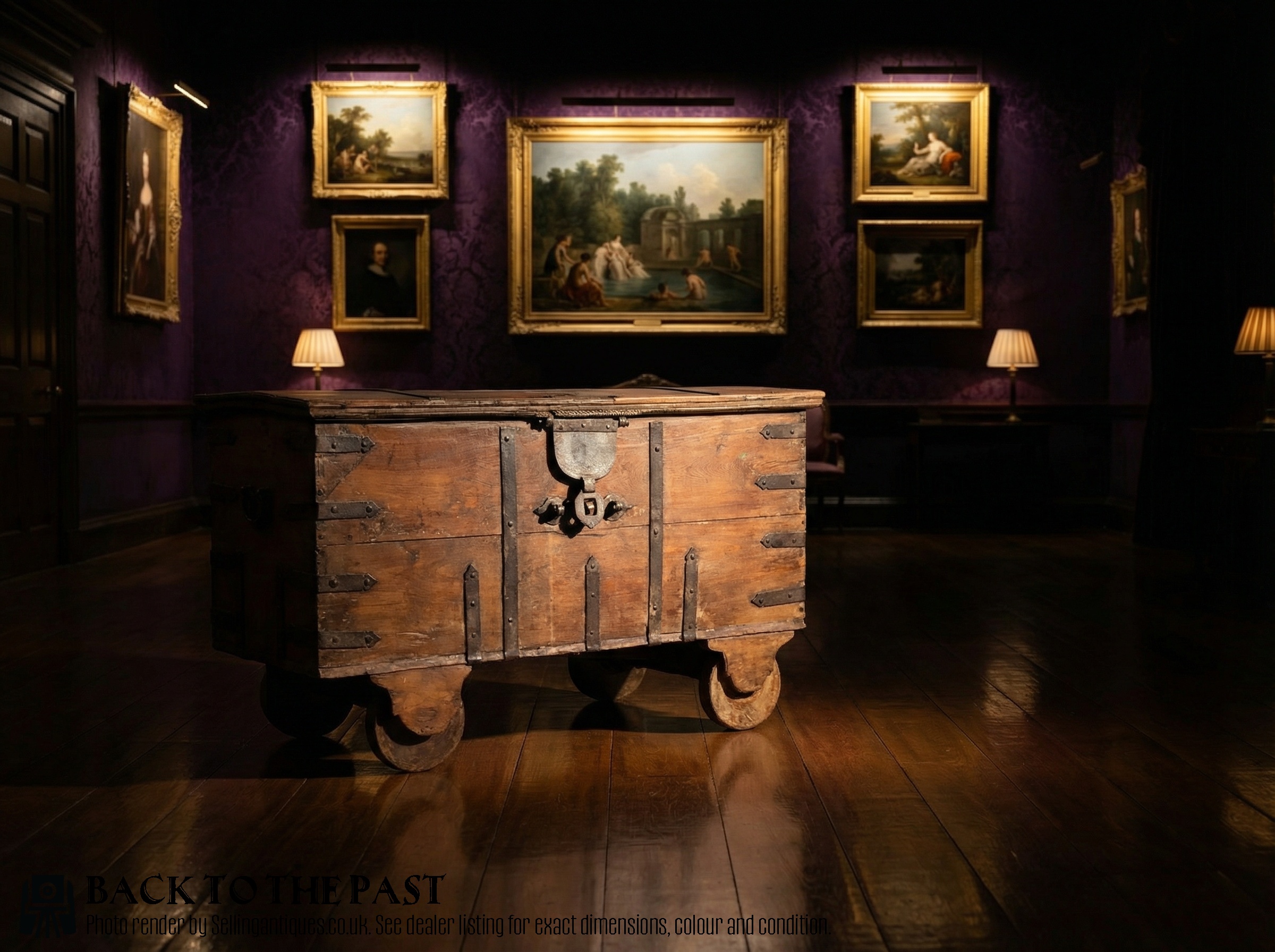
Wrought iron bands, straps, and corner mounts reinforce the wooden bodies, secured with visible hand-beaten rivets or nails that provide structural rigidity. Many examples incorporate intricate iron locking mechanisms and strap hinges designed to protect against forced entry.
Surface treatments vary from natural waxed grain and elaborate marquetry to original hand-applied paint, red lacquer, and Gothic carving. These finishes protect the underlying wood while defining the aesthetic character of each piece.
Listings feature items spanning the 16th to the 19th centuries, incorporating oak, pine, walnut, cedar, and iron.
Assessing quality and authenticity
The integrity of the original iron mounts relative to the wooden body dictates much of the piece's standing, with period-matching straps and functional locks commanding greater interest. Original surface patination, whether aged bare timber, early paint, or historic lacquer, preserves the authentic character of the object.
The sophistication of the joinery and the presence of contemporaneous locking mechanisms reflect the skill of the maker and the intended status of the container. Finer pieces demonstrate careful attention to internal compartmentalisation, dovetailing, and decorative detailing that elevate simple storage into high craft.
The Iron Mounted Wooden Chest Glossary
- Strong box
- A heavily fortified container designed for securing valuables, typically reinforced with extensive iron straps and complex locks.
- Coffre fort
- A continental European strong box, often featuring elaborate ironwork and marquetry inlay.
- Tansu
- A traditional Japanese mobile storage chest built from woods like cedar or kiri, frequently featuring iron hardware.
- Bible box
- A small desk-style box with a slanted or flat lid, historically used to store household religious texts and important documents.
- Casket
- A smaller decorative box or chest, often domed, intended for keeping precious personal items.
Iron Mounted Wooden Chest: Frequently Asked Questions
What were iron mounted chests used for?
These chests served primarily for the secure storage and transport of valuables, currency, silver, and important legal documents. Their robust construction protected contents against theft, fire, and transit damage.
Over time, many transitioned from utilitarian strong rooms into domestic display pieces within country houses and merchant homes, housing family archives or precious textiles.
How do I date an iron mounted chest?
Dating relies on examining the construction techniques of the wooden carcass, the style of the iron mounts, and the nature of the locking mechanism. Hand-forged ironwork, early joinery methods, and original surface treatments help place a piece within specific centuries.
Comparative analysis with dated examples, such as initialled bible boxes or documented period trunks, provides a clearer chronological window for unmarked items.
Where should I place a strong box at home?
These compact or mid-sized chests work exceptionally well as statement coffee tables, side tables, or display surfaces in living areas and hallways. Their sturdy tops accommodate lamps and books while the internal space remains useful for hidden storage.
Keeping them away from direct heat sources and dramatic humidity shifts protects both the historic timber and the iron mounts from degradation.
Are Japanese tansu chests similar to European strong boxes?
Japanese tansu cabinets share a heavy reliance on functional iron hardware, but they focus on modular domestic storage rather than portable security. They utilise woods like cedar and kiri, incorporating drawers and sliding panels designed for Japanese interiors.
While European strong boxes prioritized fortification against theft, tansu prioritized organised household utility and aesthetic harmony.