




Iron Hanging Hall Lantern
An iron hanging hall lantern sets an immediate tone in an entranceway, offering both historic character and functional illumination.
Iron Hanging Hall Lantern
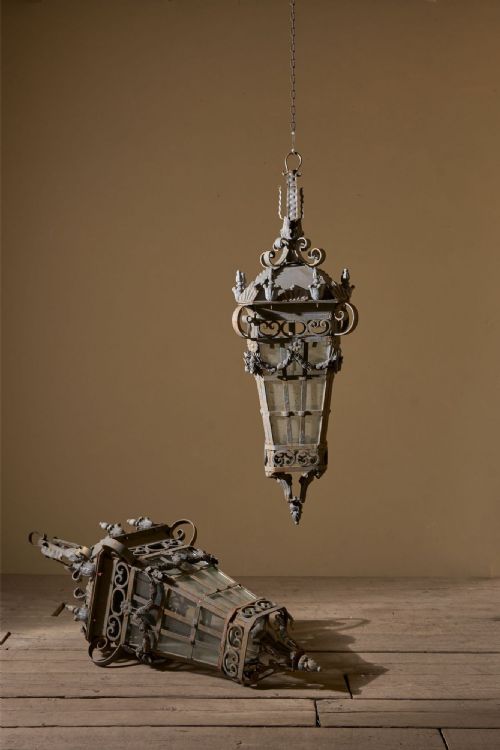
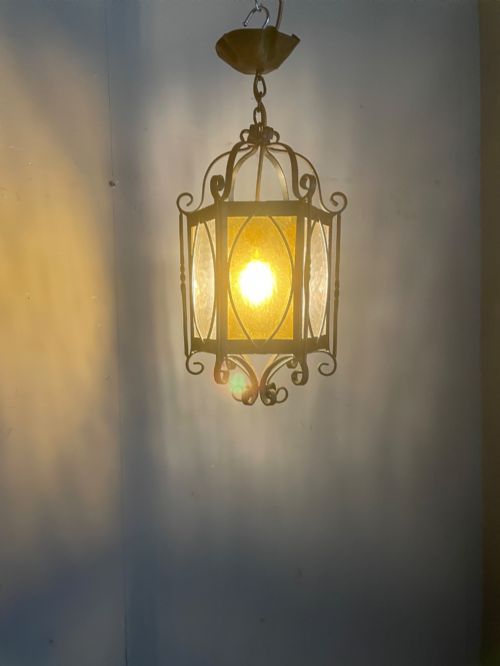
An iron hanging hall lantern provides a distinct architectural presence in an entranceway, bridging utilitarian lighting and decorative arts. These fixtures range from compact single-light pendants to grand multi-light porch fixtures designed for substantial entryways.
The versions most commonly met on this page span the Victorian, Edwardian, and early twentieth-century periods. Stylistic influences vary widely, encompassing Gothic Revival, Arts and Crafts, and French provincial designs.
Makers utilised various regional aesthetics, moving from austere Italian rustic forms to ornate French chateau and Beaux-Arts metalwork. Each surviving piece reflects the domestic lighting requirements of its original period, whether adapted from candles or wired for electricity.
How they were made
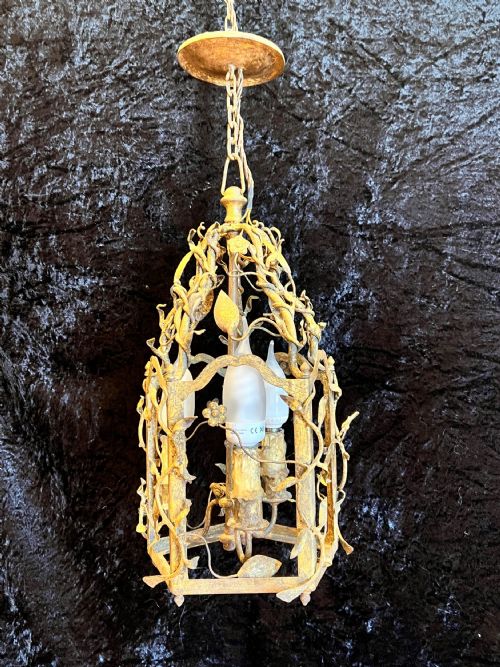
Makers fashioned these lanterns primarily using wrought iron, cast iron, and steel, often combining the metal structure with brass, gilt metal, or zinc elements. Blacksmiths hammered and shaped the iron components by hand, resulting in sturdy frameworks designed to withstand entryway draughts.
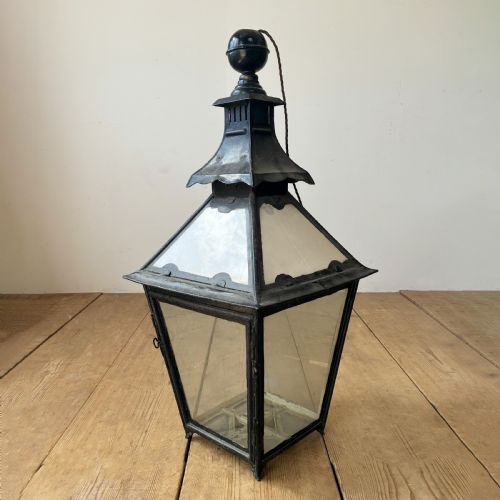
Glazing techniques defined the character of the light emitted, incorporating plain glass, leaded panels, or stained glass. Artisans secured these glass panes within the metal frames using traditional lead cames or metal tabs, creating weather-resistant housings for interior and exterior use.
Listings feature wrought iron, cast metal, and steel structures paired with stained, leaded, or plain glass across multiple periods.
What varies in quality
The refinement of the metalwork distinguishes superior examples from simpler utilitarian pieces. Hand-forged blacksmith details, intricate scrollwork, and balanced proportions elevate an iron hanging hall lantern above standard production models.
The quality of the glazing and associated metal mounts also dictates overall merit. Original stained or leaded glass panels, combined with heavy-gauge brass or gilt metal fittings, indicate a higher grade of manufacture intended for prominent architectural settings.
The Iron Hanging Hall Lantern Glossary
- Wrought iron
- Iron that has been heated and worked with tools by a blacksmith. This material yields a fibrous structure that allows for durable, hand-shaped scrollwork and structural frames.
- Leaded glass
- Glass panes held together within a network of lead cames. This technique permits the creation of geometric or patterned window configurations within the lantern body.
- Gilt metal
- Metal that has received a thin layer of gold leaf or gilding. This treatment adds a contrasting metallic sheen to the darker iron framework.
- Gothic Revival
- An architectural and decorative style drawing inspiration from medieval design. Pieces often feature pointed arches, trefoils, and heavy structural ironwork.
- Arts and Crafts
- A design movement prioritising traditional craftsmanship and simple forms. Lanterns from this tradition highlight visible hand-forging and honest construction methods.
Iron Hanging Hall Lantern: Frequently Asked Questions
Where should an iron hanging hall lantern be hung?
These fixtures suit entrance halls, porches, and high-ceilinged vestibules where their architectural presence can be appreciated. They provide focused downward illumination suitable for transitional spaces.
Ensure adequate ceiling height for hanging models, particularly when positioning them above foot traffic in a hallway or landing.
Were these lanterns originally electrified?
Most surviving examples from the nineteenth and early twentieth centuries were originally configured for candles or oil before later conversion to electricity. Some archive pieces specifically note early candle use within their construction.
Modern wiring is typically installed during restoration to allow safe integration into contemporary domestic lighting circuits.
How do I identify a Victorian iron lantern?
Victorian examples often display heavy cast or wrought iron frames influenced by Gothic Revival or industrial aesthetics. They frequently incorporate decorative motifs such as shamrocks or structural riveted joints typical of the period.
Comparing the patination of the metal and the construction of the glass frames helps separate these nineteenth-century pieces from later reproductions.
Can these lanterns be used outdoors?
Many period pieces, particularly those designated as porch lights, were manufactured for exterior shelter. Their robust iron and zinc construction handles sheltered outdoor environments effectively.
Exposure to prolonged dampness requires inspecting the protective metal finish and ensuring the electrical components meet current safety standards for exterior locations.