



Gothic Hall Lantern Pendant
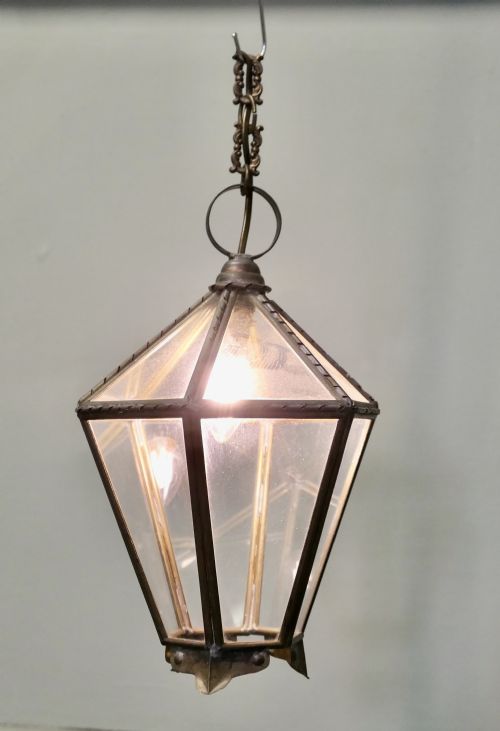
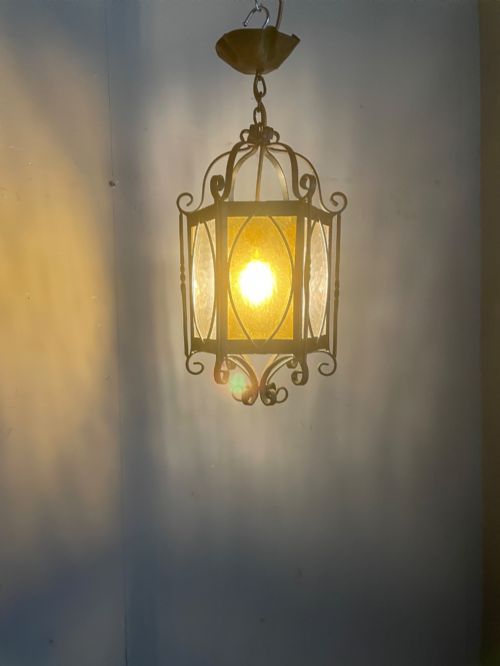
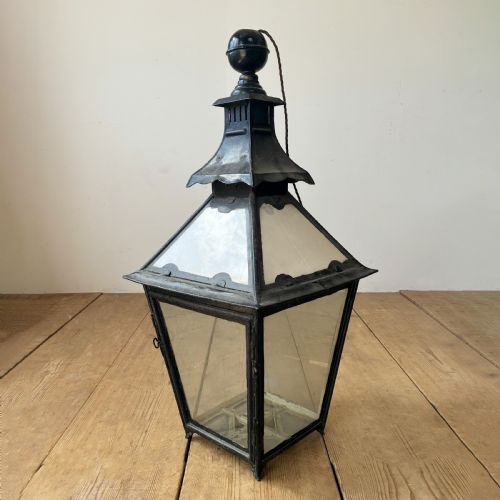
A gothic hall lantern pendant brings commanding architectural presence and diffused illumination to an entranceway or stairwell.
Materials and construction methods
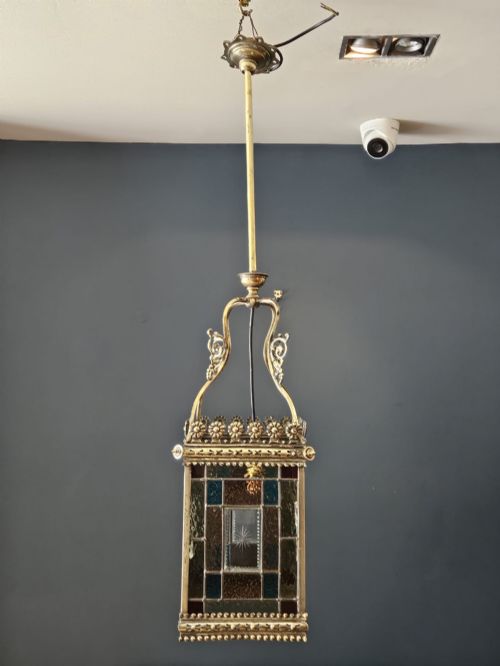
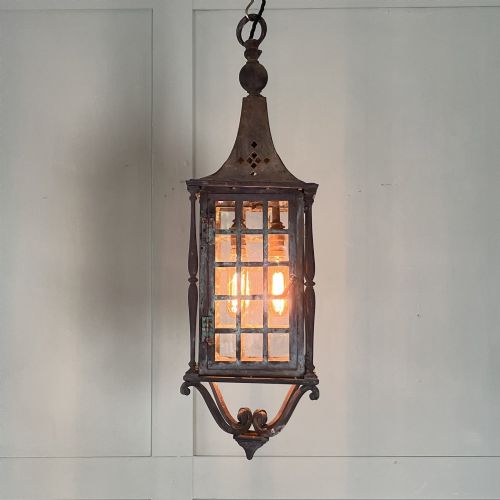
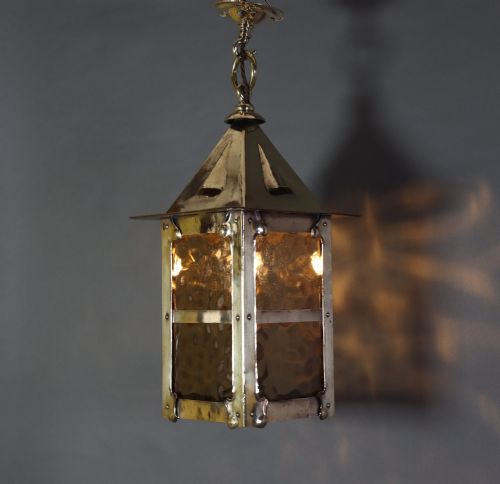
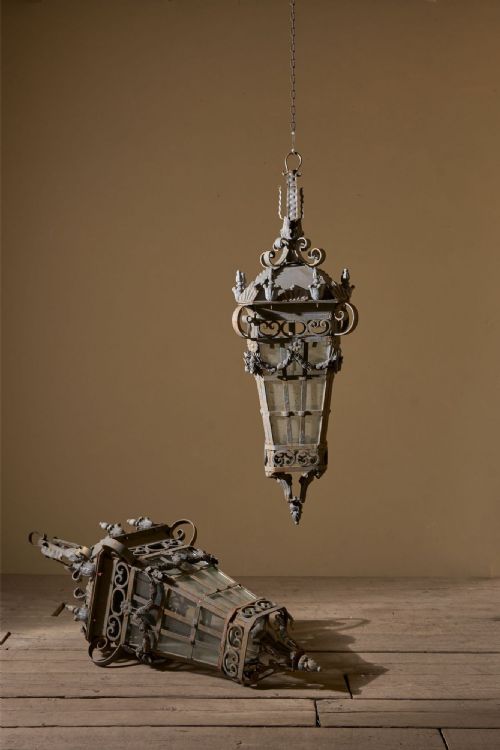
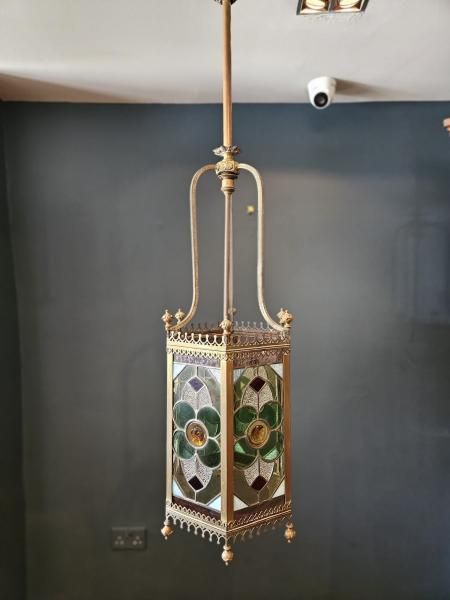
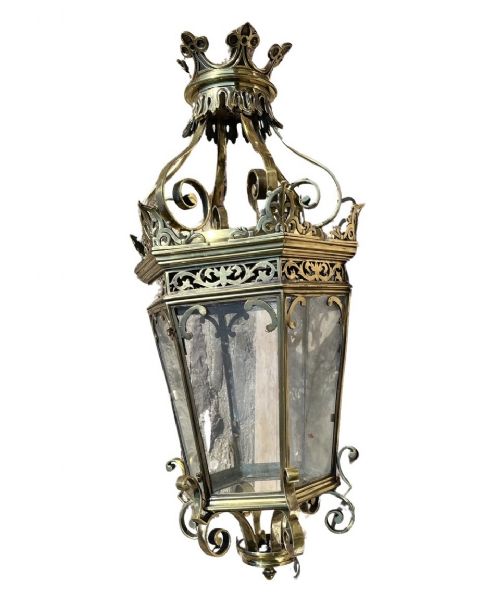
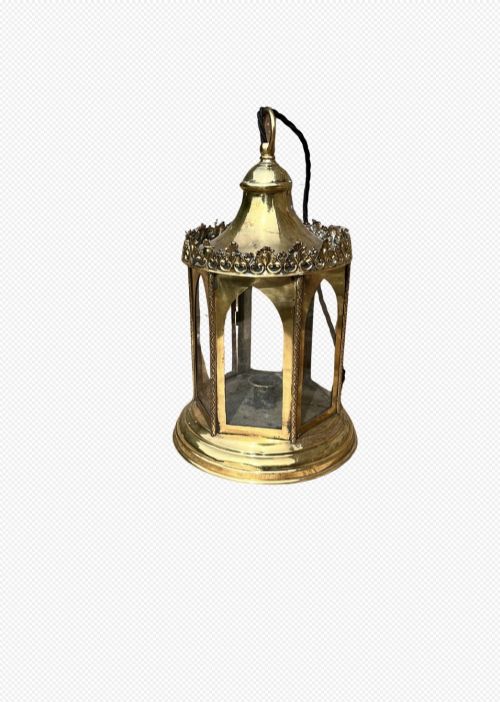
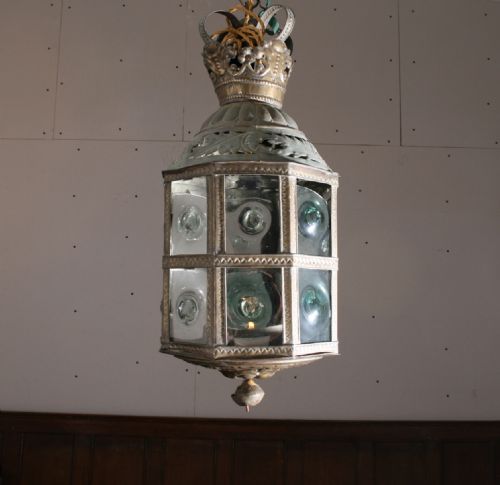
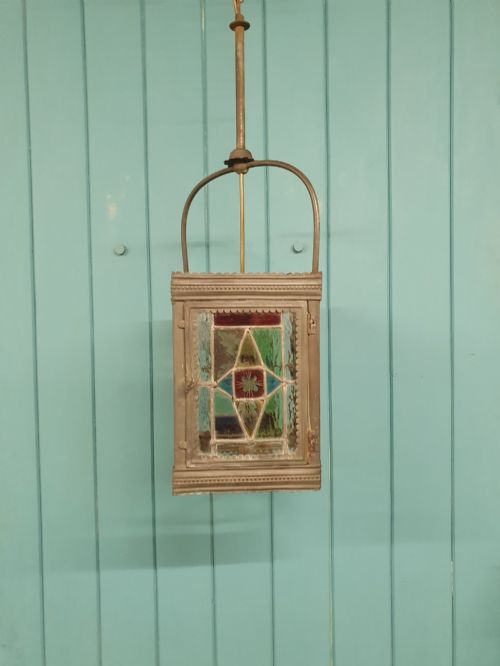
Makers constructed these lanterns using rigid metal skeletons of brass, bronze, wrought iron, steel, or zinc to support panes of glass. Leaded, stained, hand-blown bullseye, and coloured glass panels were soldered or held with glazing bars within the metal framework.
Blacksmiths and metalworkers shaped the iron and brass components through hand forging, casting, and riveting. Details such as decorative hinges, doors for access, and specialised surface finishes required traditional bench metalworking skills.
Indicators of quality and distinction
Quality rests in the substantial gauge of the metalwork and the crispness of architectural details such as tracery, rivets, and hinges. Superior pieces display thoughtful proportions and harmonious integration between the metal frame and the glass panels.
The complexity of the glass work, including hand-blown bullseye panes, coloured sections, and precise leaded came work, separates standard production from finer decorative examples. The integrity of the original construction and the weight of the metal indicate the maker's commitment to durability.
Listings feature brass, wrought iron, and zinc frames combined with leaded, stained, and hand-blown bullseye glass from the Victorian and Edwardian eras.
The Gothic Hall Lantern Pendant Glossary
- Gothic Revival
- An architectural and decorative style drawing inspiration from medieval design, featuring pointed arches and structural verticality. This aesthetic informs the geometry and ornamentation of the lanterns.
- Leaded glass
- Glass panels held together by narrow strips of lead, known as cames, soldered at the joints. This technique allows for geometric or figurative patterns within the lantern walls.
- Arts and Crafts
- A design movement valuing traditional craftsmanship, visible construction, and simple forms over mass-produced ornamentation. Pieces from this tradition often emphasise honest metalwork.
- Bullseye glass
- A round disk or pane of blown glass featuring a distinctive thick centre protrusion where the blowpipe was attached. It distorts light playfully when used in lantern walls.
- Wrought iron
- Iron that has been heated and hammered into shape by a blacksmith rather than cast in a mould. It yields a fibrous texture visible on many hanging frames.
Gothic Hall Lantern Pendant: Frequently Asked Questions
How do I hang a heavy hall lantern?
These lanterns require secure anchorage to ceiling joists using appropriate hooks and chains capable of supporting the combined weight of metal and glass.
Consult a qualified electrician to ensure the ceiling box and wiring can safely bear the fixture.
Were these lanterns originally wired for electricity?
Many surviving examples began as candle or oil-burning fixtures before being converted to electricity during later renovations.
Rewiring allows historic pieces to function safely with modern electrical standards while retaining their period appearance.
Can I use these lanterns outdoors?
Some pieces originated as outside porch lights, while others were made strictly for interior halls.
Check the specific metal type and sealing of each lantern before exposing it to weather elements.
How do I clean stained and leaded glass?
Wipe the glass panels gently with a soft cloth and mild soap solution, avoiding harsh abrasives that might damage lead cames.
Dry the metal framing thoroughly after cleaning to protect the original finish.