

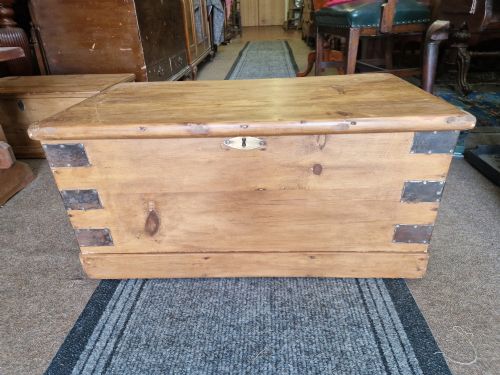

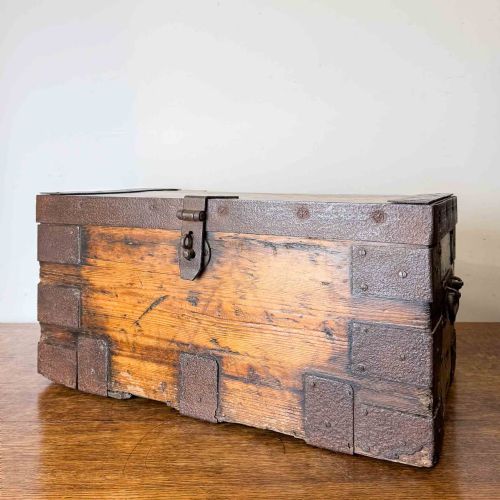

Iron Bound Coffer
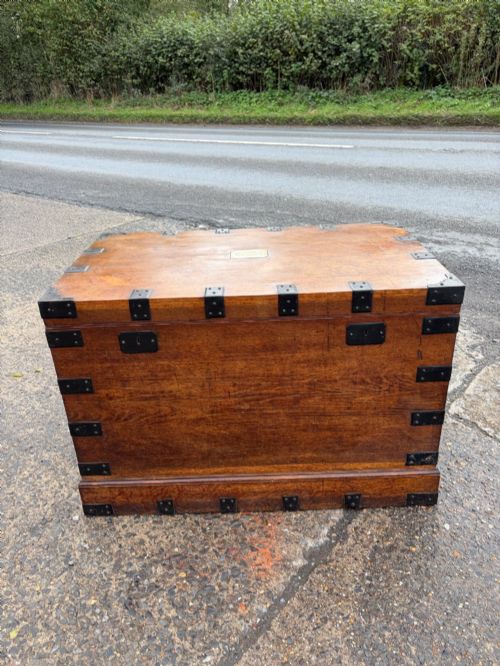
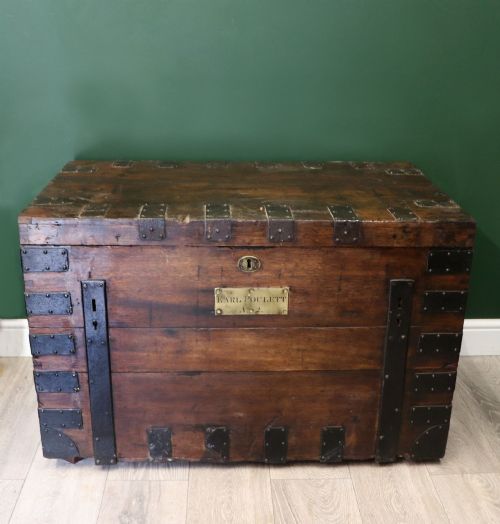
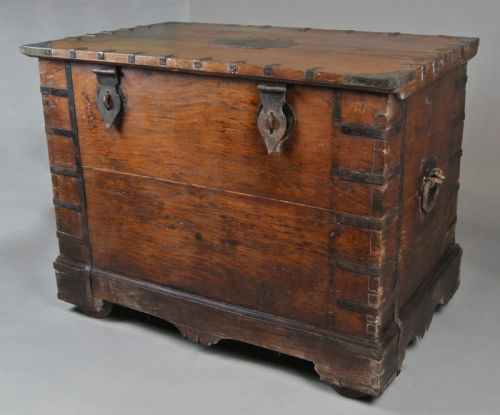
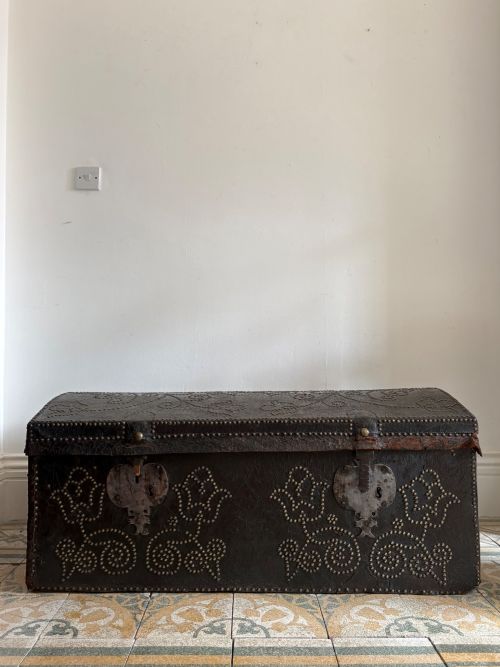
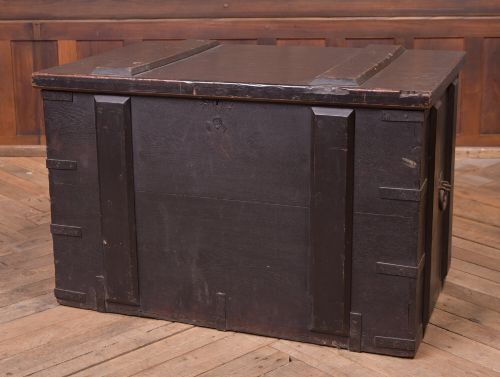
An iron bound coffer brings solid security and rugged character into a room through centuries of heavy metal strapwork and stout timber construction.

Iron Bound Coffer
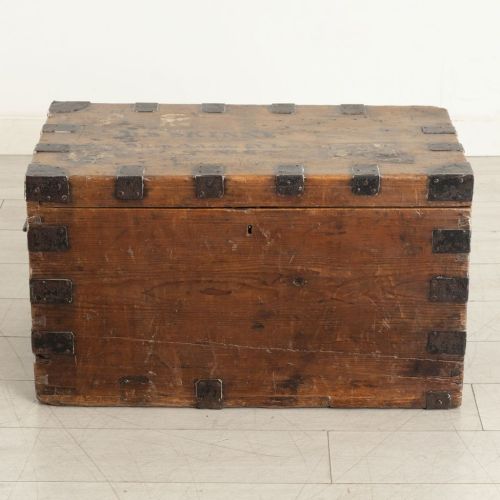
An iron bound coffer is a heavy storage chest reinforced with metal strapwork, corners, and straps designed for secure transport and safe keeping of valuables. Collectors find these pieces crossing domestic, military, and maritime uses from multiple centuries.
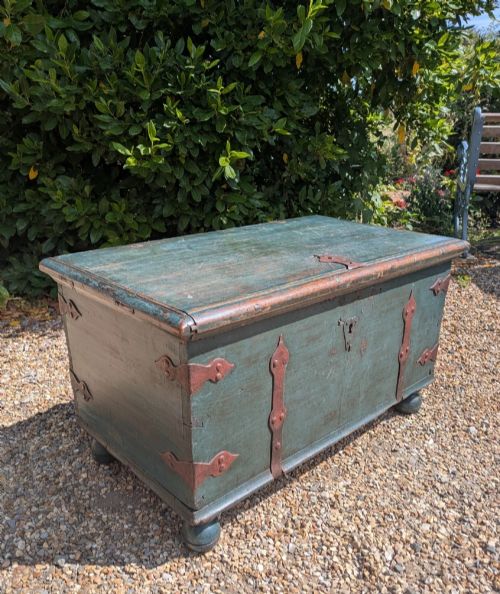
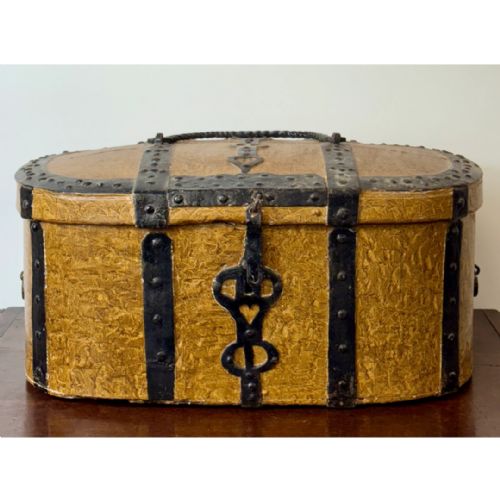
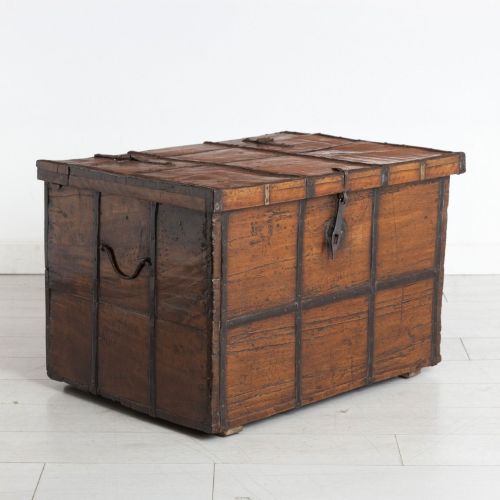
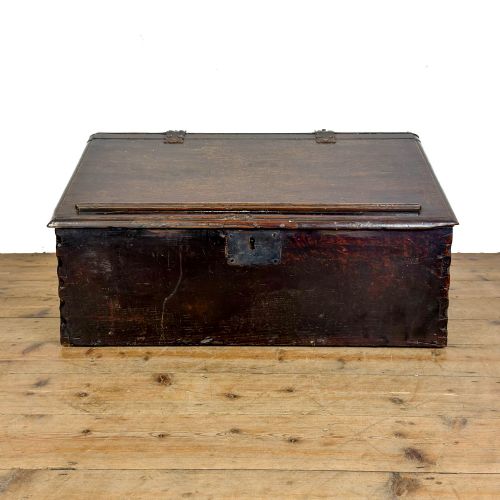
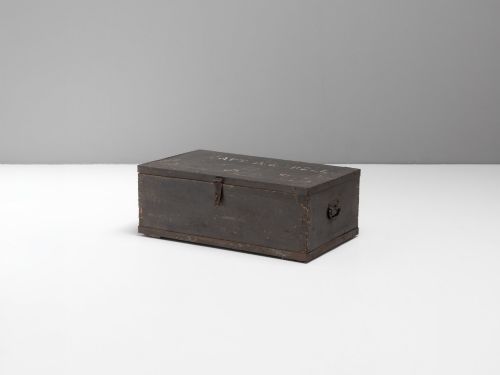
The selections available here range from early oak travelling strong boxes and seventeenth-century safe boxes to nineteenth-century teak campaign chests and painted Scandinavian pine marriage trunks. Many pieces utilise durable softwoods and hardwoods like pine, oak, and teak.
Domestic examples often double as blanket boxes or dowry chests, while travel trunks and campaign chests catered to officers on the move. The enduring appeal lies in the straightforward utility combined with blacksmith-forged ironwork.

How they were made
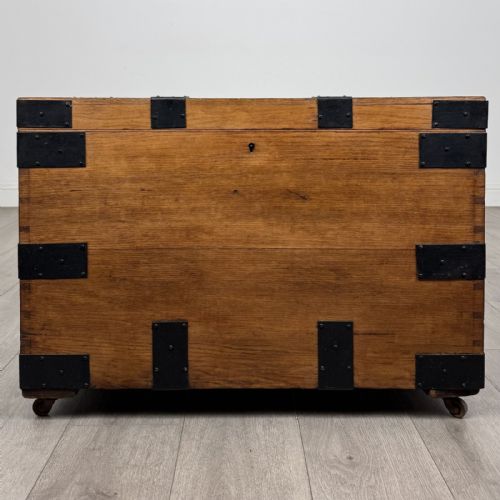
Carpenters joined thick timbers using dovetail joints, sturdy pegs, or iron nails to form the primary carcass of the box. Woods like oak, pine, and teak provided the structural strength needed to withstand heavy loading and transit.
Blacksmiths shaped straps, hasps, and corner brackets by hand, securing them across the timber panels with iron rivets or bolts. Complex internal steel locks and heavy carrying handles completed the construction, ensuring protection against forced entry.
Iron Bound Coffer Retail Price Guide 2026
Typical asking prices for iron bound coffer among the pieces listed under this phrase on Sellingantiques today, from the lower quarter to the upper quarter. They describe what is for sale here now, not the wider market.
Geographic origins represented in the selection include Swedish folk art, Dutch, Anglo-Indian, and British provincial workshops.
What varies in quality
The refinement of the blacksmith's strapwork and the complexity of the locking mechanism set exceptional pieces apart from standard utility trunks. Hand-forged strapwork with decorative shaping signals superior craftsmanship compared to plain flat iron bands.
The integrity of the original timber and the survival of painted surfaces or maker details influence the standing of a coffer. Pieces retaining original locks, keys, and untouched surfaces command greater interest from discerning collectors.
The Iron Bound Coffer Glossary
- Strapwork
- Flat bands of iron riveted across the exterior of a chest to reinforce the wooden joints and panels. These metal bands often feature decorative terminal ends shaped by the blacksmith.
- Campaign chest
- A portable set of drawers or a trunk constructed in sections for military officers on the move. They typically feature brass or iron corner brackets and recessed carrying handles.
- Strong box
- A compact, highly secure chest designed for storing money, deeds, or precious items. They frequently include complex internal locking mechanisms and heavy iron reinforcement.
- Dowry chest
- A large storage box created to hold household linens and possessions for a bride upon marriage. These pieces often display regional folk art painting or intricate carving.
- Dome top
- A rounded lid profile designed to shed water during travel and provide extra interior headroom. This shape appears on seventeenth and eighteenth-century travelling trunks.
Iron Bound Coffer: Frequently Asked Questions
How do I date an iron bound coffer?
Dating relies upon examining the construction methods of the timber carcass and the style of the ironwork. Early pieces from the sixteenth and seventeenth centuries typically feature pegged oak construction and hand-forged strapwork.
Later nineteenth-century examples often utilise pine or teak with machine-rolled iron straps and standardised hinges. Associated locks and any surviving maker signatures also help narrow the period.
How should I care for an antique wooden chest?
Protect the timber by keeping the piece away from direct heat sources and sudden humidity changes that cause wood to split. A light application of appropriate wax maintains the finish without harming older surfaces.
Handle iron components gently and avoid abrasive cleaners on painted folk art or patinated metal strapwork.
Are these trunks suitable for daily storage?
Sturdy construction makes these chests well-suited for everyday storage of blankets, heavy items, or household objects. Their robust internal space provides practical utility alongside historical character.
Ensure that interior surfaces are clean and dry before storing textiles to prevent any transfer of moisture or old finishes.