
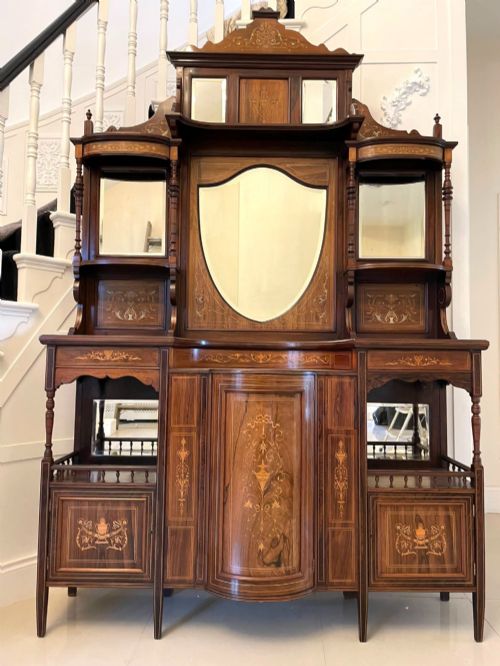
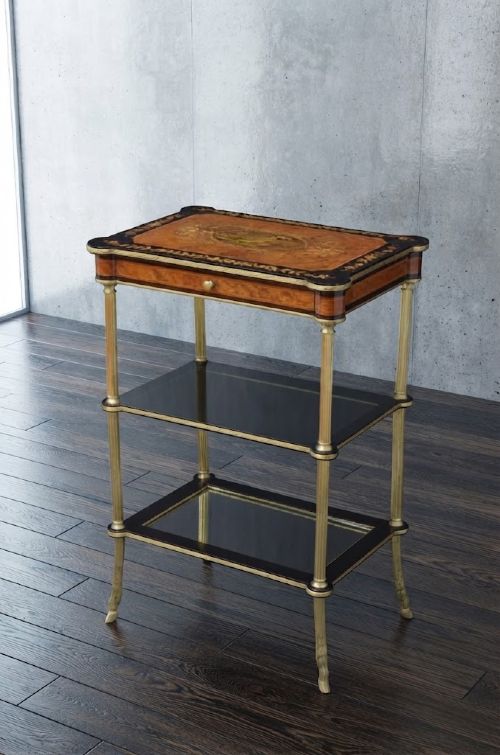
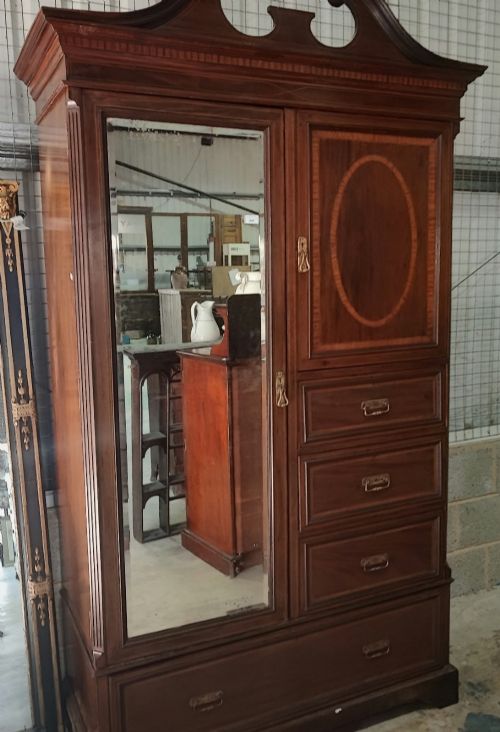
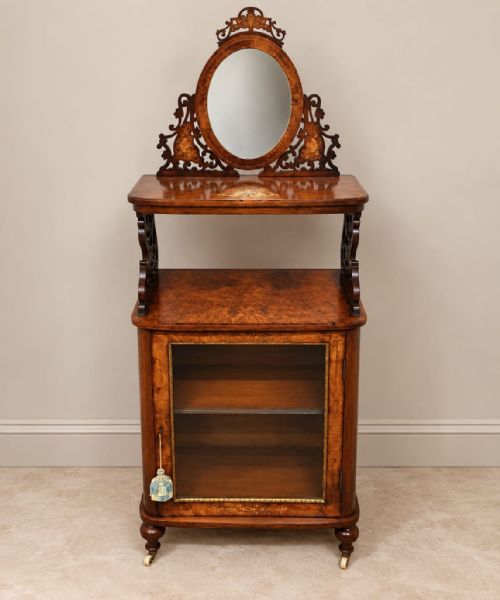
Inlay Wooden Mirror
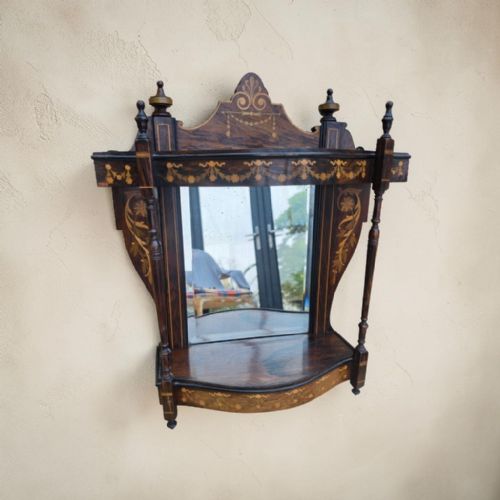
An inlay wooden mirror brings warmth and intricate geometric or floral patterns into a room, combining practical glass with meticulous craftsmanship.
Inlay Wooden Mirror
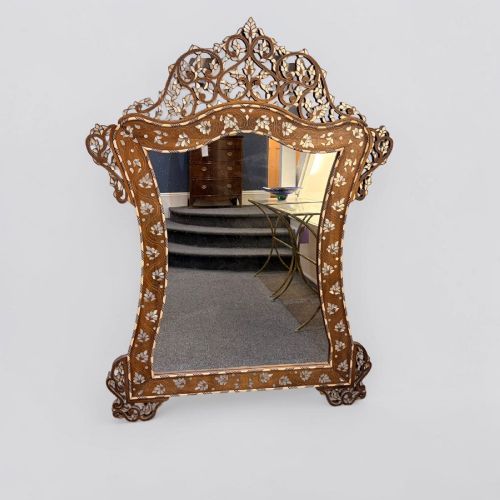
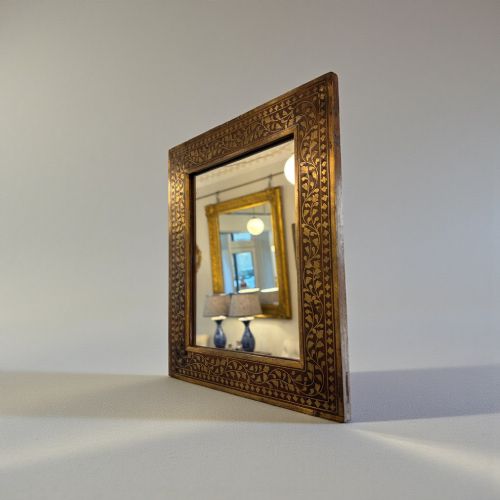
When you search for an inlay wooden mirror, you encounter pieces spanning the nineteenth and early twentieth centuries, including Victorian, Edwardian, and regional styles such as Syrian, Levantine, and Kashmiri production.
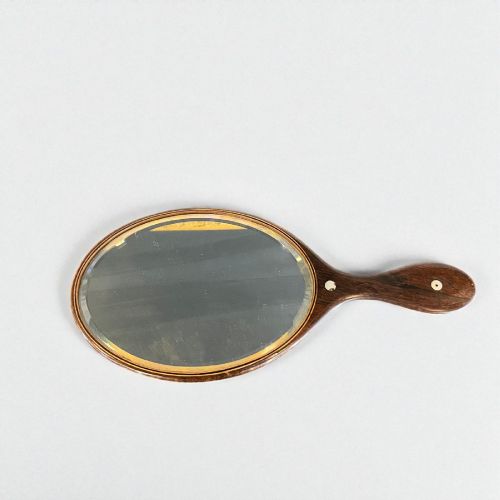
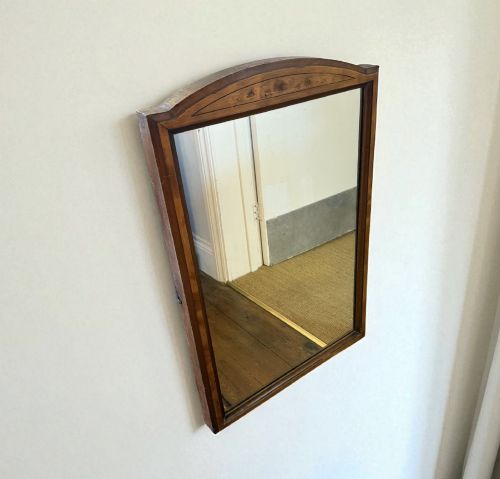
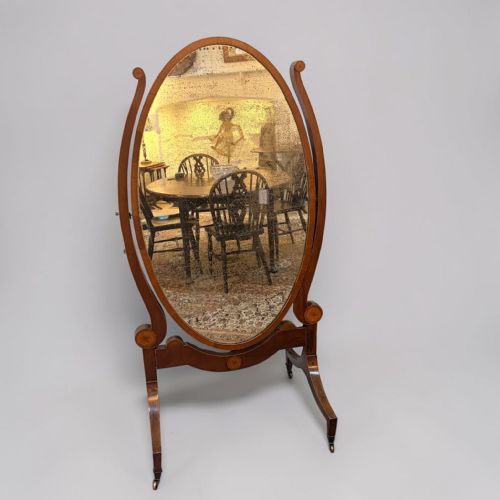
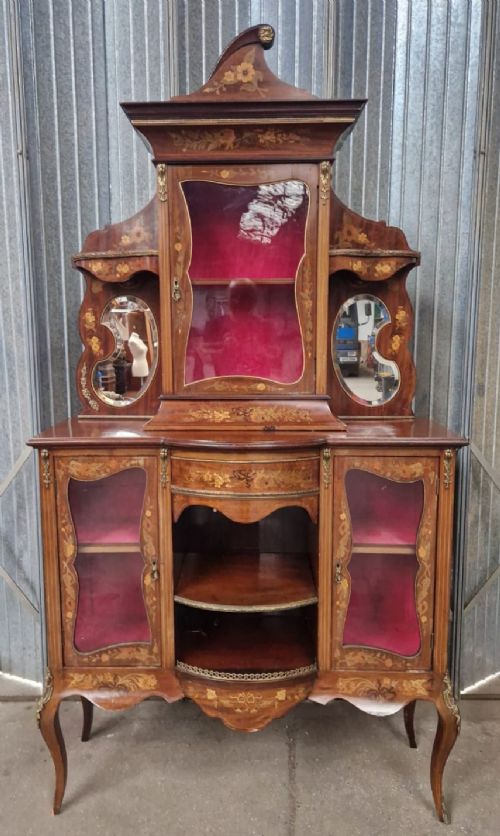
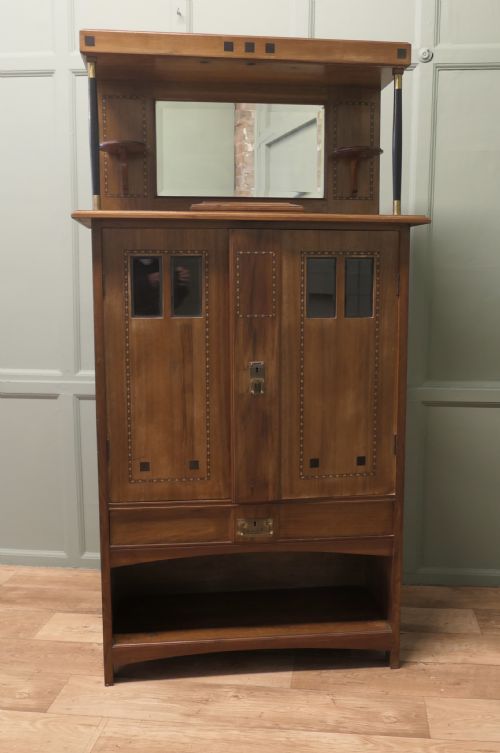
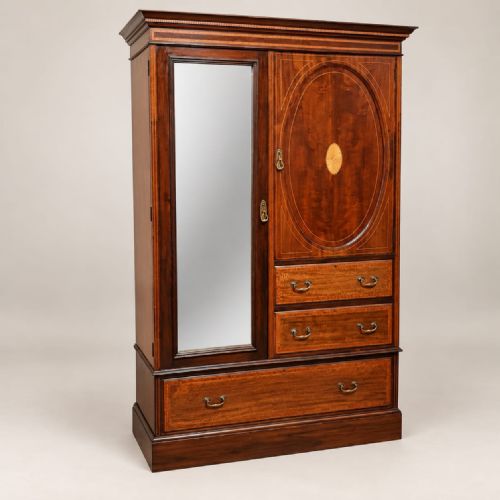
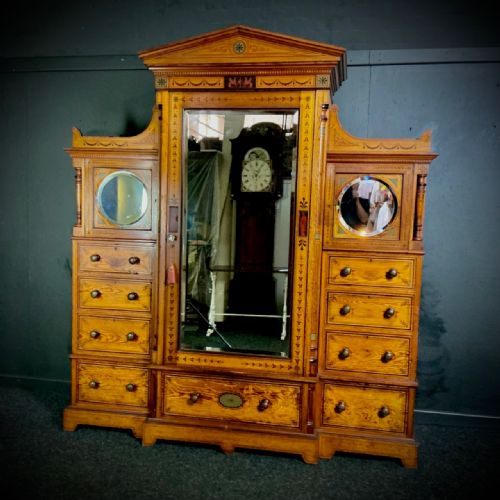
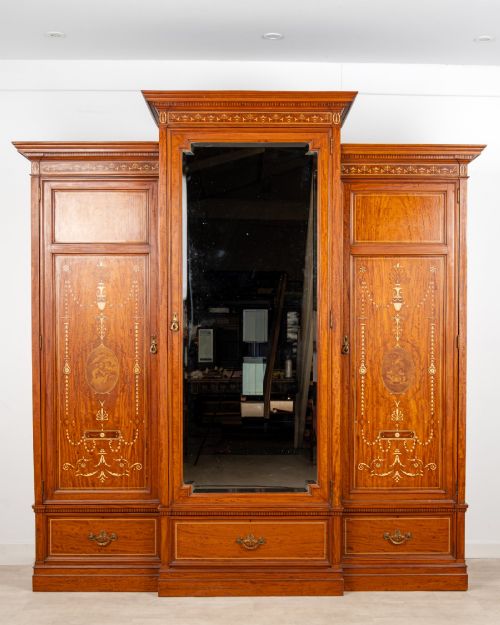
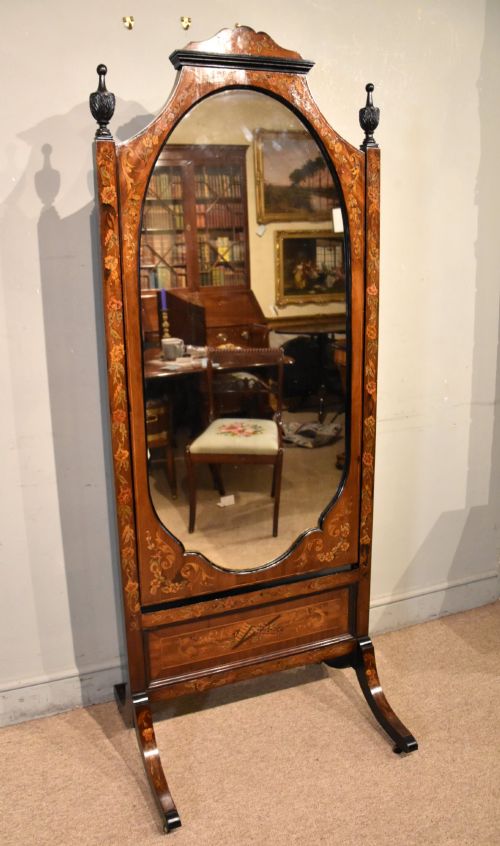
The objects take many forms, from simple wall-hanging frames and oval dressing mirrors to large overmantels, Cheval mirrors, and mirrors incorporated into larger furniture like side cabinets and wardrobes.
You are most likely to meet mahogany, walnut, or rosewood frames embellished with contrasting woods, brass, mother-of-pearl, or bone, reflecting diverse European and international cabinet-making traditions.
Materials and Construction
Cabinet-makers built the foundational frames using solid woods or veneers of mahogany, walnut, rosewood, and satinwood, supporting bevelled or flat mirror glass.
Decoration relied on precision wood inlay, marquetry, and contrasting insertions of ivory, bone, and nacre-shell, often paired with brass wire or turned wooden elements.
Regional workshops utilised local timbers such as shisham or fruitwood combined with intricate carving and mashrabiya lattice panels to secure the decorative inserts.
Some Syrian frames carry tiny fragments of bone and shell arranged so densely that the original walnut wood is barely visible underneath.
Standards of Execution
Quality rests in the precision of the joinery and the tightness of the fitted inlay work, where superior examples display seamless junctions between differing materials without visible gaps or excessive filler.
The depth and clarity of the carving or marquetry design separate standard production from finer workshop pieces, alongside the quality of the underlying timber selection, such as burr walnut or figured mahogany.
Originality of the mirror glass and the retention of delicate secondary elements like shelves, brass fittings, and backboards heavily influence the integrity of the piece.
Edwards and Roberts·Wylie Lochhead·Gillows
The Inlay Wooden Mirror Glossary
- Marquetry
- A decorative technique applying pieces of veneer to a structure to form ornamental designs and pictures. It differs from simple inlay by covering the entire surface.
- Overmantel
- A large mirror designed to hang on the wall directly above a fireplace mantelpiece. These often feature extended horizontal proportions.
- Cheval mirror
- A full-length freestanding mirror suspended in a swivelling frame between two upright posts. The name derives from the French word for horse.
- Nacre-shell
- Mother-of-pearl harvested from the inner layer of mollusc shells, used extensively for shimmering decorative inlays in Levantine and Asian furniture.
- Mashrabiya
- An architectural element of projecting oriel windows enclosed with carved wood lattice-work panels, often incorporated into Levantine and Syrian frames.
Inlay Wooden Mirror: Frequently Asked Questions
How do I date an inlay wooden mirror?
Dating relies on identifying timber choices, construction techniques, and stylistic markers such as Victorian proportions or Edwardian satinwood finishes. Secondary elements like backing boards and fixings also provide clues to the period.
Examining the bevel of the mirror glass and the type of saw marks on the timber helps confirm whether a piece belongs to the nineteenth or early twentieth century.
Where should I hang a wall mirror?
These mirrors suit hallways, living rooms, and bedrooms, often positioned above sideboards, mantelpieces, or dressing tables to reflect light and expand the visual space.
Ensure the wall fixings match the weight of the timber frame, particularly for larger overmantel or multi-panel pieces incorporating dense hardwoods.
How do I clean the wooden frame?
Dust the frame regularly with a soft, dry cloth and apply occasional coats of appropriate furniture wax to nourish the timber and protect the inlay work.
Avoid using liquid cleaners or abrasive sprays near the inlaid sections, as moisture can loosen delicate bone, shell, or brass elements.
What is the difference between inlay and marquetry?
Inlay involves inserting contrasting materials into recesses carved directly into a solid wooden surface. Marquetry assembles a patterned veneer sheet first before applying it entirely to the carcase.
Both techniques appear frequently across nineteenth-century furniture and mirror frames, often combined for decorative effect.