
Inlay Wooden Chest
An inlay wooden chest brings together centuries of cabinet-making skill, offering practical storage alongside intricate surface patterns.
Inlay Wooden Chest
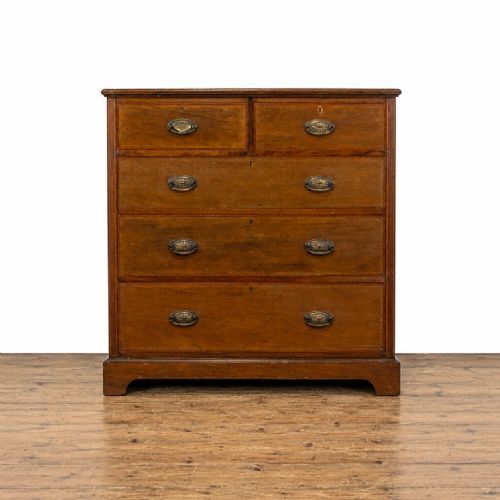
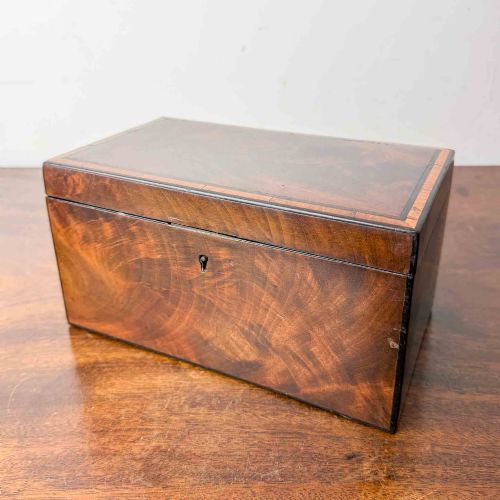
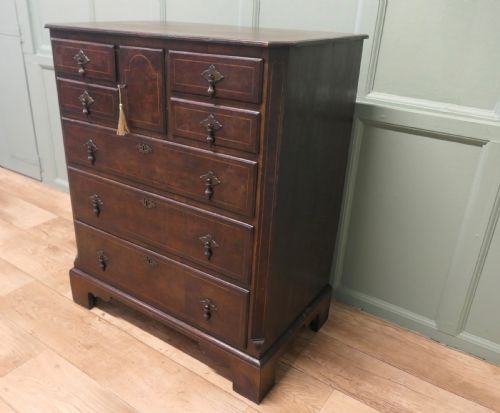
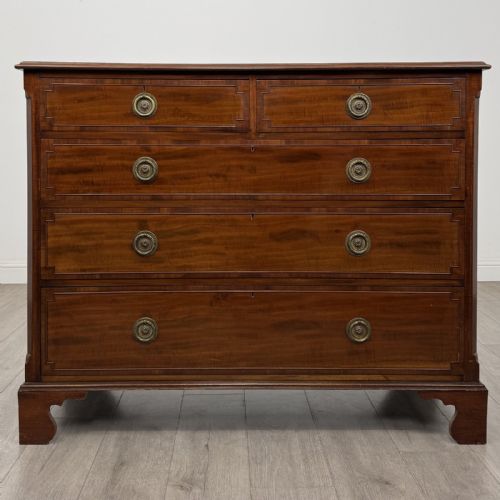
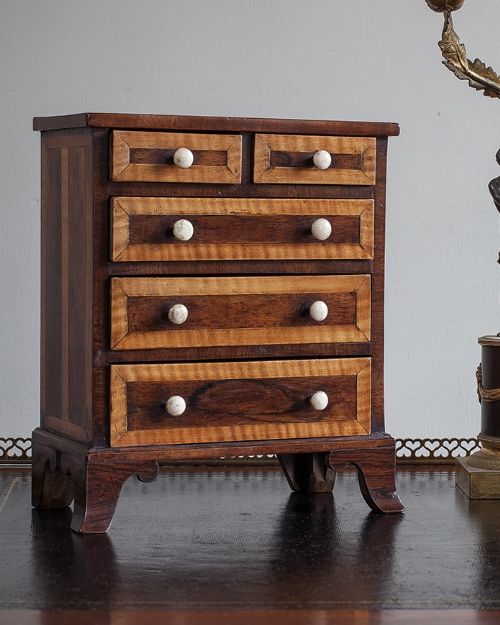
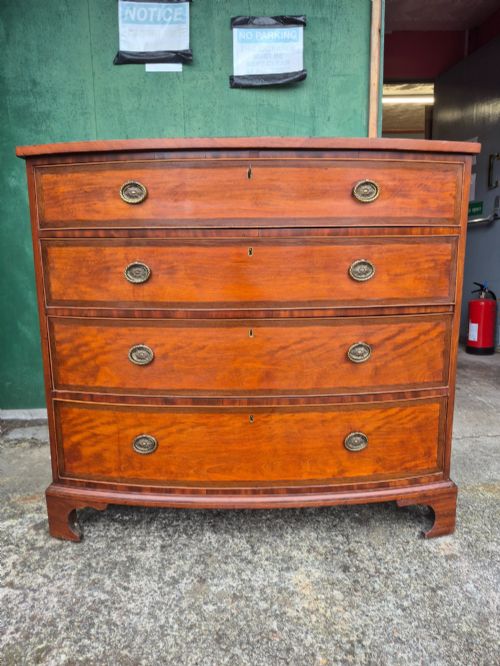
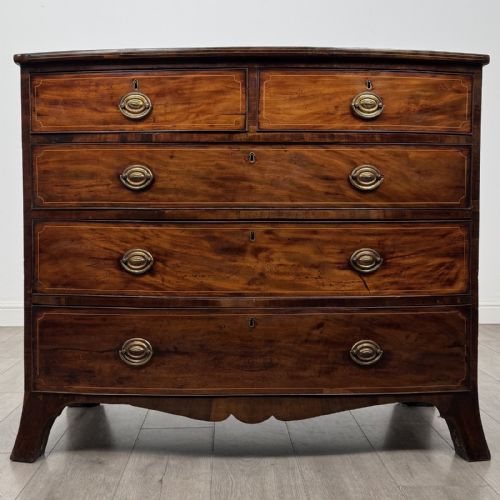
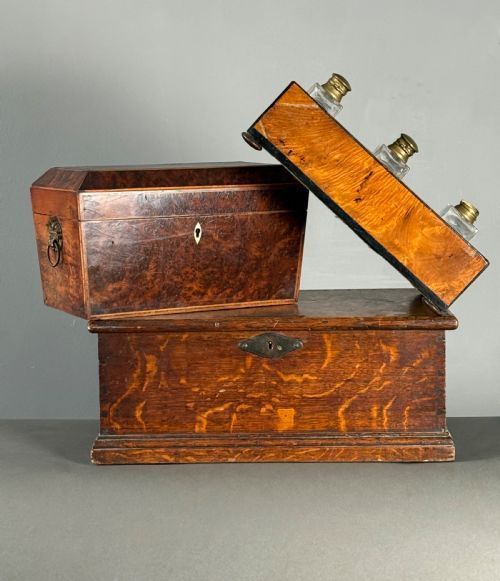
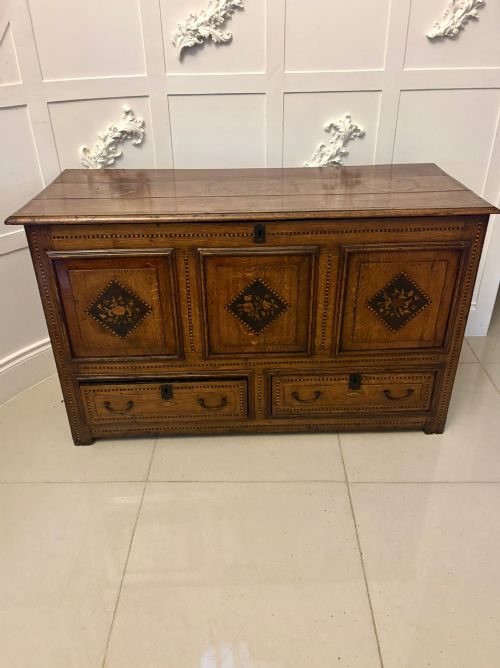
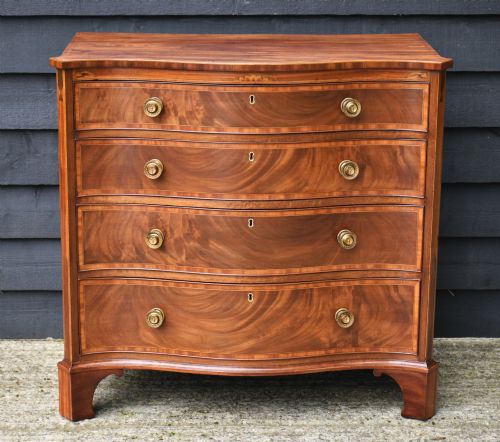
An inlay wooden chest encompasses a broad range of forms, from large oak coffers and mahogany chests of drawers down to smaller tea caddies, game boxes and miniature commodes. When searching for an inlay wooden chest, buyers encounter items spanning from the seventeenth century through the Georgian, Victorian and Edwardian periods.
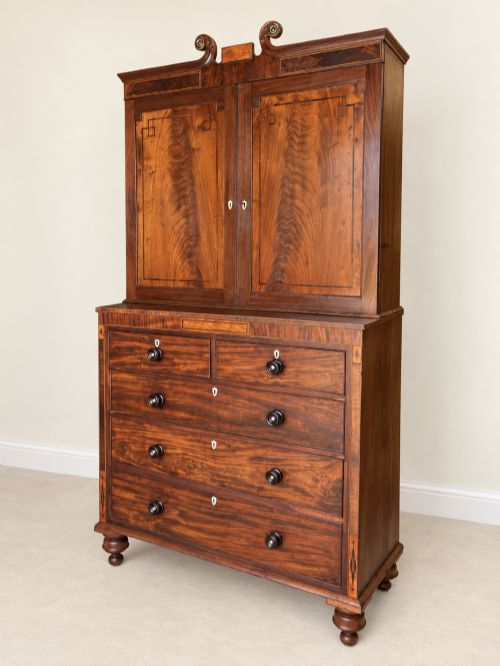
The material palette varies considerably across these periods, utilising native timbers like oak and walnut alongside imported hardwoods such as mahogany, rosewood and satinwood. Alongside standard drawer chests and blanket trunks, the selection includes specialised pieces like tea caddies, linen presses and bedside tables.
Origins stretch from English workshops to Continental centres in France, Italy and the Netherlands, as well as farther afield to Middle Eastern and Anglo-Indian makers. Each piece demonstrates how different regions applied decorative wood, brass, bone and mother-of-pearl to storage vessels.
Materials and Technique
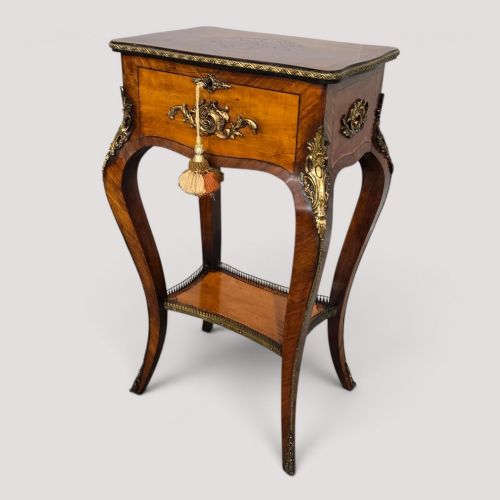
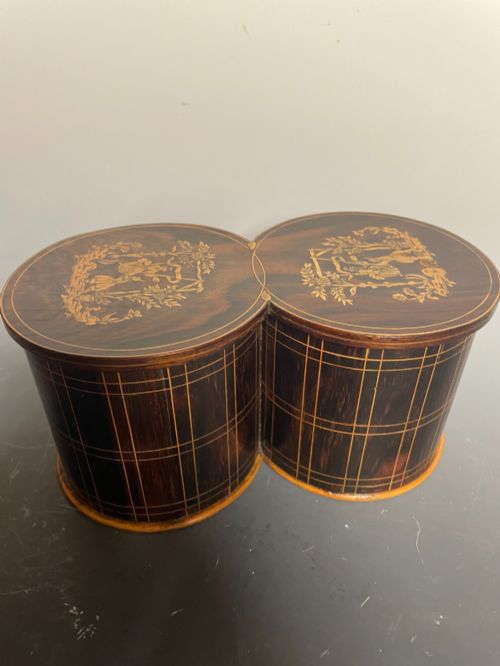
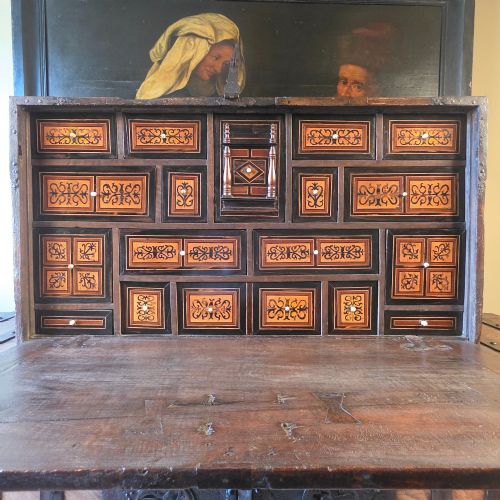
Cabinet-makers built the primary carcase of these chests from sturdy structural timbers such as oak, mahogany or walnut, providing a stable foundation for decorative treatment. Surfaces were then embellished using marquetry, parquetry or Tunbridge ware techniques, embedding contrasting woods, boxwood, bone and mother-of-pearl into precise recesses.
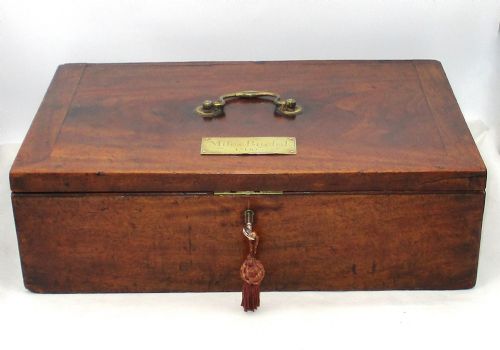
Inlay work required careful hand-cutting of different timber species to fit flush with the background wood, often secured with animal glues and finished with natural oils or waxes. Metal elements like brass handles, escutcheons and campaign mounts frequently reinforced corners and structural joints.
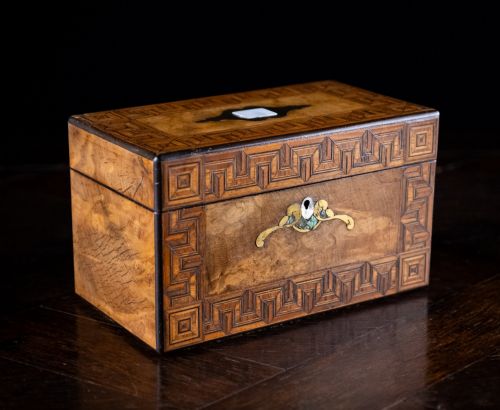
Several tea caddies conceal tiny compartments specifically designed for locking away precious tea leaves from thieving household servants.
Judging Quality
The standard of an inlay wooden chest rests on the precision of the surface decoration and the integrity of the timber construction. Superior examples display tight, seamless joins in the inlaid motifs without visible gaps or excessive filler, alongside well-figured primary woods like burr walnut or flame mahogany.
Construction methods also dictate worth, distinguishing pieces with hand-cut dovetails and original hardware from later alterations or replacements. The complexity and variety of the materials employed - such as combined Tunbridge ware or multi-coloured marquetry - further separate standard utilitarian items from masterworks.
Henry Hollamby·Heals
The Inlay Wooden Chest Glossary
- Marquetry
- A decorative technique where pieces of veneer are assembled to form pictorial or geometric patterns on a wooden surface. This method creates the elaborate floral or architectural scenes seen on many period commodes and coffers.
- Parquetry
- Geometric mosaic woodwork used to create repeating patterns like cubes or squares on table tops and chest facades. It relies on precise angular cutting of contrasting timber veneers.
- Tunbridge Ware
- A distinct form of woodworking originating from Kent, featuring tiny mosaic tiles made from different natural wood colours to picture landscapes or geometric designs. These minute wooden pixels decorate many nineteenth-century tea caddies and small boxes.
- Coffer
- A heavy wooden chest, often dating from earlier centuries, traditionally used for storing valuables or textiles. They frequently exhibit robust oak construction with carved or inlaid panels.
- Linen Press
- A tall piece of furniture featuring upper sliding trays or shelves enclosed by doors, positioned above a chest of drawers base. They were designed specifically to store household linens flat.
Inlay Wooden Chest: Frequently Asked Questions
How do I date an inlaid chest?
Dating relies on examining the construction methods, such as hand-cut dovetails on drawers, alongside the prevailing style of the inlay and the choice of secondary timbers. Regional characteristics and hardware types also offer reliable clues to the decade of manufacture.
Earlier pieces from the seventeenth and eighteenth centuries often utilise solid oak or walnut carcases with heavy timber boards, whereas nineteenth-century versions frequently employ veneered mahogany or satinwood over softer pine bases.
How should I care for antique inlaid wood?
Maintaining these pieces requires keeping them away from direct sunlight, extreme temperature fluctuations and high humidity, which can cause veneers to lift or timber to split. Gentle dusting with a dry, soft cloth is usually sufficient.
Occasional application of appropriate microcrystalline wax helps nourish the wood and protect the delicate inlay without building up harmful residues or softening traditional animal glues.
What is the difference between a coffer and a chest?
A coffer typically refers to a heavy, box-like storage vessel from earlier periods, often constructed with thick oak planks and designed primarily for heavy domestic storage or travel. They frequently feature hinged lids and robust framing.
Chest of drawers incorporate multiple sliding compartments rather than a single top-opening lid, evolving during the late seventeenth century to provide more organised clothing storage for domestic interiors.