
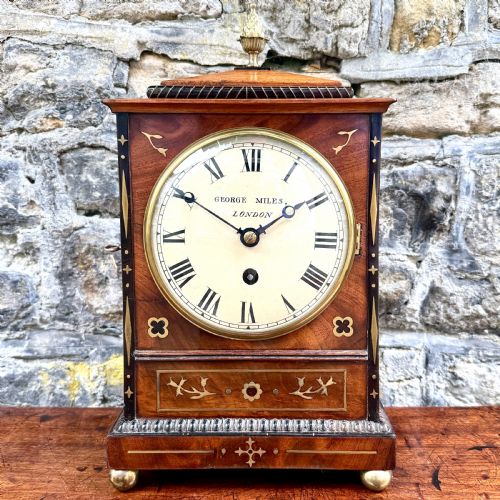
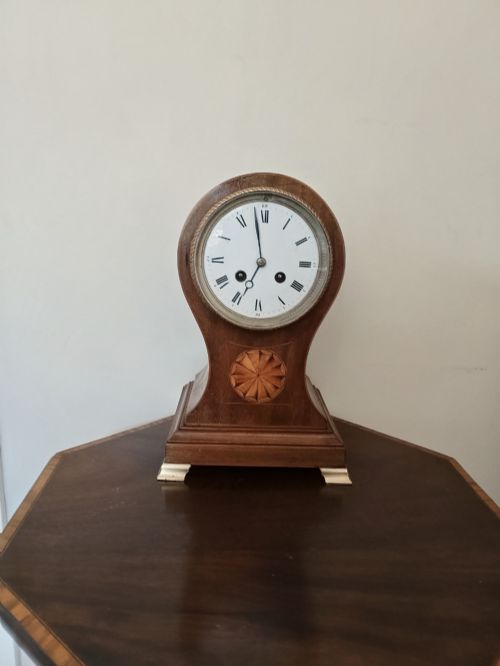
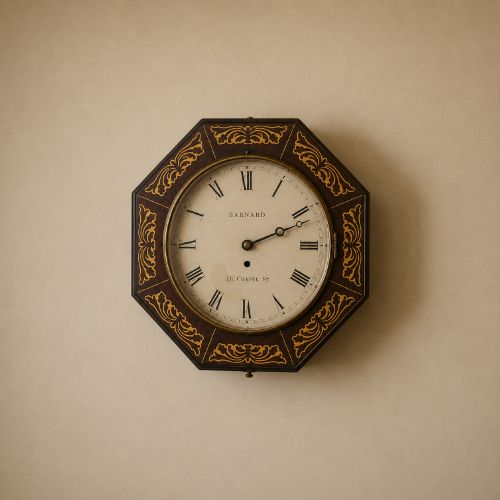
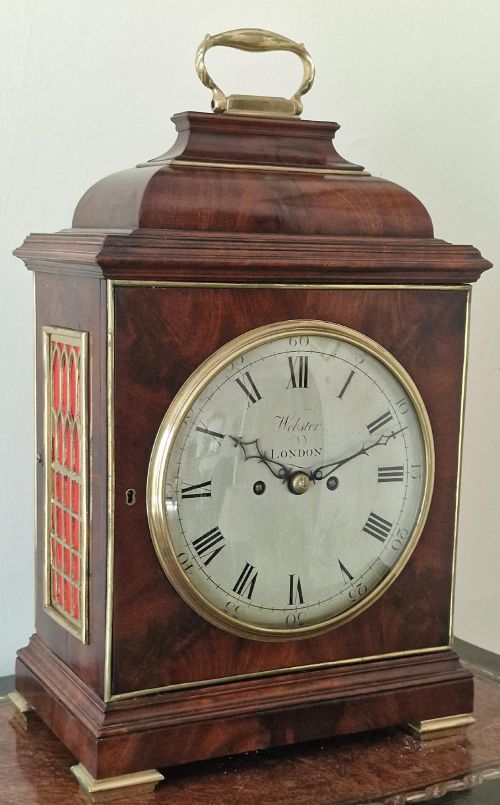
Inlay Mahogany Clock
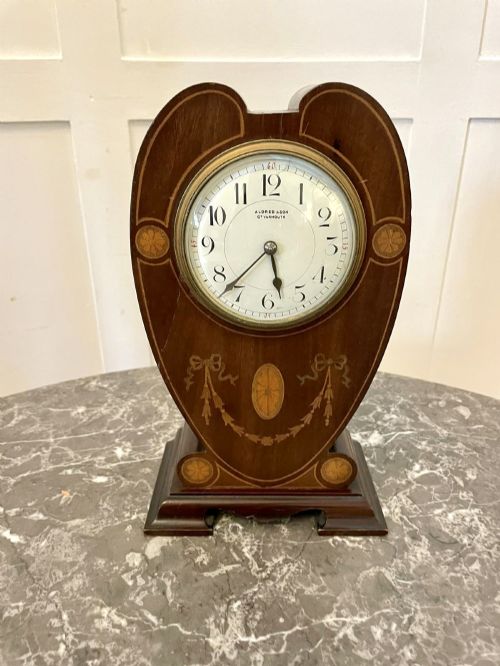
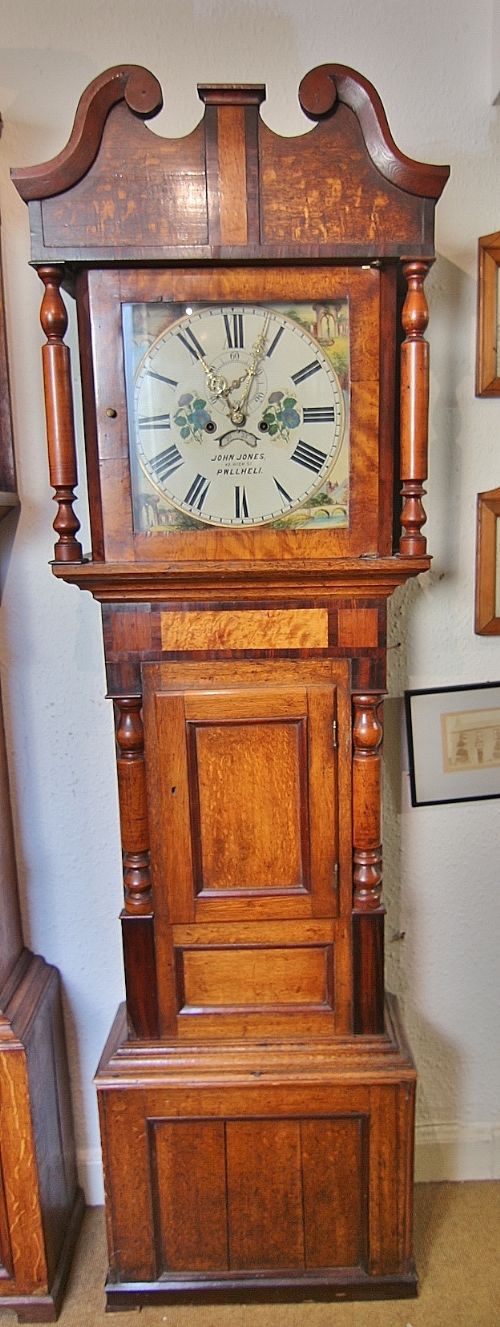
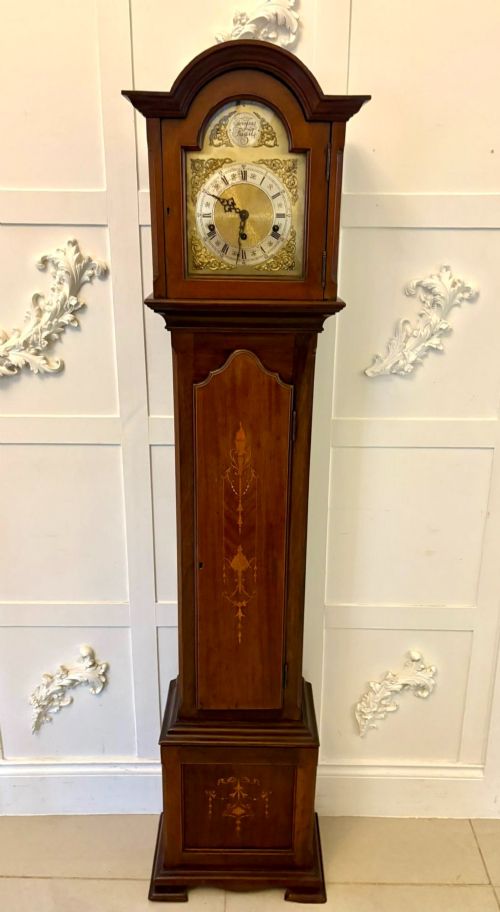
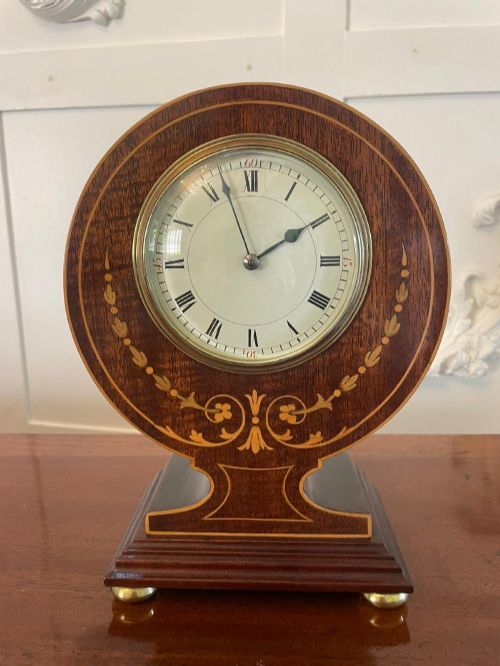
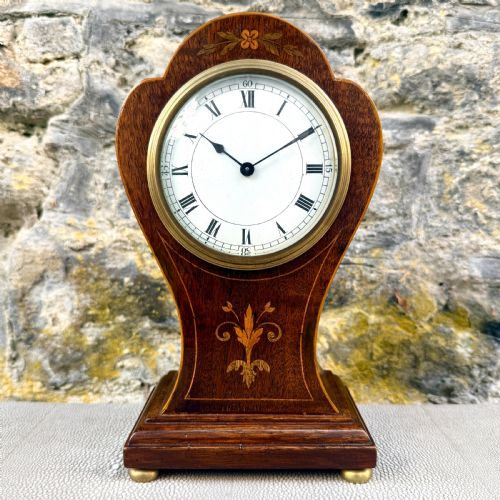
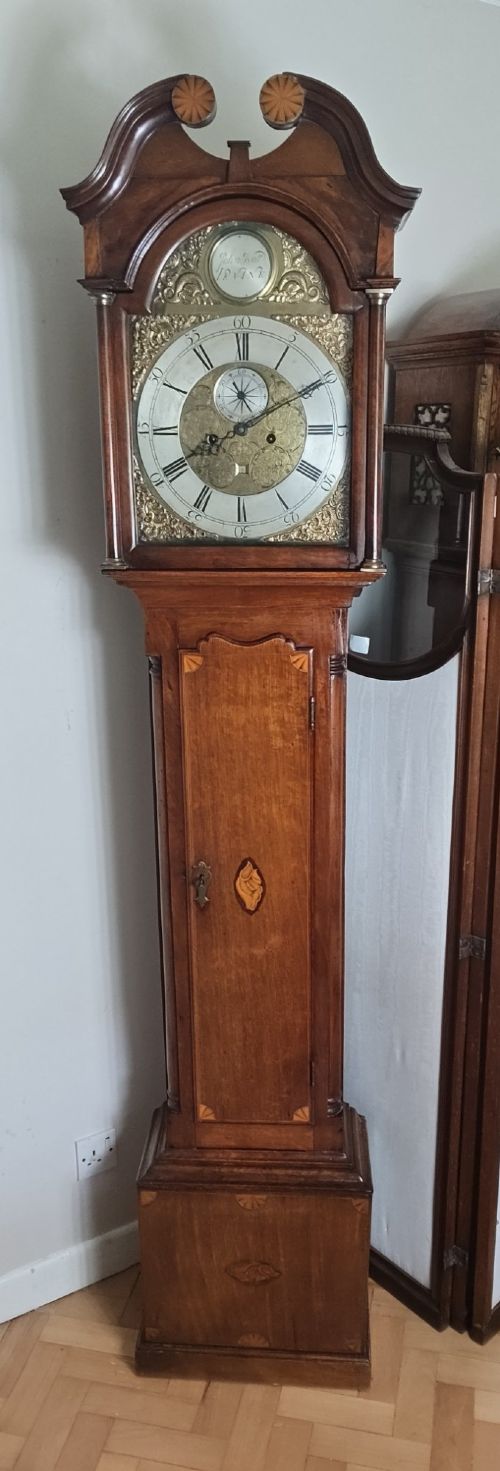
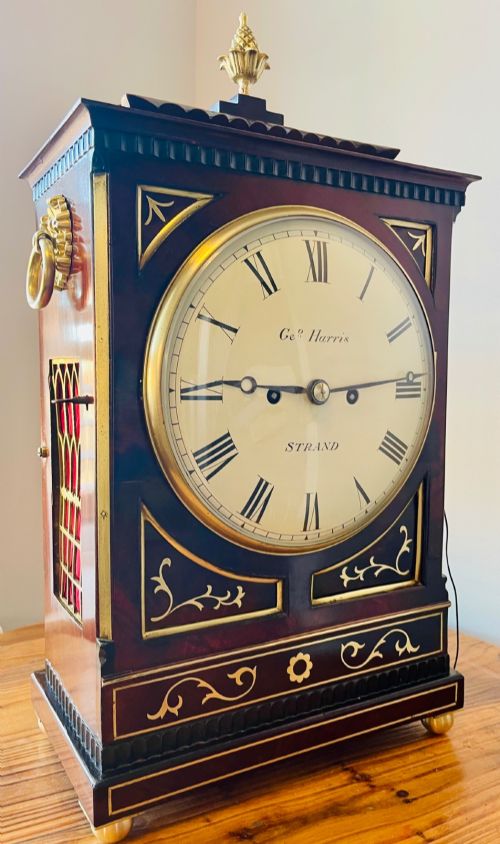
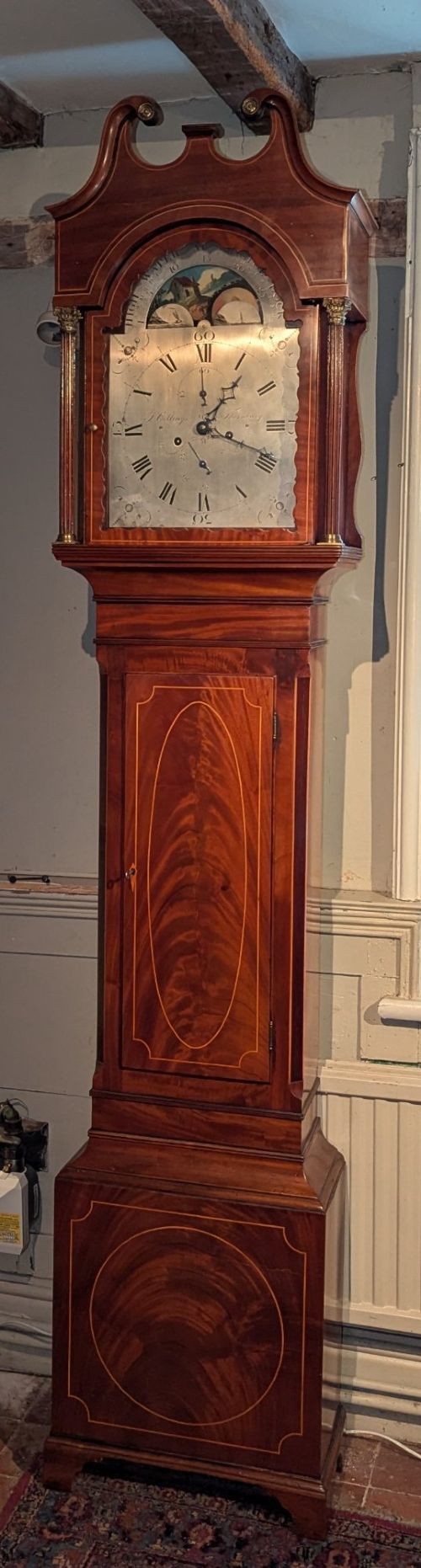
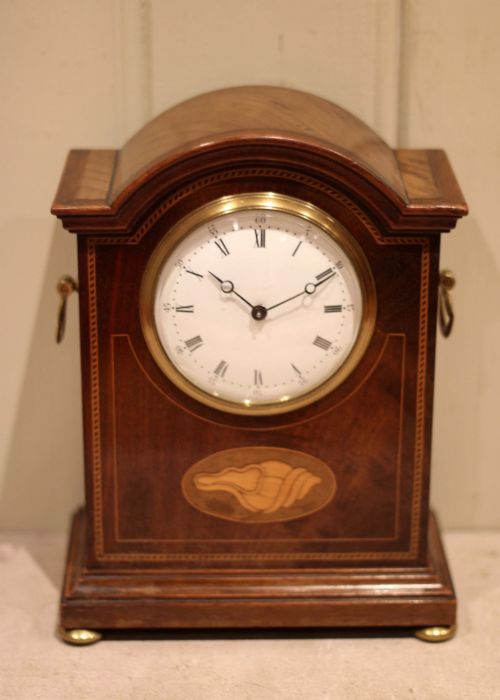
When seeking an inlay mahogany clock, collectors encounter timepieces ranging from compact Edwardian mantel models to tall Georgian grandfather longcase clocks.
Inlay Mahogany Clock
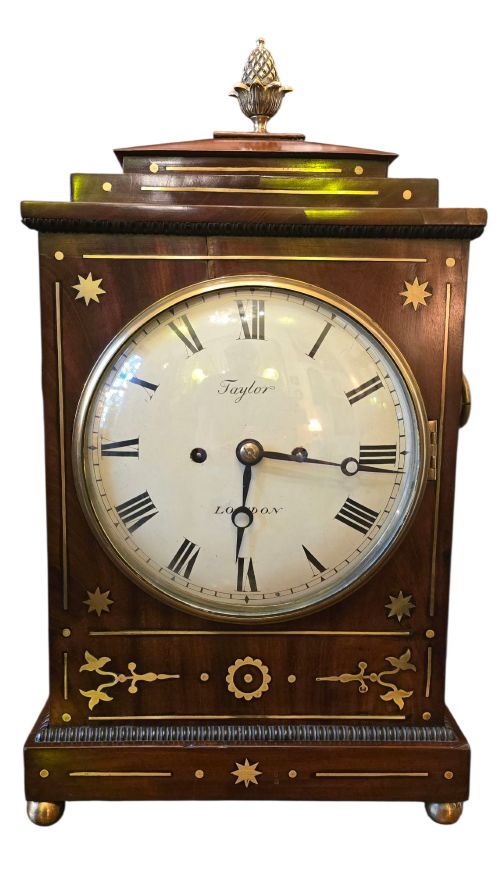
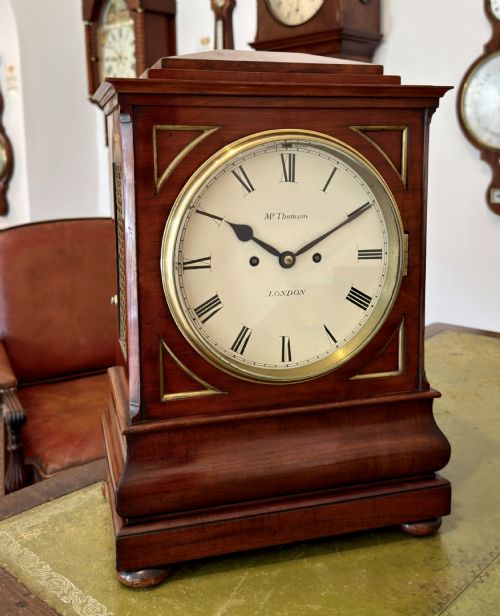
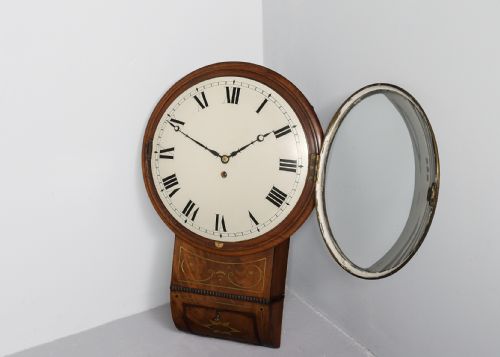
An inlay mahogany clock encompasses tall grandfather longcase clocks, smaller bracket and table clocks, and wall-mounted drop dial pieces spanning the Georgian, Regency, Victorian, and Edwardian periods.
Mantel clocks from the Edwardian era and the early twentieth century appear frequently, alongside nineteenth-century fusee wall clocks and eighteenth-century longcase examples.
Makers from London and provincial towns housed these movements in mahogany cases decorated with contrasting wood veneers and brass fittings.
Materials and Construction
Cases utilise solid mahogany and flame mahogany veneers, paired with contrasting inlay details in satinwood, boxwood, and ebony.
Dials combine brass, silvered metal, white enamel, and painted moon phases behind protective glass panels, driven by eight-day or fusee movements.
Listings feature mahogany, satinwood, boxwood, brass, and enamel across Georgian, Regency, Victorian, and Edwardian periods.
Craftsmanship and Proportion
The refinement of the cabinetwork separates standard production from superior pieces, seen in the precise alignment of satinwood or boxwood stringing and the depth of the mahogany grain.
Movement complexity and signature provenance from documented makers elevate a clock's standing, alongside original dial preservation and balanced proportions.
Thomson of London·Barnard·Webster London·Charles Pratt London·George Orpwood·Bush of London·L. Vick of Stroud·Chave Taunton·Samuel Chave Taunton·Thomas Moss·John Denbigh·William Moon London·Cording of London·Summerhayes of Taunton
The Inlay Mahogany Clock Glossary
- Fusee
- A conical pulley connected to the mainspring by a chain or cord, designed to equalise the driving force as the spring unwinds. This mechanism improves timekeeping consistency in better bracket and wall clocks.
- Paterae
- Small circular or oval decorative plaques carved or inlaid into furniture surfaces. They frequently accent the corners of longcase clock hoods and dial framing.
- Bracket Clock
- A portable mechanical clock originally designed to sit on a wall bracket or table. Many feature swing handles and glazed side panels to display the movement.
- Longcase Clock
- A tall floor-standing timepiece also known as a grandfather clock, comprising a trunk, a base, and a hood enclosing the dial and weights. They commonly house eight-day movements.
- Marquetry
- The art of applying decorative pieces of veneer to a structural structure to form pictorial or geometric designs. Edwardian and nineteenth-century examples utilise this technique for floral or classical motifs.
Inlay Mahogany Clock: Frequently Asked Questions
How do I wind an eight day clock?
Use the provided winding key on the dial arbor, turning it slowly until resistance confirms the mainspring is fully tensioned. Avoid over-winding to protect the historical movement components.
Ensure the key matches the square of the arbor precisely to prevent slipping and potential damage to the delicate escapement parts inside the mahogany case.
Where should I place a longcase clock?
Position the longcase against an interior wall away from direct sunlight, heating vents, and dampness to preserve the mahogany timber and veneer. Standing the case on a level floor ensures the pendulum swings evenly.
Secure the tall trunk to the wall using discreet brackets if children or pets are present, as historical floor clocks can tip if disturbed.
How do I identify a fusee movement?
Look inside the back door or side panels for a conical grooved pulley connected to a brass chain rather than a standard barrel spring. This complex mechanism regulates power delivery across the running cycle.
Fusee movements appear commonly in higher-quality Regency and nineteenth-century bracket and wall clocks rather than simple domestic timepieces.
Can these clocks run on modern time?
Mechanical clocks from the Georgian and Victorian eras measure time reliably when properly serviced, though minor weekly adjustments to the pendulum regulation nut may remain necessary. Temperature changes in modern homes can alter the rate slightly.
Professional cleaning and oiling every few years keeps the train gears and escapement functioning smoothly without excessive wear on original brass components.