





Inlaid Wooden Occasional Chair
An inlaid wooden occasional chair brings functional seating and delicate surface ornament together, offering a refined focal point for any room.
Inlaid Wooden Occasional Chair
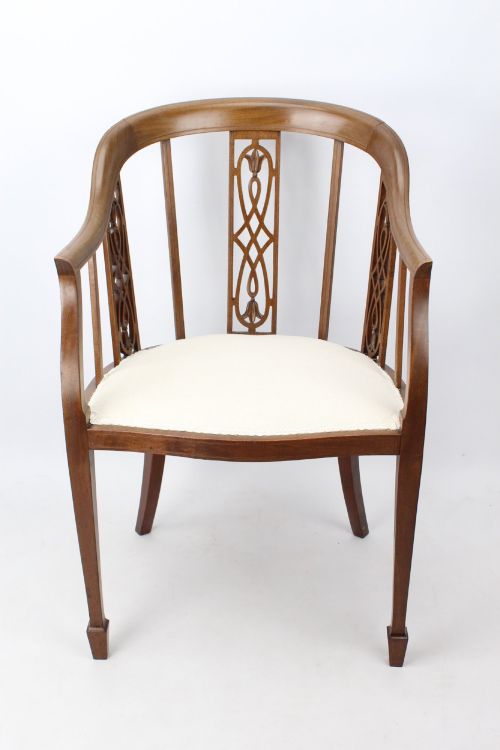
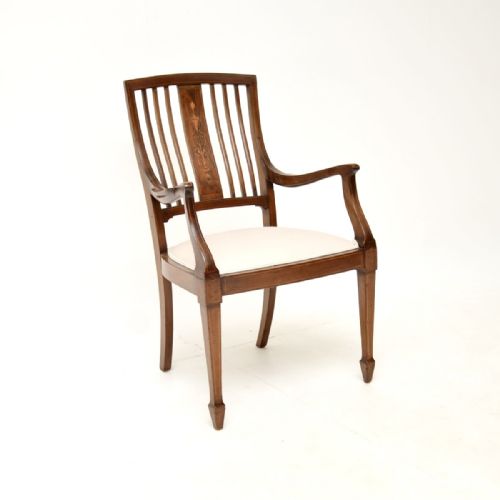
An inlaid wooden occasional chair is a portable seat designed to be moved around a room as needed, combining practical utility with decorative wood ornamentation. These pieces span several decades, with Edwardian examples appearing most frequently alongside Victorian, Regency, and 19th Century items.
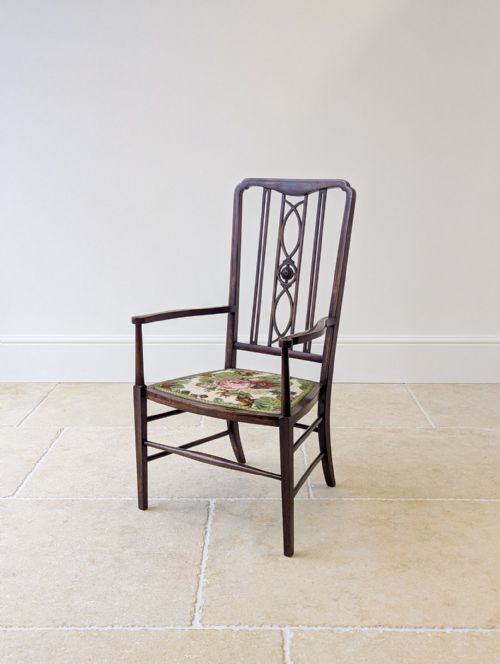
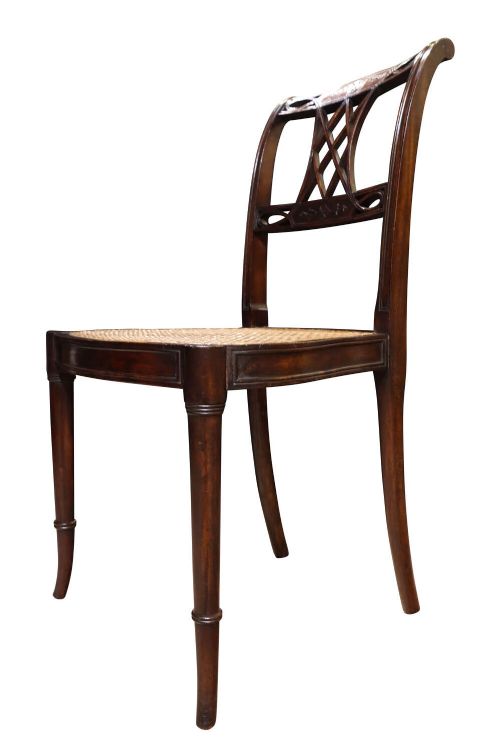
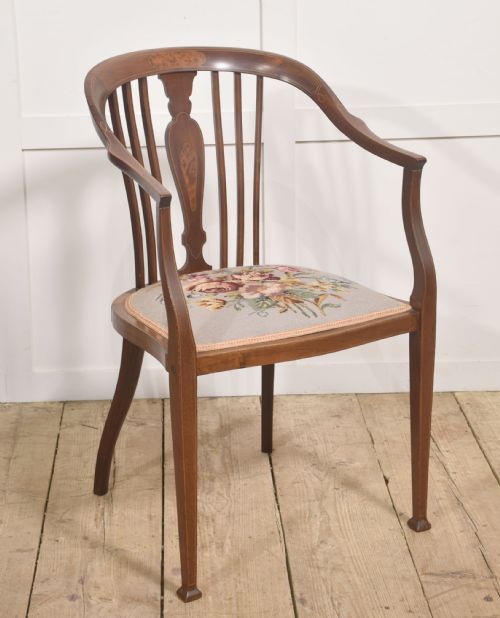
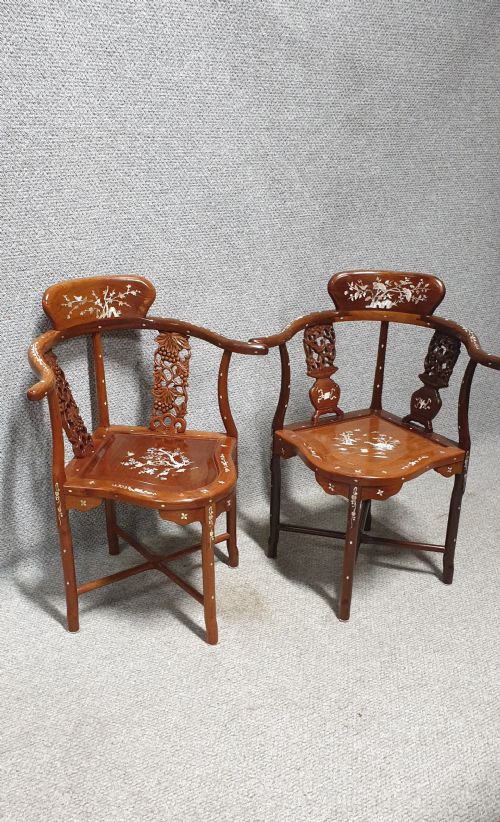
The form encompasses various seating designs recorded in the listings, including armchairs, elbow chairs, nursing chairs, corner chairs, and tub chairs. Makers constructed these items in mahogany, beech, satinwood, and Indian hardwood, often pairing the timber base with fabric upholstery or cane seats.
Stylistic influences range from Sheraton Revival and Art Nouveau to Chinese Oriental and Anglo-Indian designs. Such variety means buyers encounter everything from light bedroom chairs with floral inlays to substantial salon armchairs.
How they were made
Carpenters built the structural frames using solid timbers such as mahogany, beech, and satinwood, shaping components like curved elbow rests and tapering legs. Joinery methods secured the uprights and rails to withstand daily sitting while maintaining delicate proportions.
Makers applied decorative surface work using wood inlay, satinwood inlay, and marquetry inlay, contrasting lighter veneers against darker foundation woods. Brass elements also appeared on specific regional pieces, while cane seating and upholstered fabric panels provided the functional squab or back support.
Inlaid Wooden Occasional Chair Retail Price Guide 2026
Typical asking prices for inlaid wooden occasional chair among the pieces listed under this phrase on Sellingantiques today, from the lower quarter to the upper quarter. They describe what is for sale here now, not the wider market.
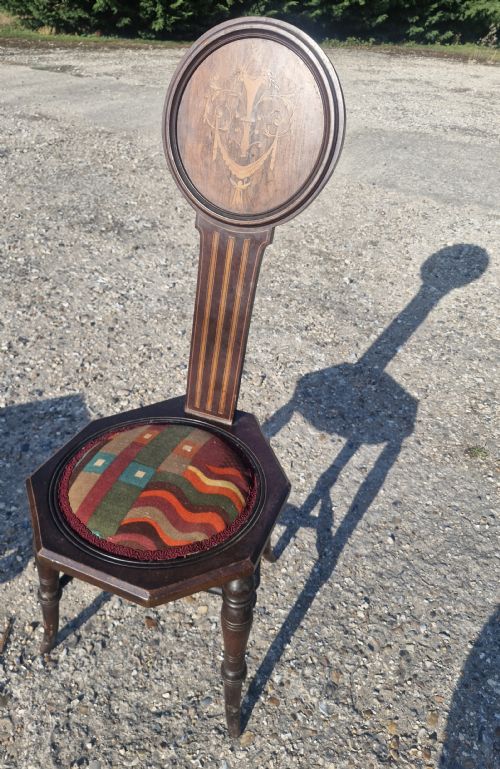
Spinning chairs designed with low seats and tall backs offered domestic workers a stable perch for repetitive fireside tasks.
What varies in quality
The standard of the timber selection and the precision of the inlay work largely determine the quality of an inlaid wooden occasional chair. Finely cut marquetry and crisp satinwood banding show greater craftsmanship than simpler, mass-produced surface designs.
Structural integrity and the retention of original upholstery materials or cane work also differentiate standard production items from finer salon pieces. Cohesion in stylistic details, such as the harmony between Sheraton Revival motifs and the underlying chair frame, separates the ordinary from the exceptional.
The Inlaid Wooden Occasional Chair Glossary
- Inlay
- A decorative technique where pieces of contrasting wood, such as satinwood, are inserted into recessed cavities in the primary timber base. This creates a flush, patterned surface.
- Marquetry
- An elaborate form of inlay that forms pictorial or geometric designs using various tinted wood veneers. It covers larger sections of the chair back or crest rail.
- Occasional chair
- A lightweight, movable seat intended to supplement main seating arrangements in a room. They often sat in bedrooms, parlours, or hallways.
- Sheraton Revival
- A late nineteenth-century design movement inspired by the lightness and classical ornamentation of eighteenth-century cabinetmaker Thomas Sheraton. Pieces typically feature delicate mahogany framing and satinwood inlay.
- Elbow chair
- A seating form featuring short armrests designed to support the elbows rather than full-length arm panels. These appear frequently in Edwardian drawing rooms.
Inlaid Wooden Occasional Chair: Frequently Asked Questions
What is an occasional chair?
An occasional chair is a lightweight, easily movable seat designed to supplement primary seating in a room rather than serve as a permanent lounge spot. They were historically kept in bedrooms, halls, or parlours for use when extra guests arrived.
Because they needed to be portable, these chairs tended to be smaller and lighter than standard dining or armchairs, often incorporating delicate wooden frames and decorative inlays.
How do I date an inlaid chair?
Dating relies on examining the combination of timber, stylistic influences, and manufacturing techniques present in the piece. Edwardian and Victorian items often feature mahogany structures with contrasting satinwood or marquetry inlays reflecting revival styles.
Earlier Regency or 19th Century examples display distinct classical proportions, while later Edwardian pieces tend towards lighter frames and integrated floral ornamentation.
Where should I place one?
An inlaid wooden occasional chair suits quiet corners, bedroom dressing areas, or sitting rooms where it can function both as a seat and a decorative accent. Their detailed wood inlay and marquetry make them effective visual focal points against plain walls.
Care should be taken to keep them away from direct heat sources and strong sunlight to protect the delicate wood veneers and upholstery fabrics.