



Inlaid Wooden Dressing Table
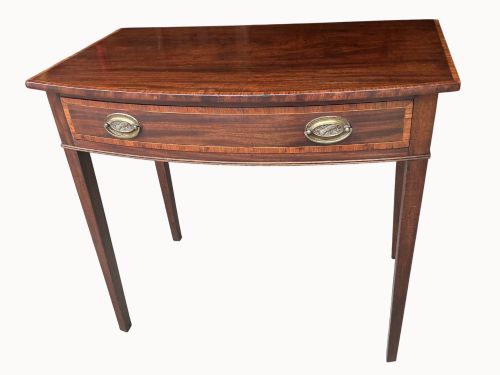
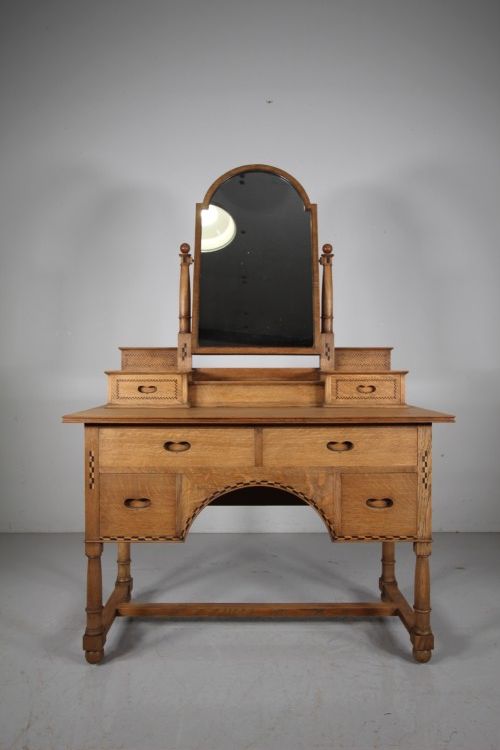
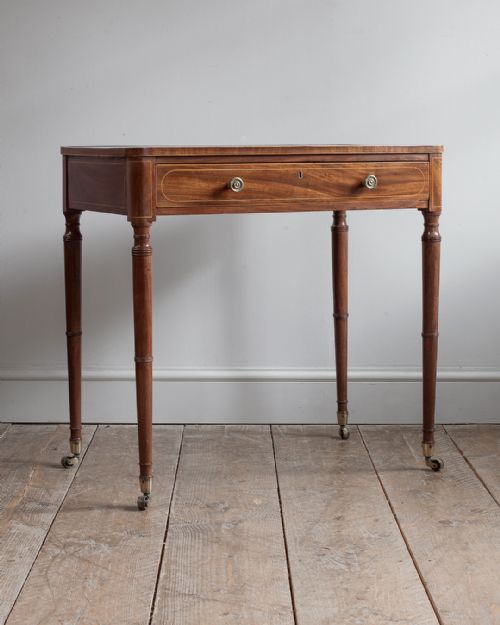
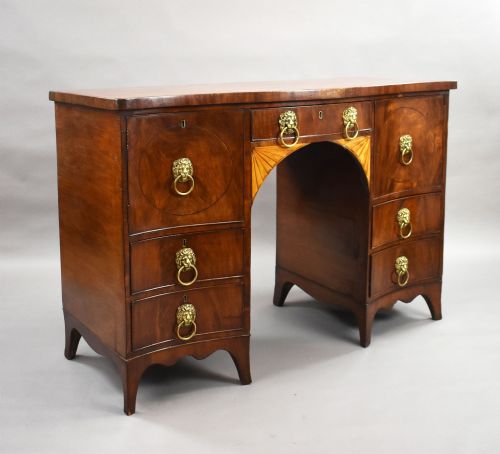
An inlaid wooden dressing table brings warmth and intricate detail into a bedroom through contrasting timbers and delicate banding.

Inlaid Wooden Dressing Table
When searching for an inlaid wooden dressing table, buyers encounter pieces primarily originating from the Georgian, Victorian, and Edwardian periods. These items range from full-sized dressing tables and kneehole variations to smaller table-top dressing mirrors and toilet swing mirrors designed for domestic use.
The construction typically involves primary timbers such as mahogany, walnut, and satinwood, enhanced by decorative elements like boxwood inlay, marquetry, and contrasting banding. Alongside dedicated dressing furniture, related forms such as writing tables, desks, and vanity boxes appear within the selection.
Victorian and Edwardian iterations frequently display refined stylistic revivals, including Sheraton Revival influences and Dutch marquetry techniques. Each piece reflects the domestic requirements of its era, combining surface decoration with functional compartments, drawers, and pivoting mirrors.
How they were made
Cabinet makers built these pieces using solid and veneered hardwoods such as mahogany, walnut, satinwood, and kingwood over sturdy secondary timbers. Surfaces were then enriched with contrasting light and dark woods, utilising boxwood, tulipwood, and specialised wood inlay to create geometric borders or pictorial marquetry motifs.
Detailed surface ornament relied on precision cutting of veneers, fitted meticulously into channels carved into the primary wood body. Brass fittings, including drop handles, escutcheons, and hinges, were integrated alongside fitted internal compartments, mirrors, and occasional mother-of-pearl or pearl detailing.
What varies in quality
The standard of a piece rests upon the precision of its marquetry and the crispness of its wood inlay. Sharp, tight junctions between contrasting timbers indicate superior cabinet work, whereas wider, filled gaps reveal lesser execution by the maker.
Selection of timber grain also dictates distinction, with highly figured mahogany, burr walnut, and choice satinwood elevating the visual depth of the surface. Furthermore, the retention of original brass hardware, fitted interior mirrors, and working locks contributes substantially to the integrity of the surviving piece.
H Mitchell·Maison Pretot Paris·Gillows
The Inlaid Wooden Dressing Table Glossary
- Marquetry
- Decorative veneer work forming pictorial or geometric patterns on a wooden surface. Craftsmen cut thin slices of various coloured woods and assembled them like a puzzle before gluing the entire composition down.
- Boxwood inlay
- The insertion of pale boxwood strips into recesses cut into a darker primary wood. This technique creates crisp linear borders around drawers and table tops.
- Dressing mirror
- A pivoting mirror mounted on a small stand or set atop a base for grooming. These items were frequently placed on chests or dedicated dressing tables.
- Satinwood
- A lustrous, yellowish timber valued for its fine grain and reflective quality. It gained widespread popularity during the Georgian and Edwardian periods for decorative furniture panels.
Inlaid Wooden Dressing Table: Frequently Asked Questions
What periods do these dressing tables date from?
The pieces span several centuries, with examples originating from the Georgian, Regency, Victorian, and Edwardian eras. Each period introduced distinct proportions and ornamental vocabularies.
Cabinet makers of the nineteenth and early twentieth centuries adapted earlier Sheraton and Dutch design principles, applying refined wood inlay and marquetry to dressing furniture.
How do I care for inlaid wooden surfaces?
Protect antique wood from direct sunlight and steady changes in humidity to prevent timber movement and veneer lifting. Maintaining a stable indoor environment preserves the delicate boxwood inlay.
Apply high-quality beeswax sparingly and buff gently with a soft cloth. Avoid modern liquid polishes that contain silicone or harsh solvents.
What is the difference between a dressing table and a writing table?
Dressing tables incorporate integrated mirrors, compartments for cosmetics, and sometimes jewellery storage tailored for personal grooming. Their surface layouts prioritise daily toilet routines.
Writing tables and desks focus on a flat working surface and drawer space for correspondence. While both utilise similar mahogany or satinwood timbers, their internal fittings serve entirely different domestic functions.
Are dressing mirrors separate from the tables?
Some surviving examples are independent table-top dressing mirrors designed to sit upon existing chests of drawers or side tables. These toilet swing mirrors feature pivoting frames supported by upright arms.
Other larger pieces integrate the mirror structure directly into the backboard of the dressing table. Both formats were common across the Georgian and Victorian periods.