


Inlaid Wooden Chairs
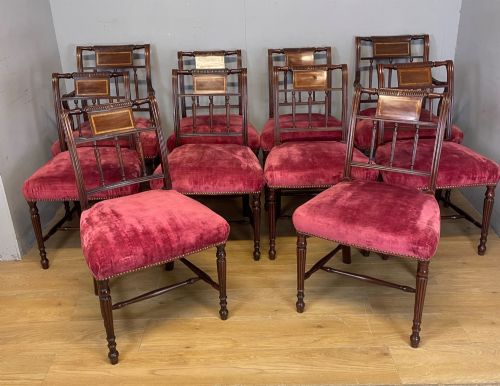
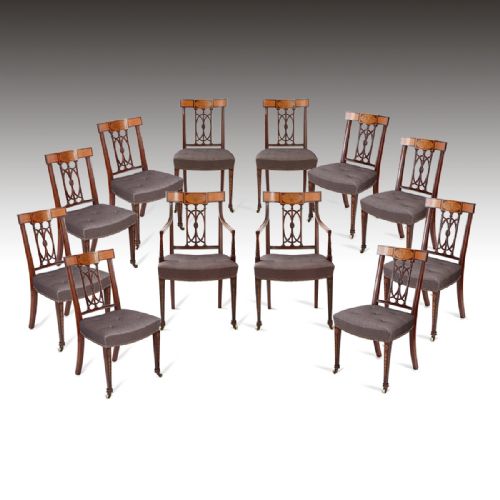
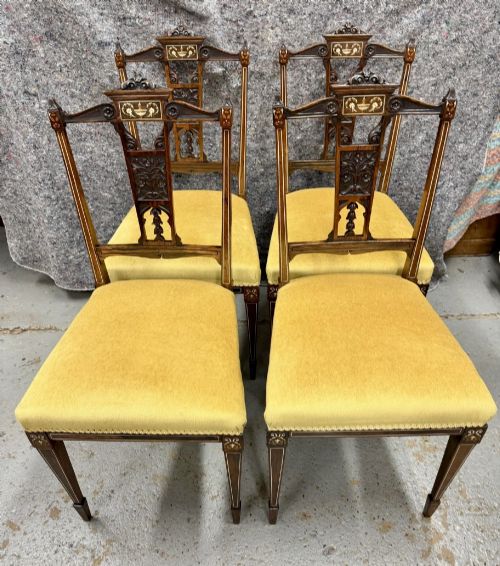
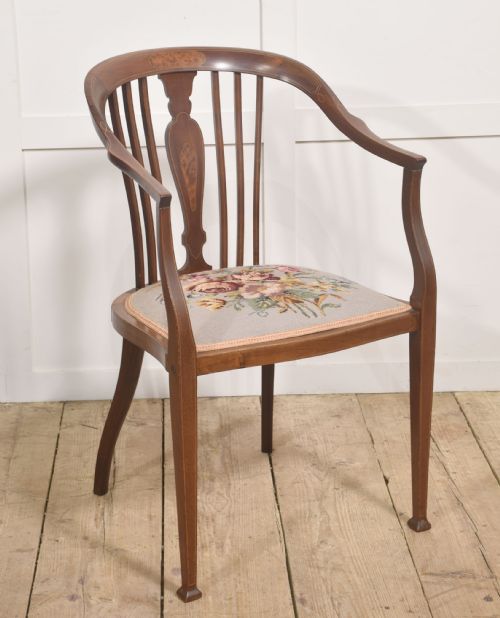
Inlaid wooden chairs bring warmth and patterned detail to a room, ranging from Edwardian mahogany occasional pieces to grand Regency sets.
Inlaid Wooden Chairs
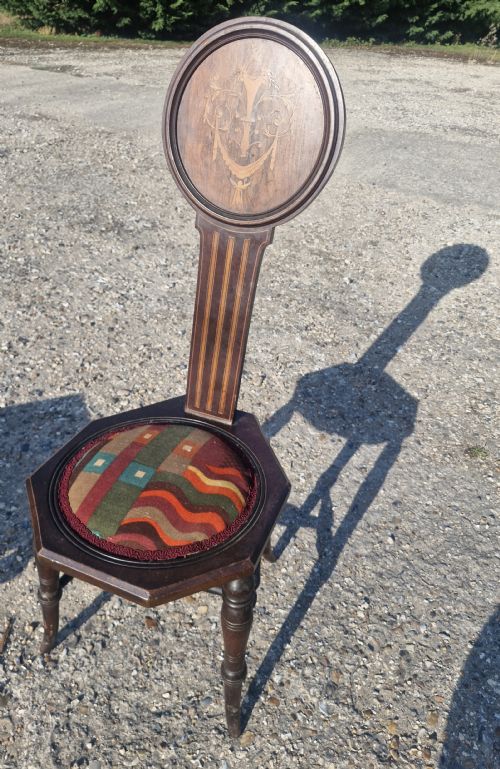
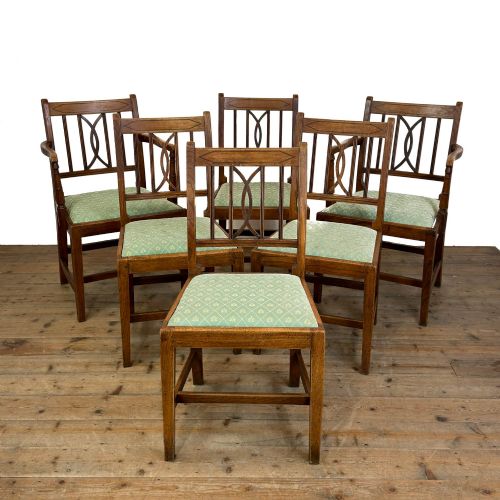
When you search for inlaid wooden chairs, you encounter seating constructed in periods stretching from the Georgian era through the Victorian and Edwardian decades, up to the early twentieth century. The forms vary from single bedroom chairs and occasional seats to large matching sets intended for the dining room.
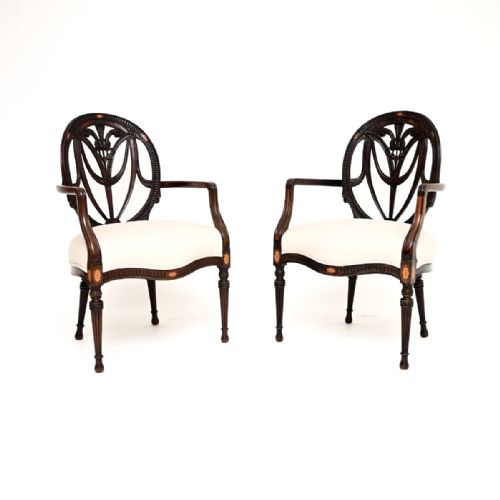
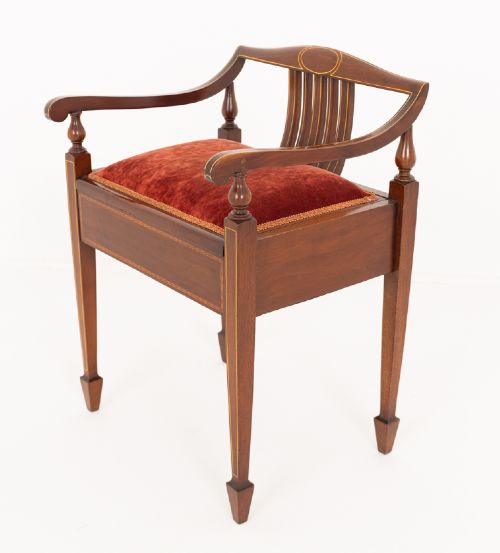
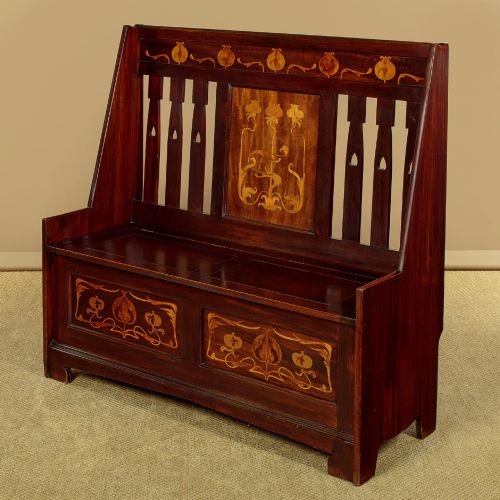
The Edwardian examples in mahogany and satinwood dominate what you will meet on this page, often featuring delicate stringing or floral motifs. Alongside these sit heavier nineteenth-century dining chairs, walnut armchairs, and occasional seating reflecting styles like Sheraton Revival, Art Nouveau, and Arts and Crafts.
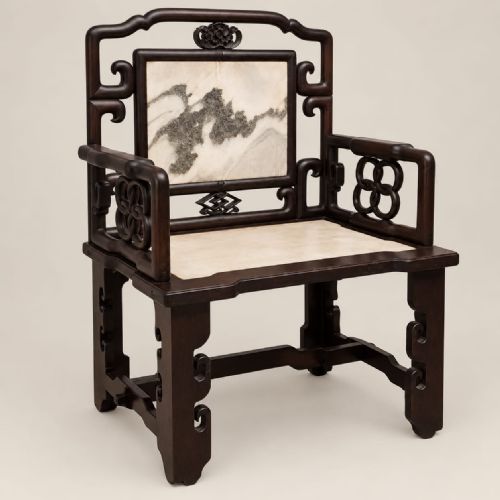
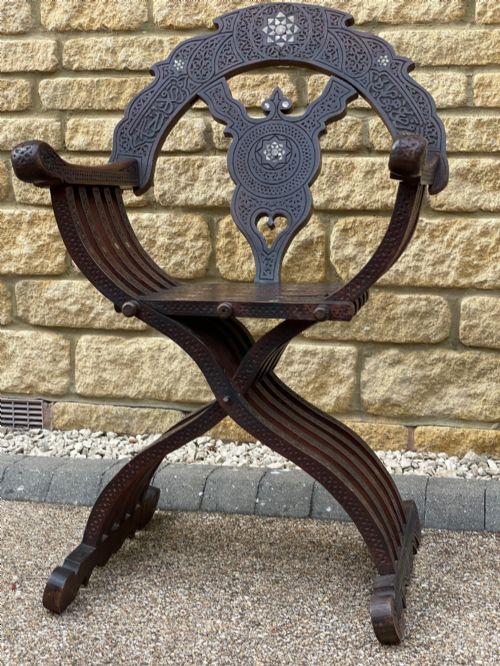
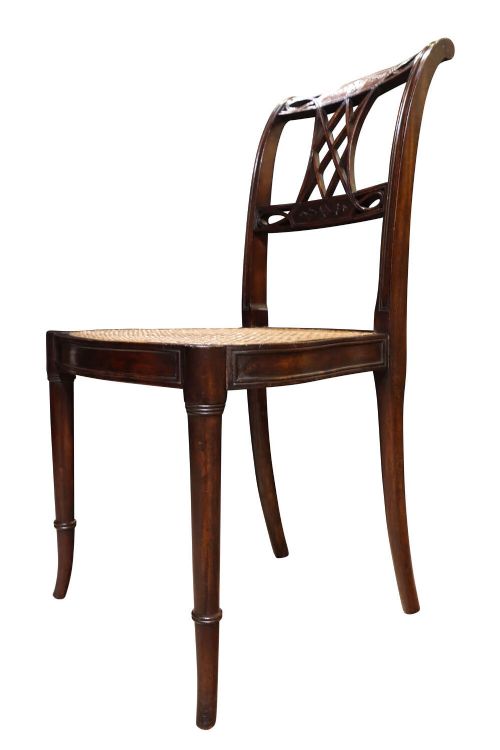
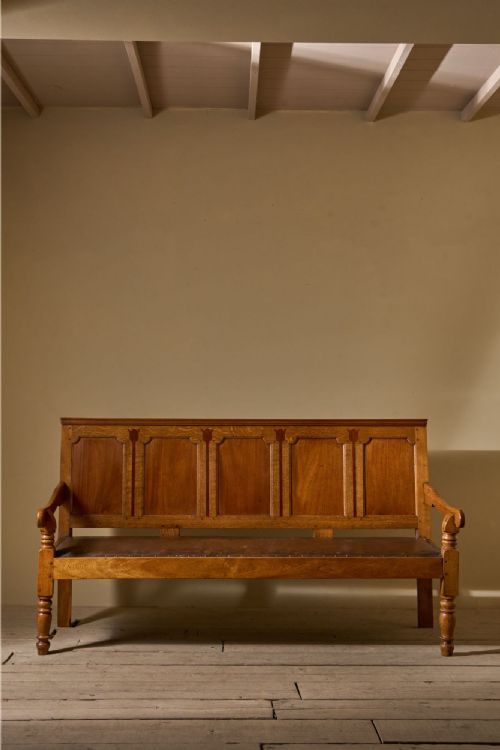
The selection also encompasses regional items such as country oak chairs, rocking chairs, and distinct regional types incorporating brass, mother-of-pearl, or elaborate woodwork. Whether intended for a hall, a desk, or a dining table, each piece combines structural woodwork with decorative surface embellishment.
How they were made
The foundation of these chairs relies on traditional timbers such as mahogany, walnut, oak, and beech, selected for their grain and strength. Artisans shaped these woods into frames for dining chairs, armchairs, and side chairs using time-tested joinery methods.
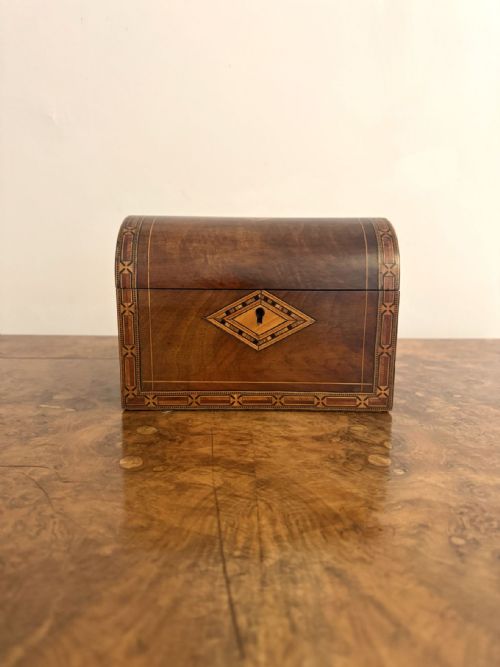
Decoration is achieved through wood inlay, satinwood inlay, and wood veneer, often contrasted with brass detailing or mother-of-pearl inserts. Skilled makers cut precise recesses into the primary timber to fit lighter or darker contrasting woods, creating geometric borders and pictorial motifs.
Some chairs incorporate musical mechanisms or spinning seats designed to entertain Victorians while they sat.
What varies in quality
The distinction between ordinary and superior pieces rests on the precision of the cabinetwork and the finesse of the inlay. Crisp edges, tight joints, and securely set decorative elements indicate superior workshop execution.
The choice of primary timber and the complexity of the contrasting woods alter the visual depth of the chair. Richly figured mahogany or satinwood paired with intricate, well-preserved inlay elevates a piece far above simpler, plain-timber alternatives.
James Shoolbred and Co·Liberty and Co
The Inlaid Wooden Chairs Glossary
- Inlay
- A decorative technique where pieces of contrasting material are inserted into a recessed surface to form a flat pattern. This method defines the primary aesthetic of the pieces found in this category.
- Satinwood
- A durable, yellowish-gold timber frequently utilised for detailed inlay work and contrasting borders on mahogany furniture. It brings a bright luminosity to Edwardian and Sheraton Revival pieces.
- Carver armchair
- A sturdy wooden seat featuring integrated armrests, historically placed at the head of a dining table. These often mirror the design of smaller side chairs in a matching set.
- Marquetry
- An elaborate form of inlay that creates pictorial designs using various veneers of wood and other materials. It appears on select nineteenth-century musical and occasional chairs.
Inlaid Wooden Chairs: Frequently Asked Questions
How do I date an inlaid chair?
Dating relies on combining the timber choice, the prevailing style, and the construction methods visible in the frame. Edwardian pieces often display lighter satinwood inlays on mahogany, whereas Georgian and Regency examples tend to show heavier proportions and restrained brass or dark wood detailing.
Examining the underside and joints provides further clues regarding age. Hand-cut elements and original fixings support an earlier nineteenth-century or eighteenth-century attribution, while later Edwardian items utilise more standardised workshop practices.
Can I use these chairs daily?
Most of these wooden chairs were constructed for functional domestic use, making them suitable for regular seating if the frame remains stable. Dining chairs and sturdy armchairs handle everyday routines well, provided the joints have been properly maintained over the decades.
Delicate occasional chairs, spinning chairs, or items with extensive cane work require more gentle treatment. Assessing the structural integrity of each individual piece ensures safe daily use in modern living spaces.
What is Sheraton Revival style?
Sheraton Revival refers to a late nineteenth and early twentieth-century design movement inspired by the neoclassical furniture of Thomas Sheraton. These pieces typically feature slender mahogany frames, polished satinwood inlay, and classical urn or bellflower motifs.
Chairs from this movement offer a refined aesthetic suited to formal drawing rooms and sitting areas. They capture eighteenth-century elegance while utilising the manufacturing techniques of the Edwardian era.
How should I clean inlaid wood?
Maintaining inlaid wooden surfaces involves gentle dusting with a soft, dry cloth to prevent dirt accumulation in the recessed channels. Avoiding excessive moisture protects both the primary timber and the contrasting inlay materials from lifting or warping.
Periodic application of appropriate furniture wax nourishes the wood and preserves the sheen of the polish. Harsh chemical cleaners and direct sunlight should be avoided to maintain the original colour and finish.