



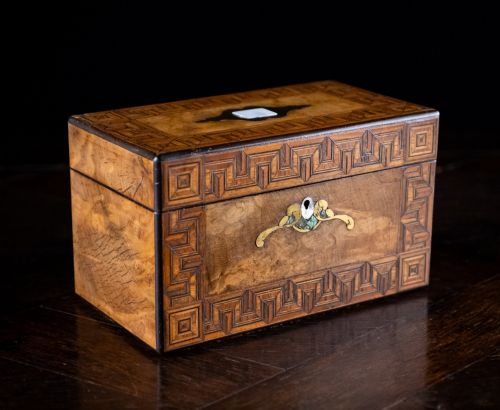
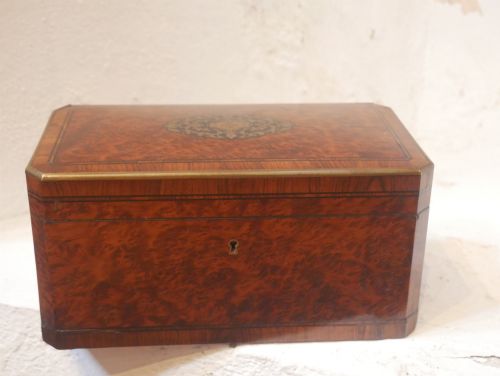
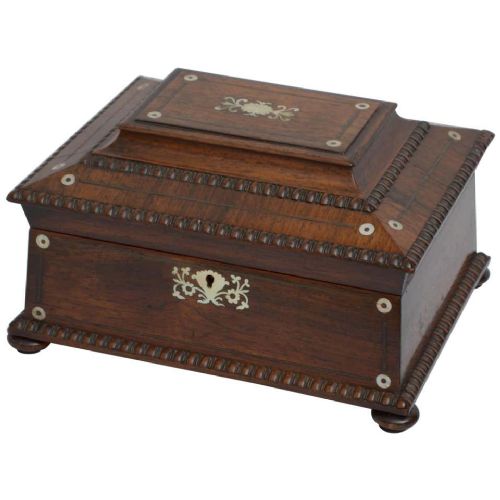
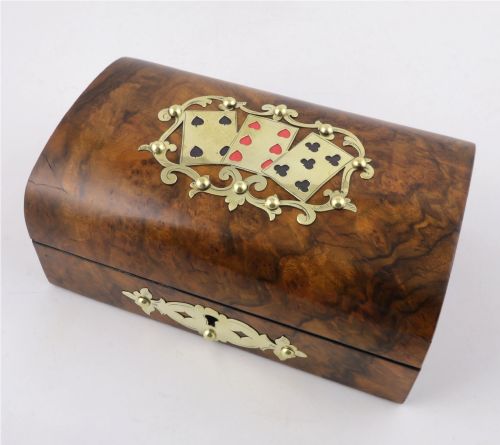

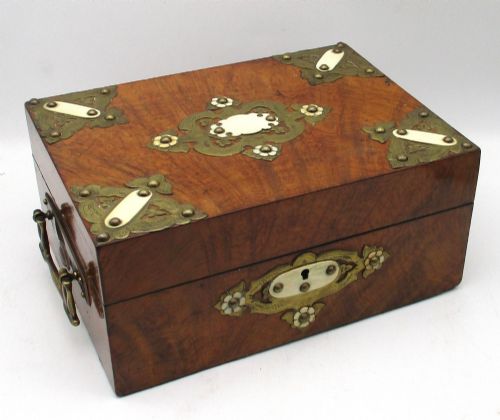
Inlaid Wooden Casket
An inlaid wooden casket brings tactile history to a desk or dressing table, offering a structured place to hold jewellery, gloves and keepsakes.
Inlaid Wooden Casket
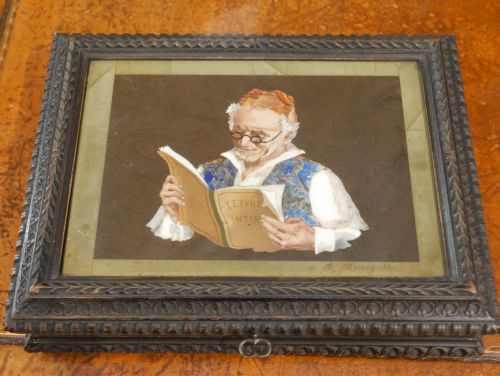
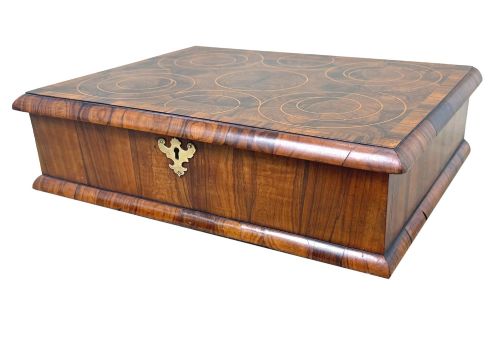
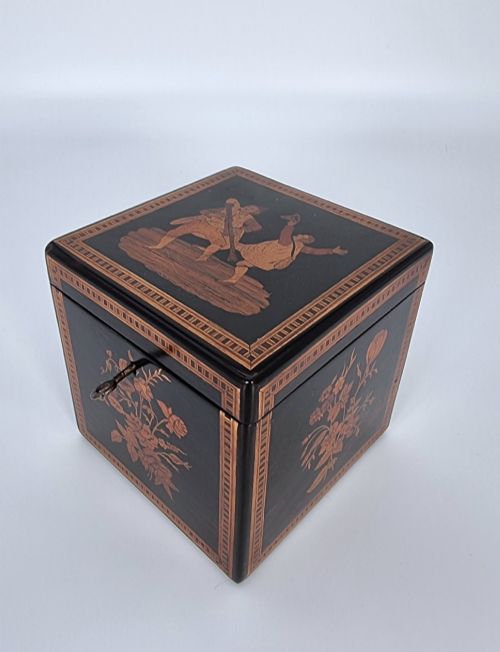
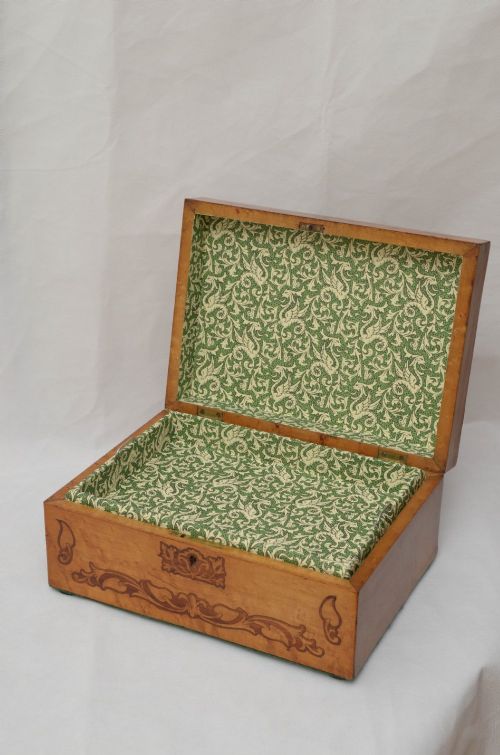
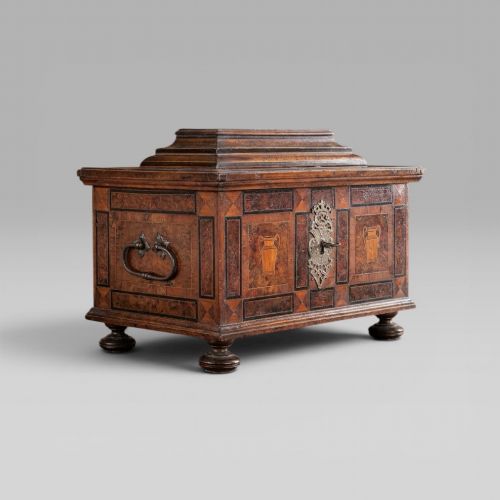
An inlaid wooden casket is a domestic container designed for personal valuables, stationery or gloves, appearing in various forms across the Victorian, Regency and Edwardian periods. Buyers searching for an inlaid wooden casket encounter pieces configured as jewellery boxes, keepsake boxes and stationery cases.
The construction reflects the interior domestic life of nineteenth and early twentieth-century England and Asia, with forms spanning William IV, Regency, Victorian and Qing Dynasty styles. These boxes vary from compact table-top retainers to larger fitted receptacles equipped with interior trays.
Materials and construction
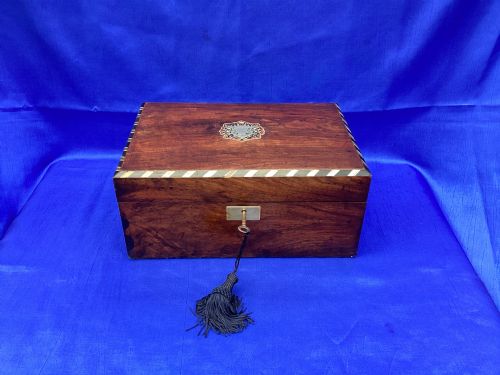
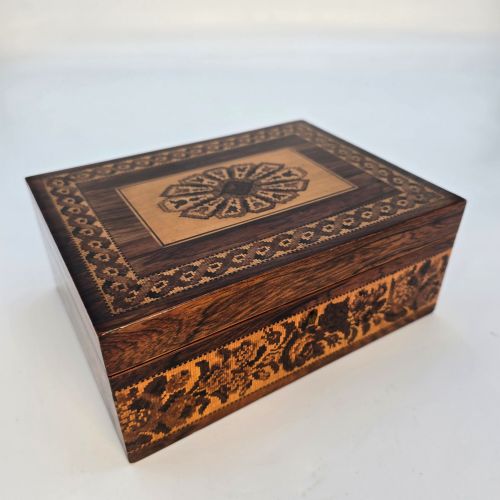
Maker workshops utilised dense hardwoods including rosewood and coromandel as the primary body material, sometimes combining wood with leather. Surfaces receive decorative enrichment through the insertion of contrasting materials.
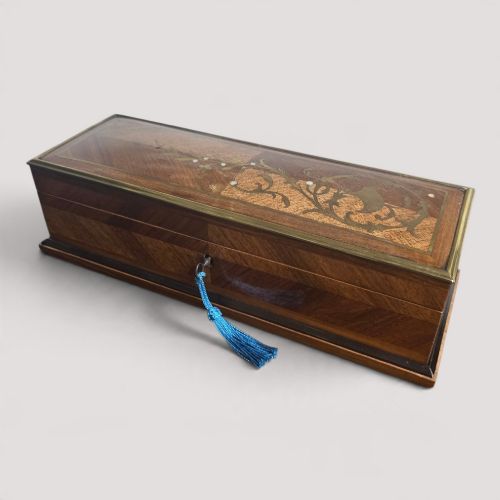
Brass fittings provide structural reinforcement and hinges, whilst mother-of-pearl (or mother of pearl) is set into the timber surfaces to create geometric or decorative patterns. Items show both traditional English cabinet-making and oriental manufacturing techniques.
Inlaid Wooden Casket Retail Price Guide 2026
Typical asking prices for inlaid wooden casket among the pieces listed under this phrase on Sellingantiques today, from the lower quarter to the upper quarter. They describe what is for sale here now, not the wider market.
Listings feature rosewood, coromandel and hardwood bodies embellished with brass and mother-of-pearl.
Judging quality in construction
The standard of an inlaid wooden casket rests on the precision of the timber matching and the execution of the surface ornamentation. Finer examples display flush, tightly fitted mother-of-pearl and brass inlays that integrate smoothly into the grain of the hardwood body.
Interior organisation dictates the sophistication of the piece, where the presence of a fitted tray or dedicated stationery dividers separates standard containers from more elaborate dressing boxes.
The Inlaid Wooden Casket Glossary
- Coromandel
- A dense, heavily figured exotic hardwood prized for its dark grain and used in luxury nineteenth-century boxes. It provides a stable and decorative substrate for contrasting brass and shell inlays.
- Mother-of-pearl
- The iridescent inner layer of mollusc shells, shaped into thin plaques for insertion into timber surfaces. It catches the light and creates sharp visual contrast against dark rosewood.
- Keep-sake box
- A lidded container used to store personal mementoes, letters and small valuables out of sight. These domestic objects often feature internal compartments or removable trays.
- Glove box
- A long, narrow receptacle specifically sized to hold fine leather gloves. They frequently feature decorative lids designed to sit neatly upon a dressing table or hall console.
Inlaid Wooden Casket: Frequently Asked Questions
What did people store inside them?
These caskets served as secure containers for personal items such as rings, necklaces, correspondence and fine leather gloves.
Their fitted interiors kept delicate possessions organised and protected from dust on dressing tables or writing desks.
How do I date an antique box?
Dating relies on identifying the timber species, the style of the brass hardware and the overall cabinet-making construction techniques.
Design motifs align with specific historical eras, such as the Regency and Victorian periods, helping to narrow down the decade of manufacture.
Are the interiors usually fitted?
Many examples feature internal lift-out trays, velvet-lined compartments or dedicated dividers for stationery and letters.
Simpler containers provide an open storage well, whilst more complex models utilise multiple tiers and hidden compartments.
How should I care for the wood?
Maintain the timber by keeping the box away from direct sunlight and sudden fluctuations in room temperature.
Occasional dusting with a soft, dry cloth preserves the polished surface of the hardwood and protects the delicate inlay work.