





Inlaid Timber Table
An inlaid timber table brings warmth and intricate geometric pattern into a room, spanning periods from Georgian craftsmanship to Victorian revivalism.
Inlaid Timber Table
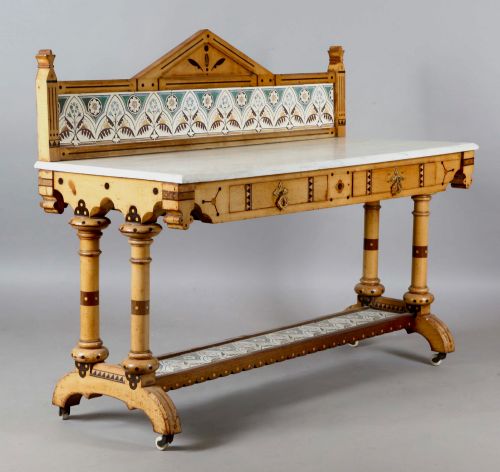
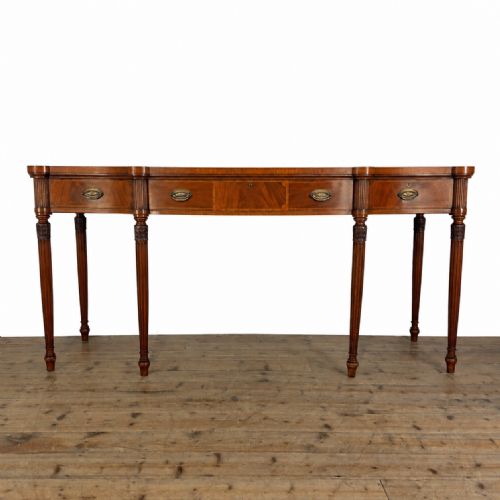
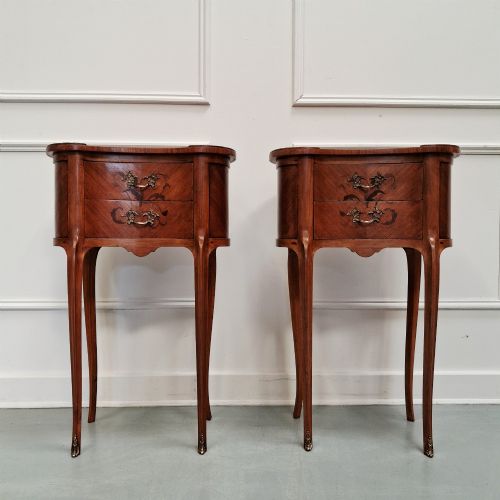
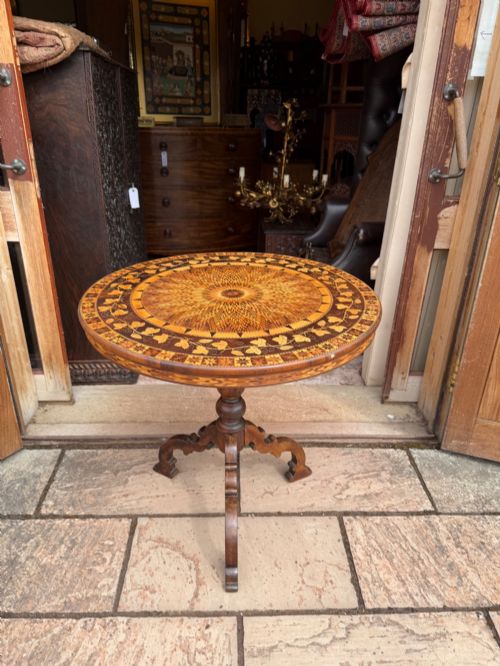
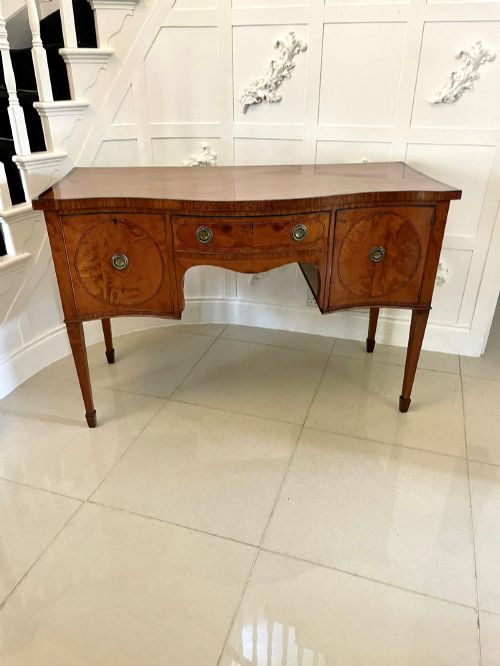
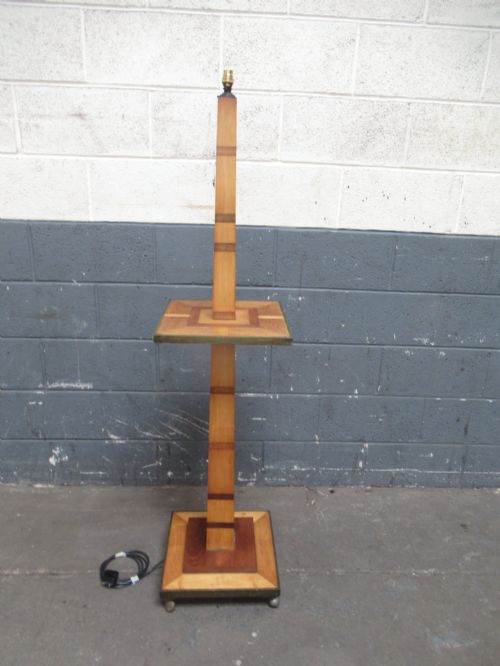
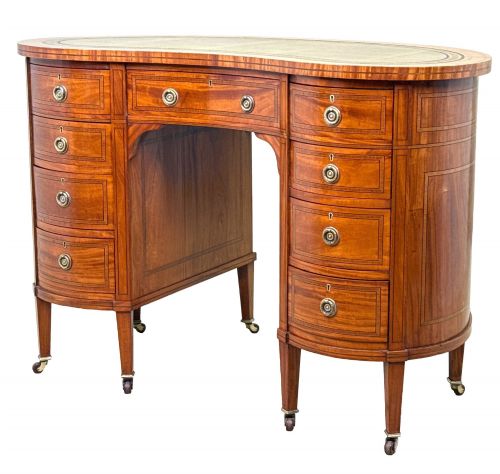
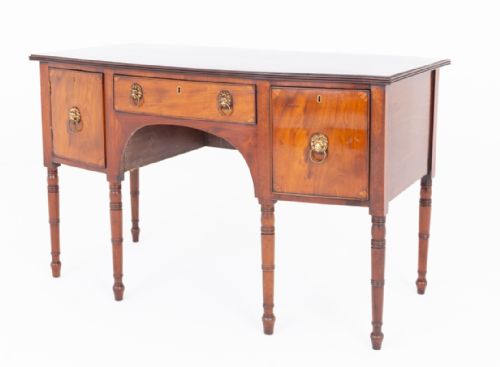
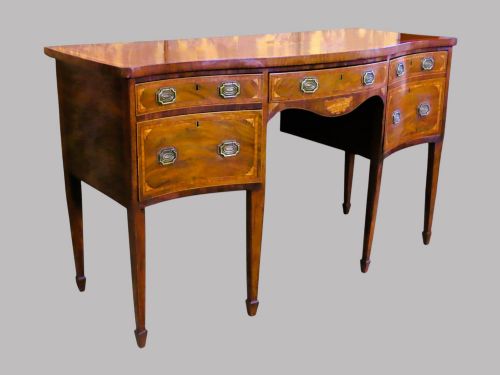
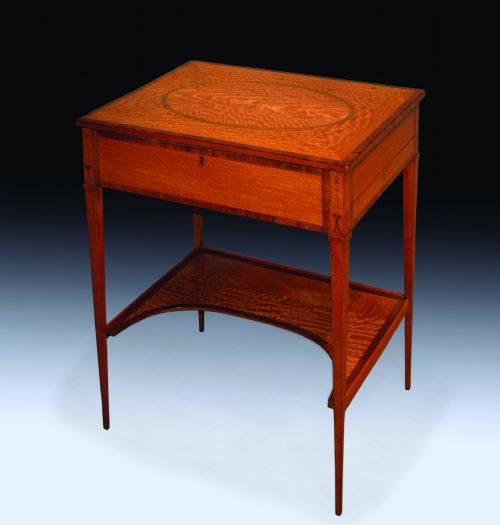
An inlaid timber table spans multiple forms across this selection, appearing most frequently as occasional tables, side tables, and desks alongside larger sideboards. These surfaces showcase decorative woodwork designed for practical use in sitting rooms and libraries.
The pieces originate across varied periods, drawing heavily on Georgian, Victorian, and Edwardian eras, with occasional turns toward 1930 production. Stylistic influences stretch from Sheraton Revival and French Louis XV to Italian Sorrento and Chinese craftsmanship.
Makers and regions introduce distinct regional vocabularies, including New Zealand specimen timber works and Chinese tables featuring bone or mother of pearl decoration. Buyers encounter everything from compact occasional stands to substantial library tables.
How they were made
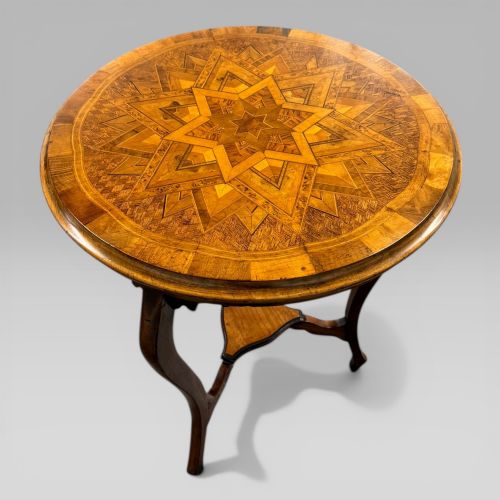
Construction relies upon a foundation of timber such as mahogany, walnut, satinwood, and rosewood, often enhanced through wood veneer and specialised parquetry or marquetry techniques. Artisans inlay contrasting materials directly into the surface to create intricate geometric patterns and pictorial motifs.
Additional detail arrives through the incorporation of brass fittings, marble inserts, bone decoration, and mother of pearl. These supplementary elements complement the primary timber framework to accent edges, tops, and structural supports.
Inlaid Timber Table Retail Price Guide 2026
Typical asking prices for inlaid timber table among the pieces listed under this phrase on Sellingantiques today, from the lower quarter to the upper quarter. They describe what is for sale here now, not the wider market.
Periods represented span from Georgian and Victorian eras through to Edwardian designs and 1930 production.
What varies in quality
Quality rests upon the precision of the inlay work and the deliberate choice of timber grain across the top surface. Superior examples demonstrate tight joints where contrasting woods meet without noticeable gaps or filler.
The harmony between the structural integrity of the table and the refinement of its decorative surface dictates the upper tier of pieces. Finer specimens maintain original patination on the timber alongside crisp, intact decorative details.
Anton Seuffert·William Norrie·British Chess Company
The Inlaid Timber Table Glossary
- Marquetry
- The art of applying pieces of veneer to a structure to form decorative patterns and pictures. This technique defines many tabletop designs.
- Parquetry
- Geometric mosaic woodwork used for floors and tabletops. Artisans arrange small blocks of timber to form repeating patterns.
- Satinwood
- A durable hardwood noted for its yellowish colour and lustrous sheen. It frequently surfaces in high-status Georgian and Victorian furniture.
- Specimen wood
- Furniture constructed from a variety of distinct timber species, often showcasing natural colour variations. These pieces highlight botanical collections.
- Serpentine
- A curved shape resembling a snake, featuring a convex centre flanked by concave sides. This contour appears frequently on drawer fronts and tabletops.
Inlaid Timber Table: Frequently Asked Questions
What is an inlaid timber table?
An inlaid timber table is a surface constructed from woods such as mahogany, walnut, or satinwood and decorated with contrasting materials embedded into the design. These pieces range from small occasional tables to larger desks and sideboards.
Craftsmen utilised techniques like marquetry and parquetry to form geometric patterns or pictorial scenes across the timber surface. This decorative approach marks centuries of furniture design across British and international workshops.
How do I clean an inlaid table?
Cleaning requires a soft, dry cloth to remove dust without disturbing the delicate veneer or inlaid sections. Avoid harsh chemical cleaners and excessive moisture that might penetrate the wood joints.
Periodic application of appropriate wax helps nourish the timber and protects the contrasting inlay materials. Gentle care preserves the historical patination developed over decades of use.
Where should I place a side table?
A side table suits living rooms, hallways, or beside seating where surface space is required for lamps or decorative objects. Compact occasional tables fit easily into smaller corners without dominating the room.
Positioning the piece away from direct sunlight and heat sources prevents the timber from drying out or warping. This placement protects both the structure and the intricate surface decoration.
How can I tell the period?
Dating relies on examining the construction methods, timber choices, and stylistic vocabulary associated with specific eras like Georgian or Victorian. Secondary woods inside drawers and the type of fasteners used provide additional clues.
Distinct revival styles often point towards later nineteenth or early twentieth-century production rather than original eighteenth-century craftsmanship. Comparing the decorative motifs with documented historical examples helps confirm the timeline.