




Inlaid Rosewood Chairs
These inlaid rosewood chairs bring deep tropical timber and precision lighter-wood detailing together, offering structured elegance for a formal interior.
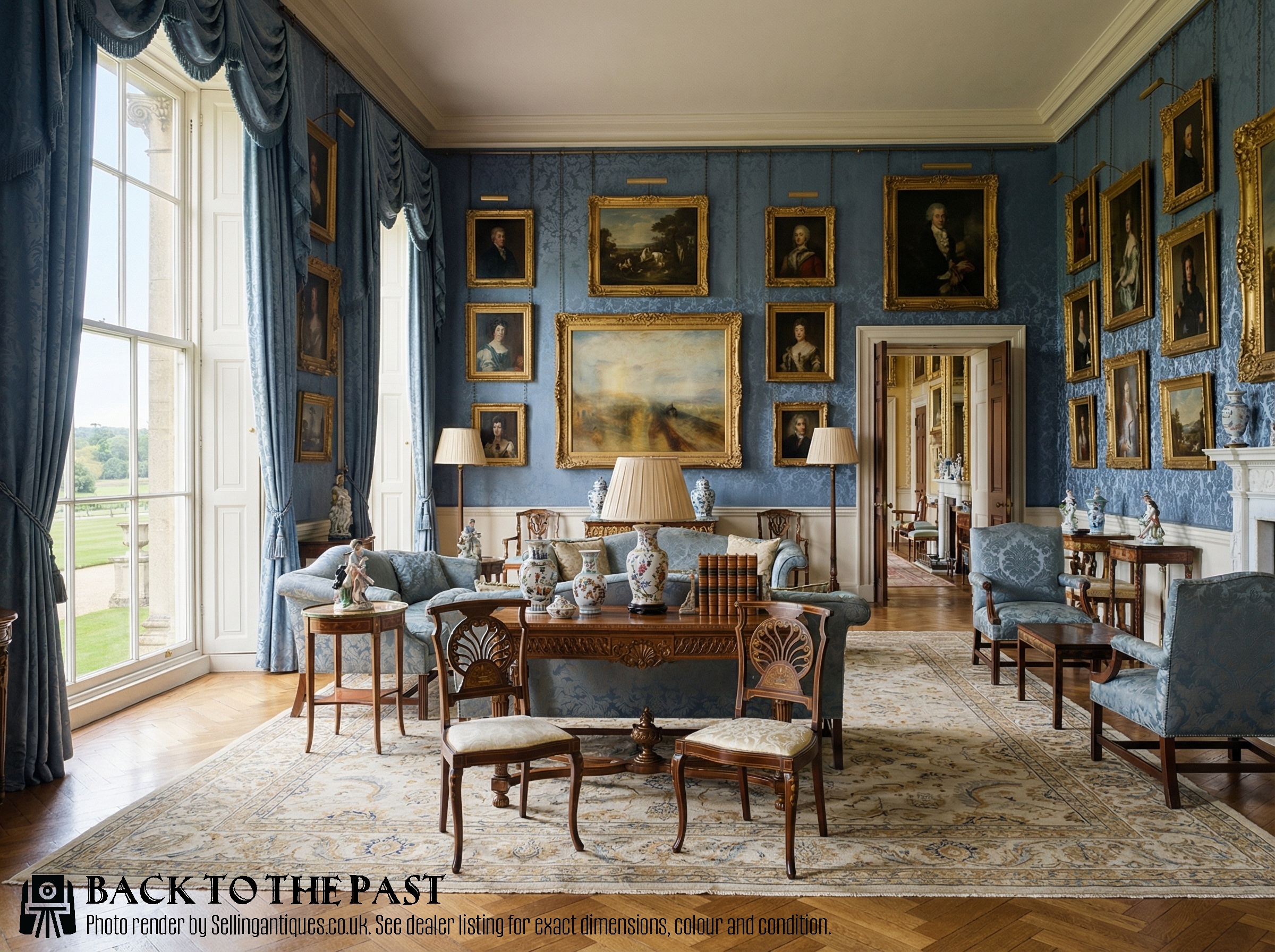
Inlaid Rosewood Chairs
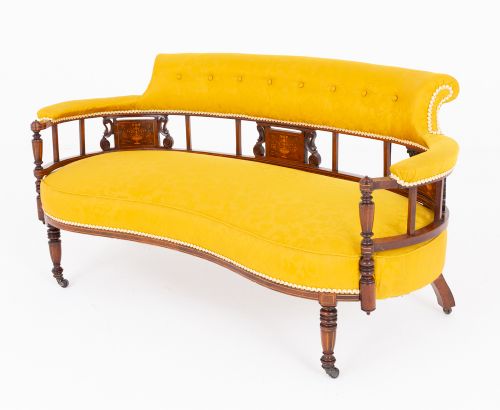
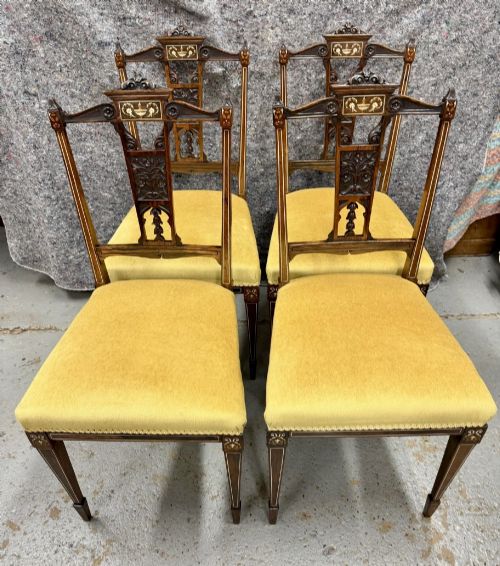
Inlaid rosewood chairs span several distinct eras, appearing most frequently in formal Regency dining sets and lighter Edwardian salon pieces. The selection includes everything from sturdy library armchairs and library seating to delicate bedroom chairs, piano stools, and larger salon suites.
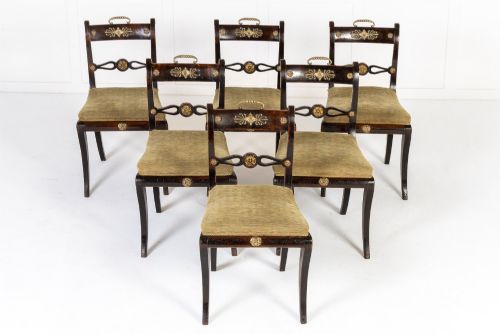
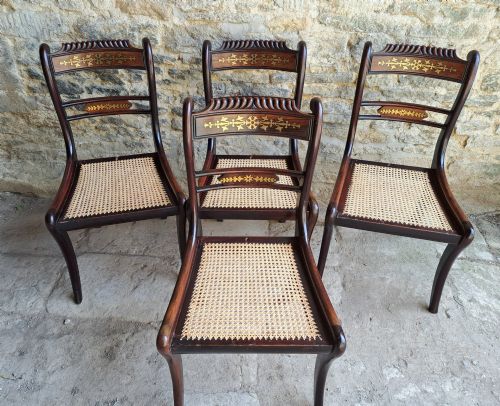
Makers utilised various forms to suit domestic spaces, ranging from side chairs and corner chairs to sets of dining chairs featuring brass or boxwood detailing. Regency examples often display classical lines with brass inlay, whilst Edwardian interpretations lean towards delicate marquetry motifs.
The inventory moves between compact occasional seating and expansive dining sets, reflecting how different decades adapted this dark timber for daily use. Buyers encounter both solid rosewood frames and simulated or faux finishes alongside mahogany integrations.
Materials and Construction
Cabinetmakers built these frames using dense tropical rosewood, sometimes substituting simulated grain or pairing the primary timber with mahogany and beech. Surface enrichment relied heavily on contrasting boxwood, holly, and light fruitwoods cut into intricate patterns.
Metal inlay played a structural and decorative role, particularly during the Regency period when brass stringing and brass brass scrollwork were hammered directly into channels cut into the wood. Artisans also incorporated parcel gilt, mother of pearl, and upholstery in velvet, fabric, or cane seating.
Marquetry panels required precise hand-cutting of diverse veneers assembled together before being pressed into the chair back or crest rail. Joinery remained concealed, relying on traditional mortise and tenon methods to support the weight and tension of everyday seating.
Inlaid Rosewood Chairs Retail Price Guide 2026
Typical asking prices for inlaid rosewood chairs among the pieces listed under this phrase on Sellingantiques today, from the lower quarter to the upper quarter. They describe what is for sale here now, not the wider market.
Craftsmanship and Proportion
Quality reveals itself in the crispness of the inlay and the depth of the rosewood grain rather than surface shine alone. Superior examples maintain tight, flush joints where contrasting boxwood or brass meets the dark base timber without visible gaps or excessive filler.
Structural integrity separates utilitarian workshop output from master cabinet work, particularly in how sabre legs and carved crest rails distribute weight. The refinement of the turning, the symmetry of the marquetry, and the selection of figured timber distinguish the finer pieces.
John Gee·George Bullock·James Shoolbred
The Inlaid Rosewood Chairs Glossary
- Marquetry
- The art of creating decorative pictures or patterns by applying thin veneers of different woods to a structural base. This technique allowed makers to produce elaborate floral or geometric motifs across chair splats.
- Stringing
- A narrow strip of contrasting wood or metal inlaid into the surface of a chair frame in a shallow groove. It outlines panels and structural members to frame the darker rosewood.
- Faux Rosewood
- A painted or grained simulation applied to a secondary timber like beech to mimic the appearance of true rosewood. Artisans used this technique to achieve a luxury look at a more accessible cost.
- Sabre Leg
- A chair leg that curves outwards in a concave sweep reminiscent of a cavalry sword. This form appears frequently on Regency dining seats for stability and elegance.
- Salon Chair
- A lightweight, decorative seat designed for formal entertaining rather than heavy daily dining use. These pieces often feature extensive marquetry and upholstered panels.
Inlaid Rosewood Chairs: Frequently Asked Questions
How do I care for rosewood?
Keep these chairs away from direct sunlight and excessive heat sources to prevent the dense timber and delicate boxwood inlay from drying out and shrinking.
Apply a microcrystalline wax sparingly and buff gently with a soft cloth to maintain the natural lustre without building up heavy chemical layers.
Are these chairs suitable for daily use?
Regency dining chairs and sturdy library models were built for active daily sitting and generally handle regular use well if the underlying joinery remains sound.
Delicate Edwardian salon chairs and bedroom pieces feature lighter frames and intricate marquetry that suit occasional sitting rather than heavy family dining.
How do I date a rosewood chair?
Regency pieces often display characteristic brass inlay, sabre legs, and classical proportions dating from the early nineteenth century. Edwardian revivals tend to feature lighter frames, delicate boxwood marquetry, and softer satinwood contrasts from around nineteen hundred.
What is the difference between solid and faux rosewood?
Solid rosewood exhibits a deep, natural, oily grain with dark purplish-brown streaks that run entirely through the structural thickness of the timber frame.
Faux rosewood consists of a painted or grained surface applied over a secondary wood such as beech, revealing a different grain structure if inspected beneath the finish.