

Inlaid Oak Drawers
Solid timber meets considered design when you examine inlaid oak drawers, bringing texture and honest craft into daily domestic spaces.
Inlaid Oak Drawers
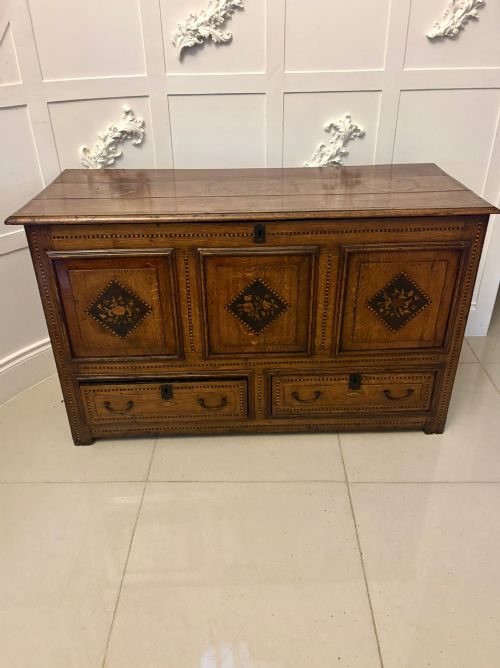
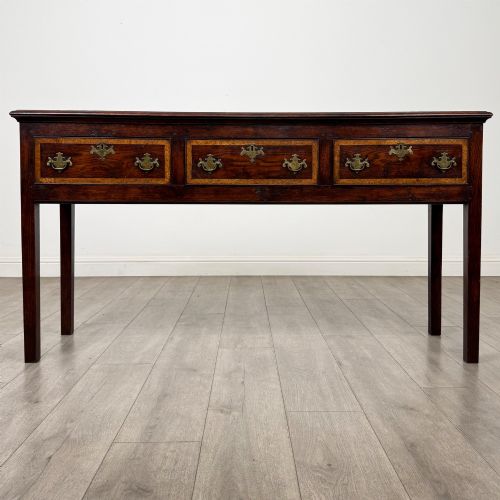
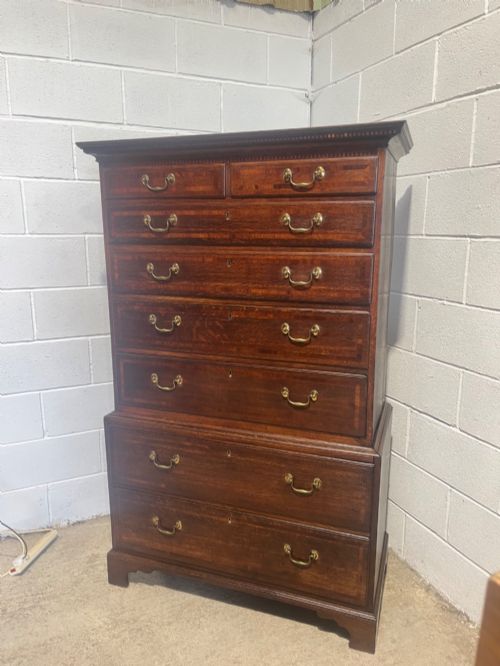
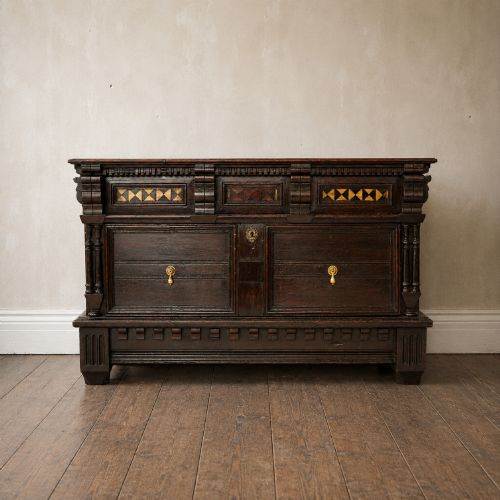
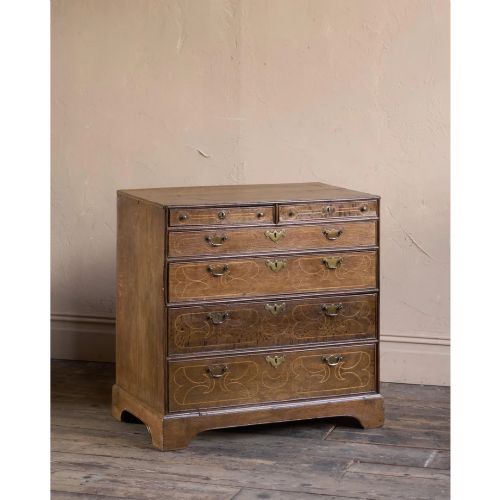
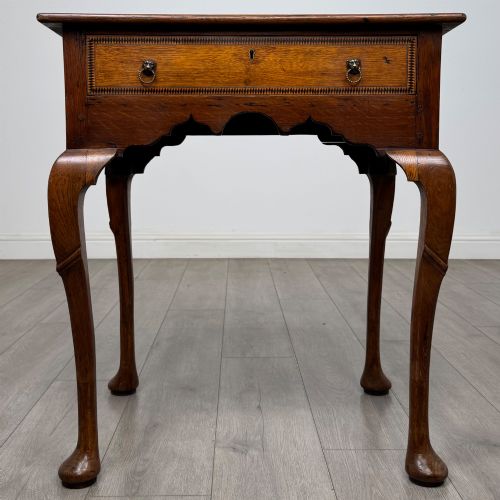
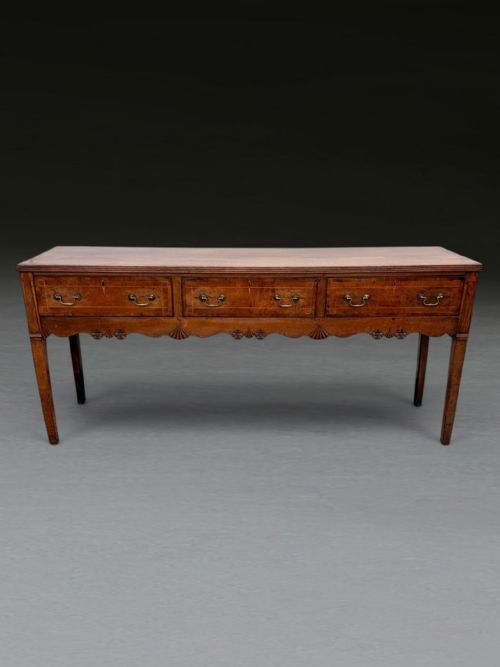
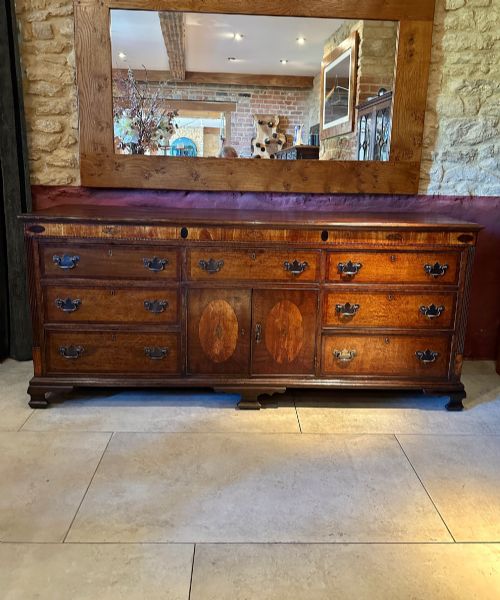
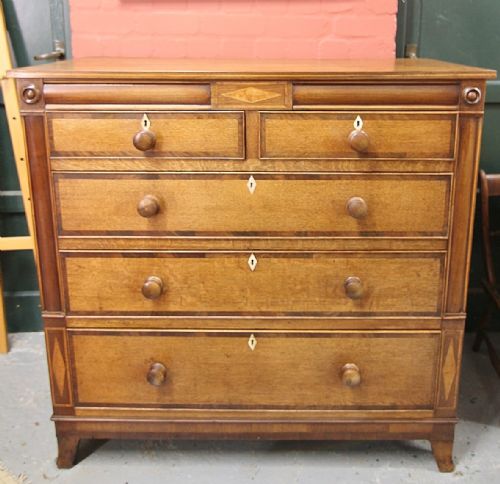
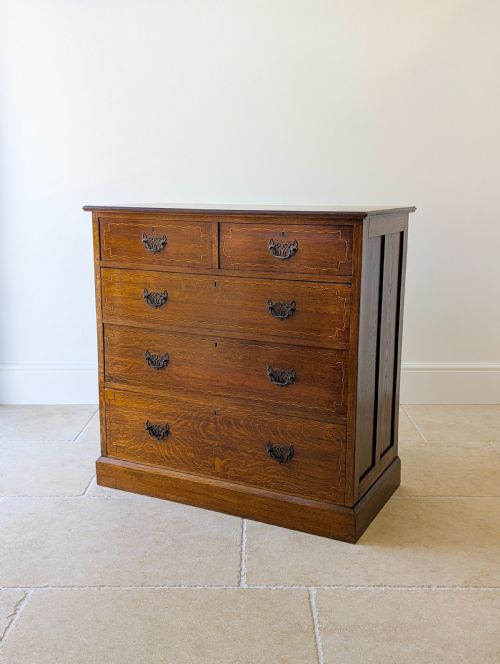
Inlaid oak drawers span utilitarian storage furniture designed for domestic storage across multiple centuries, primarily appearing as chests of drawers, mule chests, and dresser bases. Buyers seeking this search phrase encounter pieces stretching from the seventeenth century through the Edwardian period, each reflecting the domestic requirements of its era.
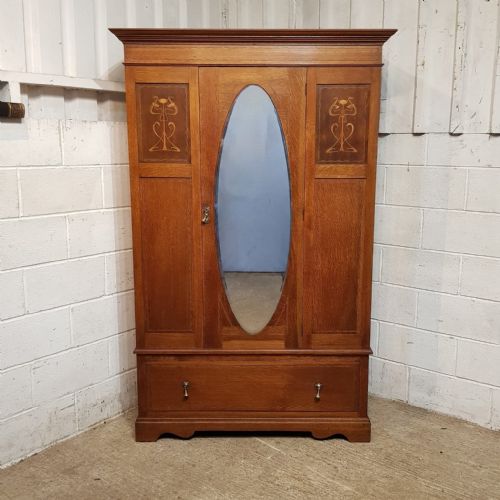
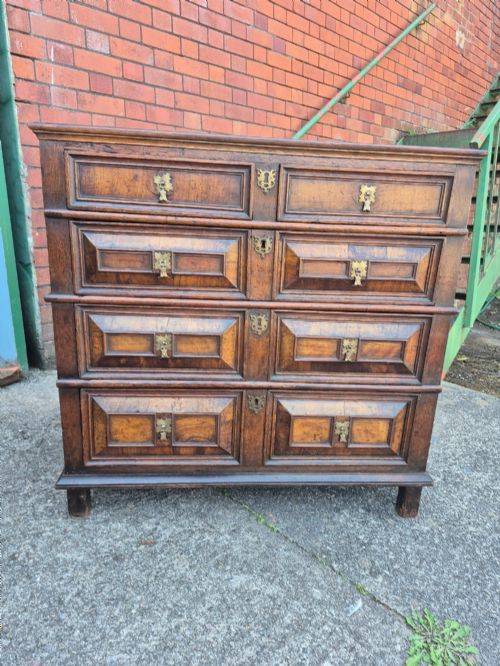
Early examples include seventeenth-century and Jacobean chests and mule chests decorated with marquetry, whilst Georgian and nineteenth-century pieces adopt taller proportions or stand upon bracket feet and stands. Edwardian and Arts and Crafts examples adapt the form with lighter framing and integrated decorative motifs suited to later domestic interiors.
How they were made
Constructed principally from solid oak timbers, these pieces frequently incorporate secondary woods such as walnut, mahogany, fruitwood, and satinwood for contrasting details. Cabinet makers utilised native and imported hardwoods to build robust carcases designed to withstand generations of daily use.
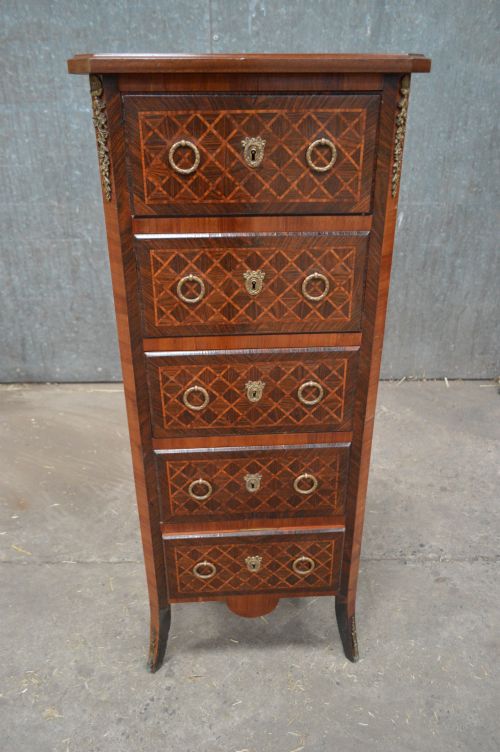
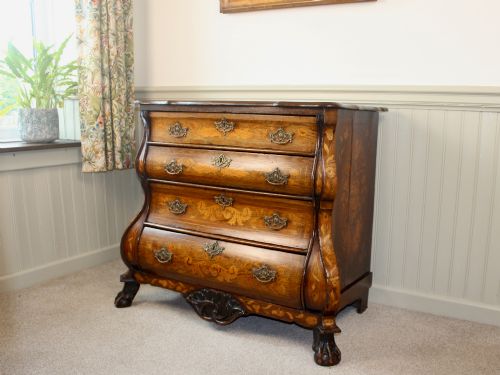
Decoration relies upon specialised surface techniques including marquetry inlay, parquetry, line inlay, geometric mouldings, and oyster veneering. Workshops embedded contrasting wood veneers into the primary oak panels, securing them with traditional animal glues and finishing surfaces with hand-rubbed polishes.
Secret drawers hidden within larger chests proved handy for stashing family secrets, love letters, or emergency cash away from prying eyes.
What varies in quality
The standard of execution in the inlay work largely determines the distinction between ordinary and superior examples. Precision in cutting contrasting timbers for geometric patterns, floral marquetry, or herringbone banding reveals the hand of a skilled artisan.
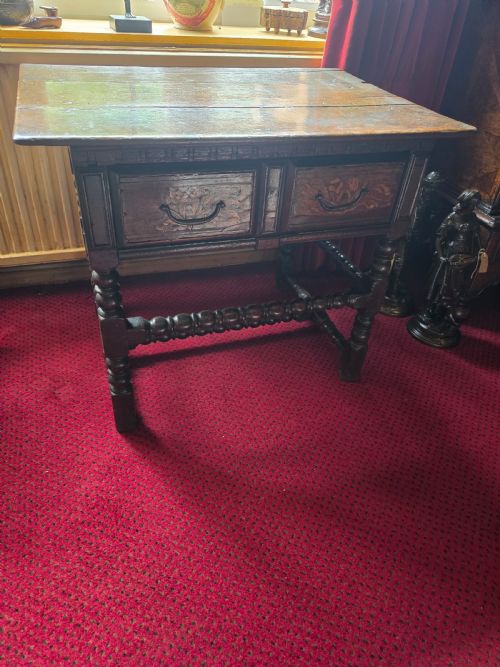
Structural integrity and the retention of original hardware, such as brass drop handles and escutcheons, elevate a piece. The quality of internal drawer construction, including timber linings and smooth running tracks, indicates the original workshop ambition.
Wright and Hunter of Belfast·B Cohen and Sons
The Inlaid Oak Drawers Glossary
- Mule chest
- A storage chest fitted with one or more working drawers at the base. This form bridges the gap between traditional blanket boxes and modern drawer chests.
- Marquetry inlay
- An elaborate decorative technique arranging pieces of wood veneer into pictorial or geometric patterns. Artisans meticulously fit these contrasting elements into prepared recesses on the furniture surface.
- Oyster veneer
- Slices cut transversely from small branches or roots to create circular patterns resembling oyster shells. This decorative surface treatment gained popularity during the seventeenth century.
- Crossbanding
- A narrow strip of wood veneer applied to the borders of a drawer front or tabletop. The grain runs perpendicular to the surrounding panel to create a neat visual frame.
- Dresser base
- A low sideboard fitted with drawers, historically utilised in kitchens and dining rooms for food preparation and storage. Surviving examples often feature substantial oak construction.
Inlaid Oak Drawers: Frequently Asked Questions
How do I date an oak chest?
Dating relies on examining construction methods, timber selection, and hardware styles across the piece. Hand-cut dovetails and pegged frame joints generally point towards earlier manufacturing periods.
Secondary woods and lining materials provide further clues. Later pieces often incorporate machine-cut elements and standardised ironmongery absent in seventeenth-century work.
Where should I place a chest of drawers?
These robust storage pieces fit naturally into bedrooms, hallways, and living spaces where functional surface space is required. Their natural wood tones complement both traditional and contemporary interiors.
Keep timber furniture away from direct heat sources and strong sunlight to protect polished surfaces and prevent wood shrinkage.
What is a mule chest?
A mule chest combines a traditional lidded blanket box with one or more operational drawers beneath the main compartment. This design evolution allowed easier access to stored textiles without lifting the heavy top lid.
They served as versatile household storage items in seventeenth and eighteenth-century homes before dedicated drawer chests became universal.
How do I clean inlaid surfaces?
Maintain polished wood and inlaid details by dusting regularly with a soft, dry cloth. Avoid applying modern silicone sprays or household polishes that build up sticky residues over time.
Occasional applications of high-grade beeswax nourish the dry oak and protect delicate veneer borders without harming historic finishes.