



Inlaid Oak Credenza
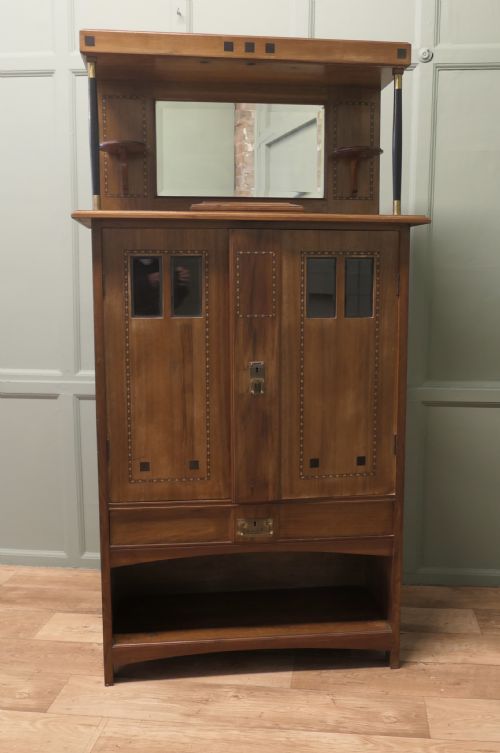
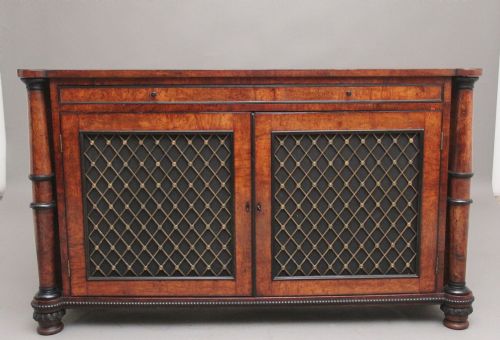
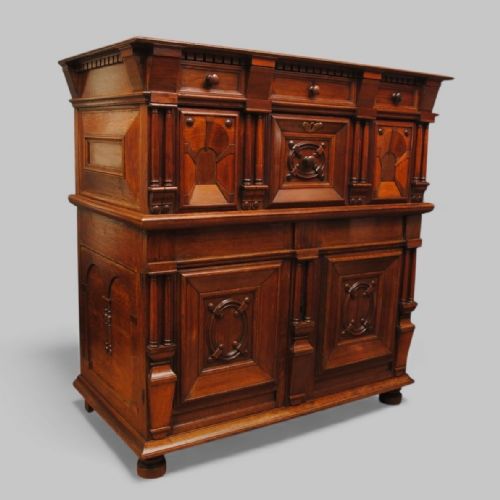
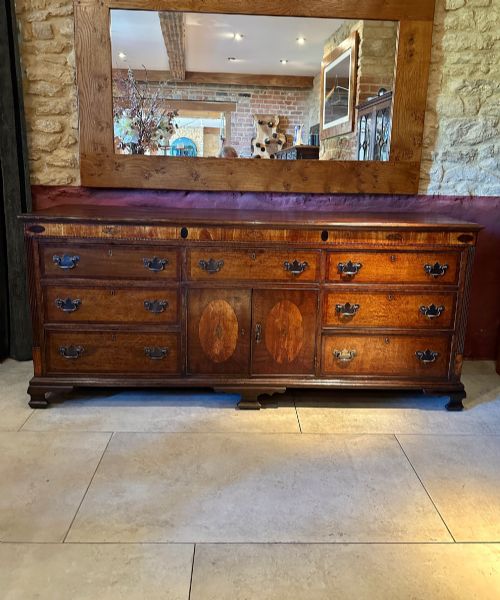
An inlaid oak credenza brings substantial storage and distinct timber grain into a room, combining robust construction with decorative surface work.
Inlaid Oak Credenza
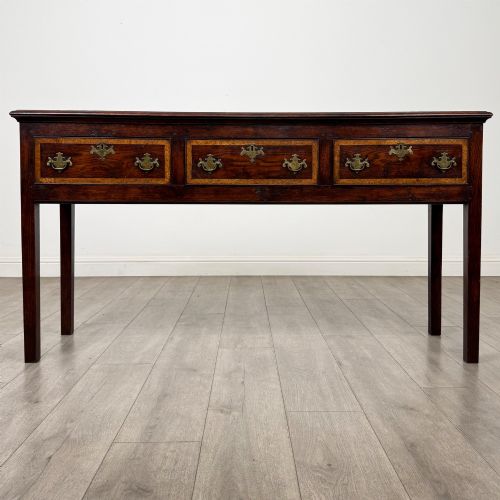
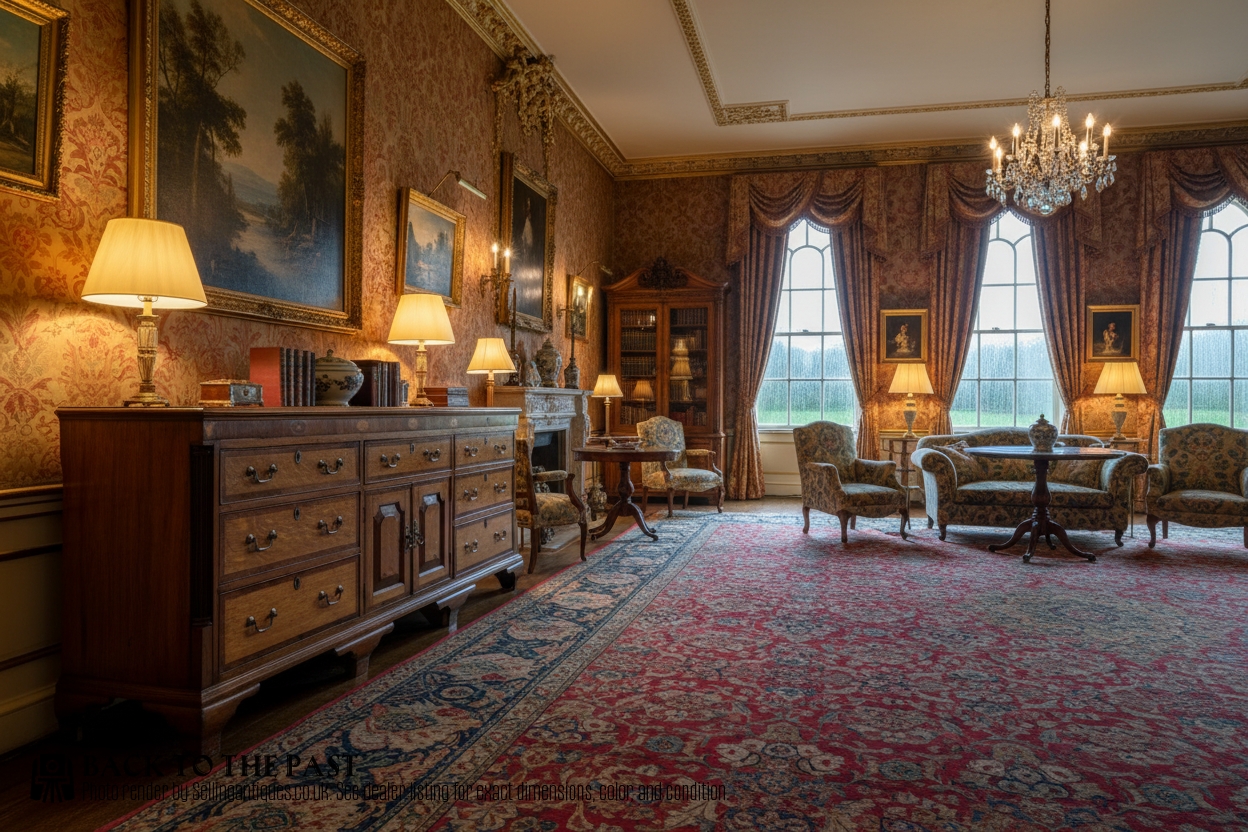
An inlaid oak credenza is a heavy storage piece that relies on the strength of oak and the contrast of decorative wood inlay. Buyers searching for an inlaid oak credenza will encounter forms ranging from Victorian cabinets to Georgian dresser bases.
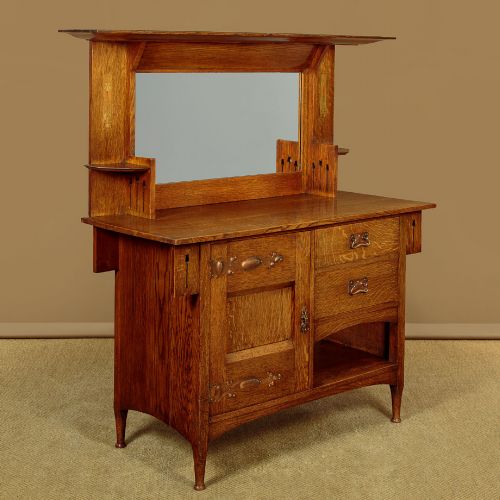
The selection includes pieces spanning several centuries, notably the nineteenth and twentieth centuries, alongside earlier provincial examples. Sideboards, dressers, and display cabinets also appear under this grouping, sharing timber construction and surface ornament.
Materials and construction
Wood inlay and marquetry define the decorative surface, requiring precise cutting of contrasting timbers to create geometric or floral patterns. Carved elements and applied mouldings add depth to the structural frame.
Some cabinetmakers hid intricate fruitwood patterns where only you would see them when opening a stubborn drawer.
Judgements of quality
Quality rests upon the selection of timber figures, such as pollard oak or burr elm, and the crispness of the inlay work. Finer examples display tight joints and carefully chosen grain alignment across large surfaces.
The sophistication of the design dictates the standing of a piece, separating straightforward provincial storage from ambitious cabinetmaking attributed to known workshops.
Shapland and Petter·Bruce Talbert·Gillows
The Inlaid Oak Credenza Glossary
- Marquetry
- Decorative veneer work forming pictures or patterns by using different coloured and textured woods. This technique requires considerable skill to fit the pieces flush.
- Pollard Oak
- Timber taken from oak trees that have been pollarded, producing a dense grain full of small knots and swirls. Cabinetmakers prize this wood for its decorative figure.
- Dresser Base
- A low sideboard fitted with drawers and cupboards, originating as a kitchen table with storage underneath. Later versions incorporate refined inlay and decorative panels.
Inlaid Oak Credenza: Frequently Asked Questions
Where should I place a credenza?
These substantial pieces suit dining rooms, large hallways, or living spaces where they provide both surface area and enclosed storage. Their depth requires adequate floor clearance so doors and drawers open fully.
Positioning a credenza away from direct heat sources protects the oak timber and prevents the inlay from drying out or lifting over time.
How do I care for inlaid oak?
Maintenance involves dusting with a dry cloth and occasionally applying traditional beeswax to nourish the timber. Avoid liquid polishes that contain silicones, which can damage aged finishes.
Keeping the room at a stable humidity level prevents the oak from expanding and protects the delicate marquetry from separating.
How do I identify the period?
Dating relies on construction methods, timber choices, and decorative styles such as Arts and Crafts or Georgian proportions. Secondary woods inside drawers and the style of brass handles offer further clues.
Comparing the complexity of the inlay and the overall form helps place a piece within its historical manufacturing era.
What is the difference between a credenza and a sideboard?
A credenza traditionally functions as a low cabinet for display and storage, often featuring elaborate marquetry and enclosed cupboards. Sideboards share similar storage purposes but frequently include tiered plate racks or dresser backs.
Terminology often overlaps in antique listings depending on the regional origin and specific proportions of the piece.