



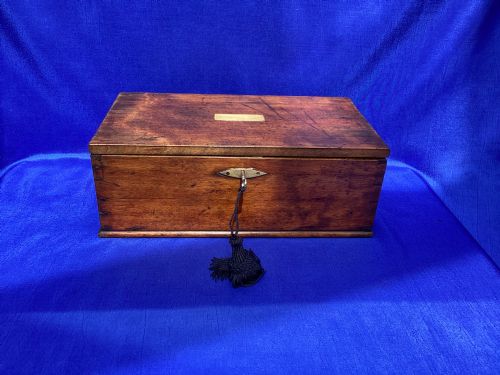
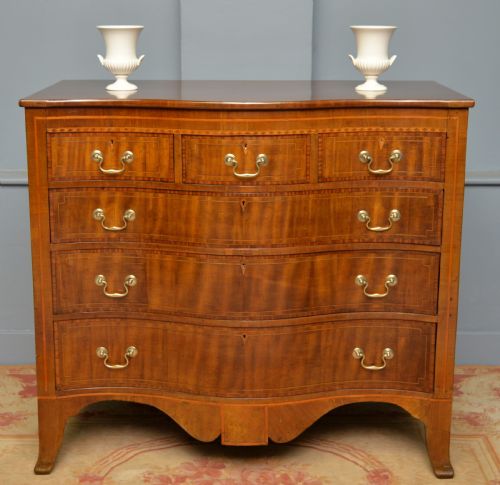


Inlaid Mahogany Storage Box
An inlaid mahogany storage box brings together rich timber and precise contrasting details to hold everything from tea to tools.
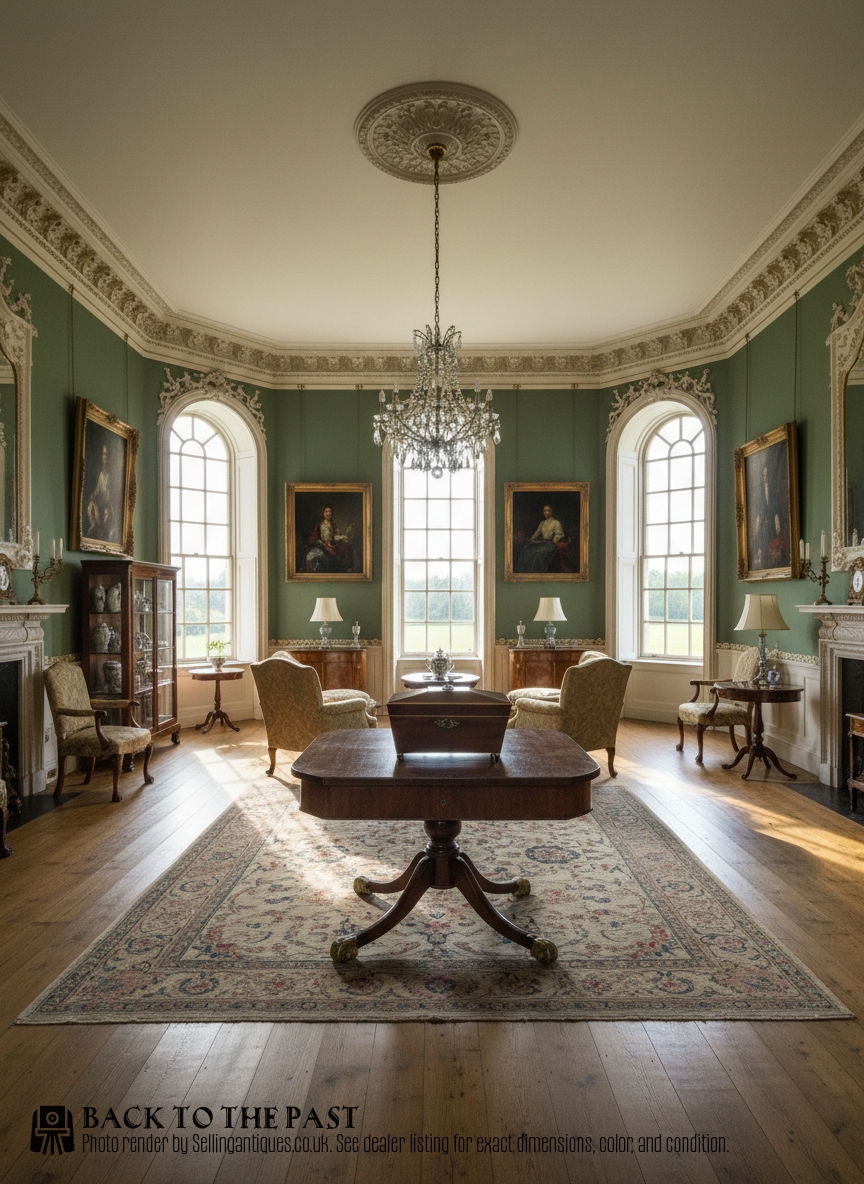
Inlaid Mahogany Storage Box
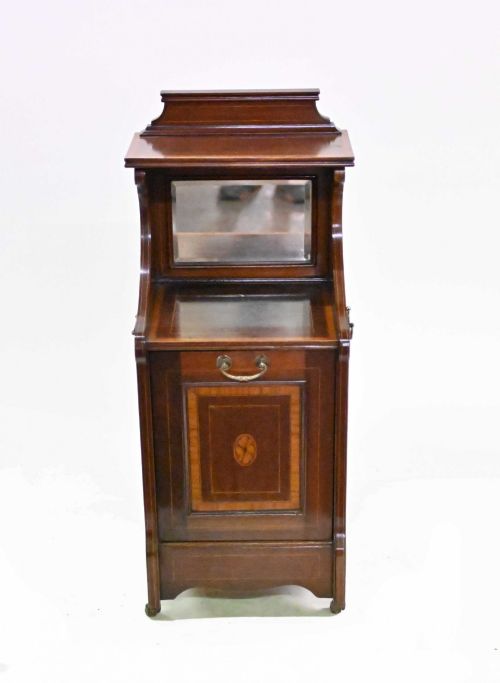
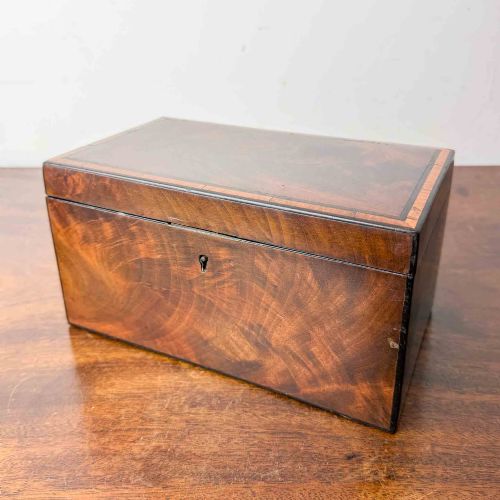
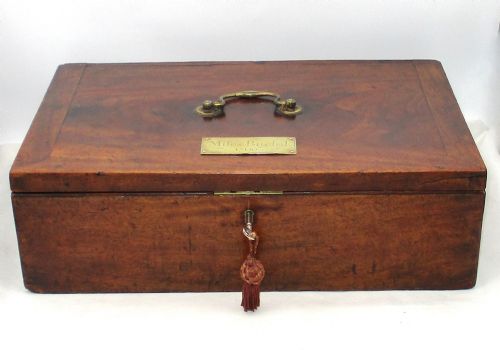
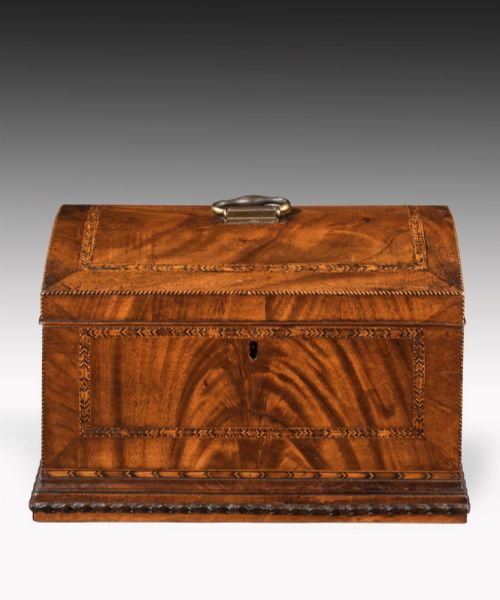
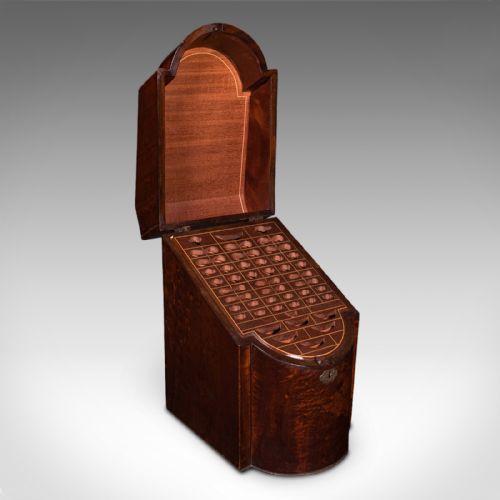
When you examine an inlaid mahogany storage box, you encounter forms that span several centuries, with tea caddies, cellarettes, document boxes, and tool chests appearing most frequently across Georgian, Victorian, and Edwardian periods. These pieces range from compact tabletop tea containers to substantial floor-standing coal scuttles and music cabinets, each designed to keep domestic or professional items secure.
The majority of pieces you will meet on this page belong to the Georgian and 19th Century eras, reflecting the domestic habits of earlier households where personal valuables, writing materials, and dried leaves required dedicated receptacles. The craftsmanship adapts mahogany to varied enclosures, sometimes shaped with serpentine fronts, domed lids, or oval profiles.
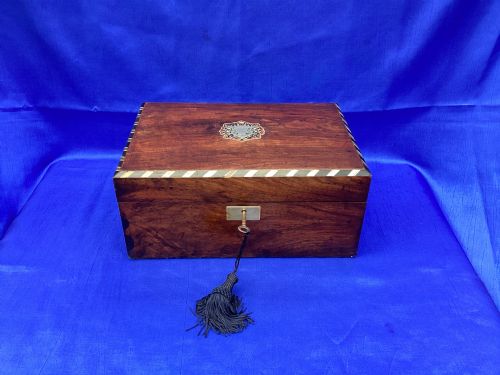
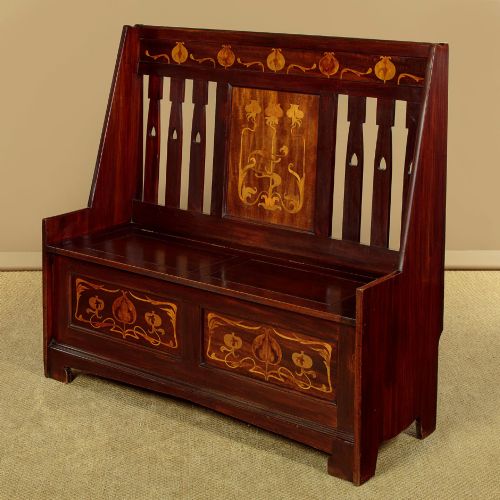
Makers and workshops applied decorative motifs directly into the primary timber, creating focal points on lids and drawer fronts that distinguish simple utility boxes from finer parlour furnishings. Whether structured for cutlery, documents, or fireside fuel, these vessels retain their original purpose while serving as prominent decorative objects.
Materials and construction
Cabinet makers built these boxes using solid mahogany or applied veneers over secondary timbers, selecting the wood for its grain pattern and depth of colour. They integrated contrasting lighter materials such as boxwood, satinwood, bone, and ebony to form geometric borders, star motifs, and shell emblems.
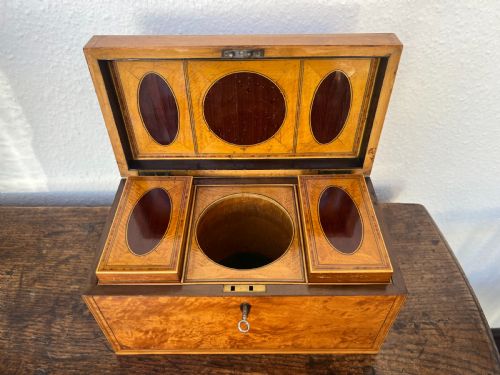
Metal components including brass handles, hinges, and locks were fitted flush or secured with small screws to complement the dark timber. Interiors frequently featured fitted compartments lined with velvet, metal canisters, or divided sections tailored to the specific contents the box was made to hold.
Inlaid Mahogany Storage Box Retail Price Guide 2026
Typical asking prices for inlaid mahogany storage box among the pieces listed under this phrase on Sellingantiques today, from the lower quarter to the upper quarter. They describe what is for sale here now, not the wider market.
Listings feature mahogany paired with brass, boxwood, satinwood, and ebony across Georgian, Regency, Victorian, and Edwardian periods.
What separates the finest examples
The standard of execution in the inlay work dictates much of the distinction between pieces, where tight joints and precise insertion of contrasting woods show the hand of a skilled artisan rather than hurried production. The choice of mahogany itself contributes to this separation, with figured grains such as fiddleback or carefully matched veneers indicating higher ambition in the workshop.
Proportion and the retention of original interior fittings, from metal tea canisters to fitted tool trays, anchor the integrity of the piece. Subtle details like shaped serpentine fronts, well-cast brass hardware, and clean dovetail joints distinguish workshop creations intended for wealthy patrons from standard commercial boxes.
James Shoolbred and Co·Freemans of Norwich·Holtzapffel and Co
The Inlaid Mahogany Storage Box Glossary
- Inlay
- A technique where pieces of contrasting material are set into the surface of the primary wood to form a decorative pattern. This method was widely used on Georgian and Victorian boxes to create borders and central motifs.
- Cellarette
- A lockable container used for storing bottles of wine or spirits, often lined with lead or metal. These are found in floor-standing or large tabletop formats.
- Teapoy
- A small stand or large caddy designed to hold tea, usually fitted with internal canisters and mixing bowls. They sit on a central pillar or short legs.
- Purdonium
- A domestic coal box or scuttle designed for fireside use, typically featuring a sloping front and a hinged lid. Edwardian examples often incorporate wood inlay.
- Fiddleback mahogany
- A highly figured variety of mahogany featuring wavy cross-grain patterns that resemble the back of a violin. It commands attention for its shimmering visual depth.
Inlaid Mahogany Storage Box: Frequently Asked Questions
What did they store inside?
These boxes held valuable commodities like loose tea leaves, documents, cutlery, writing implements, and workshop tools. Interiors were often partitioned or lined to protect specific contents.
Larger containers accommodated wine bottles or fireside coal, keeping utilitarian items hidden away within refined domestic spaces.
How do I date a Georgian piece?
Georgian boxes often display characteristic proportions, hand-cut dovetails, and restrained inlay patterns like boxwood lines or simple star motifs. Wood species and brass hardware styles provide further chronological markers.
Consulting the secondary timbers inside the box and the construction of the hinge plates helps confirm the exact period of manufacture.
Are the interior canisters original?
Many tea caddies retain their original metal or glass canisters, which fit snugly into internal wooden dividers. Replacements are common due to the perishable nature of tea storage.
Examining the fit and wear patterns inside the compartments reveals whether the internal fittings have remained with the box since its construction.
Where should I place one at home?
Tabletop boxes sit comfortably on sideboards, desks, or chests of drawers where their inlaid lids remain visible. Larger floor-standing cellarettes and coal scuttles function well as standalone statement pieces.
Keep them away from direct sunlight and strong heat sources to protect the mahogany veneer and delicate stringing from drying out.