
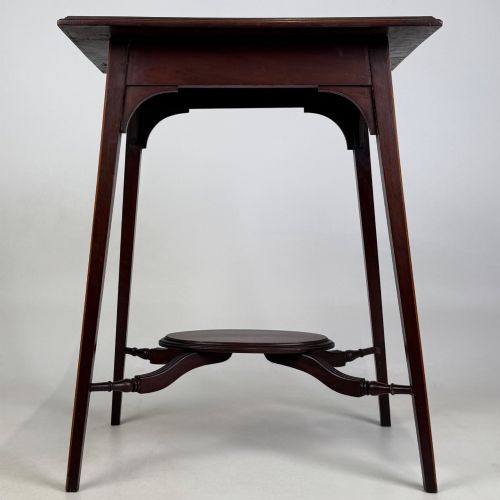
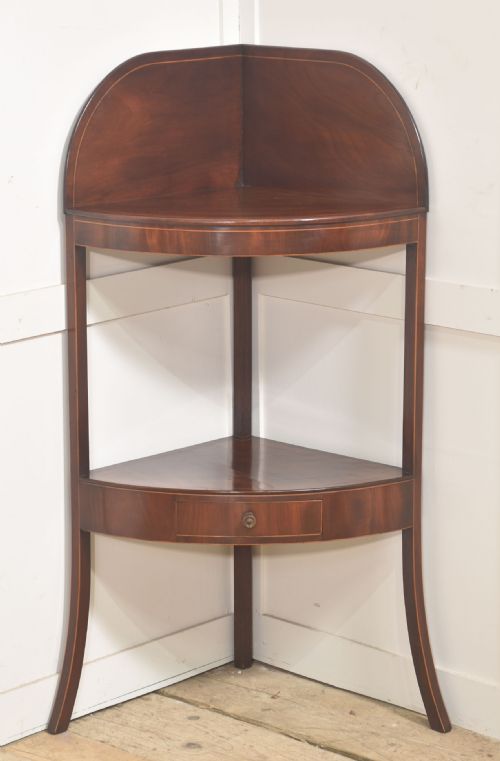


Inlaid Mahogany Corner Table
An inlaid mahogany corner table brings warmth and corner-fitting utility to a room through centuries of cabinet-making.
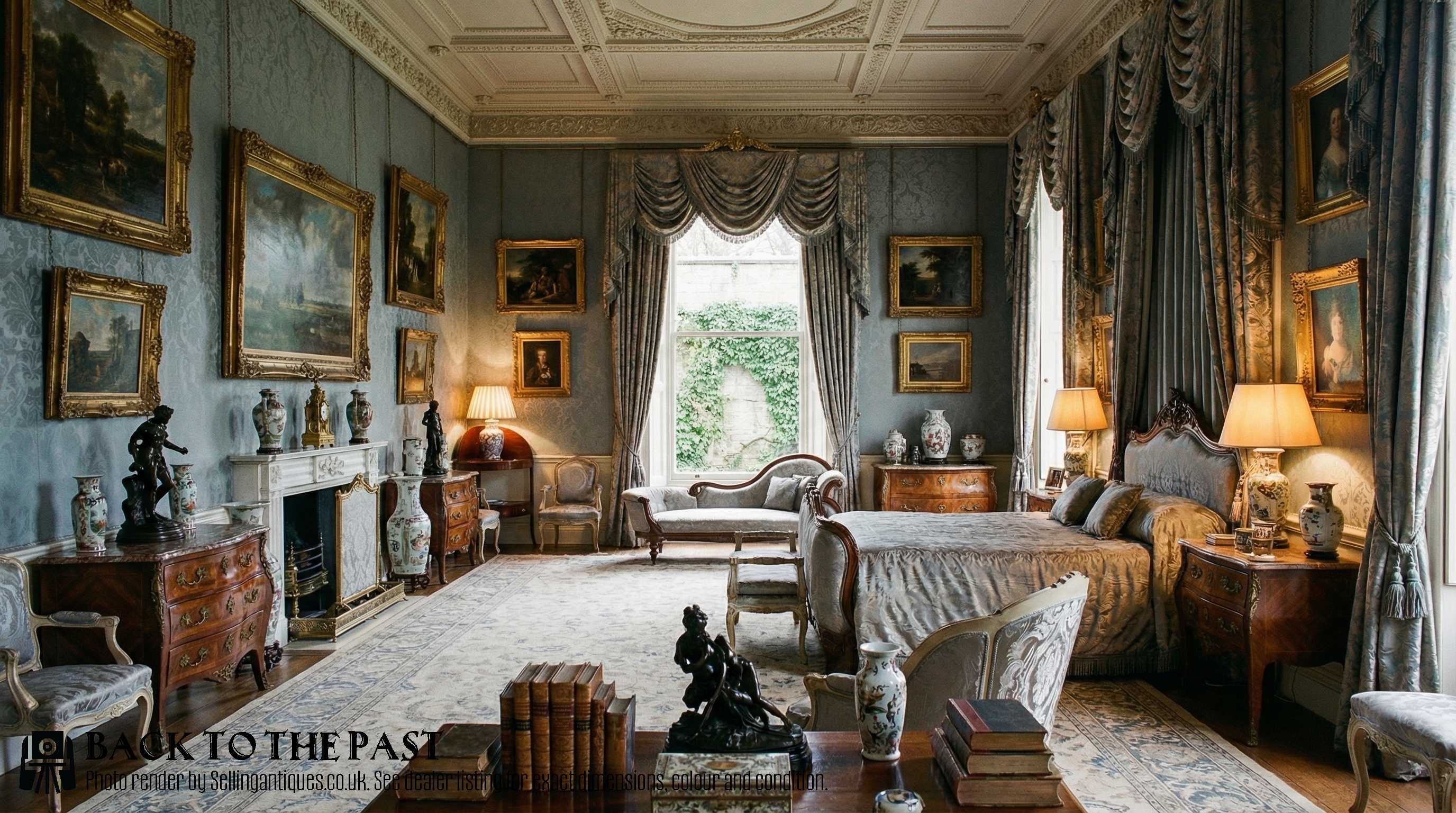
Inlaid Mahogany Corner Table
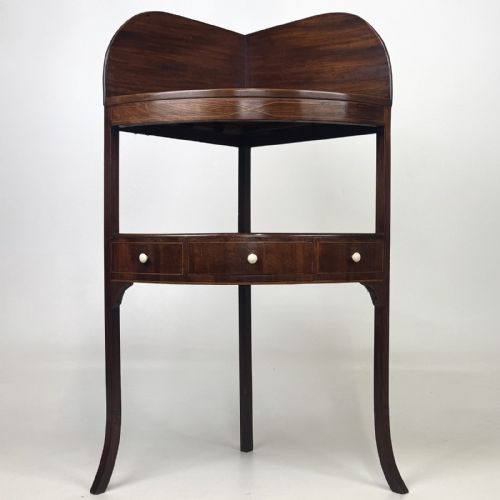
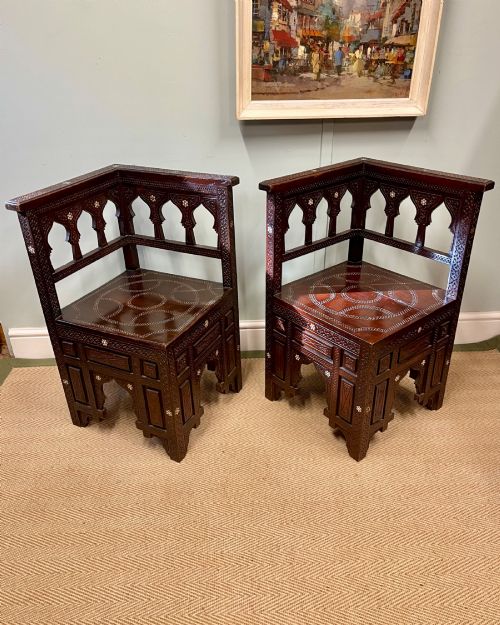
An inlaid mahogany corner table is a practical antique designed to fit neatly into the junction of two walls, making clever use of awkward domestic space. You will frequently encounter forms intended as washstands or occasional tables, spanning periods from the Georgian era through to the Edwardian years.
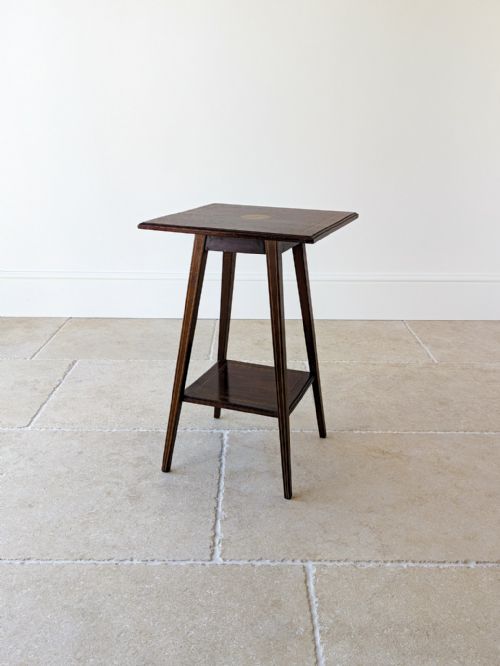
The selection ranges from simple Georgian washstands to decorative Edwardian and Sheraton Revival occasional tables. These pieces often feature contrasting wood details, standing as functional furniture with distinct period character.
How they were made
Cabinet-makers built these tables primarily using mahogany, selected for its rich grain and structural stability. Workshops added decorative detail through contrasting boxwood and satinwood inlay, creating crisp linear borders and motifs.
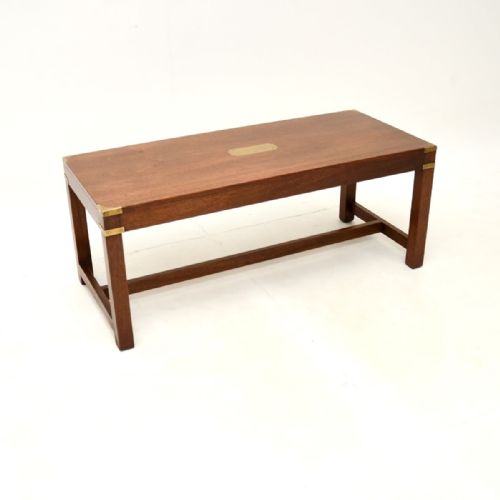
Some examples incorporate secondary timbers like fruitwood or walnut, alongside functional brass hardware. Construction methods relied on traditional joinery to shape the curved bow fronts and triangular tops suited for corners.
What varies in quality
Quality rests in the crispness of the boxwood or satinwood inlay and the careful matching of the mahogany veneers. Finer pieces display refined proportions and deliberate attention to the subtle curves of a bow front.
The distinction between standard utility items and finer examples lies in the restraint of the design and the integration of the decorative stringing into the primary timber.
The Inlaid Mahogany Corner Table Glossary
- Mahogany
- A durable tropical timber valued for its deep reddish-brown colour and smooth finish. It served as the primary material for high-quality case furniture and tables across the eighteenth and nineteenth centuries.
- Boxwood inlay
- Narrow strips of pale boxwood inserted into grooves in the mahogany surface to form contrasting lines. This technique defines the Sheraton Revival and Edwardian decorative styles.
- Bow front
- A convex, outwardly curved front edge on a table or cabinet. This shape softens the angular geometry inherent in furniture designed for corners.
- Washstand
- A functional piece of furniture originally equipped with basins or jug apertures. Many surviving examples have been adapted over time for use as lamp or occasional tables.
Inlaid Mahogany Corner Table: Frequently Asked Questions
Where do I put a corner table?
These tables find a natural home in the meeting point of two walls where standard rectangular furniture leaves empty space. They anchor a neglected corner in a hallway, bedroom, or sitting room.
Because of their compact triangular footprints, they hold a lamp, small display items, or a plant without crowding the floor area of smaller rooms.
How do I spot a Georgian piece?
Georgian examples rely on heavier proportions, deeper mahogany tones, and restrained use of boxwood stringing. The construction feels utilitarian yet solid, reflecting the practical origins of washstands and cupboards from that era.
Later Edwardian and Sheraton Revival interpretations often introduce lighter satinwood inlays, crisper banding, and more decorative occasional table forms.
Were these always tables?
Many surviving corner tables began life as washstands designed for bedrooms. Cabinet-makers built them with specific tiers or basins cut into the tops.
Over generations, owners adapted these washstands into lamp tables or display stands by filling or covering the original basin recesses.
How do I clean mahogany?
Maintain mahogany surfaces by dusting with a soft, dry cloth to prevent grit accumulation. Avoid modern silicone polishes that build up a hazy film over the historic finish.
Feed the timber periodically with traditional beeswax to preserve the natural lustre and depth of the grain.