




Period Corner Stand
A period corner stand saves space while anchoring a room, offering practical storage and display across Georgian and Regency forms.
Period Corner Stand
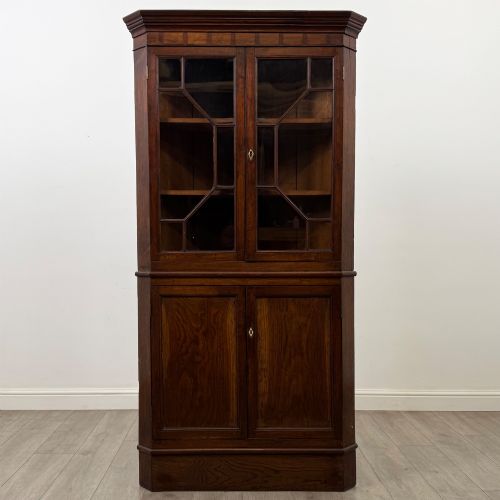
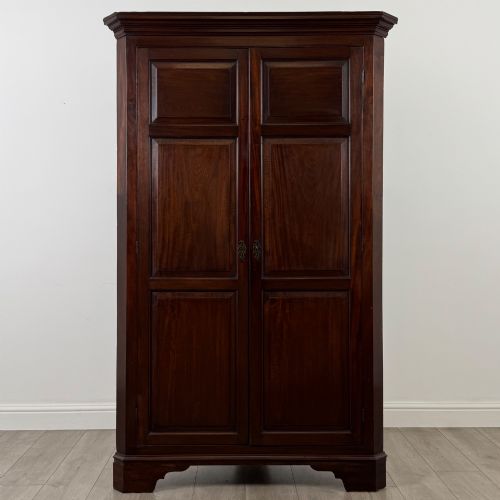
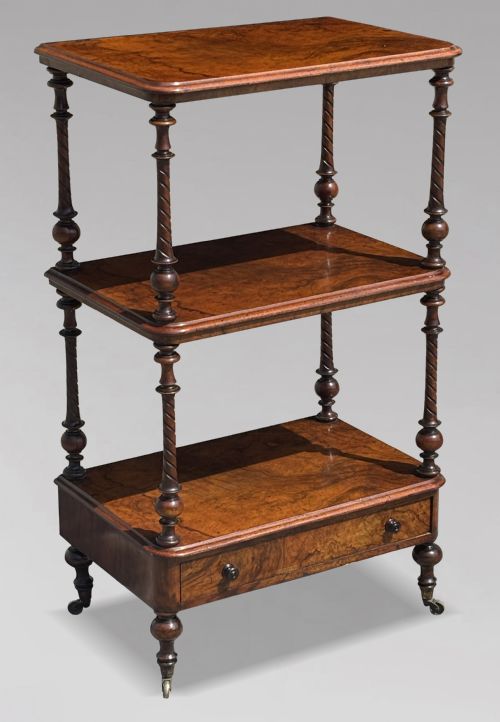
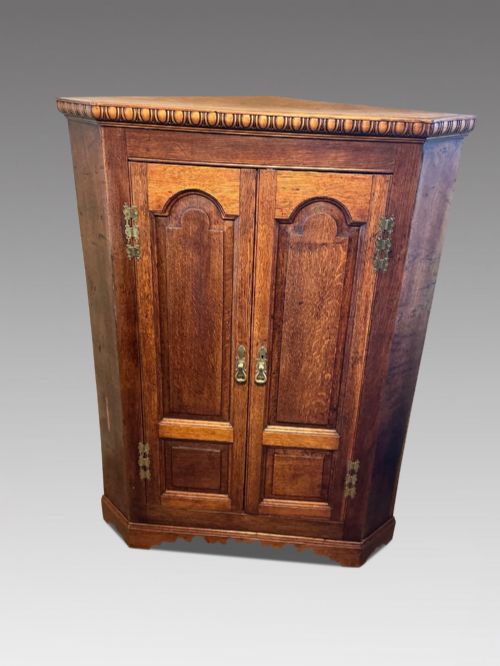
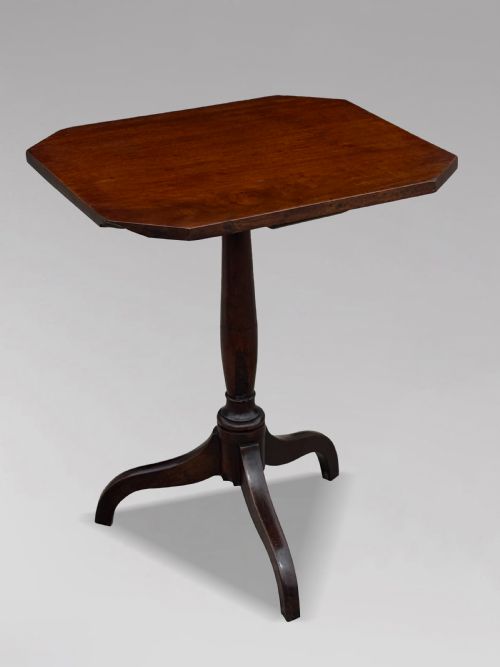
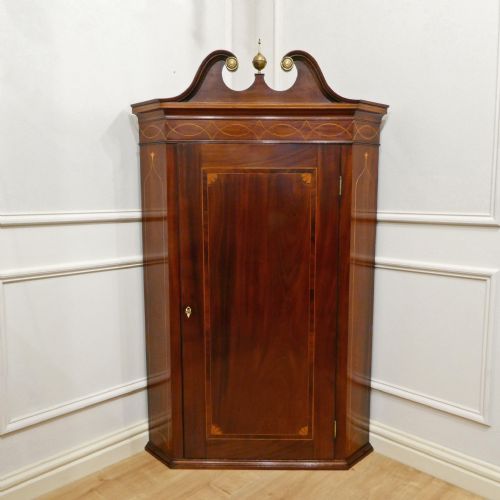
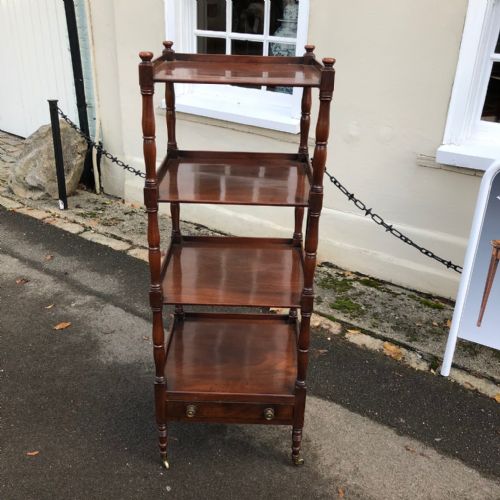
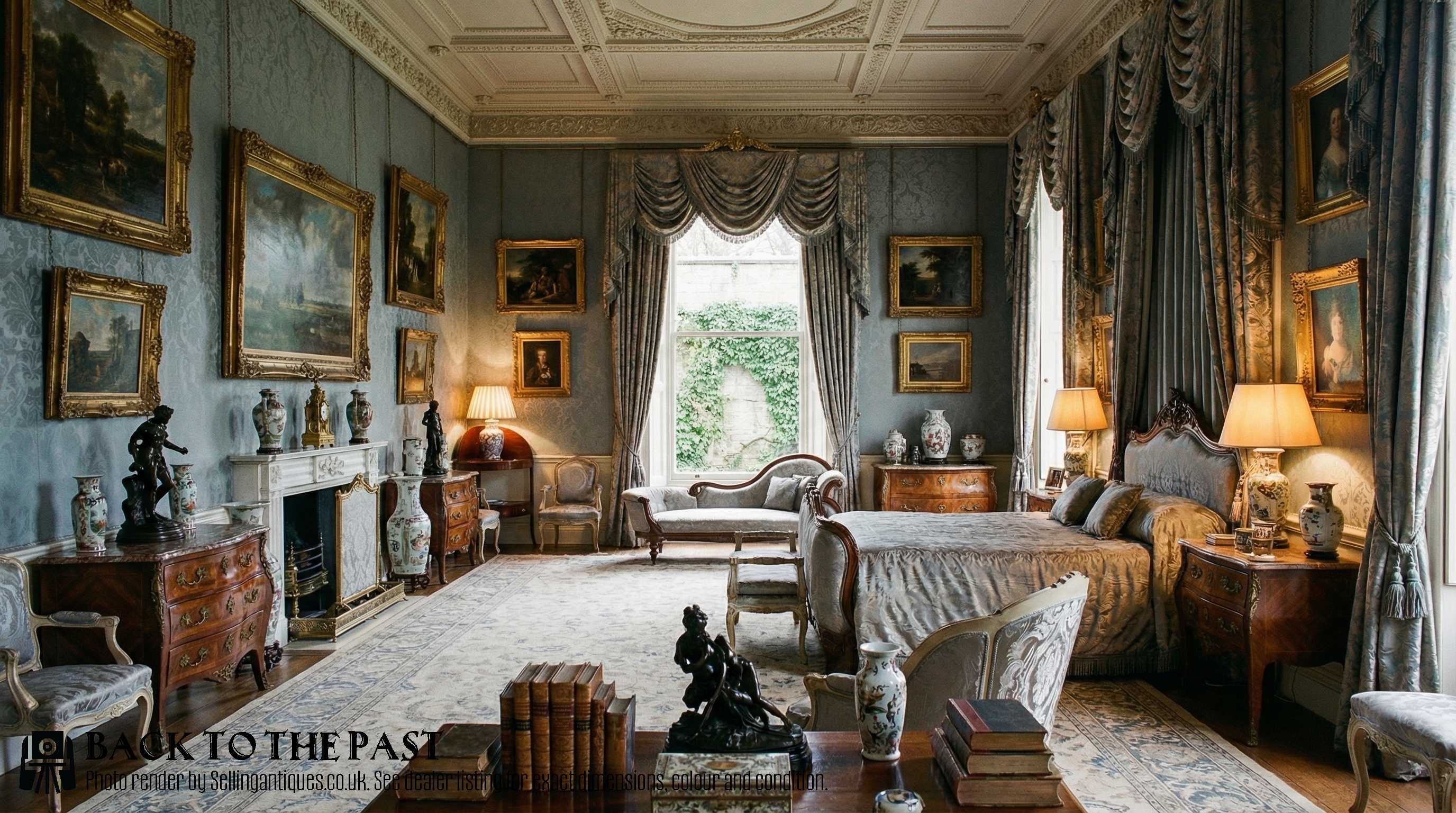
A period corner stand solves the architectural challenge of empty angles by fitting snugly into room junctions. Buyers seeking a period corner stand encounter floor-standing cupboards, wall-hung cabinets, and multi-tiered etageres designed to maximise awkward spaces. The most common forms on this page span Georgian and 19th Century oak or mahogany pieces built for display and storage.
Early examples frequently utilise robust oak with panelled doors and standing floor profiles, while later Regency and Victorian iterations introduce lighter woods, multiple tiers, and specialised functions like washstands. These variations reflect domestic shifts from hidden storage toward open display for books, ceramics, and ornaments. Selecting a piece depends entirely on whether the room requires closed concealment or open shelving.
How they were made
Makers built these pieces primarily using solid mahogany, oak, and walnut, often pairing denser timbers with secondary softwoods for internal carcases. Timber selection dictated the structural integrity needed to support multiple shelves or heavy corner doors without sagging over time. Cabinetmakers employed dovetail joints for drawers and precise mortise and tenon construction for frames to withstand the shifting loads of domestic placement.
Surface finishing relied on hand-applied polishes and waxes that highlighted the natural grain patterns of mahogany and oak. Detail work included brass hardware, inlaid satinwood borders, and turned wooden supports for multi-tiered etageres and washstands. These traditional techniques ensured both durability and a refined decorative presence.
Period Corner Stand Retail Price Guide 2026
Typical asking prices for period corner stand among the pieces listed under this phrase on Sellingantiques today, from the lower quarter to the upper quarter. They describe what is for sale here now, not the wider market.
Listings feature woods spanning mahogany, oak, walnut, satinwood, bamboo, and glass across Georgian, Regency, and Victorian periods.
What varies in quality
Quality in a corner stand rests upon timber selection and the precision of the joinery rather than mere age. Superior examples feature well-figured mahogany or richly patinated oak with tight, hand-cut dovetails and original brass fittings. Inferior pieces often display clumsy timber matching, replaced hardware, or structural alterations that compromise the clean lines of the corner fit.
The sophistication of the internal shelving and door hanging also separates better workshop output from standard utility furniture. Pieces retaining original glazing, harmonious proportions, and intact structural feet command greater respect from collectors. Every detail should contribute to a cohesive silhouette that sits squarely against intersecting walls.
The Period Corner Stand Glossary
- Etagere
- A set of open shelves for displaying small objects or books. These tiered structures gained popularity during the Regency and Victorian periods.
- Washstand
- A specialised piece of furniture designed to hold a basin and pitchers for washing. Many feature cutouts in the top surface specifically for ceramic bowls.
- Whatnot
- A movable stand with multiple tiers used for ornaments or books. They appear frequently in 19th Century contexts.
- Bow front
- A convex, curved front section of a cabinet or chest. This curved shape softens the sharp angles typical of corner furniture.
Period Corner Stand: Frequently Asked Questions
How do I fit a corner stand?
Measure the wall angles carefully before purchase, as older houses often feature irregular walls that do not meet at precisely ninety degrees. Floor-standing models require stable contact with both adjoining surfaces to stand level.
Ensure that adjacent doors or architectural mouldings do not obstruct the opening radius of cupboard doors or the projection of tiered shelves.
What is a whatnot stand?
A whatnot is an open-tiered piece of furniture designed for displaying decorative objects rather than storing items behind closed doors. They emerged strongly in the Regency and Victorian eras.
These pieces use multiple slender supports to divide stacking shelves, creating a light visual profile suited to corners.
Are corner cupboards secure?
Most period corner cupboards rely on simple brass latches or small working locks rather than heavy security mechanisms. They were historically built to hold china, glass, or provisions safely out of the way.
Wall-hung variants require secure fixing directly into wall studs or masonry to support the weight of heavy oak or mahogany timbers.
How do I clean mahogany?
Maintain mahogany surfaces using a soft cloth and natural beeswax applied sparingly to nourish the wood. Avoid modern silicone sprays that build up a hazy film over time.
Keep wooden stands away from direct heat sources and strong sunlight to prevent the timber from drying out and the polish from fading.