

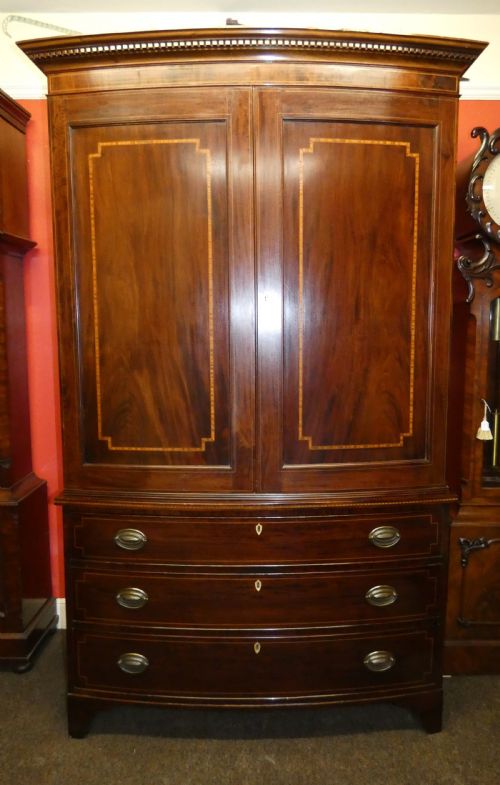
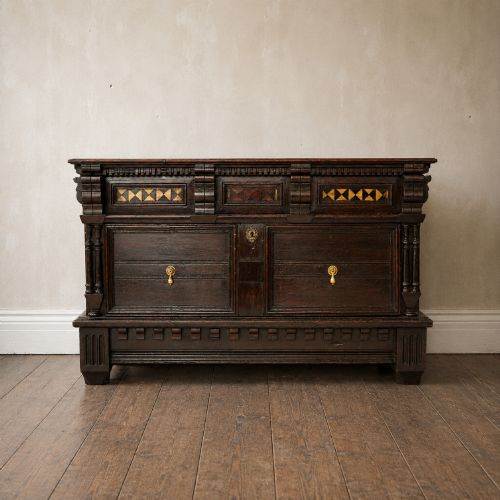
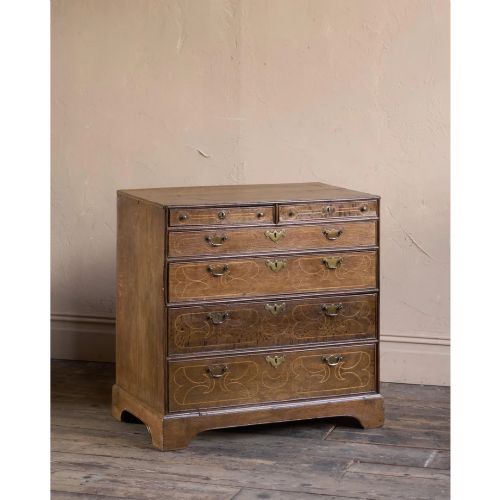
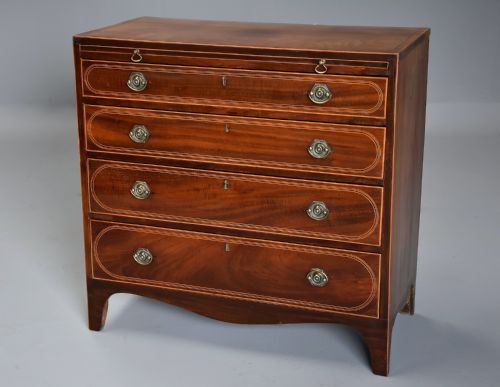
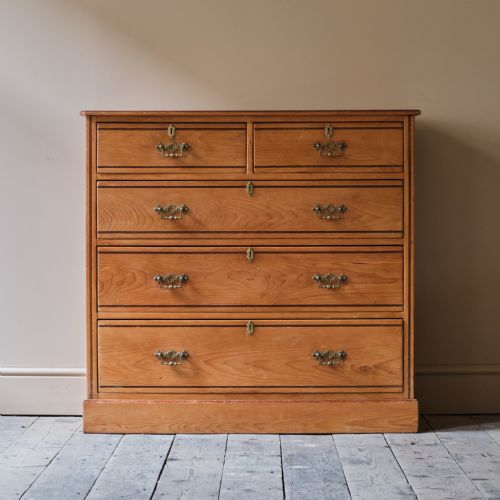

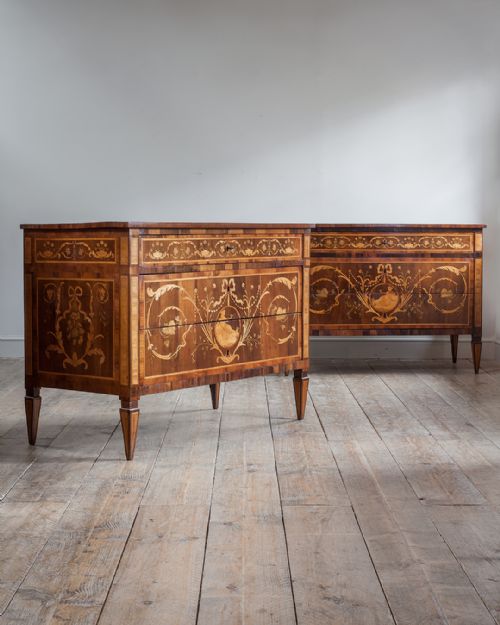
Inlaid Furniture Storage Chest
These inlaid furniture storage chests combine generous proportions with meticulous craftsmanship, offering timeless solutions for organising your home.
Inlaid Furniture Storage Chest
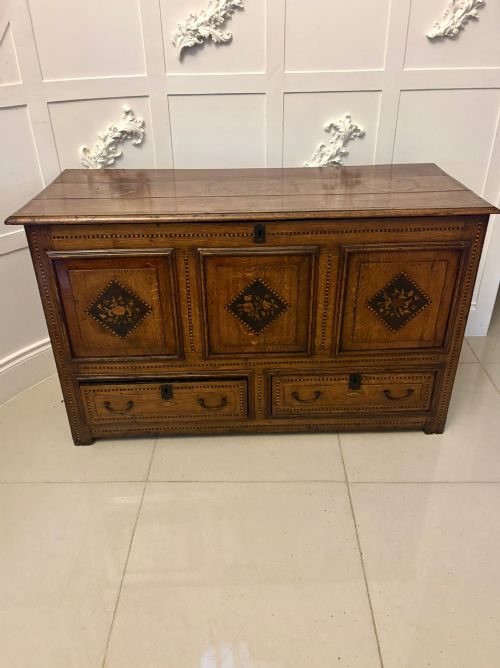
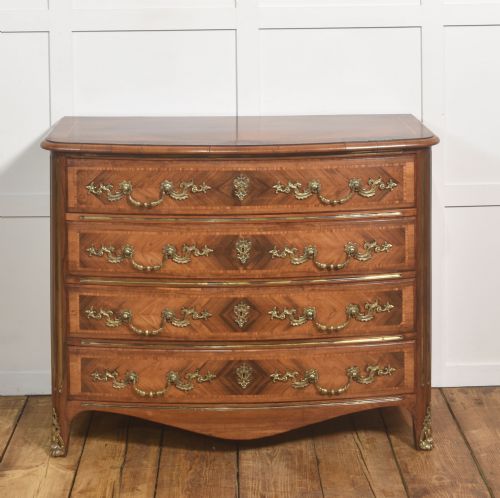
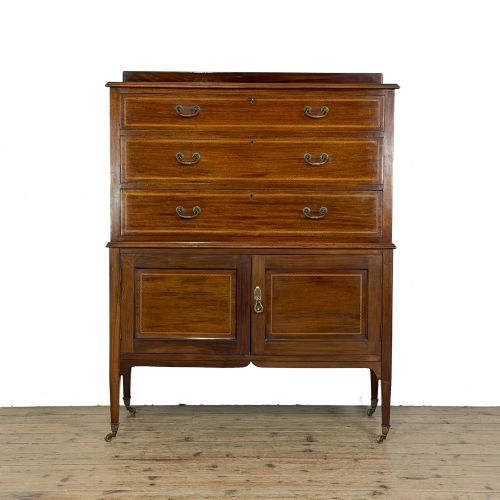
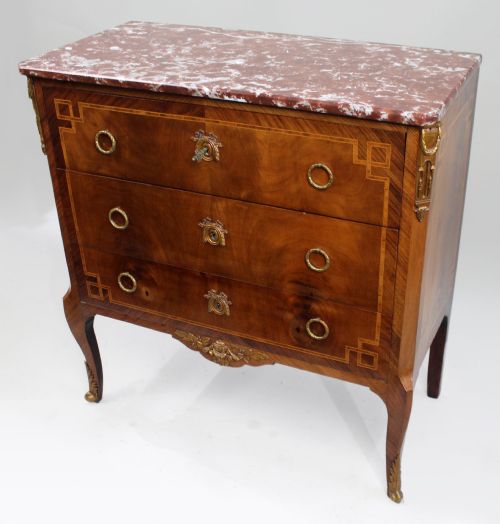
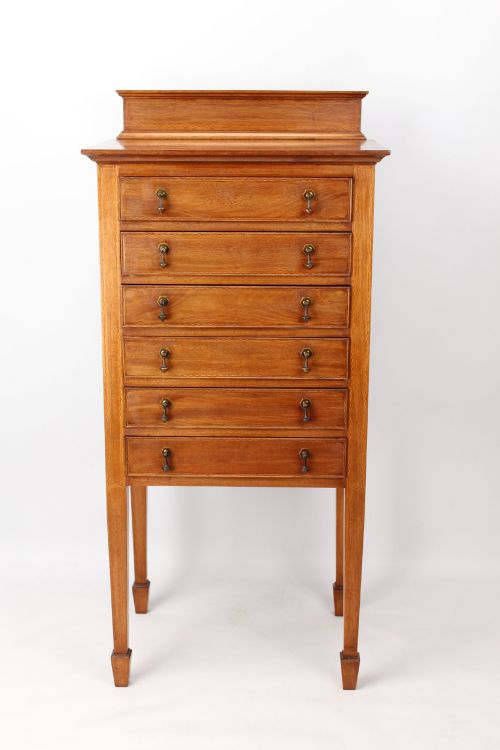
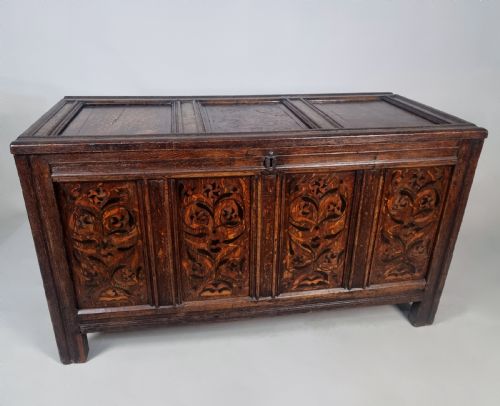
An inlaid furniture storage chest encompasses a diverse array of historical forms, ranging from sturdy oak mule chests to elegant mahogany commodes and tallboys. Buyers searching for an inlaid furniture storage chest will encounter various formats across this selection, including classic chests of drawers, linen presses, trunks, and coffers.
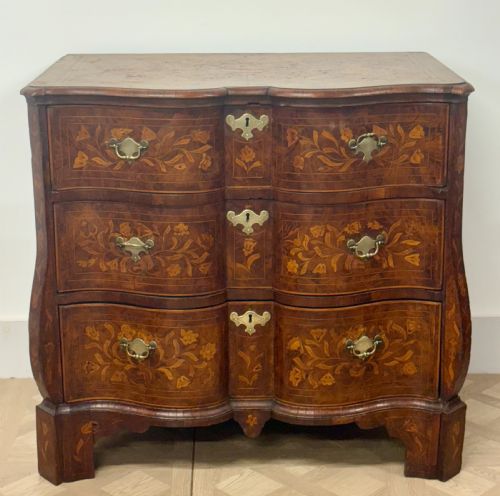
The pieces span multiple centuries and stylistic movements, featuring examples from the seventeenth, eighteenth, nineteenth, and early twentieth centuries. Georgian, Edwardian, and Victorian iterations appear frequently alongside Dutch Baroque and Aesthetic Movement specimens.
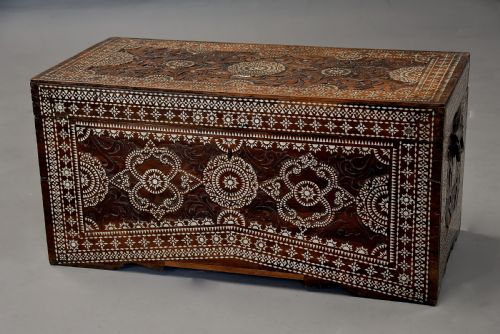
Origins vary widely across international workshops, yielding domestic British pieces alongside French commodes, Dutch walnut designs, and Middle Eastern trunks. This geographic breadth ensures a variety of timber tones and decorative motifs to suit different interiors.
Materials and construction techniques
Cabinetmakers utilised robust primary timbers such as mahogany, oak, and walnut, frequently applying fine veneers of satinwood, burr walnut, or kingwood to large surfaces. Structural integrity depended on traditional joinery methods suited to each period, accommodating timber movement over centuries.
Decorative surface enrichment relied heavily on marquetry and line inlay, utilising contrasting woods, boxwood, and brass elements. Certain pieces incorporate specialised details like mother of pearl or marble tops, demonstrating the maker's mastery over complex materials.
A seventeenth-century coffer bears a carved date of 1658, having quietly outlived the monarchy that preceded its creation.
Factors that distinguish quality
The precision and complexity of the marquetry or line inlay dictate much of the visual merit, separating simple decorative banding from intricate pictorial floral designs. Crisp execution of the inlaid motifs demonstrates superior workshop competency.
The choice of primary timber and veneer selection plays a significant role, with highly figured grain patterns and richly patinated surfaces elevating a piece. Original hardware, intact internal drawer construction, and structural cohesion further define the upper tier of surviving examples.
Druce & Co
The Inlaid Furniture Storage Chest Glossary
- Marquetry
- The art of applying pieces of veneer to a structure to form decorative patterns and pictures. This technique defines the surface ornamentation on many seventeenth and eighteenth-century pieces.
- Linen Press
- A tall storage cabinet traditionally used for storing folded linens and garments. These pieces often combine hanging space or sliding trays with drawers below.
- Mule Chest
- A traditional storage chest featuring one or two drawers at the base beneath a hinged lid compartment. They bridge the functional gap between standard coffers and chests of drawers.
- Commode
- A low, decorative chest of drawers or cabinet originating in France. They frequently display sophisticated veneer work and occasionally feature marble tops.
- Line Inlay
- A narrow strip of contrasting wood inserted into the surface of a primary timber to outline drawers or panels. This understated technique accentuates the rectilinear geometry of Georgian and Edwardian furniture.
Inlaid Furniture Storage Chest: Frequently Asked Questions
How do I care for antique inlaid furniture?
Keep wooden storage chests away from direct heat sources and fluctuating humidity to prevent the timber from warping or splitting the delicate veneer. Apply traditional beeswax polish sparingly to maintain the natural sheen and nourish the historic surface.
Avoid using modern liquid cleaners or harsh chemical sprays, which can dissolve historical finishes and loosen the adhesive securing the inlay. Gentle dusting with a soft, dry cloth is sufficient for routine maintenance.
What is the difference between a coffer and a chest of drawers?
A coffer is a traditional box accessed via a hinged lid at the top, representing one of the earliest forms of domestic storage furniture. They often feature carved or inlaid panels across the front.
A chest of drawers provides horizontal storage accessed through sliding pull-out drawers stacked vertically. This later development allows for easier organisation of clothing and smaller items without disturbing the top surface.
How can I date an inlaid storage chest?
Examine the secondary timbers used inside the drawers and back panels, as softwood usage shifted from oak in earlier periods to pine and mahogany later on. Construction techniques, such as hand-cut dovetails and the type of hinges or locks, offer reliable chronological clues.
Stylistic markers like the heavy carving of seventeenth-century pieces versus the lighter satinwood elegance of the Edwardian era help narrow the date of manufacture. Comparing the inlay motifs to documented period pattern books confirms the timeline.