

Inlaid Display Furniture
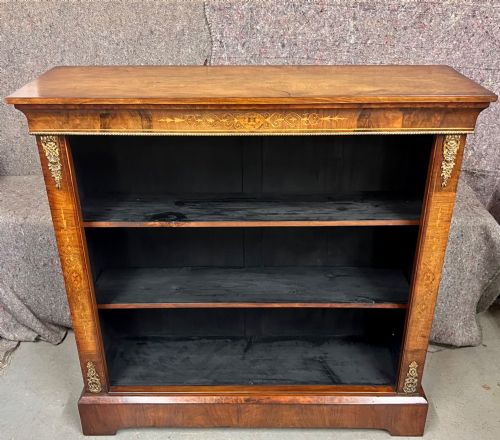
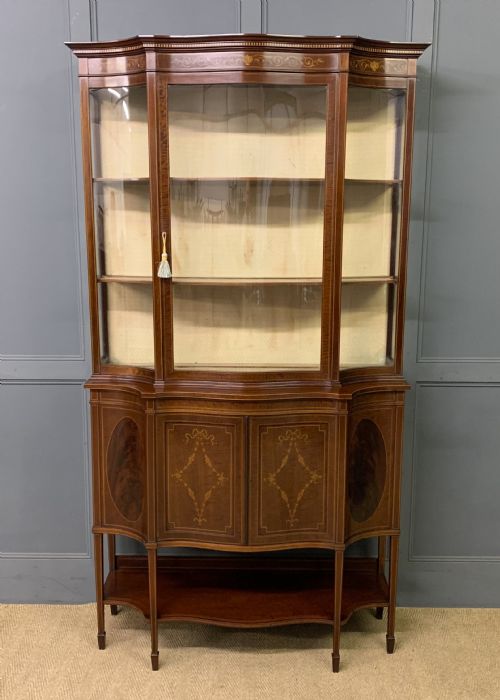
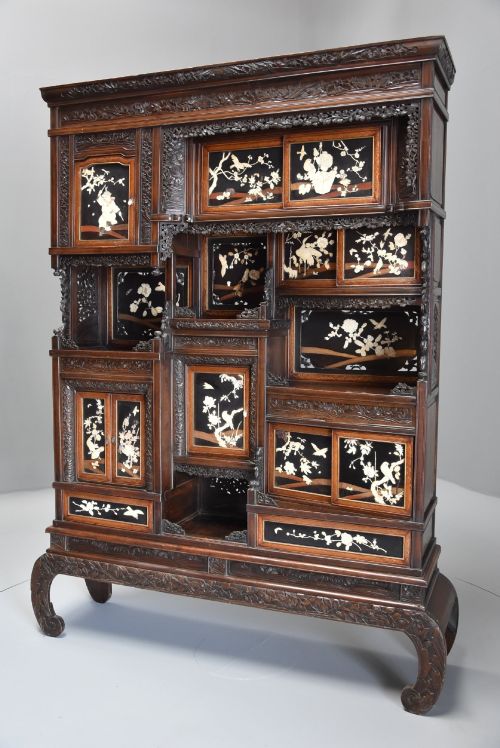
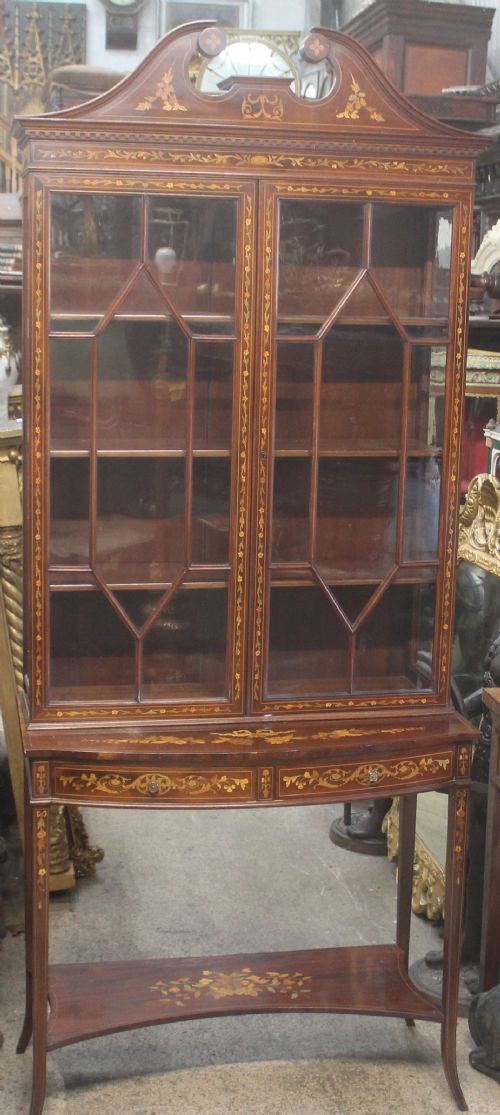
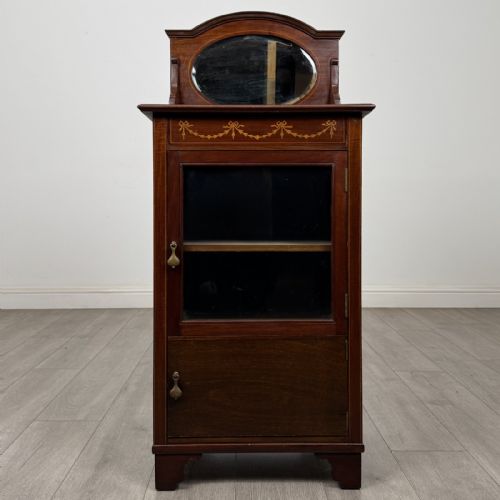
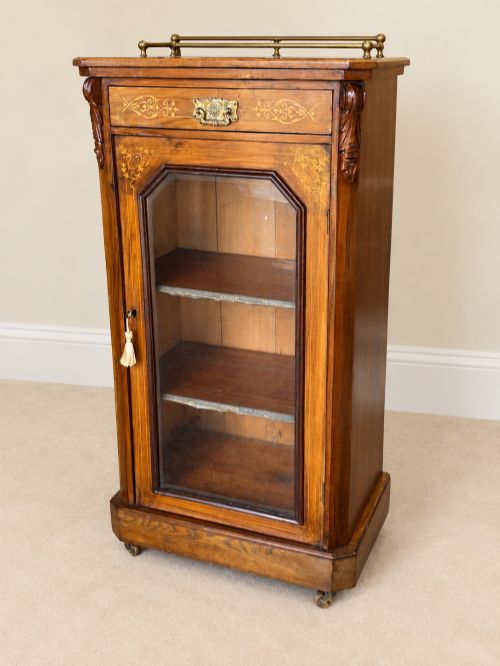
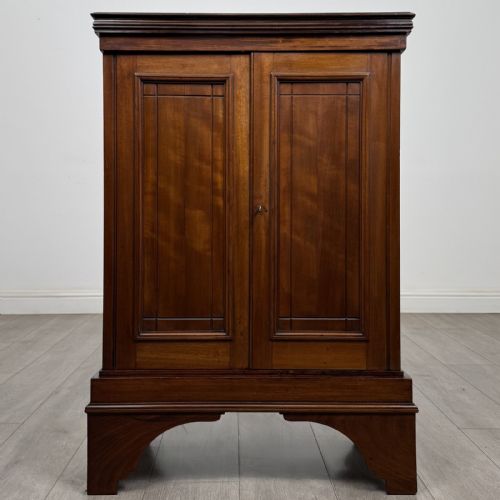
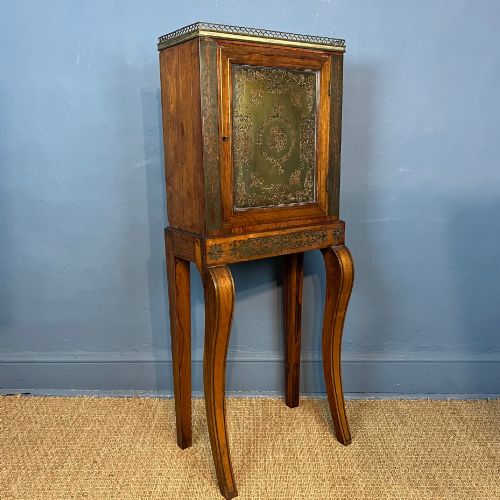
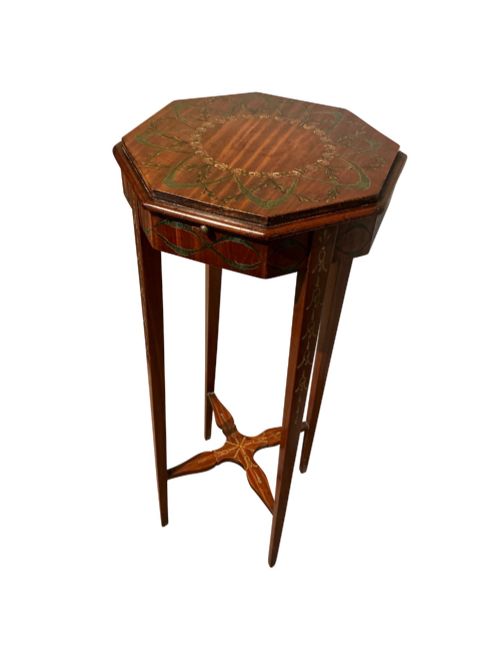
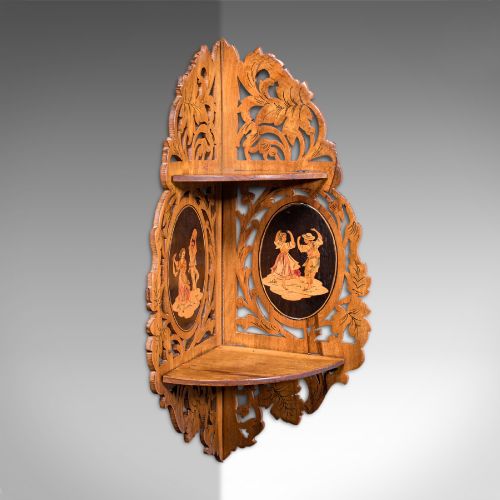
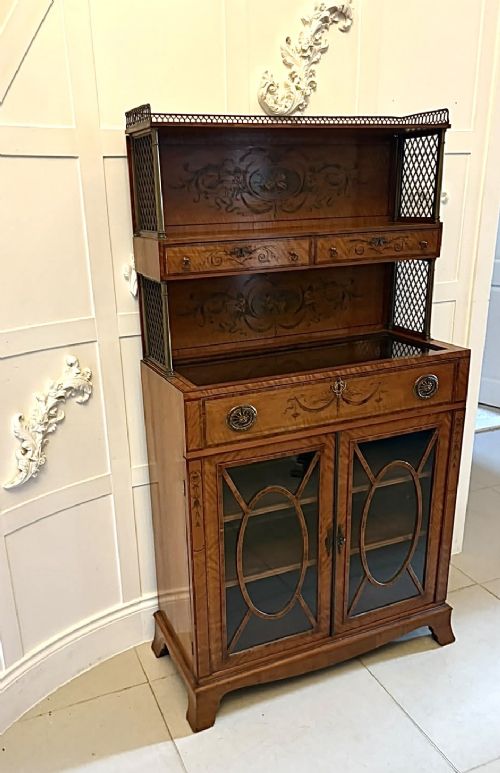
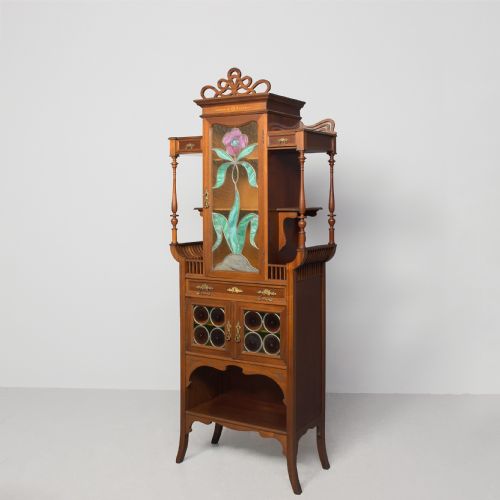
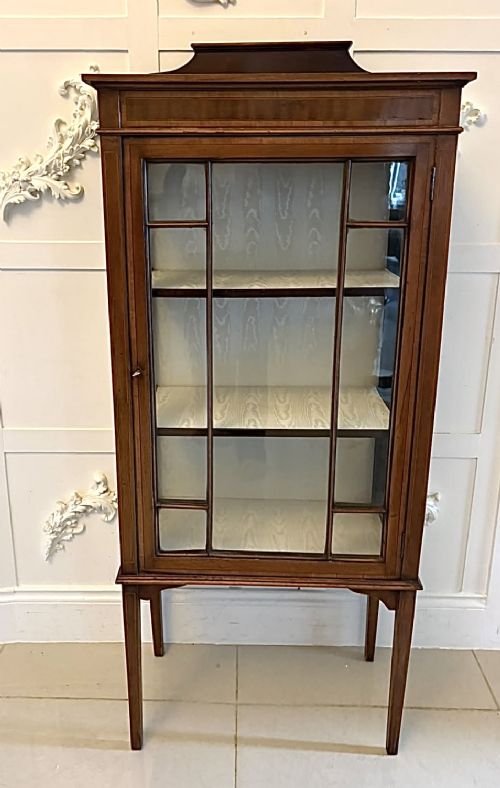
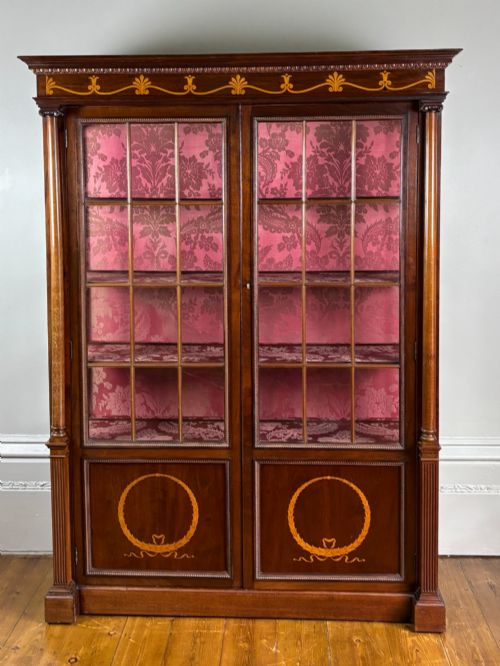
These items of inlaid display furniture combine figured timbers with intricate decorative motifs to showcase and store cherished possessions.
Inlaid Display Furniture
Inlaid display furniture encompasses a range of timber pieces designed to exhibit objects, spanning centuries from the 18th century through the Edwardian era and Victorian periods.
The selections encountered here most frequently comprise Edwardian and Victorian cabinets, lamp tables, étagères, and corner stands.
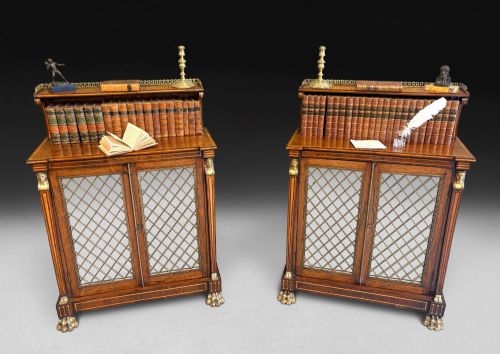
Makers utilised various display forms, including glazed cabinets, pier cabinets, and open plant stands, integrating decorative woodwork into domestic interiors.
How they were made
Craftsmen built these pieces using solid timbers and veneers of mahogany, walnut, satinwood, rosewood, and oak, often providing a contrasting ground for detailed decorative work.
Marquetry and inlay techniques incorporated lighter woods, brass, and pewter to form floral and geometric patterns across doors, tops, and panels.
Additional hardware such as ormolu mounts, glass panes, and mirrored backs completed the construction of these cabinets and tables.
Inlaid Display Furniture Retail Price Guide 2026
Typical asking prices for inlaid display furniture among the pieces listed under this phrase on Sellingantiques today, from the lower quarter to the upper quarter. They describe what is for sale here now, not the wider market.
The inventory spans styles from Dutch Baroque and Georgian to Art Nouveau, Sheraton Revival, and Edwardian.
What varies in quality
The standard of execution in the marquetry and the choice of timber form the primary distinction between simpler items and exceptional examples.
Finer pieces display sophisticated cabinetmaking techniques, such as burr walnut veneers, shaped breakfronts, and integrated hardware by established makers.
The crispness of the inlaid details and the balance of the proportions determine the overall refinement of each item.
Shapland & Petter·Trevor Page & Co·Gillows·Lamb of Manchester
The Inlaid Display Furniture Glossary
- Marquetry
- A decorative technique where pieces of veneer are fitted together to form pictorial or geometric designs on a timber surface. This method creates the contrasting floral patterns seen across many cabinets.
- Étagère
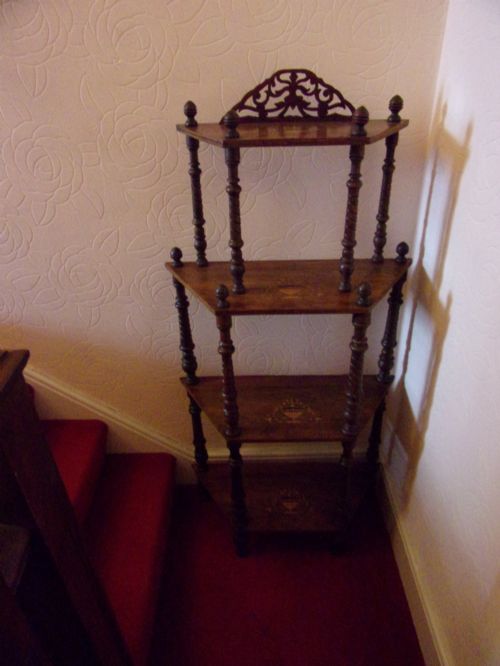
- A set of open shelves for displaying small objects, supported by slender columns or uprights. These multi-tiered tables emerged frequently in the Victorian and Edwardian periods.
- Bijouterie
- A small glass-topped table or cabinet specifically designed for holding jewellery and small decorative items. Examples of this form utilise glazed panels to allow inspection from above.
- Pier cabinet
- A low cabinet built to stand against the wall space between windows. These pieces often feature a single glazed door and flat sides.
- Ormolu
- Gilded bronze used for decorative mounts and furniture enrichment. This material provides metallic contrast against dark woods like rosewood and walnut.
Inlaid Display Furniture: Frequently Asked Questions
What periods do these pieces date from?
The selection spans from the 17th century through the Georgian and Regency eras, with a strong representation of Victorian and Edwardian examples.
Craftsmen continued adapting traditional cabinet forms well into the 20th century, incorporating styles such as Art Nouveau and Sheraton Revival.
How were these cabinets used originally?
Owners used display cabinets, pier cabinets, and corner units to exhibit porcelain, glassware, and curiosities in formal reception rooms.
Smaller tables and plant stands functioned as occasional surfaces for lamps, plants, and decorative objects within domestic interiors.
What timbers appear most often?
Mahogany, walnut, satinwood, and rosewood form the primary structural and veneered surfaces across the collection.
Ebonised wood and oak also feature, often providing darker backgrounds for contrasting inlaid motifs.
How do styles differ between decades?
Earlier pieces from the 18th century often display Dutch floral marquetry on bulbous carcases, while 19th-century designs favour rectilinear satinwood and burr walnut.
Later Edwardian and Art Nouveau items introduce lighter frames, mirrored backs, and stylised floral inlay.