


Inlaid Cabinet with Brass
An inlaid cabinet with brass brings together rich timbers and precise metalwork, offering both practical storage and a strong decorative presence for a room.
Inlaid Cabinet with Brass
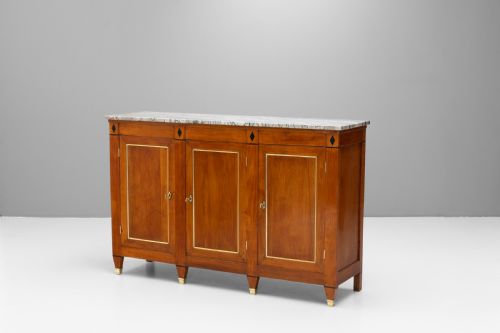
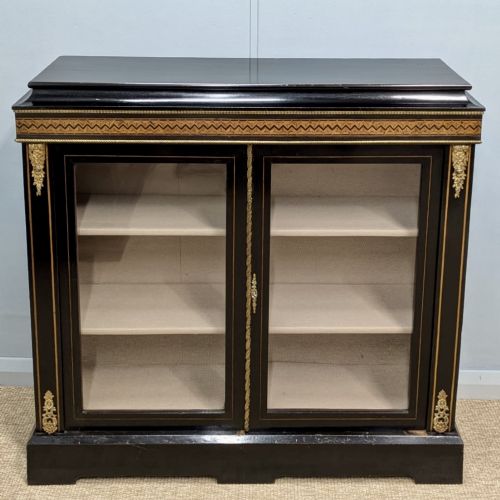
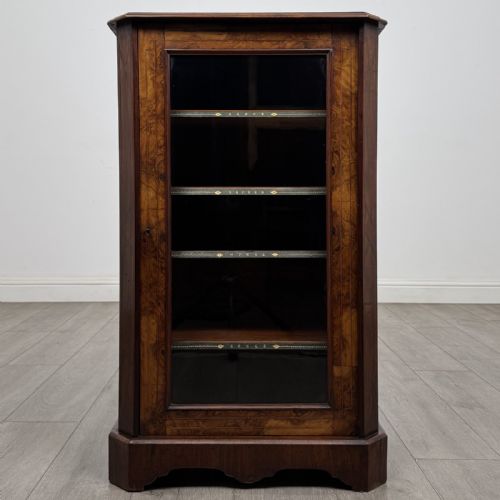
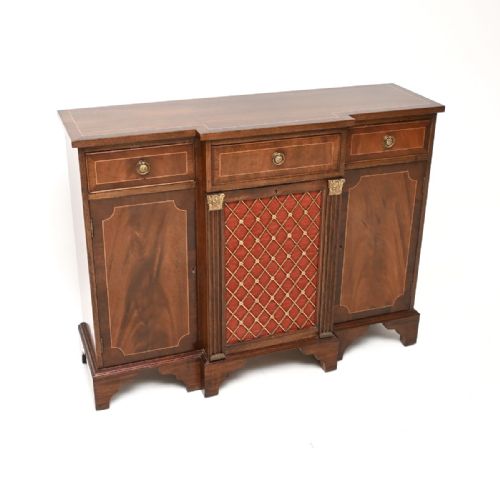
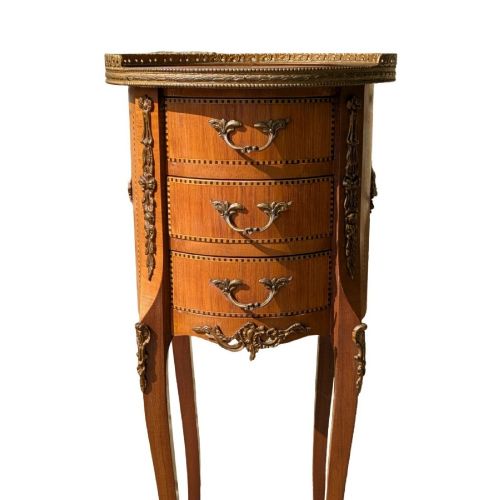
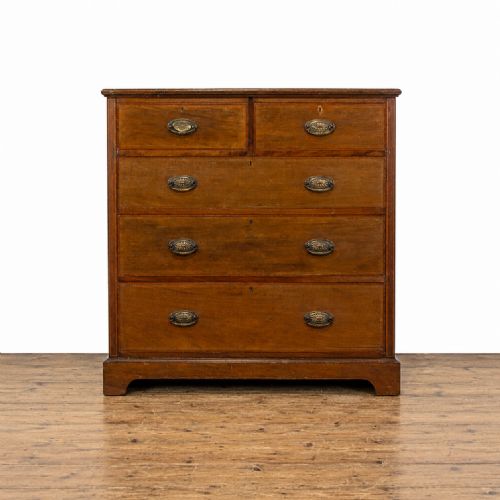
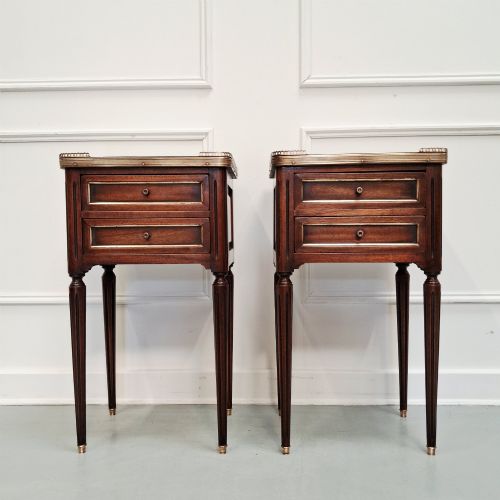
An inlaid cabinet with brass encompasses forms ranging from compact bedside units and waterfall bookcases to grand credenzas and chiffoniers. These pieces appear across Georgian, Regency, and Victorian periods, alongside later twentieth-century examples.
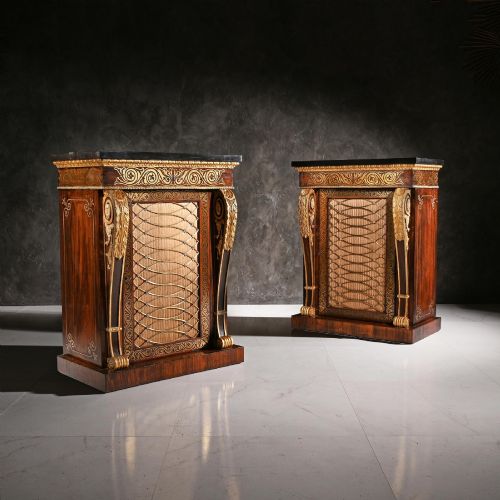
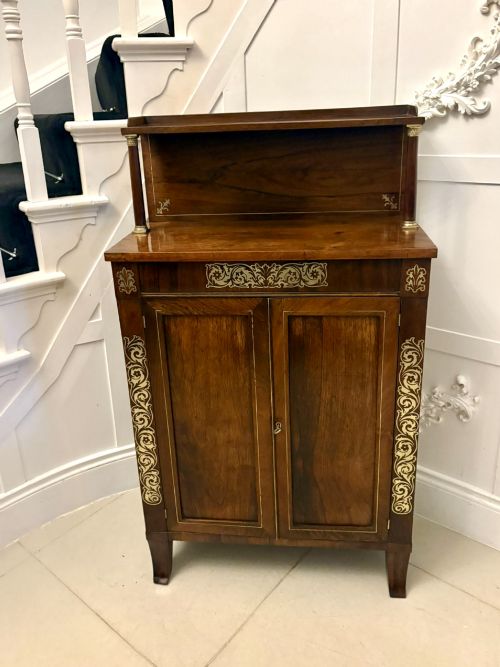
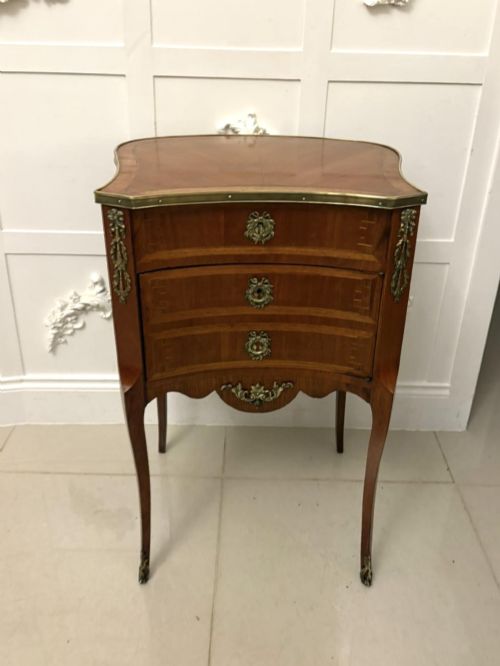
The Regency examples favour rosewood with fine stringing, while Victorian pieces lean towards burr walnut and mahogany enriched with ormolu mounts and ceramic plaques. French influences also emerge strongly through marquetry work and marble tops.
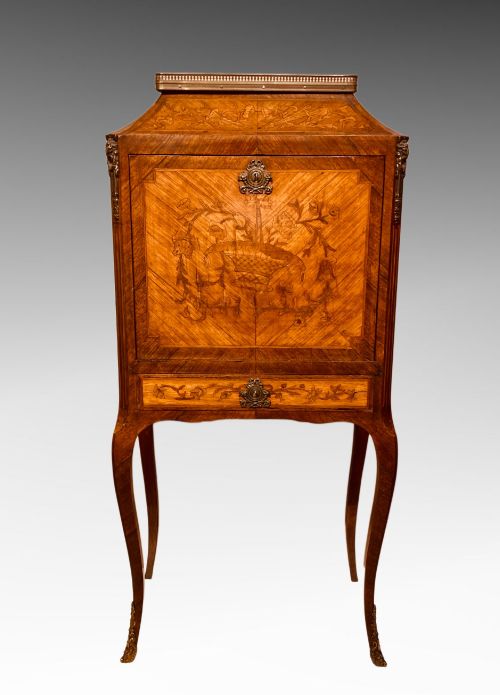
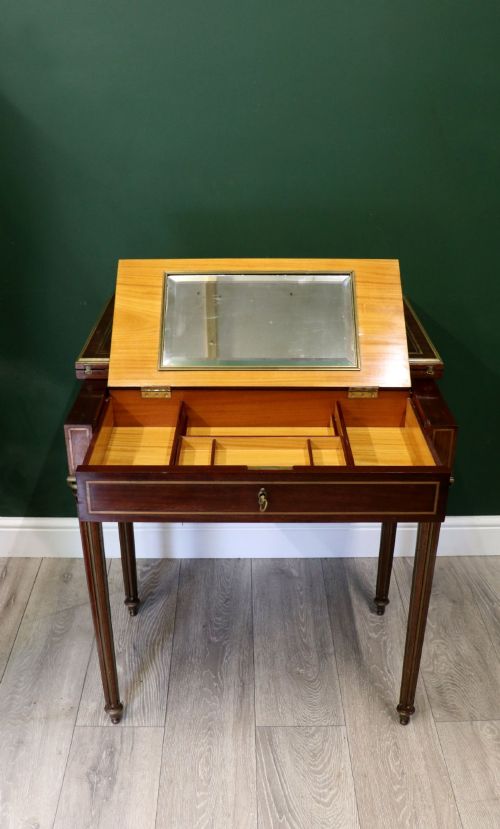
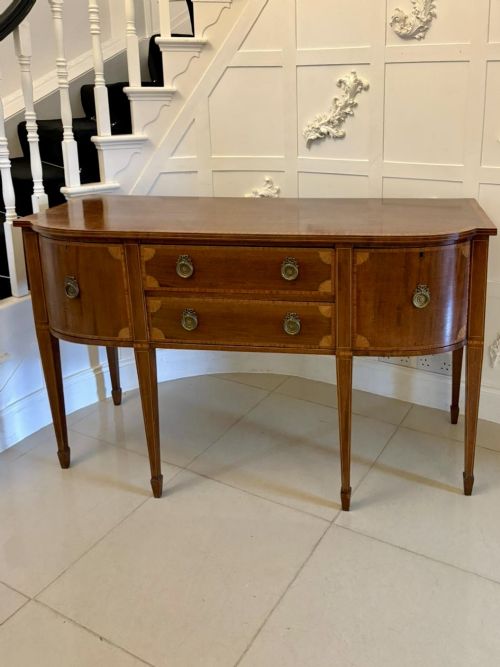
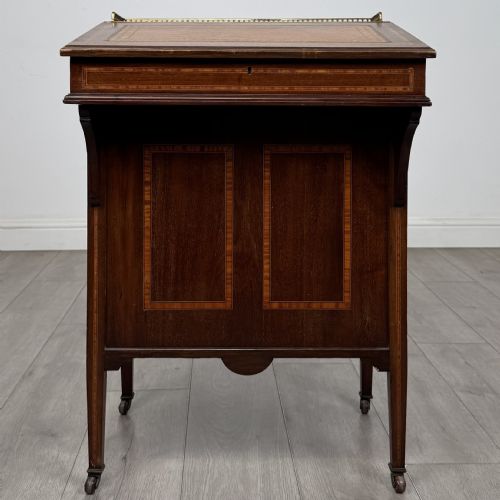
Side cabinets and chiffoniers serve as the most frequent manifestations of this craft on the page, alongside specialised writing desks and bureau de dame forms.
How they were made
Cabinet makers utilised dense primary timbers such as mahogany, rosewood, and walnut, often laid over sturdy secondary woods to provide stability for the carcase.
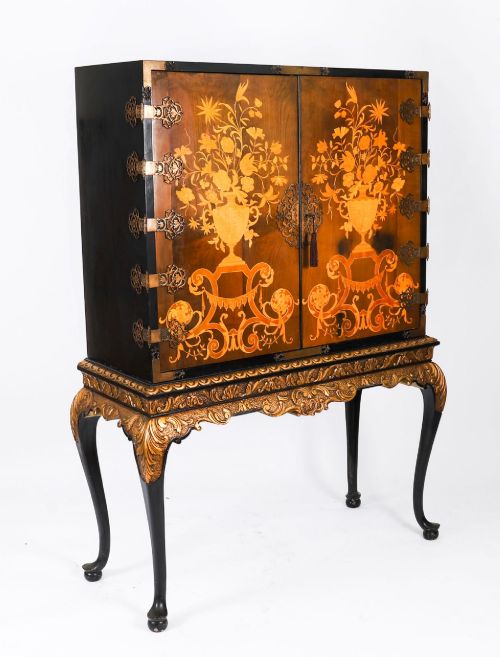
Inlay work relied on contrasting lighter woods like boxwood and satinwood, cut with precision to form geometric lines, foliate scrolls, or elaborate pictorial marquetry.
Brass formed an integral part of the construction, appearing as delicate stringing let into the wood, structural handles, castors, and cast ormolu mounts that framed doors and corners.
Inlaid Cabinet with Brass Retail Price Guide 2026
Typical asking prices for inlaid cabinet with brass among the pieces listed under this phrase on Sellingantiques today, from the lower quarter to the upper quarter. They describe what is for sale here now, not the wider market.
Some nineteenth-century apothecary cabinets manage to pack entire pharmacies of tiny glass bottles into surprisingly compact wooden boxes.
What varies in quality
The standard of an inlaid cabinet with brass rests largely on the crispness of the timber selection and the precision of the inlay cutting. Finer pieces show tight, seamless joins where the contrasting wood meets the ground timber.
The execution of the brass elements marks another clear distinction between workshops, separating standard production from exceptional pieces. Cast ormolu mounts with deep chasing and heavy brass handles demonstrate a higher investment of artisan labour than stamped sheet metal.
Proportion and secondary timber choice also dictate grade, with well-figured burr walnut or rich figured mahogany pointing directly to superior cabinet making.
Robson and Sons·John McLean
The Inlaid Cabinet with Brass Glossary
- Marquetry
- Decorative veneer work arranged in pictorial or patterned designs across the surface of a piece. It employs various tinted woods, metals, or shells to create elaborate scenes.
- Ormolu
- Gilded bronze used for decorative mounts and furniture hardware. It provides a bright gold-coloured metallic accent against dark cabinet timbers.
- Chiffonier
- A low sideboard or cabinet developed in the early nineteenth century, usually featuring enclosed cupboard doors below and sometimes a small shelf superstructure above.
- Stringing
- Thin strips of contrasting wood or metal inlaid into channels cut into the surface of furniture. It creates fine borders and geometric outlines.
- Bureau de Dame
- A ladies' small slope-front writing desk, often fitted with internal compartments and drawers. These pieces frequently incorporate fine inlay and delicate brass details.
Inlaid Cabinet with Brass: Frequently Asked Questions
How do I date an inlaid brass cabinet?
Dating relies on combining timber choices, hardware types, and the overarching style of the carcase. Regency pieces often use rosewood with fine boxwood lines, while Victorian examples lean towards burr walnut and heavier mounts.
Secondary woods and construction methods inside drawers offer further clues when combined with the specific decorative vocabulary of the period.
What rooms suit an antique cabinet?
These cabinets work well in reception rooms, studies, or hallways where their timber grain and brass details catch the light. Side cabinets and chiffoniers provide useful surface space and enclosed storage.
Smaller bedside tables and writing desks adapt easily to bedrooms and quieter corners without dominating the floor area.
How should I care for the brass?
Brass elements only require gentle dusting with a soft, dry cloth to prevent the accumulation of grime. Avoid aggressive metal polishes that can stain the surrounding wood veneer.
Keeping the piece away from direct heat sources and strong sunlight protects both the metal highlights and the natural polish of the timber.
What is the difference between a chiffonier and a side cabinet?
A chiffonier typically refers to a specific nineteenth-century form featuring enclosed lower cupboards, sometimes accompanied by a raised shelf at the back. Side cabinets cover a broader range of general storage furniture.
Both serve similar placement needs in a home, but the chiffonier carries a distinct Regency or Victorian silhouette.