

Industrial Wooden Storage
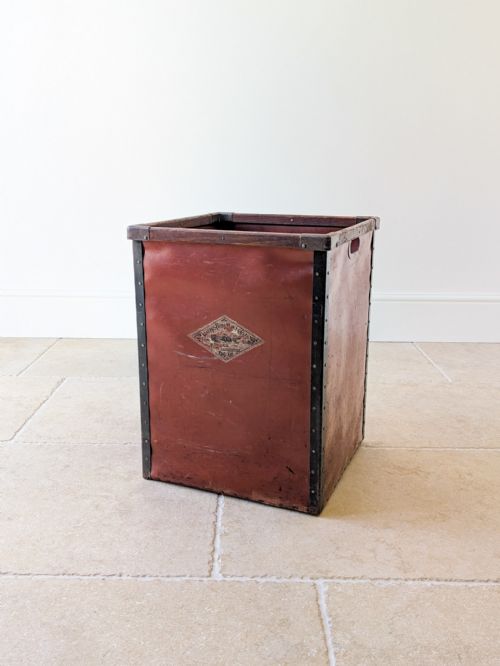
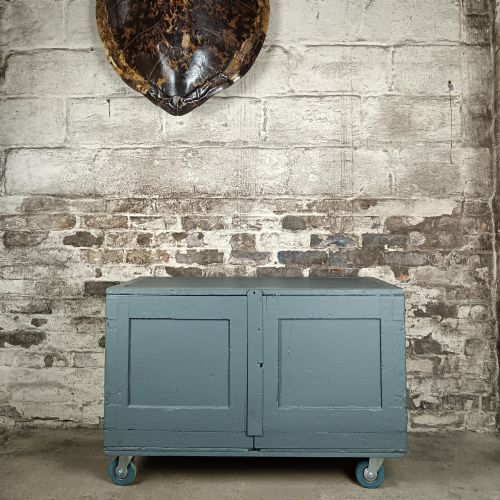
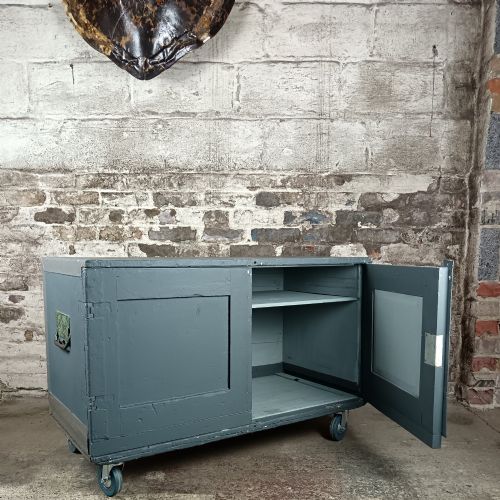
Industrial wooden storage spans robust banks of drawers, workshop trolleys and mercantile bins built to endure heavy daily use.
Industrial Wooden Storage
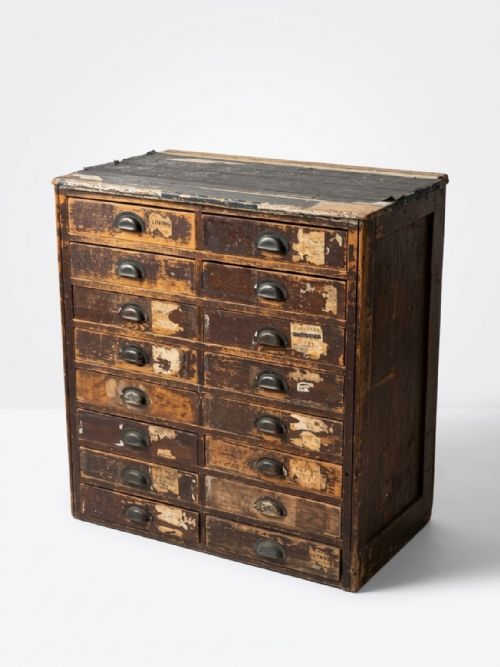
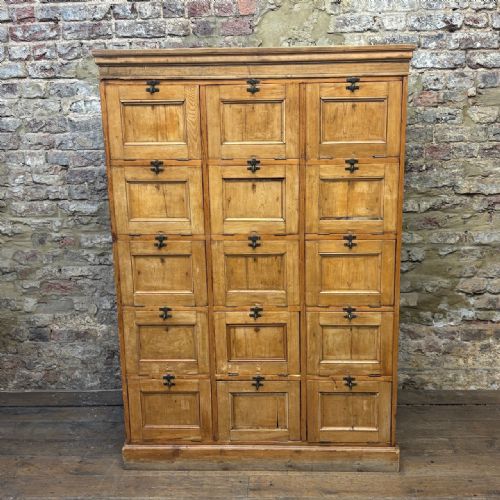
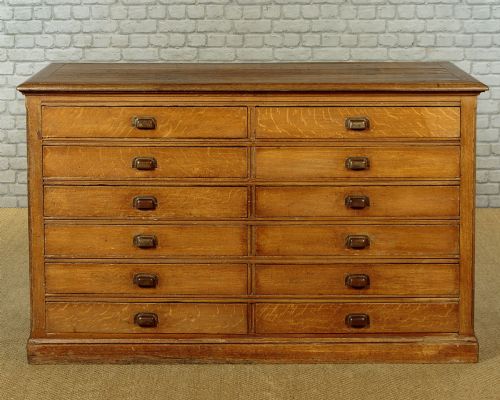
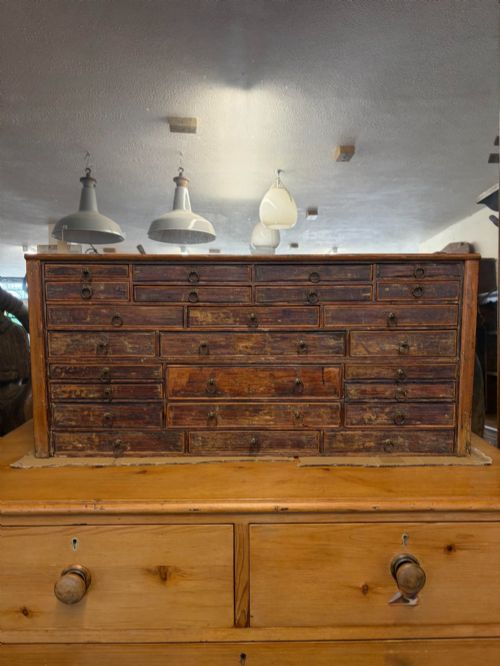
Industrial wooden storage comprises utilitarian furnishings designed for factories, offices, shops and institutions during the nineteenth and early twentieth centuries. Banks of drawers, pigeon holes, chests and workshop trolleys dominate the pieces encountered here.
The materials reflect a primary reliance on pine, oak and mahogany combined with iron or brass hardware for structural strength. These survivors transitioned from commercial workrooms into domestic settings where their capacity and utilitarian appearance suit contemporary interiors.
Materials and Construction
Carpenters built these storage pieces using dense timbers like pine, fruitwood and oak to withstand the rigours of mills, railway offices and drapers shops. Dovetail joints, panelled construction and substantial backing boards provide the structural integrity required for heavy daily loads.
Iron brackets, metal straps, brass handles and numerical labels reinforced corners and identified contents in busy working environments. Paint finishes, raw timber surfaces and metal bindings show the honest wear of decades of active service.
Aviation history meets workshop storage in an engine company tool box built around the First World War.
Quality and Proportion
Quality rests in the scale, timber selection and intact original hardware rather than decorative carving or polished finishes. Substantial multi-drawer banks, specialised patent filing cabinets and pieces retaining their working ironmongery command attention for their functional integrity.
Modifications alter the character of utilitarian furniture, making original drawer pulls, maker stamps and uncompromised timber surfaces critical indicators of authenticity. The best examples maintain their functional working order alongside honest patination accumulated through decades of industrial use.
D Napier and Sons·Gnome Et Le Rhone·Astrola
The Industrial Wooden Storage Glossary
- Bank of drawers
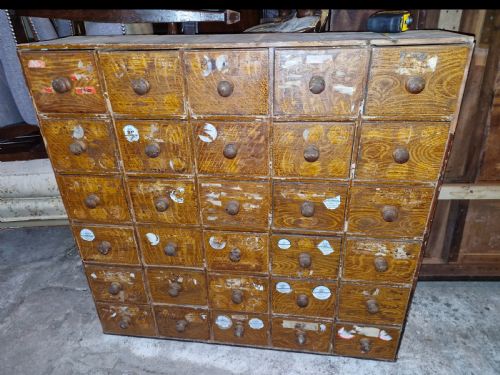
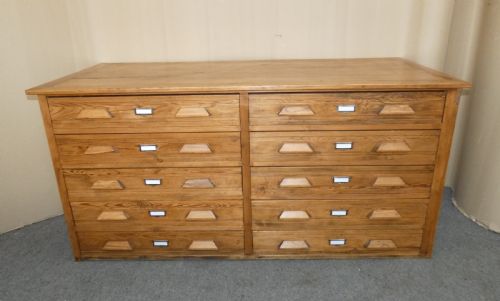
- A multi-drawer cabinet designed for commercial, workshop or office storage. These units range from modest office sets to large merchant assemblies with dozens of small compartments.
- Haberdashery chest
- A glass-fronted or multi-drawer cabinet originally used in drapery shops to display and store textiles. They offer partitioned interior space suited to modern organising.
- Pigeon holes
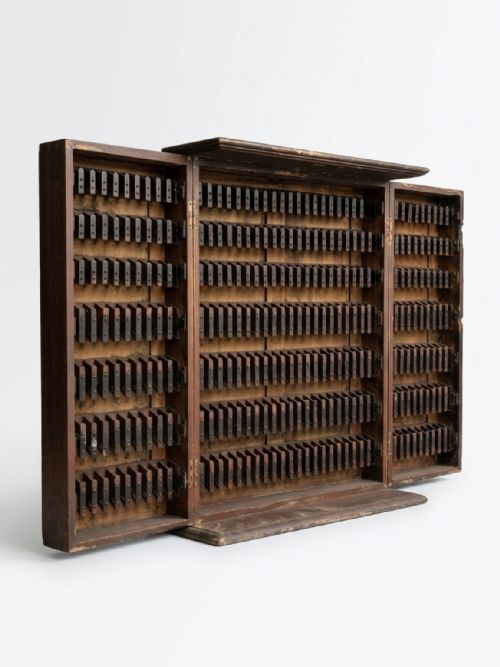
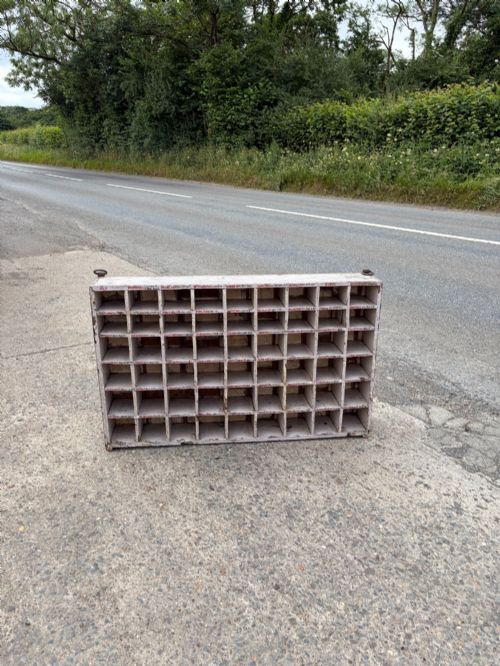
- Open-fronted cellular shelving systems used for sorting mail, documents or workshop components. They provide accessible vertical storage with a distinct gridded aesthetic.
- Shoe trolley
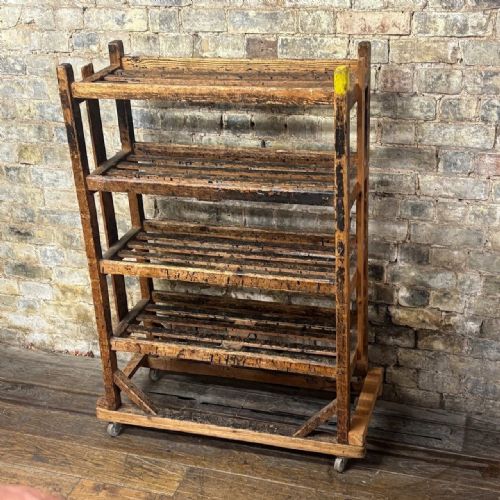
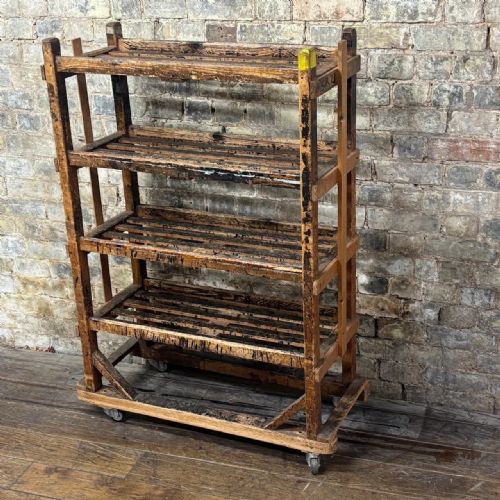
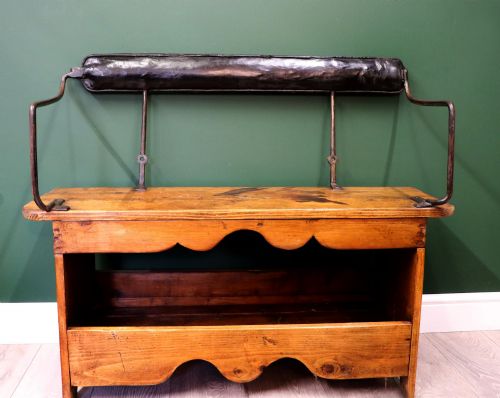
- A wheeled industrial cart designed to transport footwear through manufacturing stages in a factory. These low wooden carriers feature compartmented sections on casters.
- Strongbox
- A heavy security chest constructed from thick timber reinforced with iron plates and bands. These transportable containers protected valuables and documents in transit.
Industrial Wooden Storage: Frequently Asked Questions
What are industrial wooden storage pieces?
Industrial wooden storage pieces are heavy-duty cabinets, chests, drawers and bins originally built for factories, offices, and mercantile shops during the nineteenth and early twentieth centuries.
They were designed purely for utility and organisation, utilising robust timbers like pine and oak reinforced with iron and brass to withstand intense daily work.
How were these storage units used?
These items served specific commercial and industrial functions, such as sorting mail in railway offices, storing workshop tools, or organising stock in drapers and ironmongers.
Filing cabinets, shoe trolleys and pigeon holes kept busy commercial environments functioning efficiently by sorting large quantities of small items.
How do I live with industrial storage?
Integrating these pieces into a home provides practical storage while adding architectural character and warmth through aged wood and metal.
Large banks of drawers or pigeon holes work well in studies, kitchens and hallways where deep storage and display space are required.
How do I date industrial wooden storage?
Dating relies on examining construction techniques, timber types, and the style of accompanying hardware like handles, label holders and castors.
Victorian and Edwardian examples often feature hand-cut dovetails and heavy brass or iron fittings, while later twentieth-century pieces show early machine-made elements.