



Vintage Industrial Shelving
Vintage industrial shelving brings raw structural utility into modern interiors through robust metal and timber construction.
Vintage Industrial Shelving
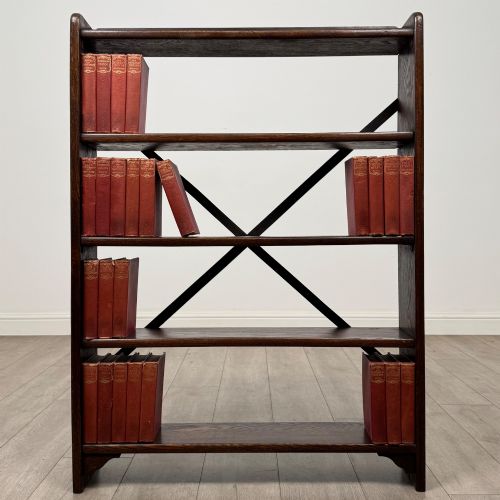
Buyers seeking vintage industrial shelving encounter robust storage forms originally designed for commercial, trade and baking purposes. These utilitarian pieces span the nineteenth century through the early twentieth century, encompassing utilitarian furniture produced in both Britain and France.
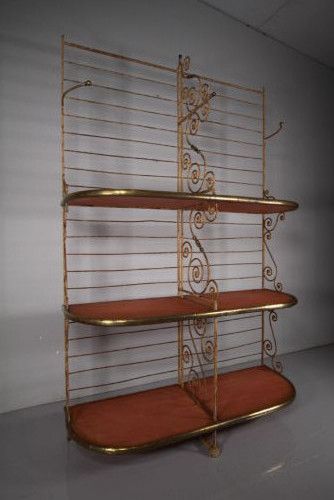
French examples include large Parisian boulangerie racks and patisserie units, whilst British pieces often utilise scroll-work iron or simple pine cabinetry. Each item serves as functional storage with a distinct industrial or provincial aesthetic.
How these pieces were made
Construction relies heavily on structural metals including wrought iron, cast iron, steel and brass paired with timbers such as pine and oak. Metal components are frequently forged, riveted or bolted to bear heavy daily loads.
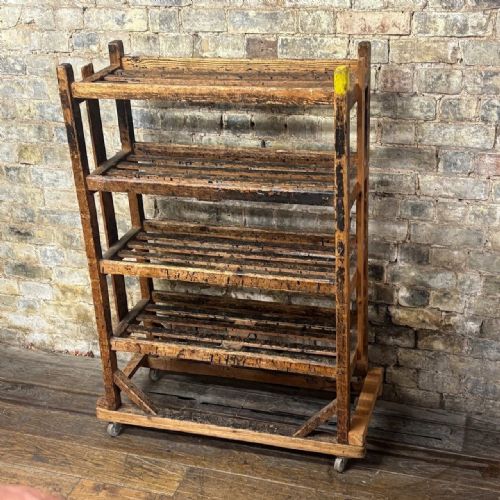
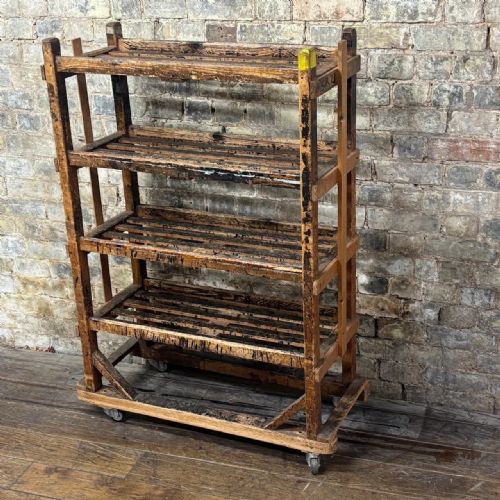
Wooden elements incorporate planked pine, hardwood shelving and slatted storage designed for utility rather than delicate display. Surfaces display patinated finishes including original paint, distressed metal and aged timber.
Listings feature items spanning the Victorian era through the 1930s, utilising wrought iron, brass, pine, oak and slate.
What varies in quality
Quality in these utilitarian pieces rests upon original structural integrity and the presence of maker stamps or factory marks. Substantial gauge metalwork and well-preserved timber framing distinguish high-grade commercial pieces from lighter domestic alternatives.
The degree of original surface preservation, such as authentic patinated paint or untouched metal oxidation, defines the character of each piece. Maker attribution, such as signed French baker's racks, elevates specific examples above standard workshop inventory.
Dubois of Lyon
The Vintage Industrial Shelving Glossary
- Boulangerie rack
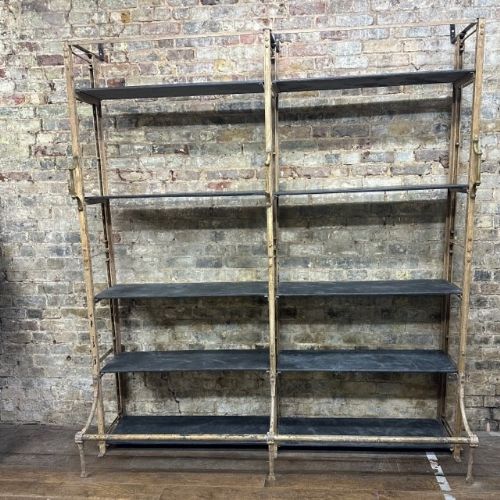
- A large commercial storage unit used in French bakeries for cooling bread and pastries. These tall metal and wire structures often feature decorative scroll-work.
- Pigeon holes
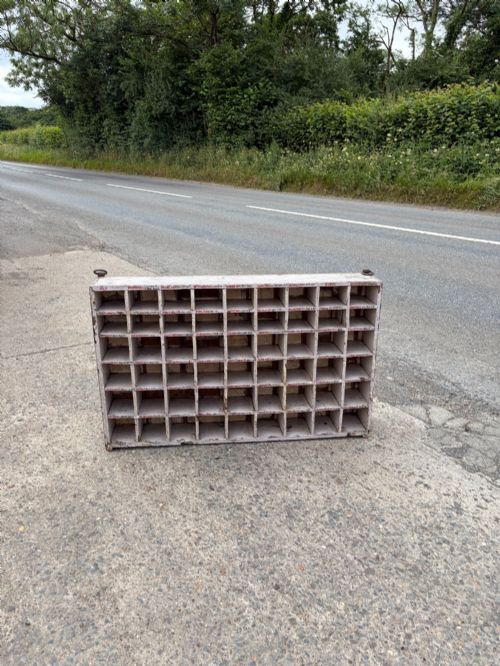
- Compartmentalised wooden shelving units designed for sorting mail, documents or small workshop parts. They offer numerous small open cubbies within a single cabinet frame.
- Wrought iron
- Tough, malleable iron that is heated and hammered into shape by a smith. It provides the strong skeletal framework for many nineteenth-century display stands and bakers racks.
- Shoe trolley
- A low-profile industrial cart fitted with tiered wooden shelving used in manufacturing settings. These mobile units present narrow, deep compartments suited for compact storage.
Vintage Industrial Shelving: Frequently Asked Questions
What is a baker's rack?
A baker's rack is a tall commercial storage unit originally built with metal frames and slatted shelves for cooling bread in European bakeries.
Today, these substantial metal and timber structures function as prominent display shelving and kitchen storage within residential interiors.
How do I date industrial shelving?
Dating relies on construction methods, fastener types, material choices and stylistic markers associated with nineteenth and early twentieth-century manufacturing. French provincial pieces often display distinct scroll-work and artisan stamps from the eighteen-hundreds.
Later pieces from the nineteen-twenties and thirties typically incorporate simpler steel frameworks and utilitarian wooden pigeon hole configurations.
Are these shelves structurally sturdy?
These utilitarian pieces were originally engineered to bear heavy commercial loads in bakeries, shops and factories using thick iron, steel and hardwood.
Their robust metal frames and solid timber boards provide exceptional stability for modern household storage and book display.
Where were these pieces used?
The items originated in commercial trades, retail shops, Parisian patisseries and industrial workshops across Britain and France. They served practical roles storing bread, sorting documents, displaying goods and transporting factory materials.
Their utilitarian origins mean they were built purely for function rather than decorative display.