




Vintage Shoe Storage
These vintage shoe storage pieces turn hallways tidy with solid character, built from sturdy oak, pine, and mahogany.
Vintage Shoe Storage
Vintage shoe storage brings together practical hallway seating, cupboards, and racks designed to organise footwear. When searching for vintage shoe storage, you encounter functional items ranging from Victorian boot racks and Edwardian cabinets to industrial wooden shoe trolleys.
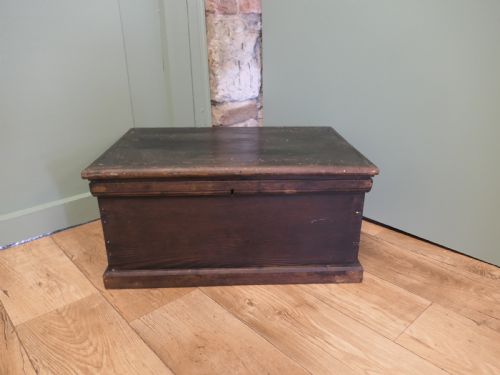
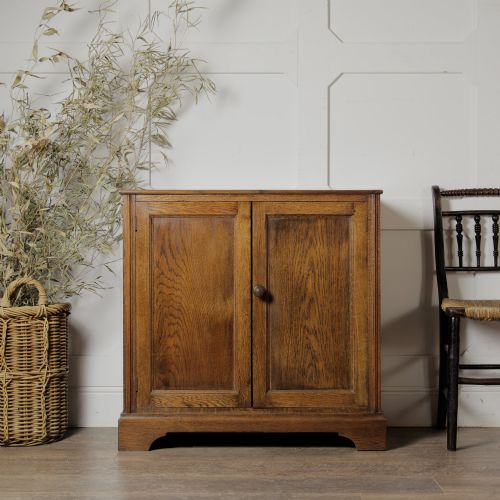
You are most likely to meet solid oak low cupboards, pine storage chests, and Victorian mahogany shoe box cabinets on this page. These items reflect traditional methods of domestic organisation from the nineteenth and early twentieth centuries.
How they were made
Makers utilised solid timbers including oak, pine, mahogany, and walnut to construct these storage pieces. Cabinet makers employed traditional joinery techniques, creating sturdy frames for cupboards, benches, and boxes.
Metal components such as iron, brass, and steel appear in industrial shoe trolleys and hardware fittings. Upholstered elements feature on specific benches and ottomans, combining comfortable seating with internal storage compartments.
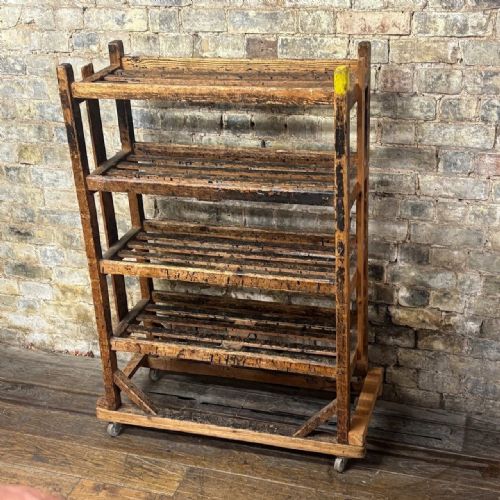
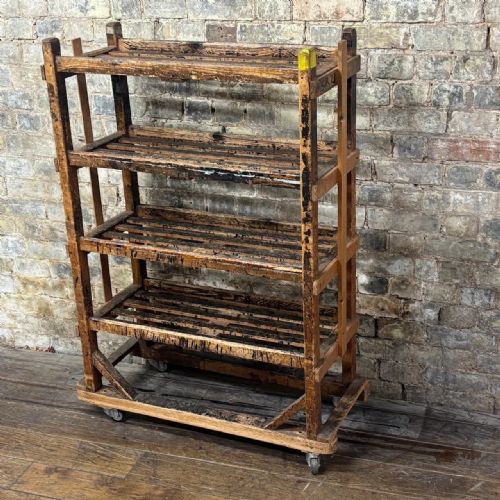
Factory workers once wheeled wooden shoe trolleys down workshop aisles before these industrial carts found new life in domestic hallways.
What varies in quality
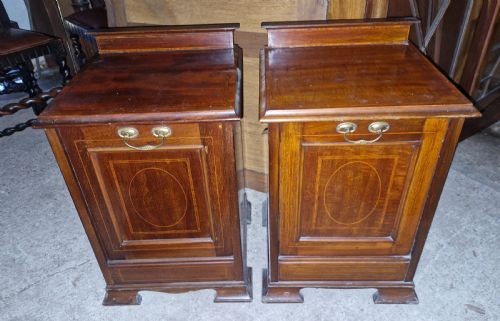
The choice of primary timber sets the baseline for quality, with dense hardwoods like mahogany and solid oak standing apart from simpler pine constructions. Superior examples display careful selection of grain and integration of inlay work, particularly within Edwardian pieces.
Structural integrity depends on the original joinery and the preservation of moving parts such as cabinet doors and hinged lids. Pieces that retain their original brass or iron hardware without extensive replacement demonstrate a higher degree of authenticity.
The Vintage Shoe Storage Glossary
- Boot rack
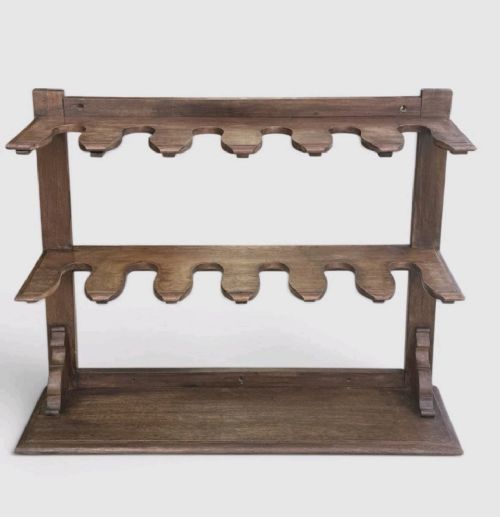
- A dedicated stand or rack designed to hold boots and shoes upright, often featuring pegged rails or tiered frames.
- Slipper box
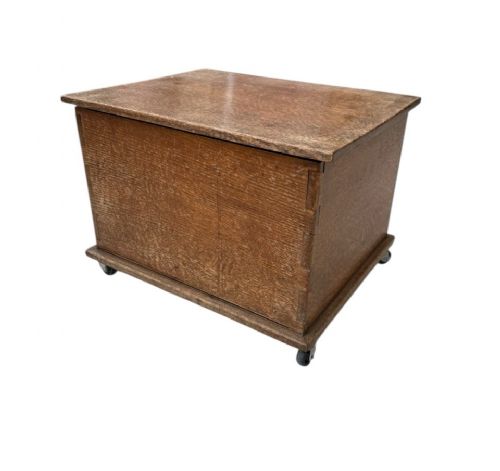
- A compact storage trunk or box traditionally kept in bedrooms or hallways specifically for slippers and light footwear.
- Shoe trolley
- An industrial wooden shelving unit on wheels, originally utilised in factories or workshops for transporting footwear during manufacture.
- Hall seat
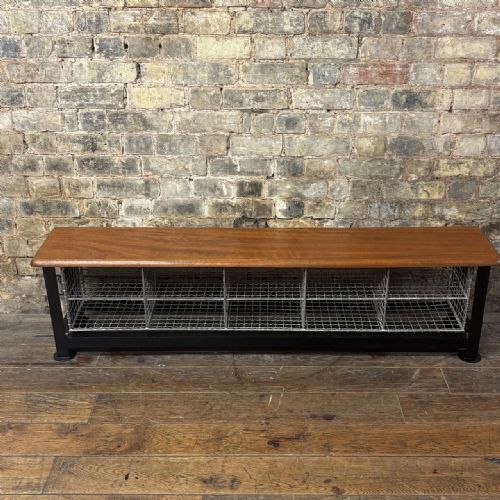
- A bench placed in an entryway, frequently incorporating enclosed storage beneath the seat for shoes and accessories.
- Vernacular
- Architecture and furniture built by local craftsmen using regional traditions and readily available materials rather than formal academic styles.
Vintage Shoe Storage: Frequently Asked Questions
What is vintage shoe storage?
Vintage shoe storage encompasses practical nineteenth and early twentieth-century furniture designed to hold footwear in hallways and boot rooms.
Items range from industrial wooden trolleys and Edwardian cabinets to Victorian boot racks and solid oak slipper boxes.
How were hallway benches used?
Hallway benches provided a convenient seat for putting on and taking off boots while concealing footwear inside the base.
They served as functional furniture pieces in traditional entrance spaces to keep corridors clear of clutter.
How do I identify Victorian pieces?
Victorian pieces typically feature dark timbers like mahogany alongside robust construction methods suited for heavy daily hallway use.
Details such as turned wooden supports and traditional box cabinetry help distinguish items from this nineteenth-century era.
What materials are common?
Solid woods dominate the selection, with oak, pine, mahogany, and walnut forming the primary structures of cupboards and chests.
Metal elements like iron, brass, and steel appear particularly within industrial shoe trolleys and hardware fittings.