


Industrial Pine Cabinet
An industrial pine cabinet brings rugged utility and immense storage to any room, offering hard-wearing timber surfaces built for heavy commercial work.
Industrial Pine Cabinet
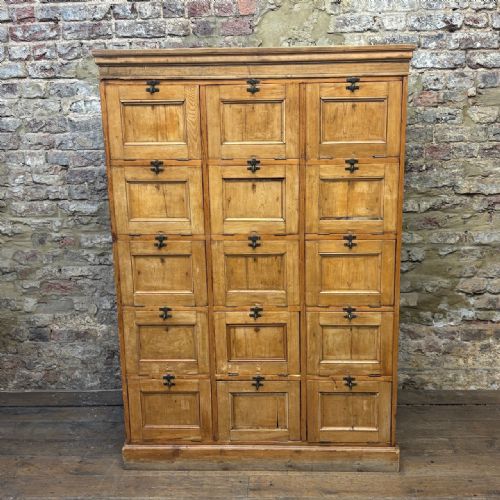
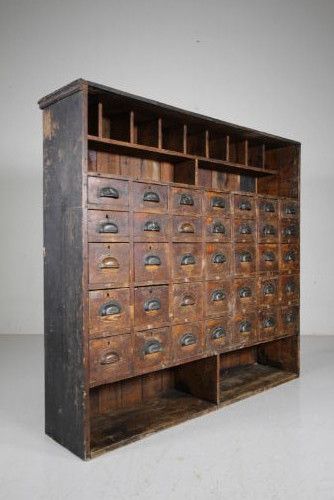
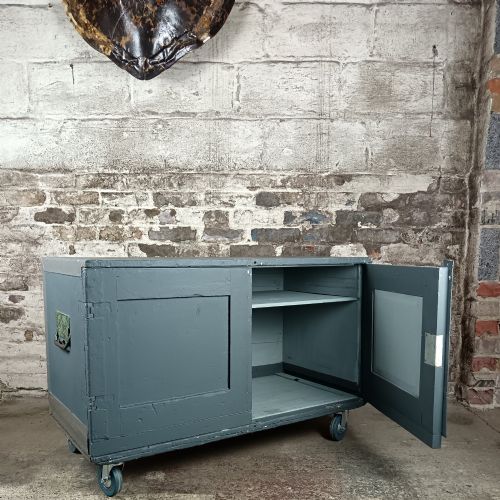
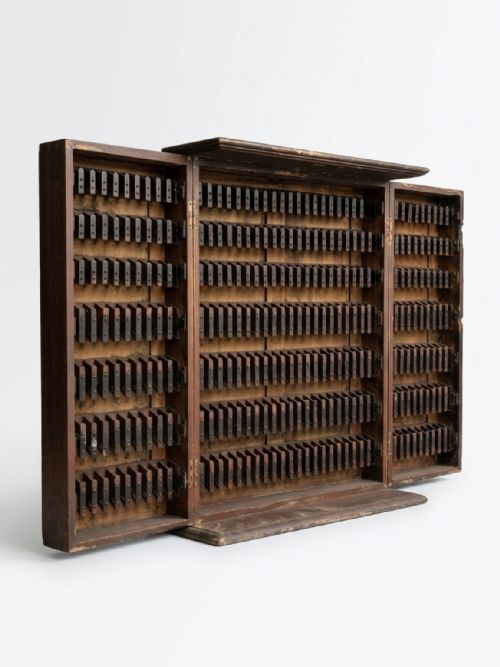
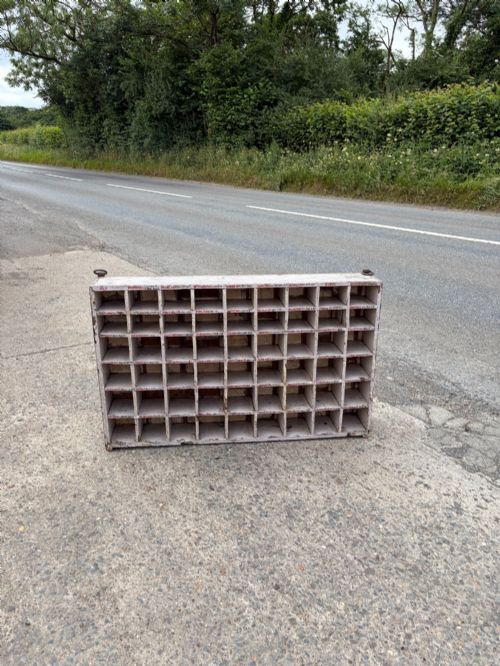
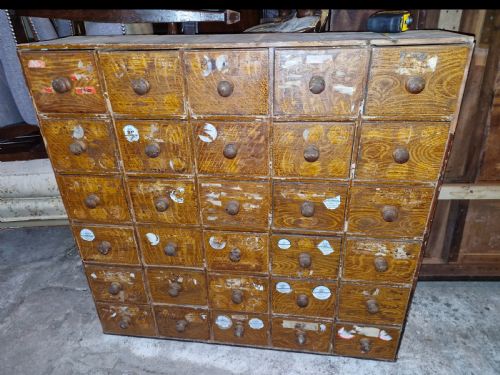
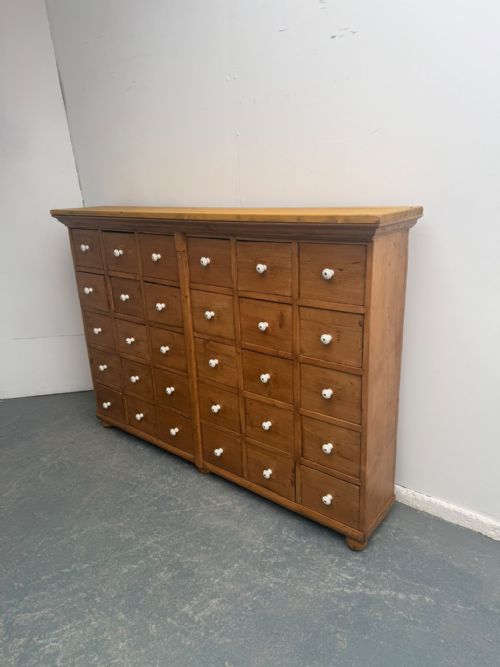
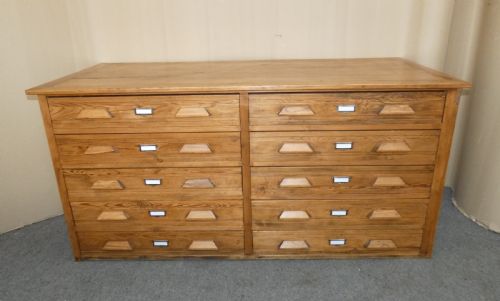
An industrial pine cabinet spans robust commercial storage forms from the nineteenth and early twentieth centuries, including banks of drawers, shop fittings, and pigeon holes. Buyers seeking an industrial pine cabinet encounter sturdy multi-drawer units and cupboards originally built for railway offices, ironmongers, and drapers.
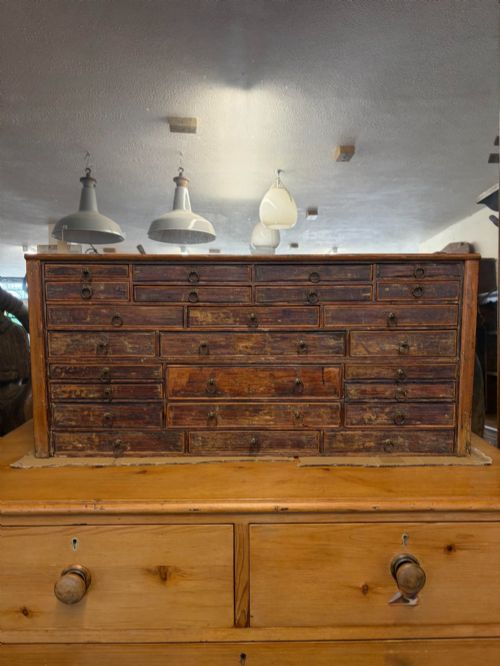
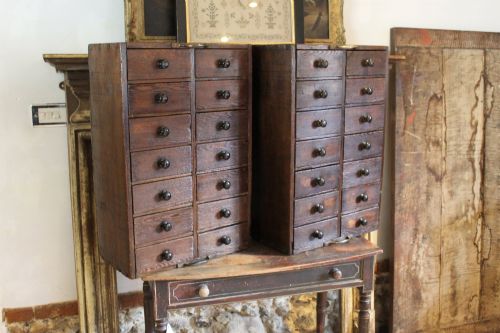
Most pieces date from the Victorian era up to the nineteen-thirties, reflecting practical utility styles across English, French, and Swedish workshops. Common configurations include banks of fifteen to thirty drawers, tall watchmakers cabinets, and ticket cupboards.
These heavy storage items served commercial workspaces before transitioning into domestic settings for organised storage. The forms range from wall-mounted cupboards to large floor-standing banks of drawers constructed from durable softwood.
Construction and materials
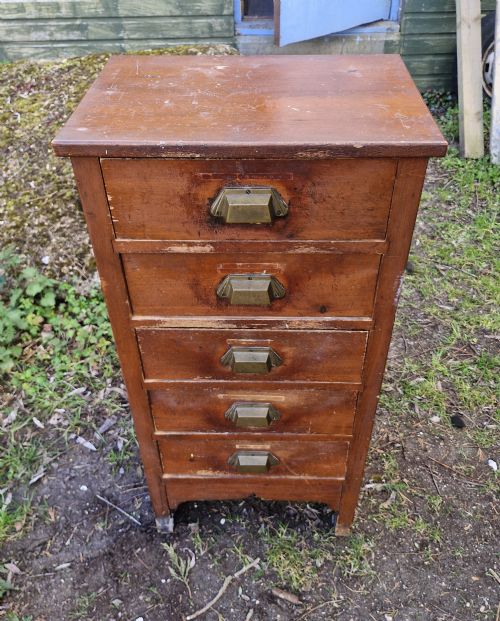
Pine forms the main carcass and drawer construction of these pieces, often paired with exposed metal or iron hardware and brass handles. Workshops utilised solid timber boards joined plainly to withstand daily commercial demands.
Surfaces frequently retain remnants of original paint finishes, such as light green, alongside untreated or waxed wood that shows decades of workshop use. Iron brackets, cast iron pulls, and brass card frames reinforce the heavy pine structures.
Railway ticket cupboards once held cardboard travel vouchers sorted by anxious clerks before departure.
Assessing quality
Quality rests in the scale of the bank and the integrity of the original hardware, such as period brass handles and working card frames. Superior pieces maintain their original fitted interiors and untampered timber surfaces without modern replacements.
Construction depth and drawer capacity define the higher tier, especially in large shop fittings and multi-drawer haberdashers units. Original paint finishes or patinated waxed pine command greater interest than stripped or overly restored examples.
Luxmore's of Ilfracombe·D Napier and Sons
The Industrial Pine Cabinet Glossary
- Bank of drawers
- A large multi-drawer storage unit designed for commercial or institutional sorting. These pieces typically feature numerous small drawers intended for haberdashery, hardware, or documents.
- Haberdashers drawers
- Shallow multi-drawer cabinets originally used in drapery shops to display ribbons, buttons, and small textiles. They often incorporate glass-fronted or panelled drawer fronts.
- Pigeon holes
- Open-compartment shelving units used for sorting mail, tickets, or paperwork in offices and railway stations. They provide versatile grid storage within a compact wooden frame.
- Campaign chest
- A portable wooden chest built in sections with recessed brass handles for military transport. These pieces split apart for ease of movement during travel.
Industrial Pine Cabinet: Frequently Asked Questions
What rooms suit these cabinets?
These robust storage units fit well in kitchens, home offices, and hallways where practical organisation is required. Their substantial size and numerous drawers provide exceptional storage capacity for modern living.
Positioning a large bank of drawers against a neutral wall allows the timber grain and utility hardware to become a focal point. They integrate smoothly into rustic or industrial interior schemes.
How do I date these pieces?
Dating relies on construction methods, timber choice, and hardware styles typical of the nineteenth and early twentieth centuries. Dovetail joints, backboard thickness, and original brass or iron pulls offer clear chronological clues.
Victorian and Edwardian examples often display hand-cut joinery and heavy pine carcases, while later nineteen-thirties pieces show slightly more standardised commercial manufacturing.
How should I clean the wood?
Maintenance involves dusting with a dry cloth and occasionally feeding dry pine with a traditional beeswax. Avoid harsh chemical cleaners that strip the historic patina and original surface finishes.
Preserving the worn character of the timber keeps the piece visually authentic. Gentle care maintains the integrity of original paint layers and metal hardware.
Were these used in homes?
These cabinets originated entirely in commercial, industrial, and institutional environments rather than domestic households. Railway offices, watchmakers, ironmongers, and drapery shops utilised them for daily business storage.
Their transition into residential spaces occurred as buyers sought durable, characterful furniture with practical compartment storage. Today they serve domestic storage roles far removed from their working origins.