


Indian Wood Blanket Chest
An indian wood blanket chest brings rich timber, striking metalwork, and regional artistry straight into a room.
Indian Wood Blanket Chest
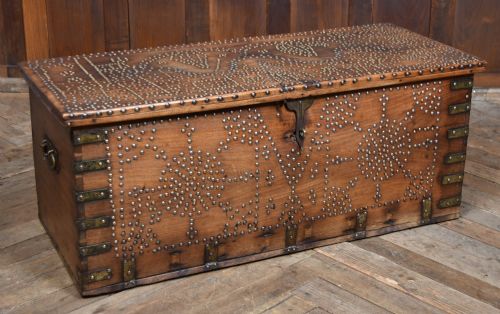
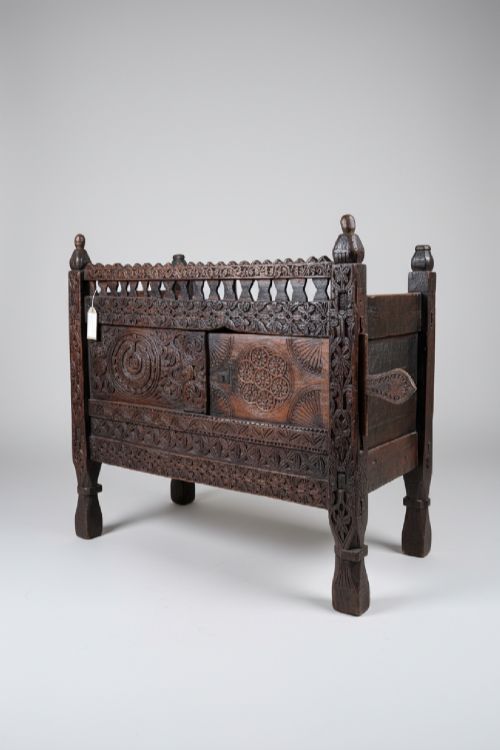
When you search for an indian wood blanket chest, you encounter sturdy storage forms created across diverse regions, from the Swat Valley to Zanzibar, during the nineteenth and early twentieth centuries. These pieces function as dowry boxes, merchants' trunks, and campaign chests designed to withstand travel while displaying ornate craftsmanship.
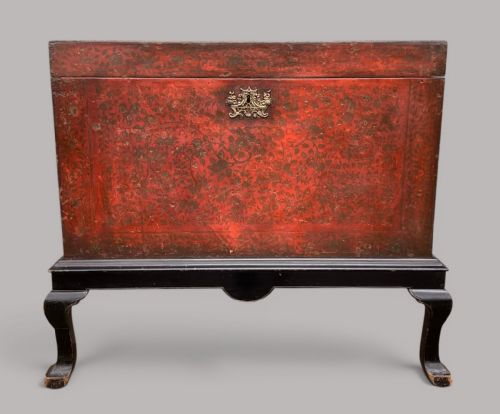
You are most likely to meet solid camphor wood, teak, rosewood, and hardwood examples reflecting Anglo-Indian, colonial, and traditional local aesthetics. Many sit directly on the floor as heavy storage boxes, whilst others stand raised upon custom frames.
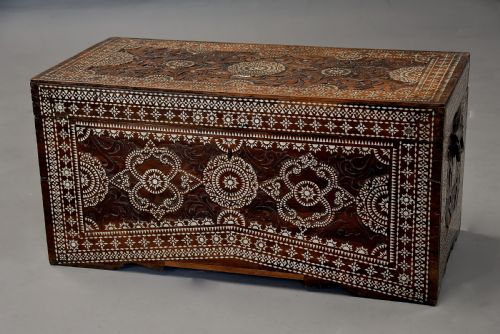
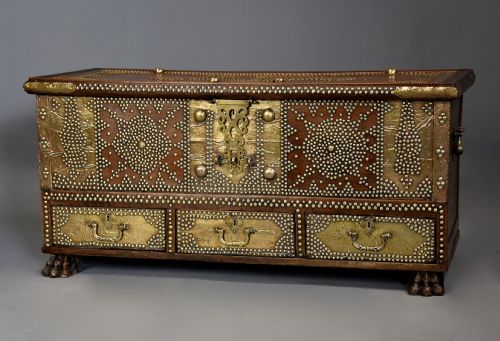
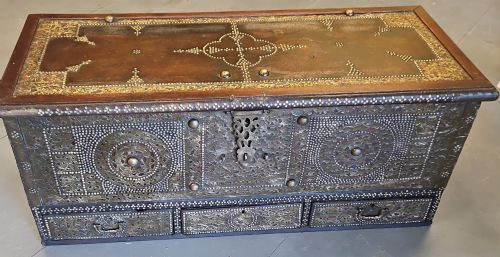
The styles range from iron-bound utility trunks to highly decorative lacquered and inlaid surfaces featuring brass studwork. Collectors prize these chests for their robust construction and the distinct cultural narratives embedded in their timber and ornamentation.
How they were made
Cabinetmakers utilised dense tropical timbers like teak, camphor wood, rosewood, padouk, and satinwood to construct these durable storage vessels. These woods resisted insect damage and humidity, ensuring the contents remained secure during transit.
Iron and brass hardware provided vital structural reinforcement and decorative detail. Smiths forged corner brackets, straps, hinges, and countless studs to bind the heavy planking together.
Surface ornamentation involved vibrant red lacquering, intricate carving, and mother-of-pearl inlay applied by regional artisans. These decorative techniques transformed utilitarian containers into striking objects of domestic display.
Camphor wood chests retain their distinct medicinal scent after more than a century, quietly perfuming every blanket stored inside.
What varies in quality
The refinement of the carving and the complexity of the metal embellishments distinguish standard utility trunks from exceptional pieces. Finely chased brass work, dense surface carving, and intact lacquer layers elevate a chest's aesthetic standing.
The choice of primary timber influences the overall character and integrity of the piece. Selecting dense aromatic woods like camphor or richly figured rosewood demonstrates a higher grade of initial commissioning.
The structural integration of mounts, brackets, and stands dictates the architectural success of the chest. Original mounts that complement the proportions without obscuring the grain represent superior craftsmanship.
The Indian Wood Blanket Chest Glossary
- Campaign chest
- A portable storage trunk designed for military officers and travellers, typically built in sections with recessed brass handles. These pieces prioritized durability and ease of transport during nineteenth-century journeys.
- Dowry chest
- A traditional container commissioned for a bride, filled with household linens and valuables to mark her marriage. These boxes often feature regional folk art, specific local motifs, or symbolic decorative elements.
- Zanzibar chest
- A heavy wooden trunk featuring elaborate brass studding, strapwork, and often a concealed interior till. These pieces reflect the maritime trade routes connecting India, the Middle East, and the East African coast.
- Coffer
- A large wooden box used historically for safekeeping valuables, money, or documents. They generally possess robust lids and substantial iron binding for enhanced security.
- Lacquer
- A durable resin finish applied in multiple coats and often tinted red or decorated with pigments. This technique protected the wooden substrate while providing a vibrant decorative surface.
Indian Wood Blanket Chest: Frequently Asked Questions
How were these chests used historically?
These chests originally transported personal belongings, trade goods, and dowries across land and sea. Their robust construction protected contents from moisture, pests, and the rigours of transit.
Merchants and military officers relied on iron-bound trunks for secure transport, while families kept dowry chests in homes as repositories for textiles and valuables.
Which woods are most common?
Camphor wood, teak, rosewood, and general hardwood appear frequently across these listings. Camphor wood was particularly favoured for its insect-repellent properties and distinct aroma.
Makers also employed satinwood, padouk, and ebony, often pairing dense tropical timbers with brass and iron hardware to reinforce the joints.
How do I date a nineteenth-century chest?
Dating relies on examining the timber, construction methods, and hardware styles associated with Victorian and colonial periods. Nineteenth-century examples often feature hand-forged iron bindings, specific brass stud patterns, and traditional joinery.
Stylistic influences such as Anglo-Indian design or Ottoman and Syrian motifs help narrow the decade of origin when combined with material evidence.