

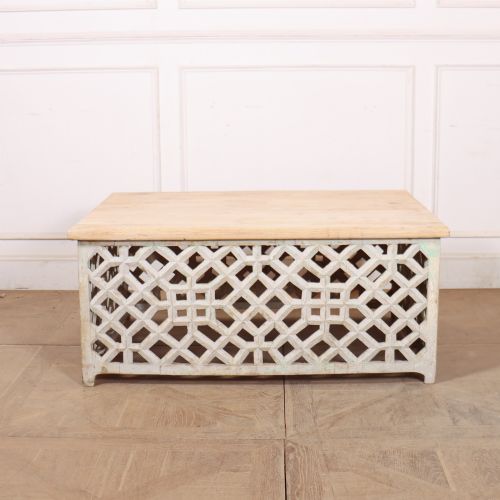


Indian Colonial Trunk
An indian colonial trunk offers sturdy storage and dense timber work, bringing nineteenth-century utility and craftsmanship straight into a modern room.
Indian Colonial Trunk
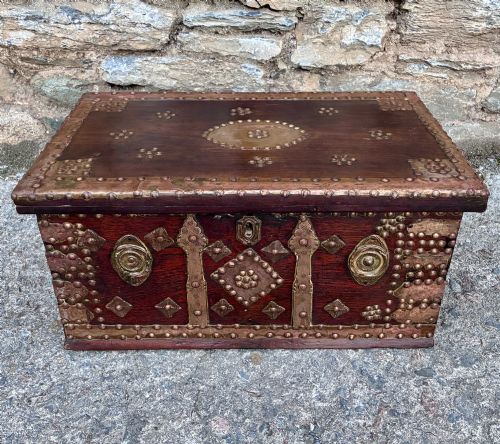
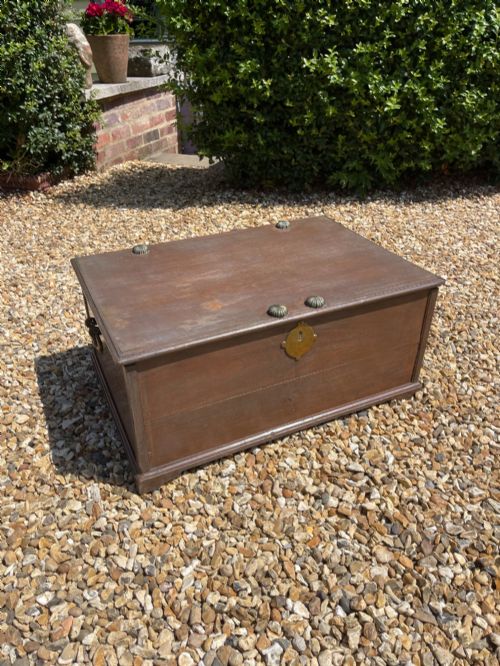
An indian colonial trunk encompasses heavy storage chests, blanket boxes, and deed boxes shaped by cross-cultural exchange during the nineteenth century. These pieces served travellers and merchants, designed to endure long journeys by sea and land.
Most examples found here date from the Victorian era and the broader nineteenth century, utilising robust timbers suited to tropical climates. Alongside traditional trunks, the selection includes related forms like campaign chests and storage boxes.
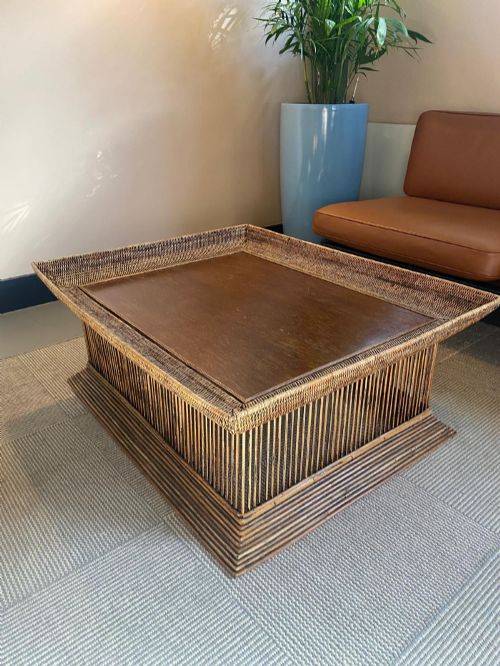
Buyers seek these items for their practical storage capacity combined with striking decorative presence. They sit easily in contemporary interiors as coffee tables, blanket boxes, or statement storage furniture.
Materials and Construction
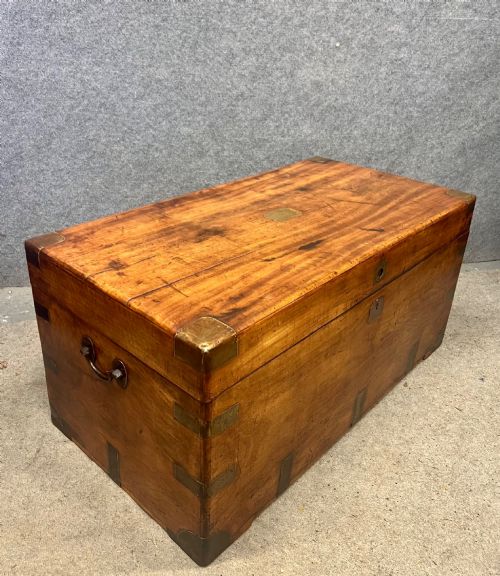
Cabinetmakers utilised dense exotic hardwoods including teak, padouk, camphor wood, and satinwood, chosen for durability and resistance to humidity. Camphor wood provided the added benefit of insect deterrence for stored textiles.
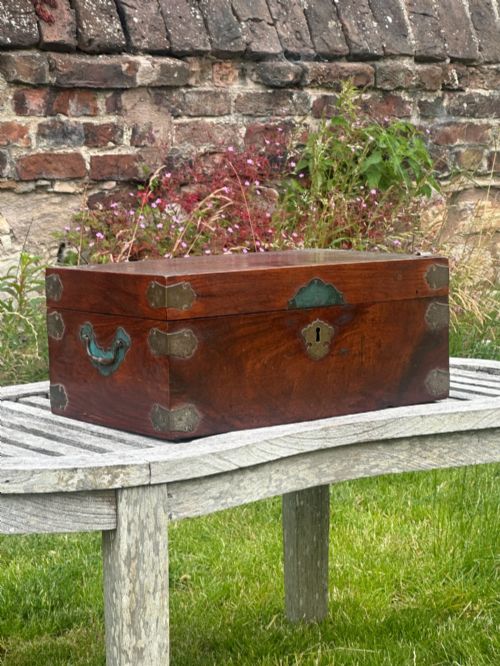
Structural integrity was reinforced with heavy brass binding, strapwork, and iron studs or brackets. These metal mounts protected the corners and edges during transit while creating distinct geometric patterns across the wood surface.
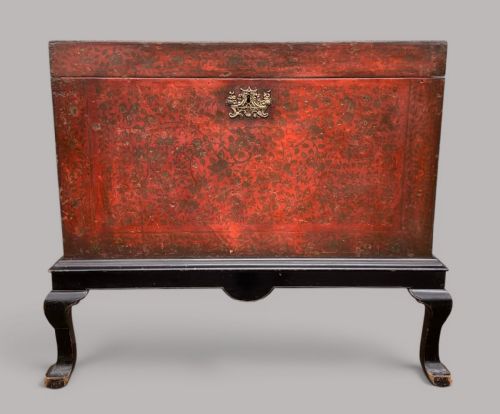
Surfaces frequently display intricate carved details, iron or brass fixtures, and occasionally red lacquer finishes. Joinery had to be exceptionally tight to withstand the rigours of colonial transport.
Indian Colonial Trunk Retail Price Guide 2026
Typical asking prices for indian colonial trunk among the pieces listed under this phrase on Sellingantiques today, from the lower quarter to the upper quarter. They describe what is for sale here now, not the wider market.
Several camphor wood trunks still retain a faint, unmistakable medicinal scent after more than a century.
Qualities That Set Pieces Apart
The distinction between standard utility boxes and finer examples rests on timber selection and the precision of the metalwork. Heavy padouk or camphor wood combined with elaborate brass strapwork and flush handles indicates superior workshop production.
Carving depth and clarity distinguish regional specialisms, particularly where intricate floral or figurative motifs adorn the surface. Original brass mounts, working locks, and untouched surface patination elevate individual pieces above later or heavily restored examples.
The Indian Colonial Trunk Glossary
- Campaign chest
- A piece of furniture designed to dismantle or withstand frequent travel by military officers and administrators. These boxes feature recessed brass handles and reinforced corners.
- Zanzibar chest
- A specific form of heavy storage chest characterised by elaborate brass studding, strapwork, and a distinct central facade motif. They reflect trade routes connecting western India with the East African coast.
- Padouk
- A dense, durable red-toned hardwood native to the tropics, frequently utilised for high-end nineteenth-century campaign furniture. It darkens to a rich reddish-brown over time.
- Coffer
- A large, sturdy box traditionally used for holding valuables, textiles, or documents. These pieces often feature heavy iron or brass hinges and robust locking mechanisms.
Indian Colonial Trunk: Frequently Asked Questions
What is an indian colonial trunk?
An indian colonial trunk is a nineteenth-century storage chest built from dense tropical hardwoods like teak or camphor wood. These pieces were made for merchants and travellers.
They combine utilitarian iron or brass reinforcement with regional decorative carving, making them durable and visually distinct storage items for modern homes.
How were these trunks used originally?
Trunks and blanket boxes served to transport and protect personal belongings, trade goods, and valuable documents during long journeys across land and sea. Their robust construction ensured contents remained safe from moisture and rough handling.
Many incorporated camphor wood specifically to protect stored garments from moths and other insects while in transit.
How do I style a trunk at home?
These chests function exceptionally well as living room coffee tables, providing a low surface alongside hidden interior storage. Alternatively, they sit at the foot of a bed as blanket boxes or act as statement storage pieces in hallways.
Their dark timber tones and metal mounts pair naturally with both traditional and contemporary interior schemes.
How can I identify the timber?
Timber identification relies on observing grain patterns, weight, and colour variations across the surface. Camphor wood often retains a faint characteristic aroma, while padouk displays a deep reddish hue.
Teaks and other dense hardwoods generally show tight, straight grain structures indicative of nineteenth-century colonial workshop standards.