




Indian Colonial Cupboard
An indian colonial cupboard brings solid timber and intricate carving together, offering generous storage with a distinct architectural presence.
Indian Colonial Cupboard
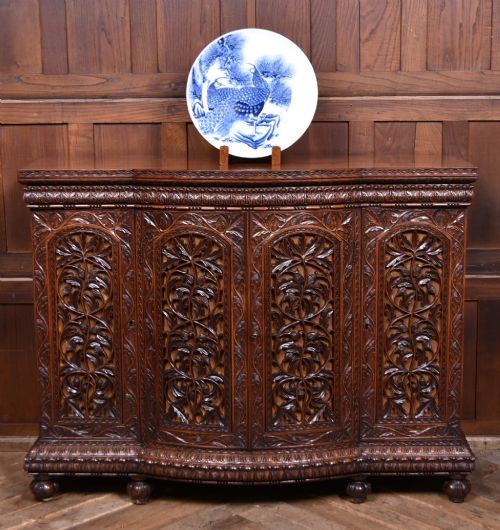
An indian colonial cupboard spans utilitarian storage pieces and decorative display items created during British rule across the subcontinent. You will frequently encounter nineteenth century examples rendered in dense tropical timbers alongside twentieth century iterations.
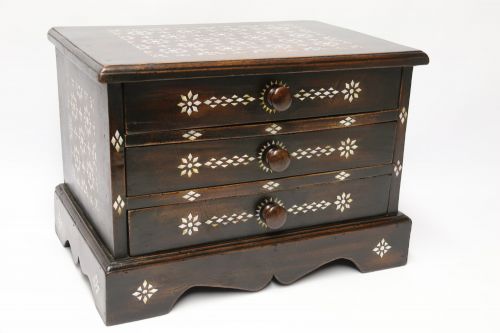
Forms range from compact collector chests and side cabinets to tall armoires and sideboards. Many items reflect Anglo-Indian, Anglo-Burmese, and Victorian colonial design idioms.
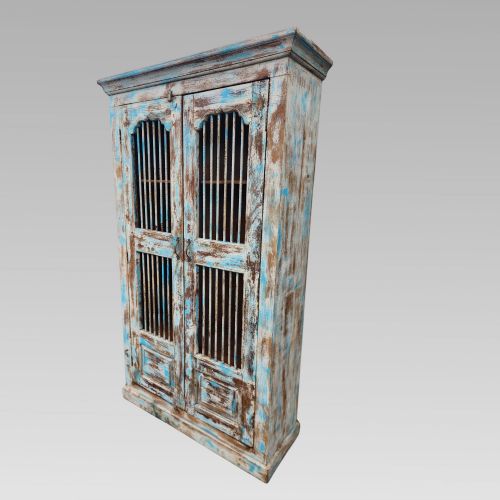
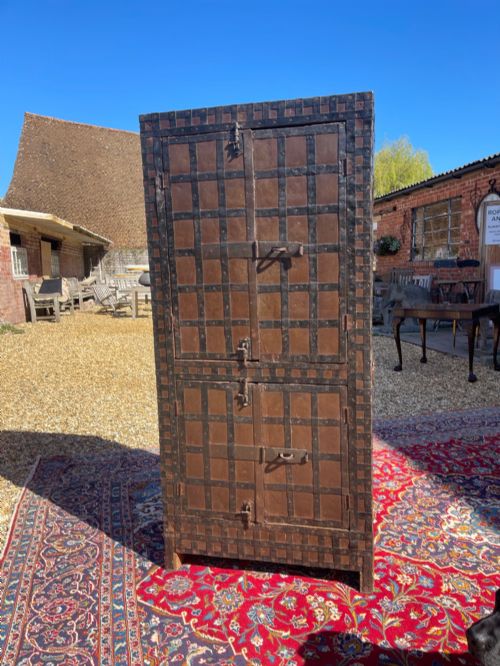
The category encompasses glazed cabinets, metal bound cupboards, and specialised forms such as veranda gin cabinets and miniature linen presses. These works served European administrators and local elites, adapting Western furniture types to domestic requirements in the East.
How they were made
Joinery relies heavily on dense exotic timbers including teak, padouk wood, rosewood, satinwood, and general hardwood. These heavy woods provide the structural integrity required for large sideboards and tall cupboards without excessive framing.
Surface embellishment often involves deep relief carving, string inlay, and painted finishes on reclaimed teak. Metal elements such as brass hinges and iron bindings reinforce corners and doors while adding functional contrast to the dark timber.
Glazing appears on bookcases and display cabinets, while folding mechanisms feature on smaller tables associated with the period. Construction techniques combine traditional regional woodworking methods with British cabinet-making proportions.
Current listings feature nineteenth-century and early twentieth-century pieces built from teak, padouk wood, rosewood, satinwood, and iron.
What varies in quality
The finesse of the hand carving separates standard storage from exceptional decorative works, particularly on panels and friezes. Crisp details in floral and geometric motifs indicate skilled workshop execution.
Selection and figure of the timber significantly influence desirability, with richly grained padouk, rosewood, and satinwood commanding attention. The integrity of original brass and iron hardware further distinguishes superior pieces.
The Indian Colonial Cupboard Glossary
- Padouk wood
- A heavy, durable tropical timber with a reddish hue used extensively in nineteenth-century cabinet making. It resists decay and takes a fine carved finish.
- Satinwood
- A lustrous, yellowish timber valued for fine furniture and inlay work. It provides a striking contrast when paired with darker hardwoods.
- Anglo-Indian
- A descriptive term for furniture made in India during the British colonial period, combining European forms with local carving traditions.
- Linen press
- A tall cupboard traditionally used for storing folded garments and household linens on sliding trays. Miniature versions served specialised storage roles.
- Campaign
- Furniture designed to dismantle or fold for easy transport by military officers and officials on the move.
Indian Colonial Cupboard: Frequently Asked Questions
What woods were commonly used?
Cabinet makers utilised dense tropical hardwoods such as teak, padouk, rosewood, and satinwood.
These durable timbers withstand humid climates and support intricate hand carving.
How do I date a piece?
Dating relies on timber selection, construction methods, and stylistic cues connecting the piece to nineteenth-century or early twentieth-century periods.
Detailed hand carving and specific hardware types often indicate the era of manufacture.
How should I care for the timber?
Maintain stable indoor humidity levels to prevent the dense tropical woods from splitting or warping over time.
Apply suitable wax polish sparingly to nourish the grain without buildup.