



Indian Colonial Armchair
An indian colonial armchair combines British seating design with intricate local carving, offering substantial comfort and heavy timber construction.
Indian Colonial Armchair
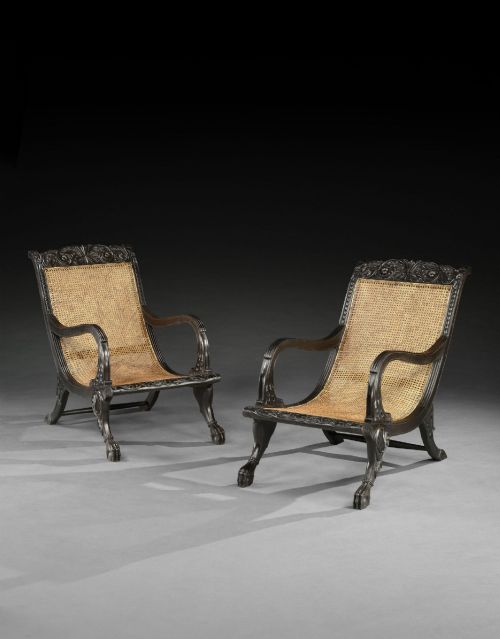
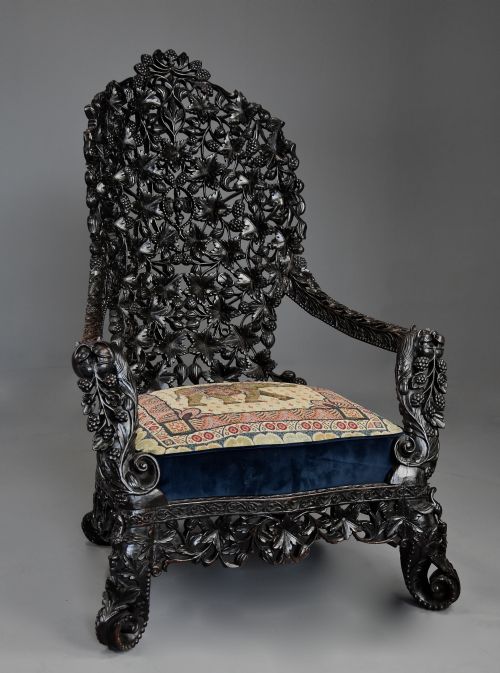
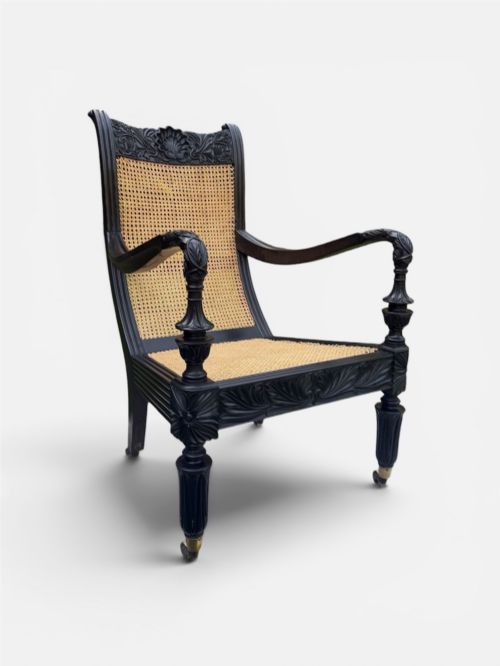
An indian colonial armchair is a seating piece made during periods such as the nineteenth century, the Regency era, and the early twentieth century. You encounter forms ranging from library chairs and elbow chairs to reclining planter's chairs and heavy throne chairs.
The styles encompass Anglo-Indian, British Colonial, and Art Deco Anglo-Indian variations. Many pieces feature regional regional expressions from Ceylonese or Burmese workshops.
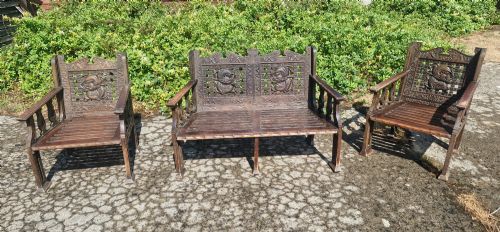
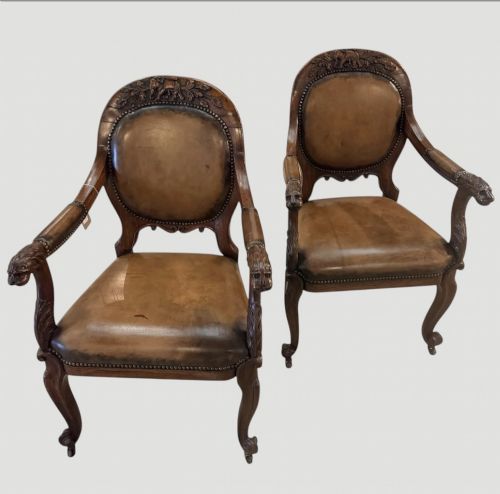
Seating arrangements also appear as matched pairs, sets of fourteen, and larger conservatory or salon suites including settees.
How they were made
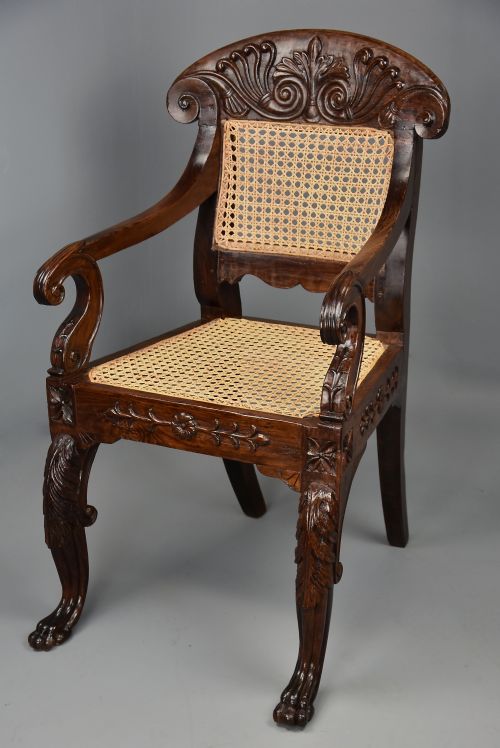
Cabinetmakers utilised dense tropical timbers such as teak, ebony, padouk, rosewood, and general hardwood. These heavy woods provided the structural integrity required for deep carving and extended frames.
Cane panels, rush seating, and original leather or velvet upholstery were integrated into the wooden frames. Brass accents and folding campaign mechanisms occasionally feature in the construction.
Listings feature pieces spanning the eighteenth century through the Art Deco period of the 1930s, constructed from teak, ebony, padouk, and cane.
What varies in quality
The depth and crispness of the carving distinguish standard regional output from exceptional examples. Dense timbers like solid ebony or finely figured rosewood indicate higher workshop standards.
The complexity of the form, such as reclining mechanisms with extending arms or matched suites, sets particular pieces apart from single side chairs.
The Indian Colonial Armchair Glossary
- Planter's chair
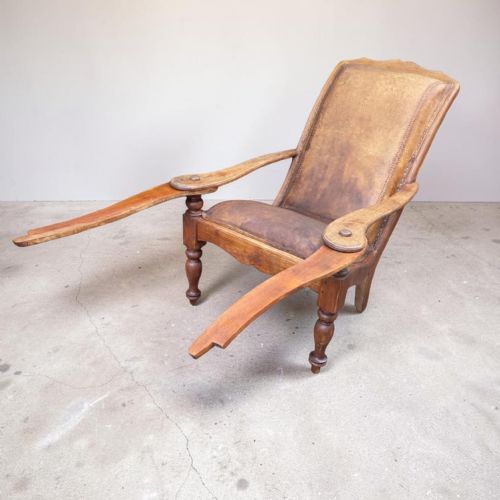
- A large armchair featuring extended arms designed for resting the legs, commonly associated with colonial verandahs. These chairs prioritise relaxed seating postures.
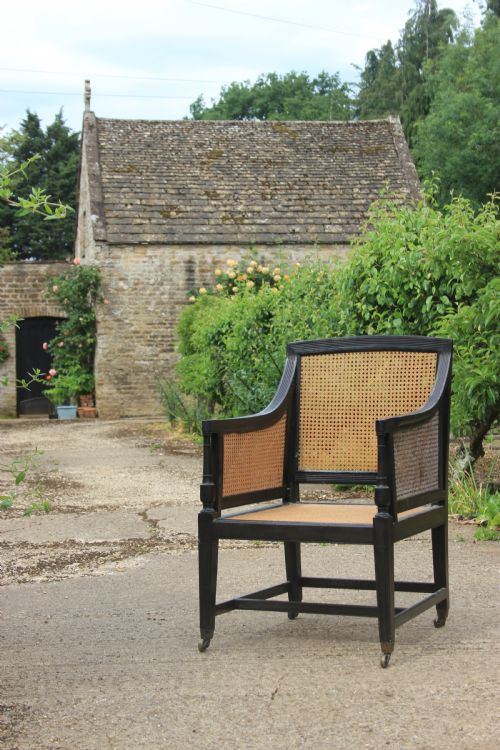
- Bergere
- An upholstered armchair with an enclosed cane back and sides. The wooden frame typically exposes carved detailing around the arms and legs.
- Padouk
- A heavy, durable tropical hardwood with reddish tones utilised in colonial furniture. It accepts detailed hand carving without splitting.
- Cane
- Woven rattan material used for seat inserts and back panels in tropical seating. It provides ventilation in warm climates.
Indian Colonial Armchair: Frequently Asked Questions
What is a plantation chair?
A plantation chair is a large seating form featuring long, extending armrests designed for resting the feet. These pieces were built for lounging on colonial verandahs.
They frequently appear in teak or hardwood, occasionally incorporating reclining backs for added comfort.
How do I care for ebony chairs?
Ebony furniture requires stable indoor humidity to prevent the dense timber from splitting. Regular dusting with a dry cloth maintains the natural surface.
Avoid placing these heavy chairs near direct heat sources or strong sunlight.
Are these chairs comfortable?
Many examples provide deep seating, raked backs, or supportive cane panels. Planter's chairs offer extended armrests specifically engineered for reclining.
Some pieces include original leather or velvet pads for softer seating.
How do I identify Regency influence?
Regency influence appears in classical furniture lines, sabre legs, and restrained classical carving applied to colonial timbers. These pieces often date from the early nineteenth century.
The proportions follow formal British seating patterns executed by local craftsmen.