
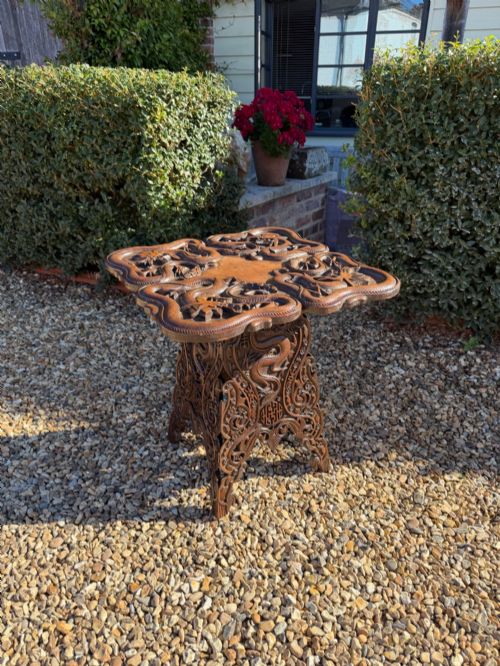
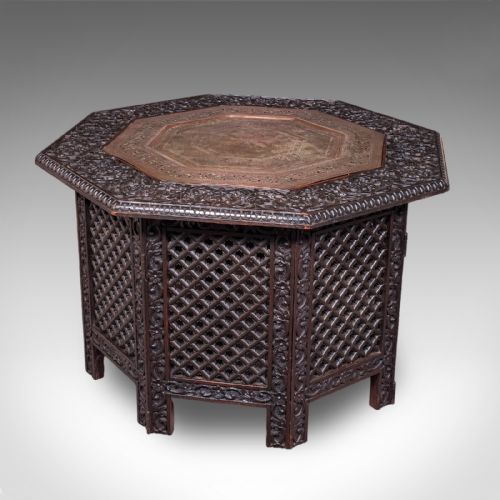
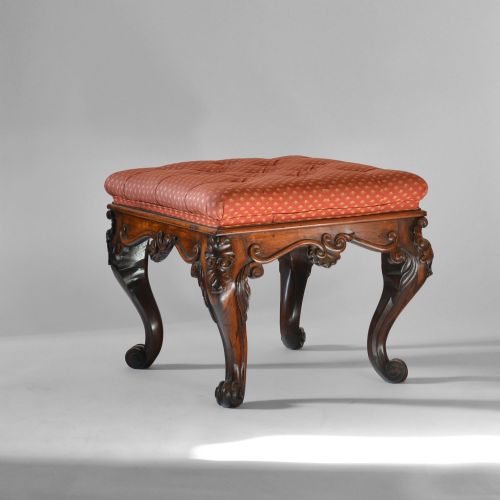
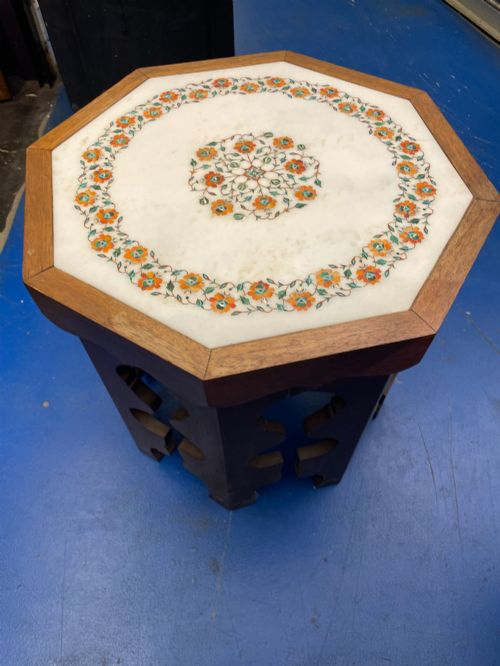
Indian Carved Wooden Table
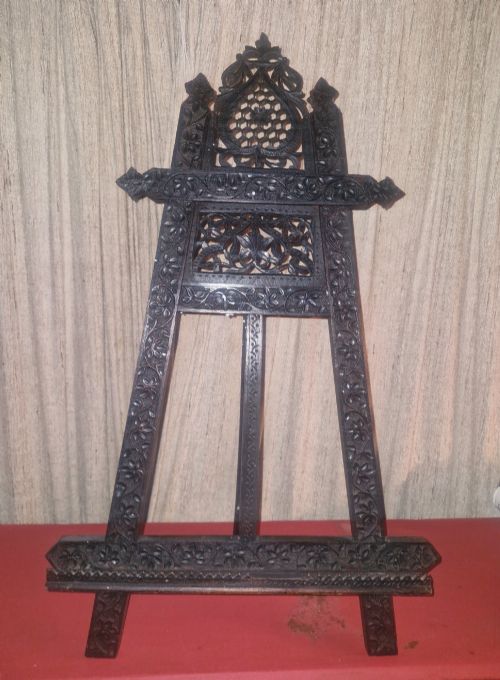
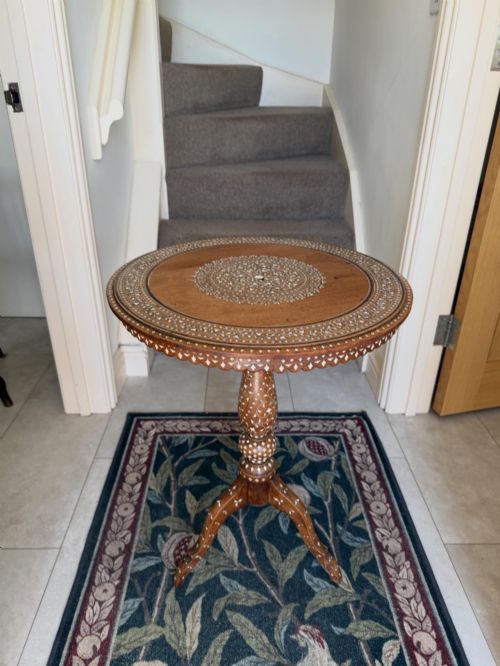
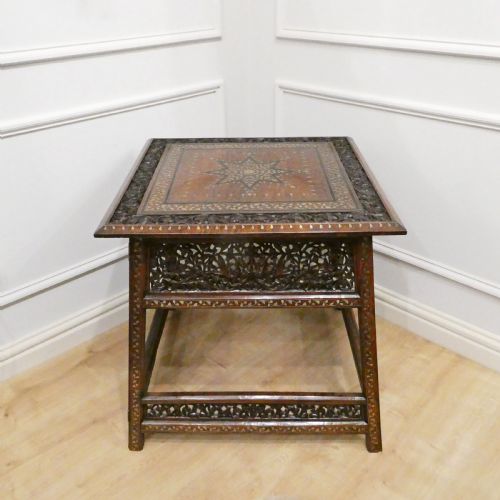
An indian carved wooden table brings intricate craftsmanship and rich timbers into a room, offering both decorative presence and practical surface space.
Indian Carved Wooden Table
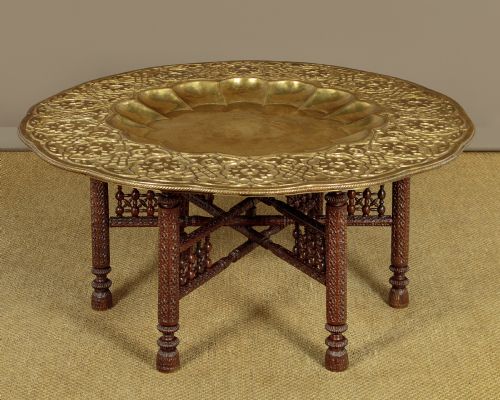
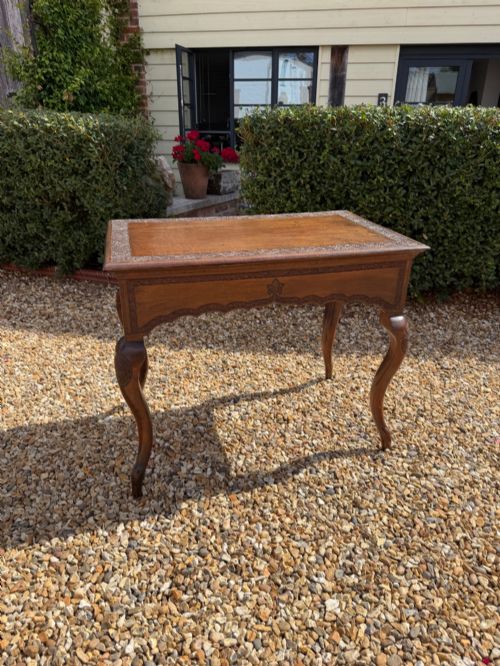
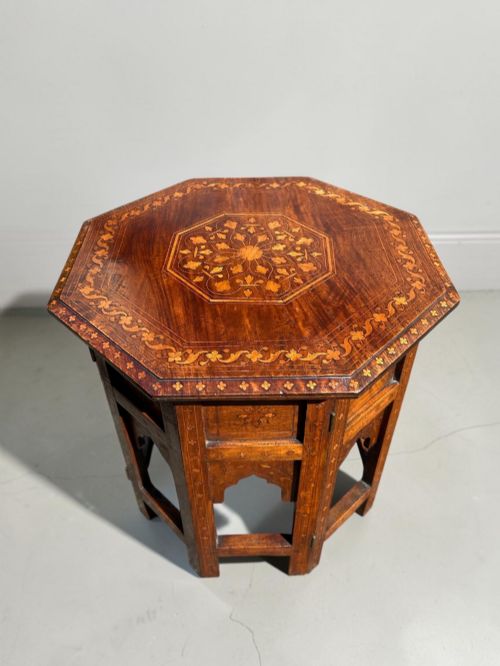
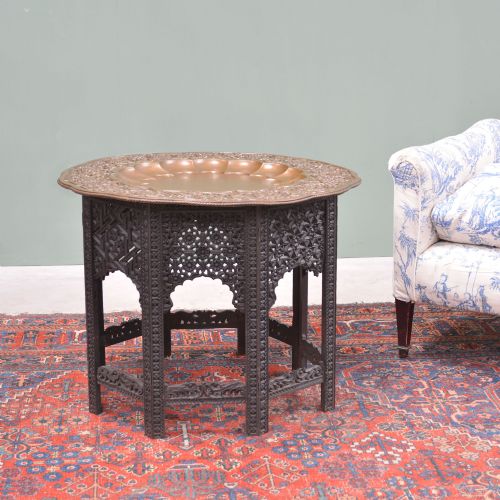
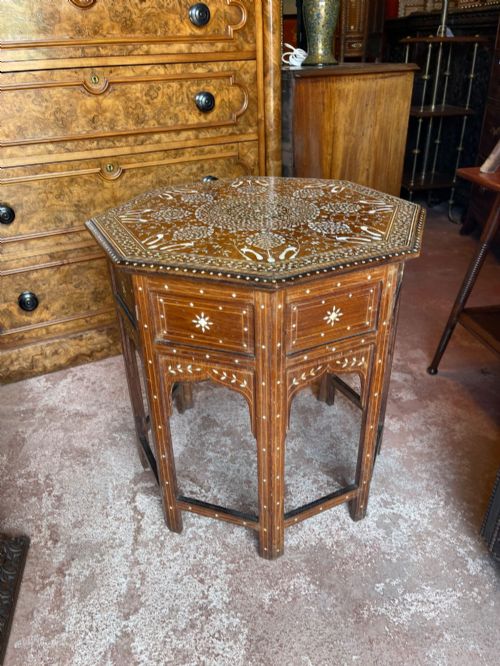
An indian carved wooden table encompasses various forms designed for domestic utility and display, ranging from occasional surfaces to specific occasional items. Buyers searching for an indian carved wooden table frequently encounter octagonal folding shapes, pedestal designs, and side tables originating from distinct regional workshops.
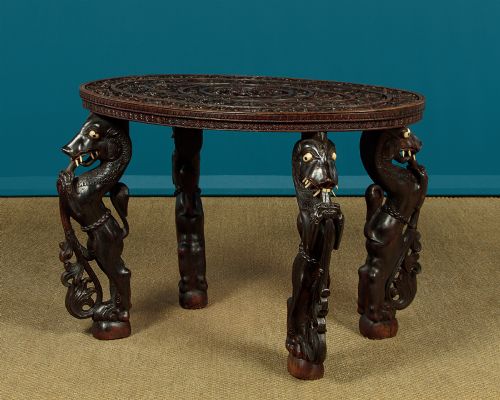
The selection includes pieces spanning the nineteenth century through the early twentieth century, showing influences from Anglo-Indian, Kashmiri, Moorish Revival, and Burmese traditions. These items serve as functional furniture while displaying dense surface carving and geometric construction.
Materials and construction
Maker workshops utilised dense regional timbers including teak, rosewood, padauk, and walnut to construct sturdy frames capable of supporting heavy surface ornamentation. These durable hardwoods provided a stable base for intricate chiselling and piercing work across tops and aprons.
Artisans integrated contrasting elements such as brass wire, bone, and mother of pearl into the wood to create detailed geometric and floral inlay patterns. Folding mechanisms and octagonal shapes required precise joinery to ensure stability without sacrificing portability.
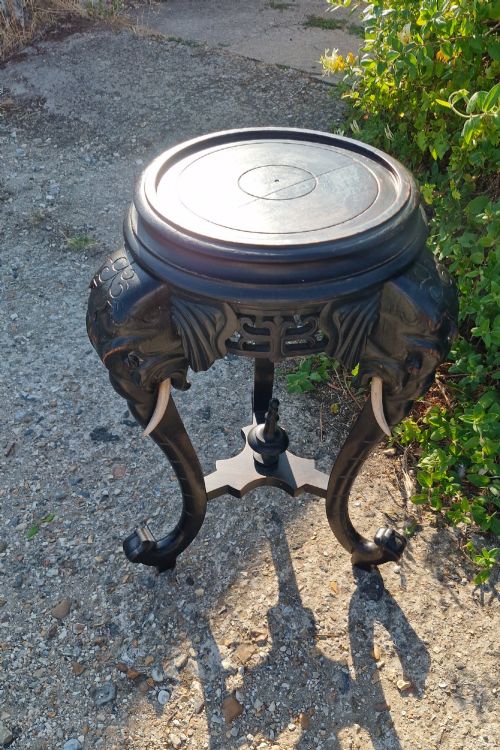
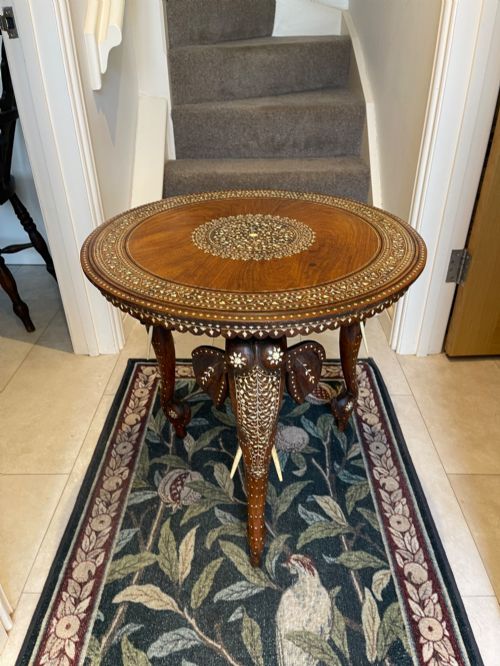
Wooden tusks project proudly from several elephant-themed tables, ensuring every gathering comes with built-in conversation starters.
Assessing quality
Quality rests upon the depth, sharpness, and complexity of the chisel work across the timber surface, distinguishing ambitious workshop output from simpler production. Superior examples feature crisp details on figural elements like elephants and foliage, executed without splintering in the dense grain.
The integration of contrasting inlay materials such as bone or brass dictates the grade of the piece, with precise flush fitting separating standard items from finer works. Timber selection also plays a role, with choice selections of padauk, rosewood, and walnut offering richer natural colour and grain patterns.
Hoshiarpur
The Indian Carved Wooden Table Glossary
- Octagonal
- Having eight sides. This geometric form appears frequently in folding tables designed to maximise surface area while easing storage.
- Inlay
- A technique where contrasting materials are inserted into recessed cavities in the wood base. Common examples utilise bone, brass, or mother of pearl.
- Teak
- A dense, oil-rich timber utilised for structural stability and resistance to warping. It provides a reliable foundation for intricate surface carving.
- Tray top
- A removable or stationary surface featuring raised edges. This form allows the upper section to function independently from the folding or pedestal base.
Indian Carved Wooden Table: Frequently Asked Questions
How do I clean an inlaid table?
Dust surfaces regularly with a soft, dry cloth to prevent debris accumulating within the carved recesses and delicate bone or brass inlays.
Avoid liquid cleaners and excessive moisture, which can loosen inlaid elements or damage the polished hardwood finish over time.
Are these tables sturdy enough for daily use?
Most occasional and side tables function well for holding lamps, books, or drinks during regular daily activities.
Folding or octagonal variants require proper alignment of their support bases to maintain stability when placed on level flooring.
How do I distinguish regional styles?
Kashmiri pieces frequently showcase walnut construction with flat surface painting or shallow floral carving, whereas Hoshiarpur items typically employ dense geometric wood carving combined with brass or bone inlay.
Burmese and broader Anglo-Indian examples often feature deep relief work depicting figures, foliage, and animals such as elephants.
Can I fold these tables regularly?
Folding variants were engineered for portability and storage, allowing the base to collapse beneath the detachable or hinged top.
Frequent movement requires careful handling of the interlocking wooden joints to prevent wear on the antique hinges and carved supports.