


Antique Indian Plant Stand
An antique Indian plant stand brings complex carved timber and inlaid surfaces into a room, offering a sturdy perch for ferns or lamps.
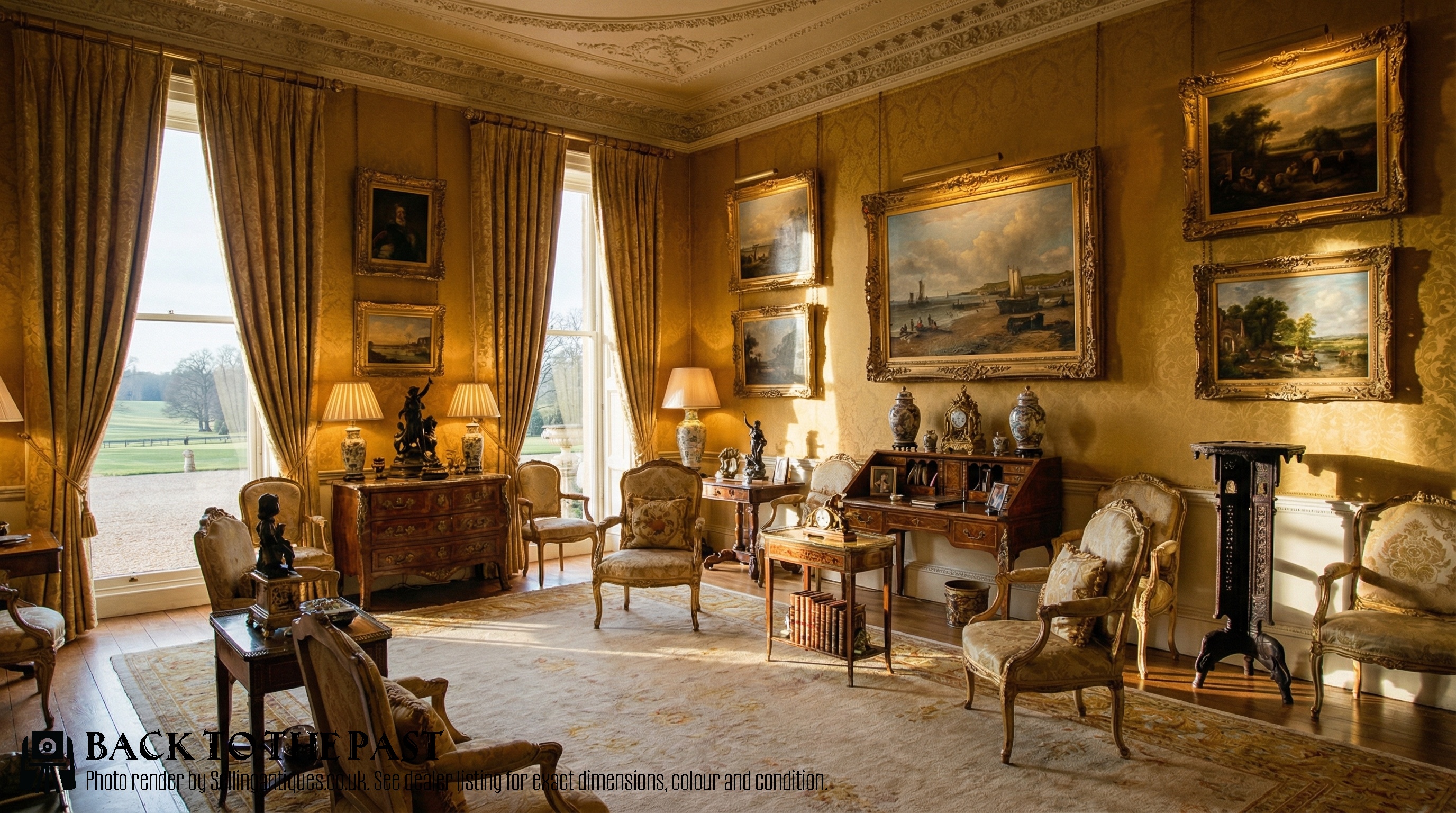
Antique Indian Plant Stand
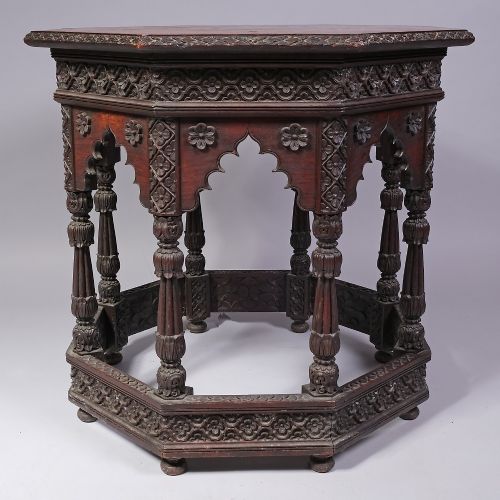
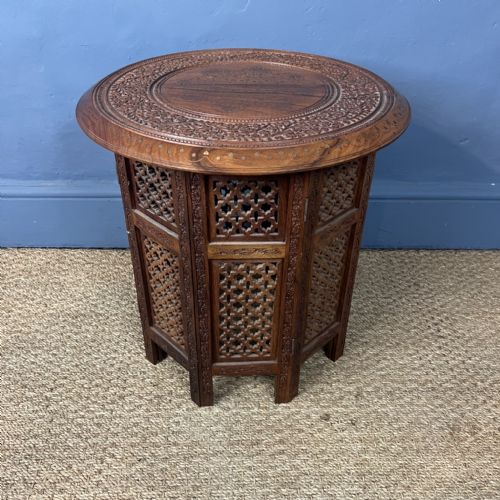
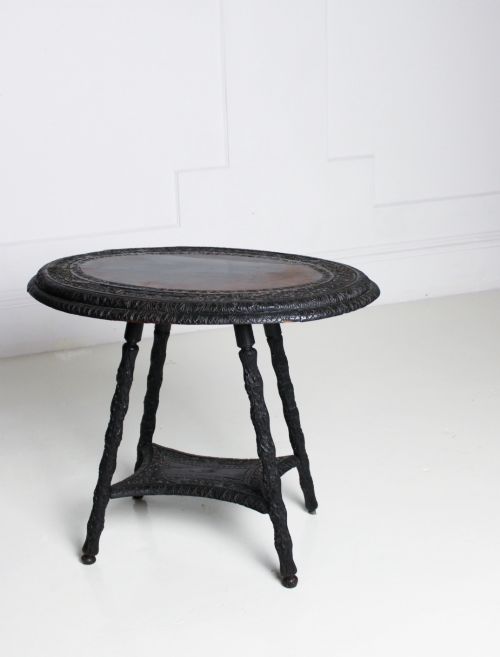
When searching for an antique Indian plant stand, buyers encounter a variety of carved occasional tables, torcheres, pedestals, and jardiniere stands produced during the nineteenth and early twentieth centuries. These items frequently overlap with side tables and lamp tables, often sharing low octagonal or circular tops supported by folded or fixed frames.
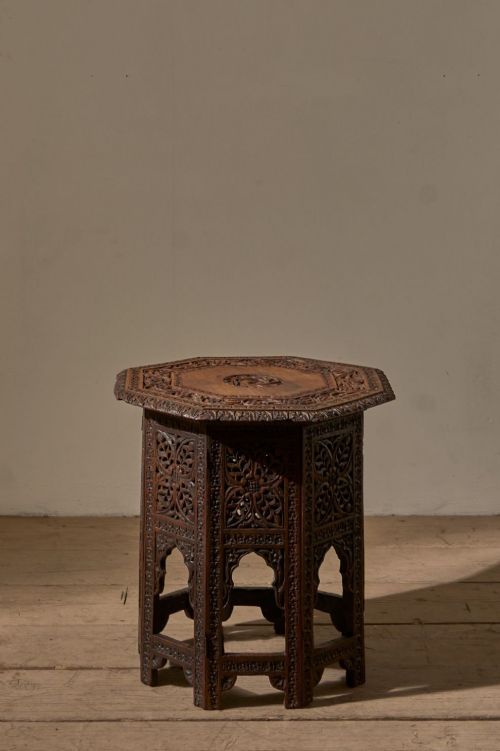
The objects stem from distinct regional and colonial traditions, including Anglo-Indian, Anglo-Burmese, and Moorish Revival styles. Pieces originate from production centres such as Hoshiarpur and the Bombay Presidency, reflecting both local craftsmanship and British domestic tastes of the Victorian and Edwardian eras.
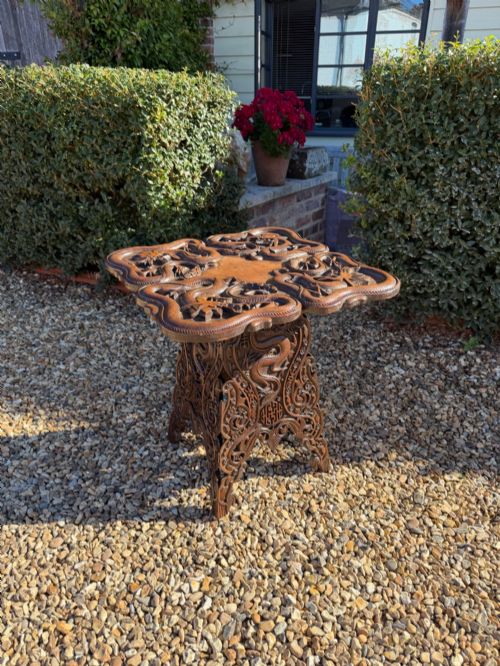
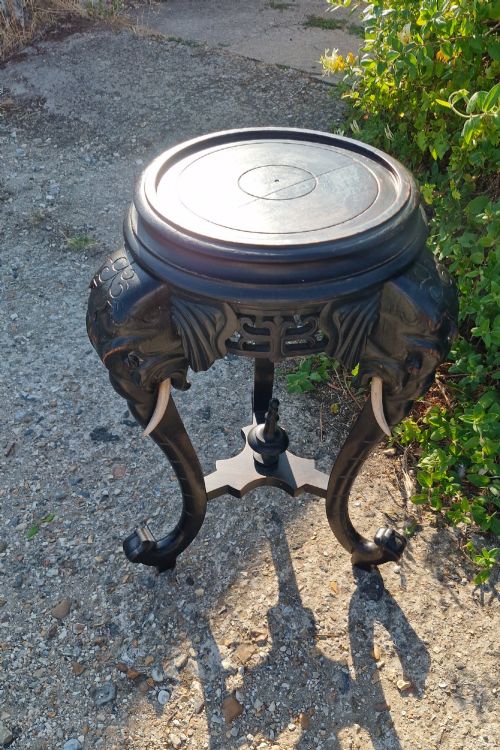
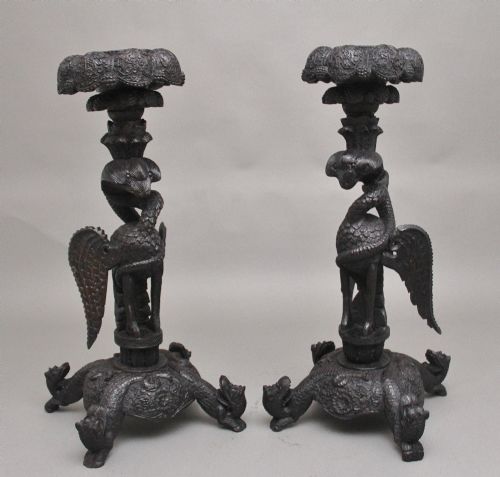
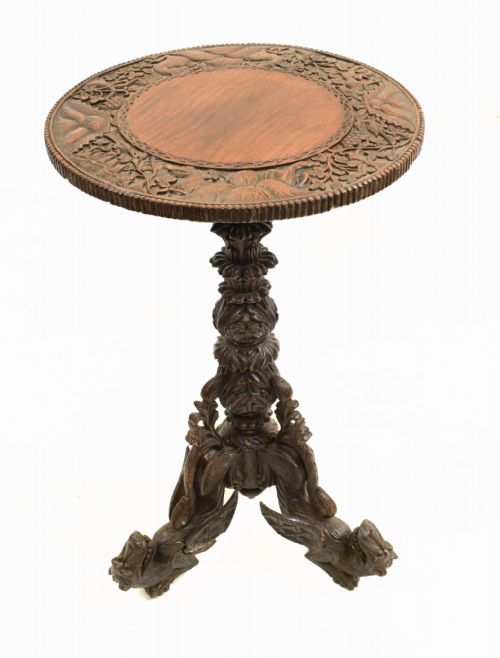
Octagonal elephant tables featuring carved animal motifs and folding structures dominate the selection, alongside tripod torcheres and brass-inlaid plant holders. Buyers also encounter architectural columns and sculptural forms designed to elevate displays within domestic interiors.
How they were made
Carpenters utilised dense regional timbers including teak, rosewood, padauk, sandalwood, and general hardwoods to construct these stands. Artisans carved deep foliage, dragons, and figures directly into the solid wood surfaces using traditional chisel work.
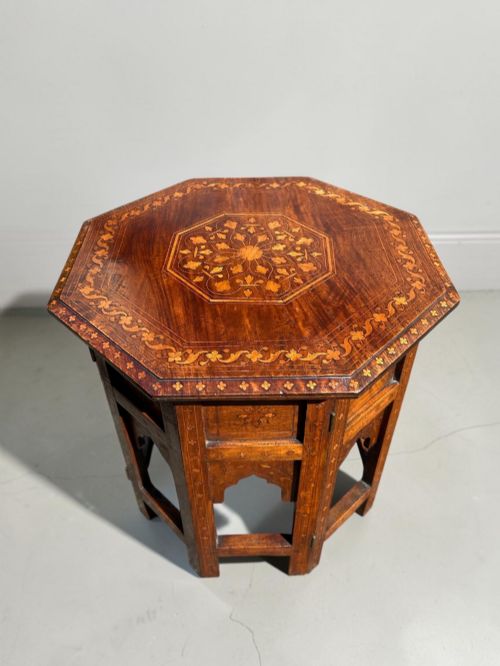
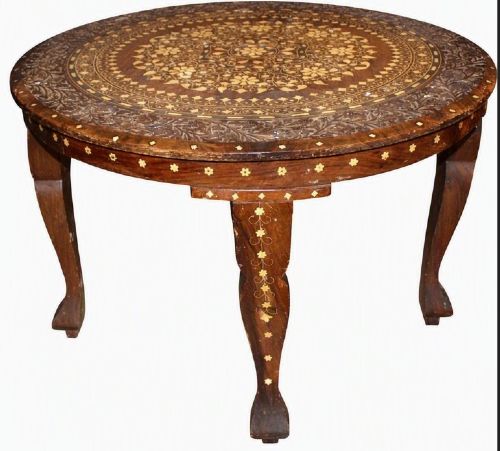
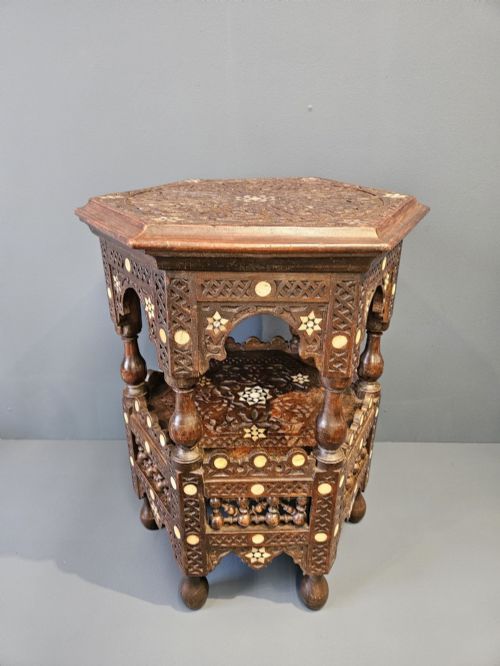
Surface enrichment relied on contrasting materials inserted into the timber base. Workshops inlaid bone, brass wire, sheet copper, and mother-of-pearl in intricate geometric patterns, whilst specific items received applied lacquer or painted wooden components.
Periods represented span from the Victorian era through the 1930s, encompassing Moorish Revival and Aesthetic Movement styles.
What varies in quality
The depth and crispness of the hand carving dictate visual distinction, separating flat or hasty execution from deeply undercut, highly detailed botanical and figurative motifs. Superior examples maintain structural tightness in folding mechanisms and stability across multi-legged tripod bases.
The precision and completeness of the inlay work determine overall excellence, as missing bone or lifted brass wire disrupts the intended geometric harmony. Furthermore, the selection of timber weight and the grain figure of rosewood or teak elevate the execution beyond standard utility pieces.
Liberty
The Antique Indian Plant Stand Glossary
- Hoshiarpur
- A district in Punjab known for intricate woodwork and inlay. Tables from this region typically display dense geometric patterns formed from brass and bone set into teak.
- Torchere
- A tall stand designed to hold a lamp or candle. These tall supports frequently feature slender shafts and tripod bases for stability.
- Jardiniere
- A decorative pot or stand for holding plants and flowers. Examples often incorporate metal liners or brass planters supported by wooden frames.
- Anglo-Indian
- A descriptive term for furniture made in India during British rule, combining local craftsmanship with European forms. These objects merge traditional carving techniques with shapes suited to British homes.
Antique Indian Plant Stand: Frequently Asked Questions
What is an elephant table?
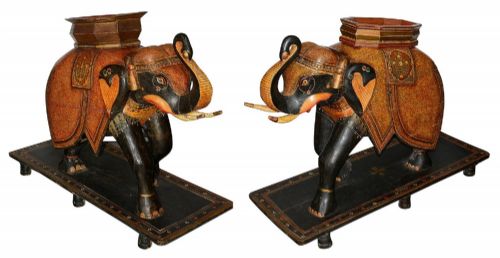
An elephant table is a small occasional stand featuring carved elephant heads, tusks, or full figures supporting the top. These items often fold flat for transport and originate from nineteenth-century workshops.
They served as decorative occasional furniture in colonial and Victorian homes, often placed in reception rooms to hold small lamps or ornaments. Today, they function well as compact plant stands or side tables.
How do I identify Hoshiarpur work?
Hoshiarpur pieces are recognised by their all-over surface ornamentation composed of minute bone and brass inlay set into dark teak. The wooden ground is typically carved entirely with dense foliage and floral patterns.
These items often take octagonal forms that fold on a lattice hinge. The intricate mosaic effect distinguishes them from plain carved hardwood furniture.
Were these stands made for export?
Many of these pieces were produced specifically for the export market during the British colonial period, catering to European demand for exotic furnishings. Workshops adapted traditional Indian carving methods to fit Victorian interior styles.
Items such as folding tables and jardiniere stands suited domestic spaces in Britain and Europe. They reflect the cross-cultural design exchange of the nineteenth and early twentieth centuries.
How do I care for inlaid wood?
Inlaid wooden stands require stable indoor humidity to prevent the timber from shrinking and releasing the brass or bone elements. Dust the carved surfaces gently with a soft brush rather than a cloth that might catch on raised details.
Avoid placing damp pots directly onto unlined wooden tops to prevent water marks. Apply occasional neutral wax to nourish the hardwood without disturbing the inlay.