



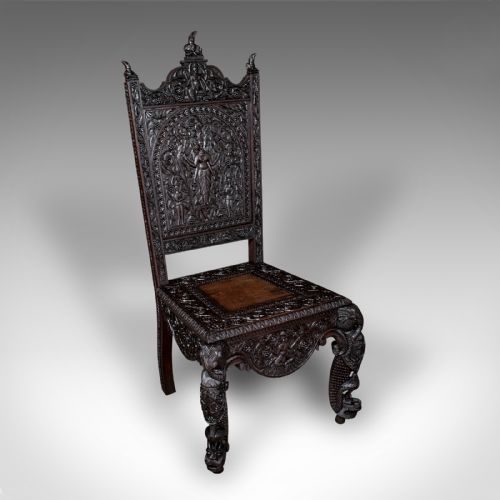


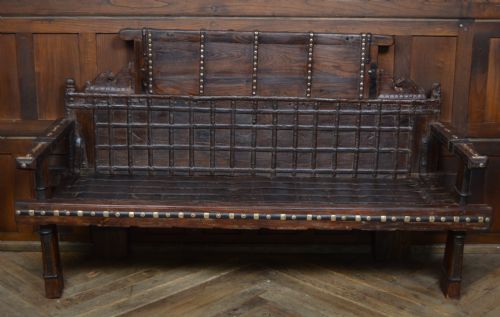
Indian Carved Wooden Seat
An indian carved wooden seat brings dense regional carving and rich tropical timber straight into a modern interior.
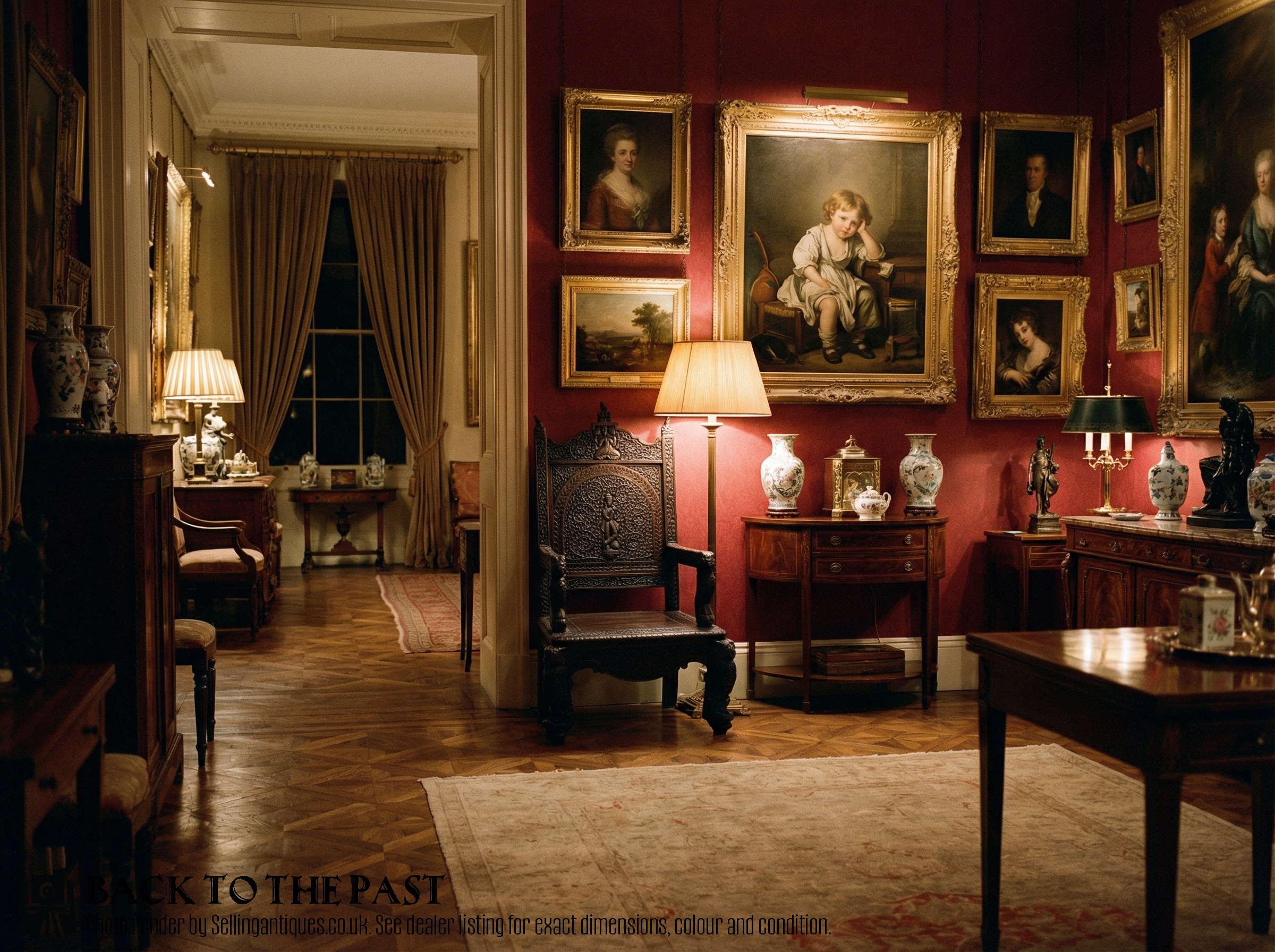
Indian Carved Wooden Seat
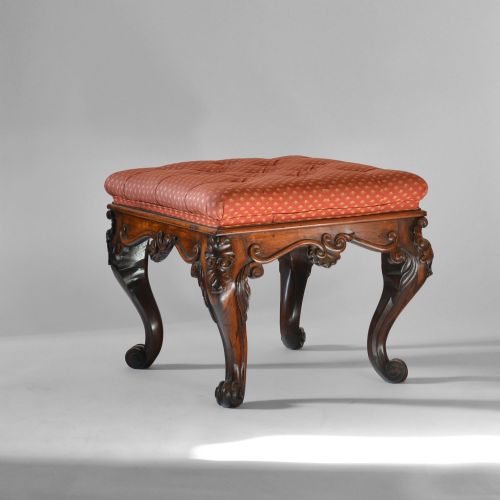
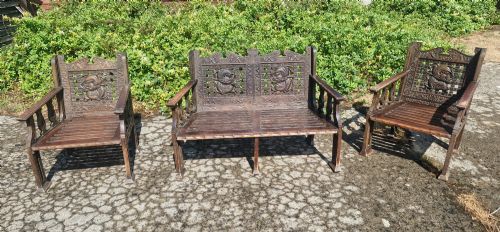
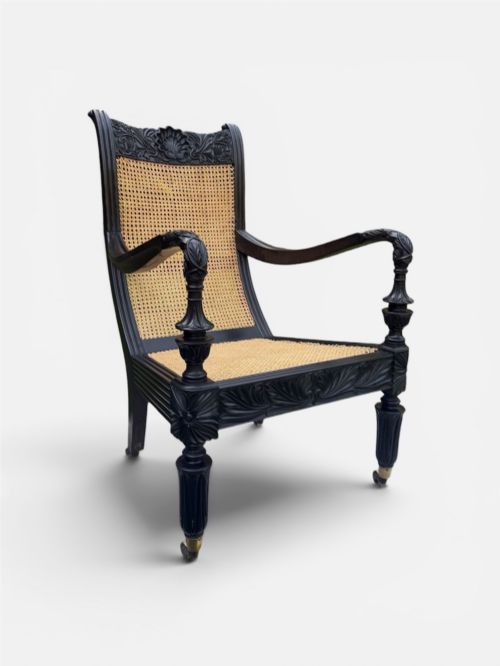
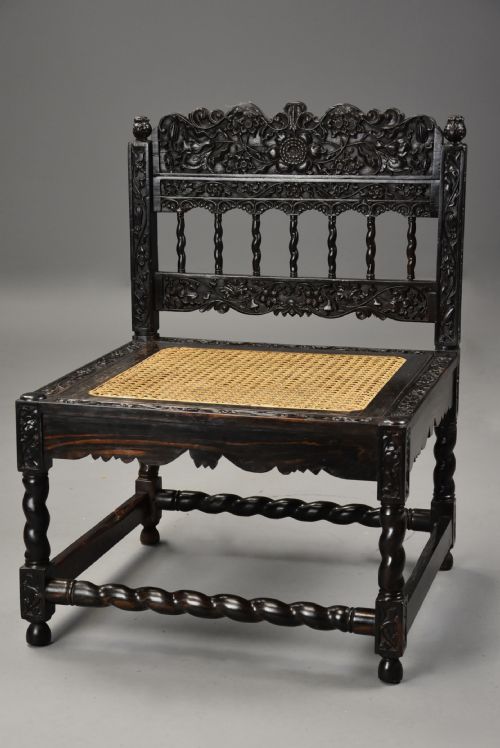
An indian carved wooden seat encompasses a wide range of regional forms, from sturdy teak veranda benches to elaborate ebony armchairs and low ceremonial chairs. Most examples encountered here date from the nineteenth century, reflecting both Anglo-Indian tastes and traditional craftsmanship.
The selection includes specialised seating such as window seats, folding chairs, wedding chairs, and bullock cart benches alongside conventional armchairs and side chairs. Stylistic influences span Anglo-Indian Colonial, Moorish Revival, and Asian folk art, showing deep carving traditions across diverse woods.
How they were made
Makers utilised dense tropical timbers including teak, rosewood, ebony, and satinwood, which provided the structural integrity necessary for intricate, deep relief carving. These durable woods were selected for their ability to hold fine detail without splitting under the chisel.
Construction techniques combined traditional joinery with surface embellishments such as brass detailing and pearl inlay. Many pieces rely on heavy solid timber frames shaped by hand to create elaborate scroll backs, figurative motifs, and pierced panels.
Materials recorded across these listings include teak, cane, ebony, brass, rosewood, iron, and satinwood, spanning the seventeenth to the twentieth centuries.
What varies in quality
The standard of carving defines the upper tier of these pieces, distinguishing crisp, deeply undercut foliage and figures from softer, more generalized surface incisions. Depth and clarity of the chisel work indicate the skill of the original maker.
The choice of primary timber also sets examples apart, with solid ebony, satinwood, and figured rosewood commanding greater visual weight than standard hardwoods. Original surface patination and the integrity of inset elements further separate standard workshop production from finer commissions.
The Indian Carved Wooden Seat Glossary
- Anglo-Indian
- A style describing furniture made in India during the British colonial period, often combining European forms with local carving techniques. These pieces merge familiar chair shapes with dense oriental ornamentation.
- Ceylonese
- Pertaining to Ceylon, now Sri Lanka, known for distinct regional furniture production using dense timbers like calamander and ebony. Ceylonese pieces frequently feature elaborate scrollwork and pierced carving.
- Moghul
- Relating to the Moghul Empire and its artistic legacy, characterised by refined ornamentation and courtly motifs. Moghul style seating often displays complex floral scrolls and balanced geometric compositions.
- Nandi Bull
- A traditional sculptural form depicting the sacred bull of Hindu iconography, sometimes rendered as a carved wooden seat or figure. These objects reflect deep cultural and religious motifs from the region.
Indian Carved Wooden Seat: Frequently Asked Questions
How do I care for a carved wooden seat?
Keep these dense tropical timbers away from direct heat sources and sudden humidity changes to prevent the wood from splitting. Dust regularly with a dry cloth and apply occasional natural wax to maintain the finish without clogging the deep carvings.
Avoid using modern liquid polishes that can build up within the recessed details of the ornament. Gentle handling of projecting carved elements ensures the longevity of delicate scrollwork and figural work.
Where should I place an antique window seat?
A window seat or low bench works effectively beneath a deep window frame or placed flat against a long hallway wall. Their detailed backs and sides allow them to function as sculptural standalone items in a larger room.
Ensure the piece sits out of direct, harsh sunlight to protect the natural tones of woods like rosewood and teak. They also serve well at the foot of a bed or as an occasional seat in a study.
Are these chairs comfortable for daily use?
Many nineteenth-century examples were constructed primarily for formal display or veranda use, featuring firm wooden seats rather than upholstery. Adding a simple loose cushion can improve comfort for regular seating without altering the historic frame.
Elbow chairs and armchairs offer broader proportions, while side chairs and folding chairs suit shorter periods of sitting. The solid timber construction provides robust support regardless of the lack of padding.
How can I tell the age of a carved bench?
Examine the underside and joints for hand-cut tool marks, pegged joinery, and the natural oxidation of the timber over decades of exposure. Nineteenth-century pieces typically show heavy patination and deep colouration in the grain.
Stylistic cues such as Raj period motifs or Victorian hybrid forms help narrow down the date of manufacture. Comparing the density of the hardwood and the crispness of the chisel work offers further context on the era.