
Indian Bone Carving
When you handle indian bone carving, you hold intricate historical craftsmanship made for the colonial and export markets.
Indian Bone Carving
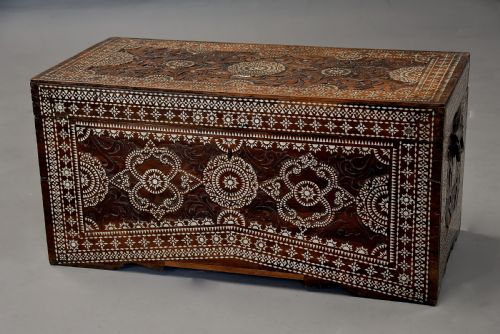
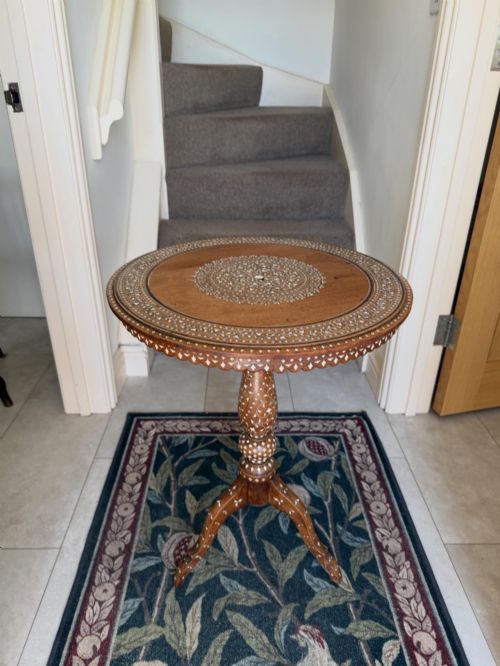
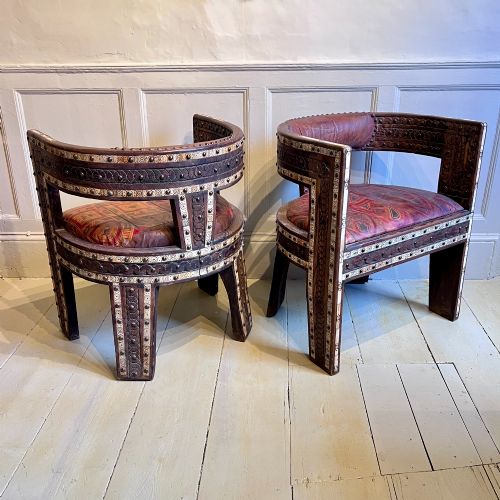
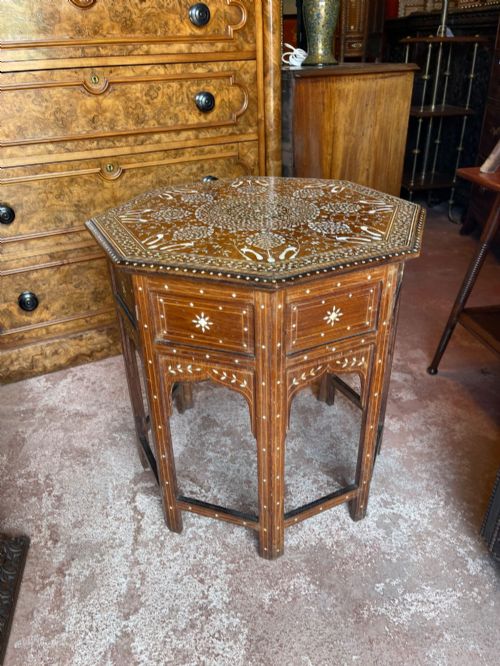
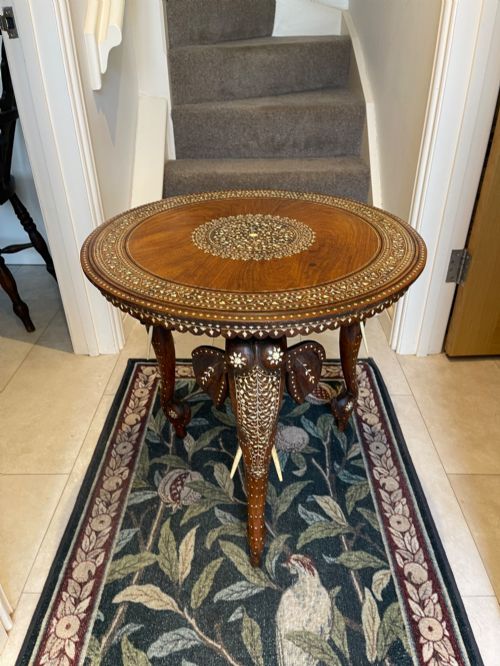
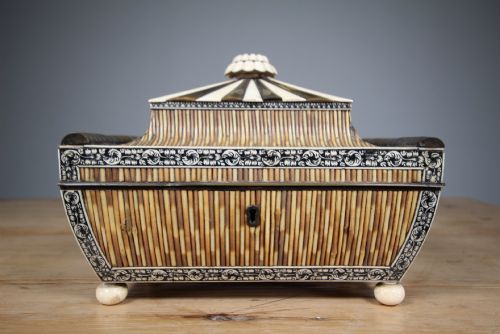
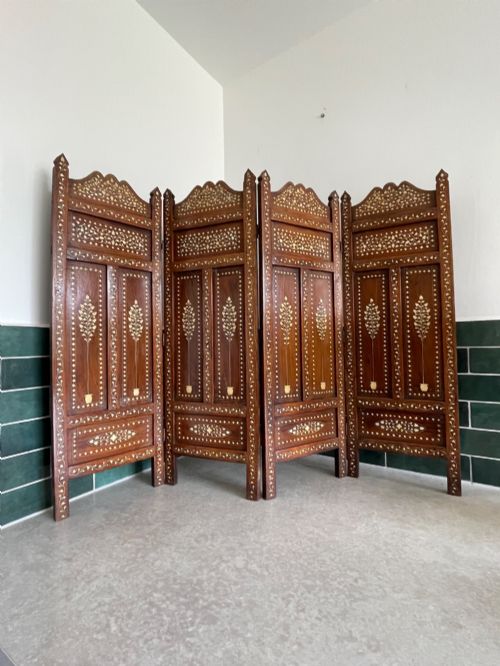
An indian bone carving brings tactile pattern and colonial history into a room through decorative boxes, occasional tables, and folding furnishings. You find these objects fashioned from organic materials combined with dense hardwoods like teak and ebony.
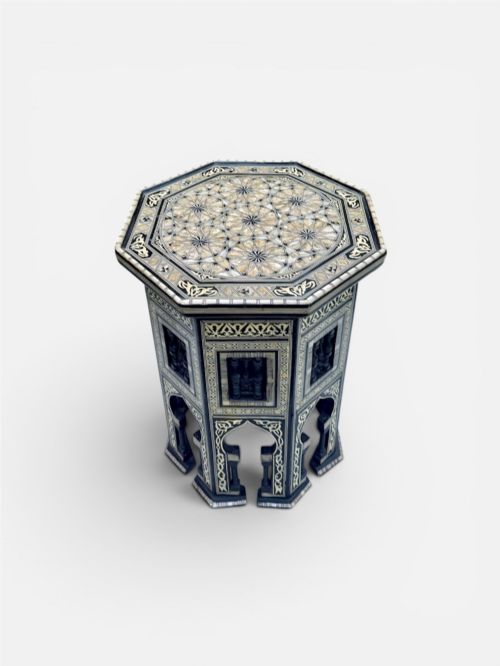
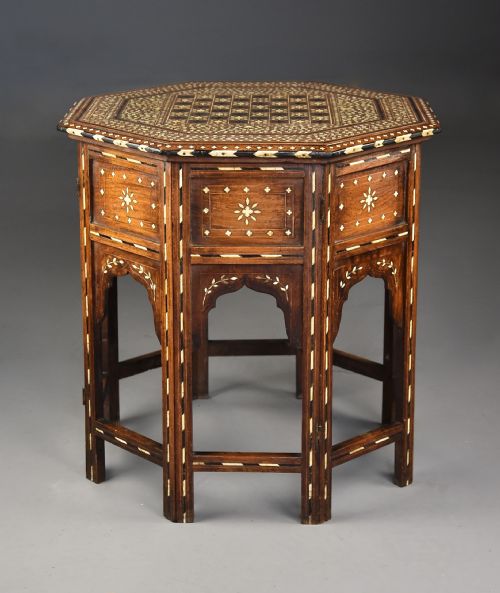
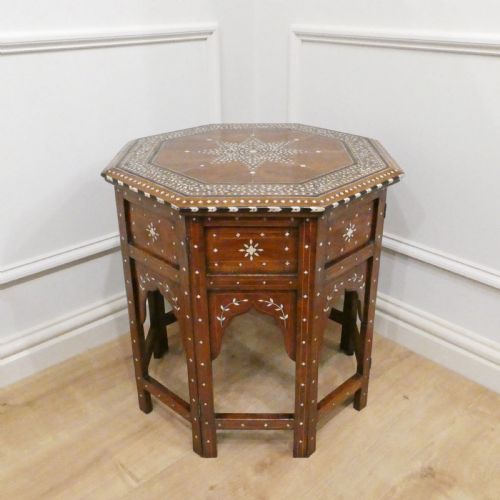
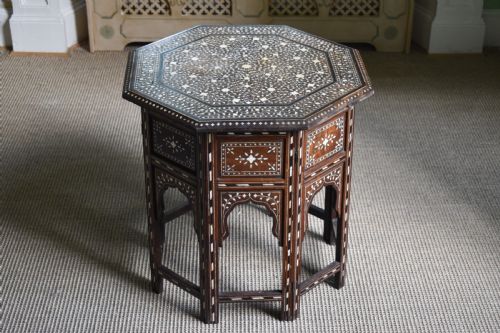
The pieces appearing most frequently on this page date from the nineteenth century into the early twentieth century, reflecting Anglo-Indian and Moorish Revival tastes. These items range from small stationery boxes to octagonal occasional tables.
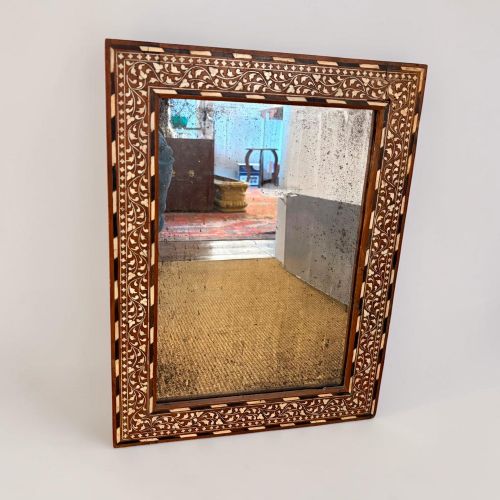
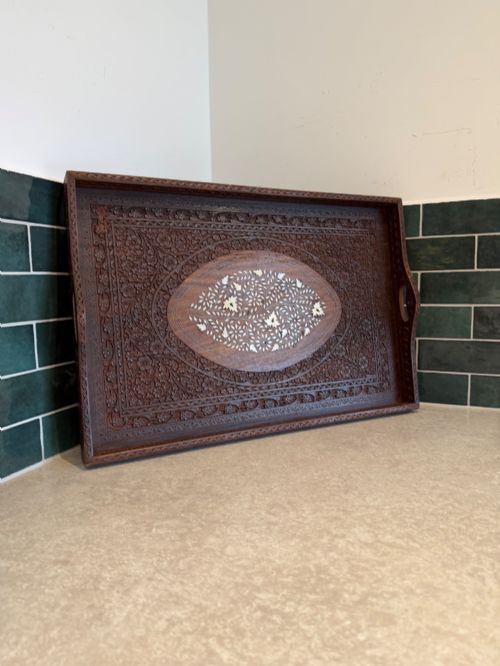
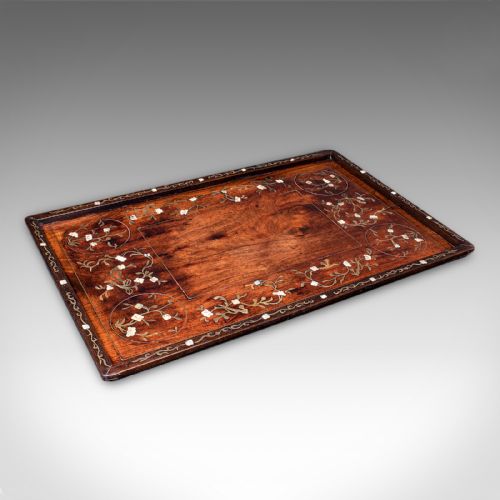
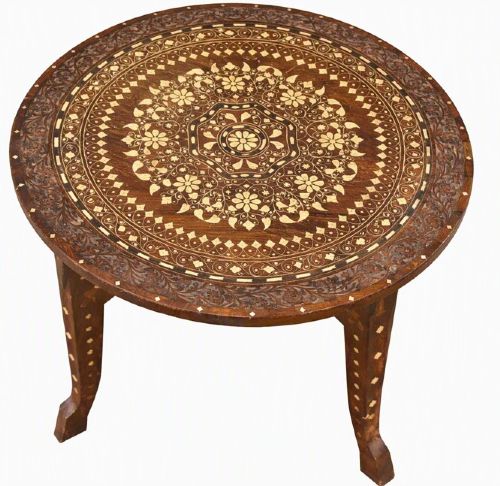
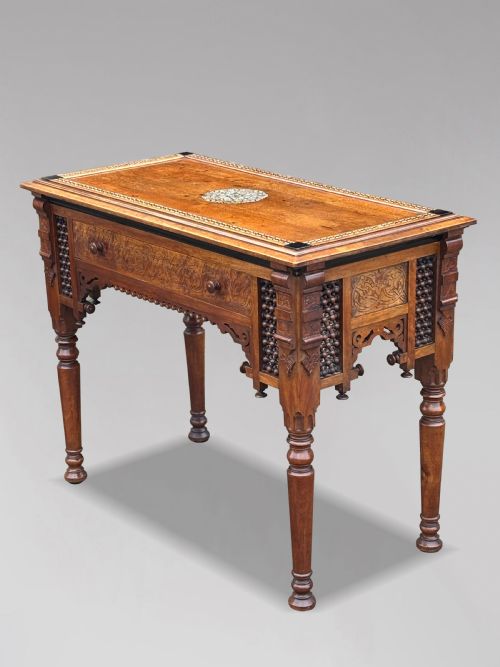
Makers utilised traditional regional methods to create dense surface decoration across functional domestic objects. Buyers encounter these items as mirrors, serving trays, and small tables displaying intricate inlaid geometric motifs.
Assessing Quality
Quality rests in the precision of the inlay work and the depth of the carved wood relief. Finer examples display tightly fitted bone segments with minimal filler and crisp, sharply defined botanical or geometric carving.
The structural integrity of the timber frame and the complexity of the surface design distinguish standard production items from masterwork pieces. Superior specimens maintain uniform colour in the bone elements and secure, flush placement within the hardwood base.
Listings feature nineteenth-century and early twentieth-century items, spanning the Victorian and Edwardian periods with Anglo-Indian and Moorish Revival styles.
Liberty and Co
The Indian Bone Carving Glossary
- Hoshiarpur
- A city in Punjab known for its distinct woodcarving and intricate bone or wire inlay traditions. Items from this centre typically feature dense geometric patterns.
- Vizagapatam
- A coastal city famous for luxury boxes and desk items decorated with intricate bone, ivory, and tortoiseshell work. These pieces often utilise sandalwood or ebony carcase structures.
- Octagonal
- Having eight sides. This geometric form appears frequently on occasional tables and lamp stands from the nineteenth century.
- Anglo-Indian
- A descriptive term for furniture and decorative objects produced in India during British rule for local colonial residents and export. These designs blend British furniture forms with traditional Indian craft techniques.
- Moorish Revival
- An architectural and decorative style incorporating Islamic design elements such as horseshoe arches and intricate geometric inlays. This aesthetic influenced nineteenth-century European and colonial interiors.
Indian Bone Carving: Frequently Asked Questions
What is indian bone carving?
These items are decorative and functional objects adorned with carved bone or ivory elements set into timber surfaces. They include occasional tables, boxes, and mirrors.
Craftsmen produced these pieces primarily during the nineteenth and early twentieth centuries, merging traditional regional joinery with British colonial forms.
How do I care for inlaid wooden furniture?
Keep these pieces away from direct sunlight and sudden temperature changes to protect the delicate bone inlay and timber. Consistent indoor humidity prevents the wood from shrinking and loosening the fitted segments.
Dust the carved surfaces gently with a dry, soft cloth. Avoid using liquid polishes that can seep beneath the bone sections.
Where were these pieces made?
Many items originated in specialised craft centres across the Indian subcontinent, including Hoshiarpur and Vizagapatam. Workshops in these regions produced domestic goods for both local use and British export.
Some designs also reflect broader stylistic influences from Middle Eastern and North African traditions imported during the colonial period.
How can I date an inlaid table?
Examine the timber construction, the type of screws or fasteners used, and the style of the base frame. Nineteenth-century examples often feature hand-turned elements and traditional joinery.
Matching the decorative motifs to known periods like the Victorian era or the Aesthetic Movement helps narrow down the production decade.