




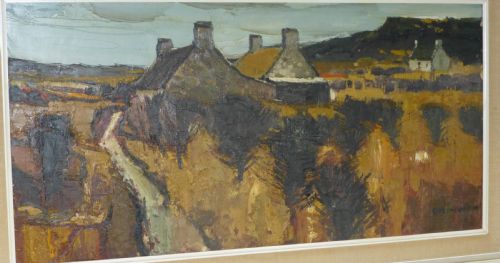
Impressionist Welsh Landscape Art
Impressionist welsh landscape art captures the light and weather of Wales through vigorous brushwork and rich colour.
Impressionist Welsh Landscape Art
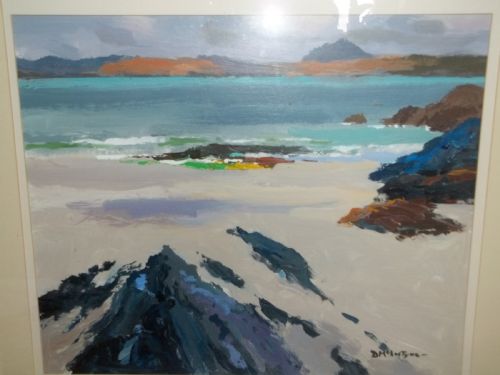
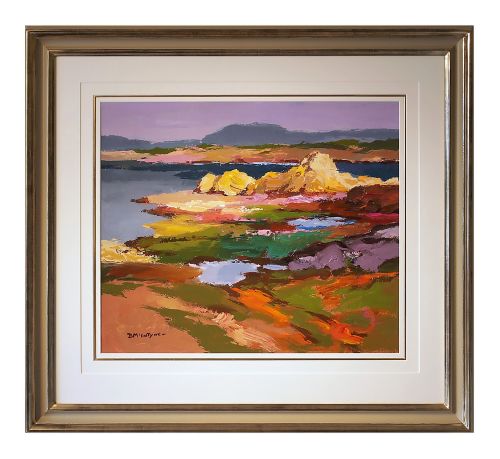
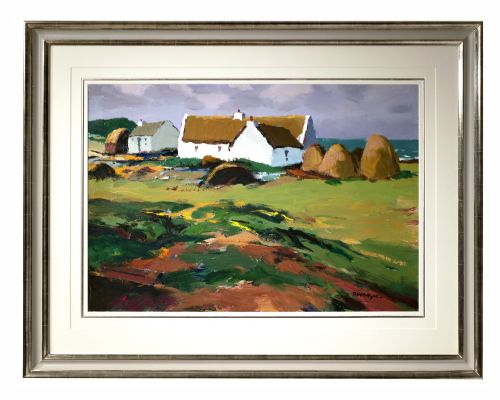
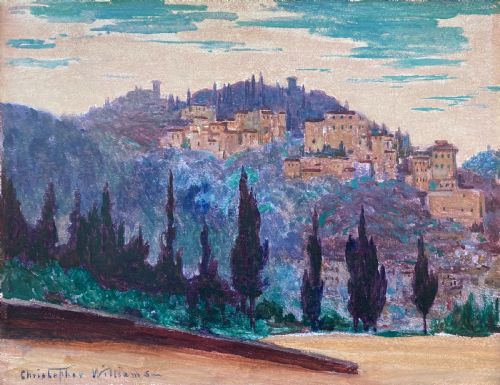
Impressionist welsh landscape art brings together oil paintings, watercolours, and fine art capturing scenes across Wales. These works span the Edwardian era through the mid-twentieth century, including the 1920s, 1940s, 1950s, and 1960s.
Collectors frequently encounter pieces created by Donald McIntyre, Hubert Wellington, Herbert Royle, and John J. Hamer. Subjects range from Cardiganshire valleys and the Llangollen canal to Port Dinorwic, Aberayron, Dysynni Valley, and Pembrokeshire beaches.
The prevailing styles encompass British Impressionism, Post-Impressionism, Modern British, and mid-century modern movements. These paintings interpret rural and coastal Welsh geography with expressive brushwork and atmospheric pigment.
Materials and Technique
Artists painted primarily with oil paint, alongside watercolour, applying pigment to various supports such as canvas, wood, board, and paper. Wood panels and cardiganshire or canvas surfaces provide distinct textures that interact with the layered paint.
Framed works often utilise glass protection over paper watercolours, whilst oils on canvas or board remain exposed to capture ambient light. Brushwork varies from rapid gestural marks to structured application defining clouds, hills, and coastal water.
Listings feature oil paint, canvas, wood, board, and paper across Edwardian and mid-century periods.
Assessing Quality
Quality rests upon the strength of the composition and the confidence of the brushwork in capturing Welsh light and atmosphere. Works with distinct regional subjects, such as specific coastal bays or valleys, command particular attention.
The handling of paint on canvas or board distinguishes more accomplished compositions, where texture and colour harmony evoke the weather of the landscape. Condition of the underlying support and the paint surface also shapes the integrity of each piece.
Donald McIntyre·Hubert Wellington·Herbert Royle·John J. Hamer
The Impressionist Welsh Landscape Art Glossary
- Board
- A rigid flat material used as a painting support instead of stretched canvas.
- British Impressionism
- A movement applying French impressionist techniques to British subjects, focusing on light and plein air observation.
- Wood Panel
- A solid wooden surface utilised by artists for oil paintings, offering a stable and smooth ground.
- Post-Impressionism
- An art movement extending impressionism while rejecting its limitations, favouring more symbolic motifs and heavier paint application.
- Watercolour
- A paint consisting of pigment suspended in a water-based solution, typically applied to paper.
Impressionist Welsh Landscape Art: Frequently Asked Questions
What periods do these paintings cover?
These works date from the Edwardian period through the mid-twentieth century, encompassing the 1920s, 1940s, 1950s, and 1960s.
The majority of pieces reflect the modernist and impressionist shifts occurring across British art during those decades.
Where are the locations depicted?
The scenes portray specific Welsh locations including Cardiganshire valleys, Llangollen canal, Port Dinorwic, Aberayron, Dysynni Valley, and Pembrokeshire beaches.
Artists travelled across Wales to capture both coastal seascapes and rural inland topography.
What painting supports were used?
Artists utilised canvas, wood panels, board, and paper for their works.
Oils were typically applied to canvas or wood boards, whilst watercolours were executed on paper.
How do these fit into modern interiors?
Their atmospheric Welsh landscapes and varied colour palettes suit diverse room settings, bringing historic regional character to walls.
Framed oil paintings and watercolours pair well with both traditional and contemporary domestic spaces.