




Impressionist Water Scene
An impressionist water scene captures light upon rivers, canals and lagoons through rapid brushwork, bringing the atmospheric movement of water directly into a room.
Impressionist Water Scene
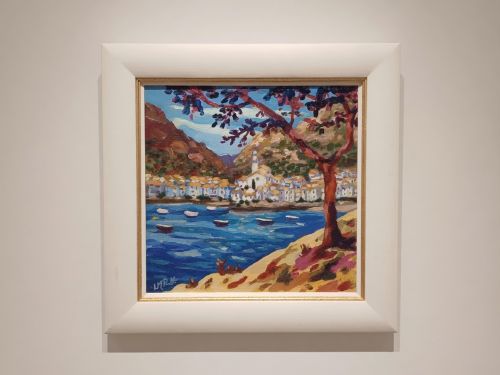
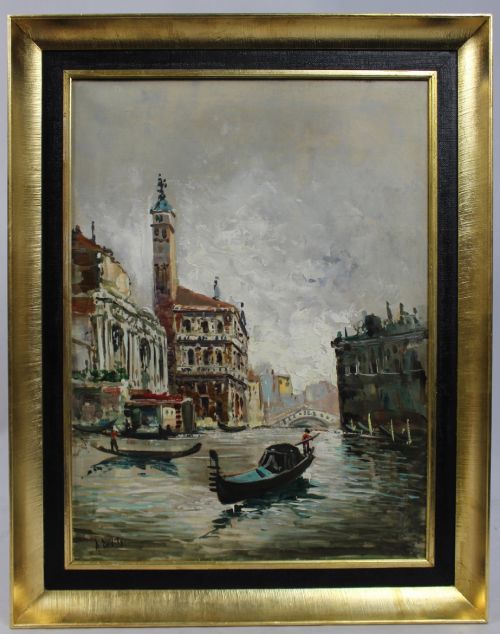
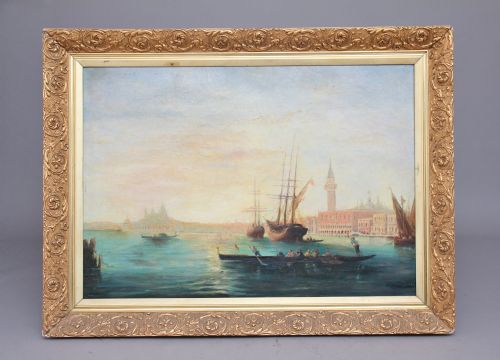
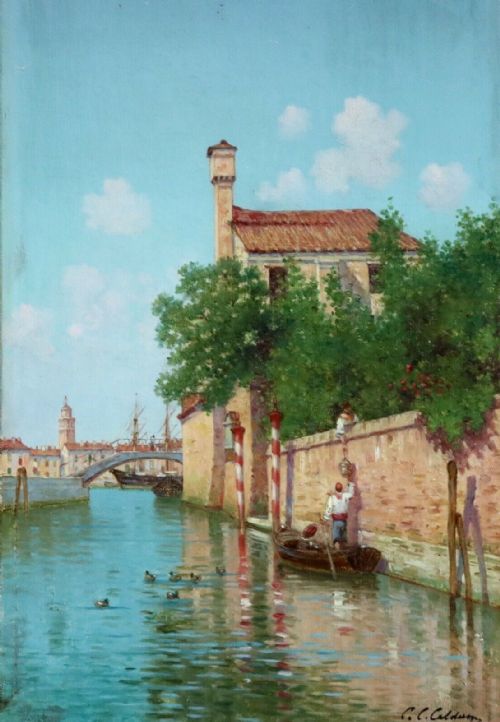
When you search for an impressionist water scene, you encounter oil paintings and watercolour paintings that focus on rivers, canals, estuaries and lagoons. These artworks depict bodies of water using loose brush marks and vibrant colour palettes designed to record transient effects of light.
The pieces span from the late nineteenth century through to the mid-twentieth century and contemporary periods. Common subjects include Venetian canals, French river landscapes along the Seine and the Danube, and rural river scenes featuring barges, cattle or weirs.
You meet works created within various regional movements, including French impressionism, Italian impressionism and mid-century impressionism. Many compositions employ plein air techniques to capture natural outdoor illumination upon moving water.
How they were made
Artists painted primarily using oil paint or watercolour upon canvas, wood panels or paper supports. Canals and rivers were rendered with fluid brushstrokes to suggest ripples and reflections on the surface.
Many frames incorporate gesso mouldings finished with gilt or gold leaf to complement the warm light within the paintings. Wooden stretchers and panels provide the structural foundation for these works.
Listings feature canvases and wood panels spanning from the 1870s to later than 1960.
What varies in quality
Quality rests upon the artist's ability to manipulate paint to convey light and depth on water rather than relying on rigid outline. Stronger works demonstrate assured handling of tone and colour to suggest atmospheric moisture and movement.
The integration of the frame, often finished in gold leaf or gesso, contributes to the overall presence of the piece. Superior examples maintain stability in the canvas and paint layers while preserving the vibrancy of the original palette.
Antonio DeVity·Armand Guillaumin·Adolphe Gumery·Rene His·Owen Bowen·Charles Clement Calderon·Helen Donald-Smith
The Impressionist Water Scene Glossary
- Impressionism
- A nineteenth-century art movement characterised by relatively small, thin, yet visible brush strokes and an emphasis on accurate depiction of light. It prioritises open composition and ordinary subject matter.
- Plein air
- The act of painting outdoors. This method allows artists to directly observe the changing effects of light on water and landscape.
- Gesso
- A plaster mix used as a base coat on wood panels or frames before gilding. It provides a smooth surface for finishing.
- Gilt
- Covered thinly with gold leaf or gold paint. This finish enhances the visual warmth of framing around river landscapes.
Impressionist Water Scene: Frequently Asked Questions
How do I hang a water scene painting?
Position the painting at eye level on a wall with stable humidity away from direct sunlight. Ensure the fixings match the weight of the wooden frame and canvas.
Allow adequate wall space around the piece so the light effects within the composition are not crowded by adjacent objects.
What subjects appear in these paintings?
Common subjects include Venetian canals, lagoons, rivers such as the Seine and the Danube, barges, and rural waterways with cattle or weirs. Artists focused on capturing reflections and atmospheric conditions.
Views range from bustling Italian waterways to quiet pastoral riverbanks.
How do I clean an oil painting?
Dust the surface very gently with a soft, dry brush to remove loose particles. Avoid using water, household cleaners, or chemical solvents on the paint or canvas.
Consult a professional art conservator if the surface requires deeper cleaning or varnish removal.
How do I date an impressionist painting?
Examine the materials, including the type of canvas, stretcher construction, and framing style. Signatures, inscriptions on the reverse, and artist biographical records also provide reliable dating evidence.
Stylistic elements often indicate whether a work belongs to the nineteenth-century tradition or mid-century revivals.