

Impressionist Artwork
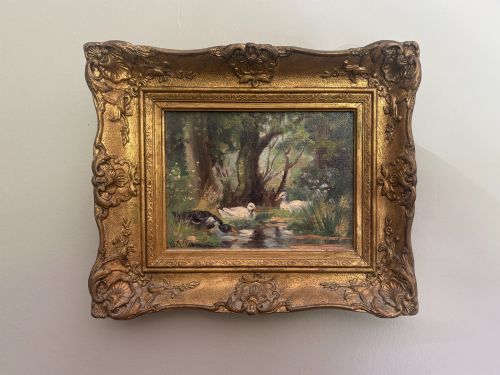
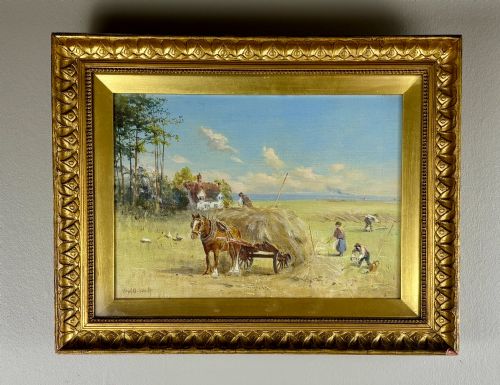
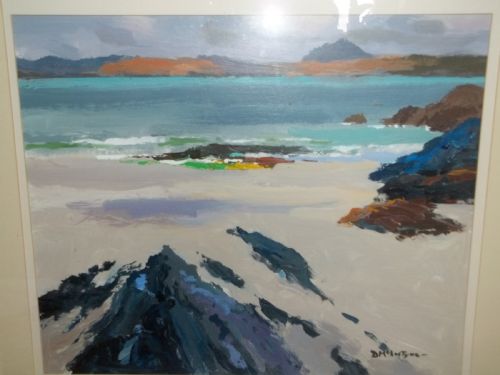
Impressionist artwork captures fleeting moments of light and atmosphere, primarily through oil on canvas and watercolour paintings dating from the nineteenth century onwards.
Impressionist Artwork
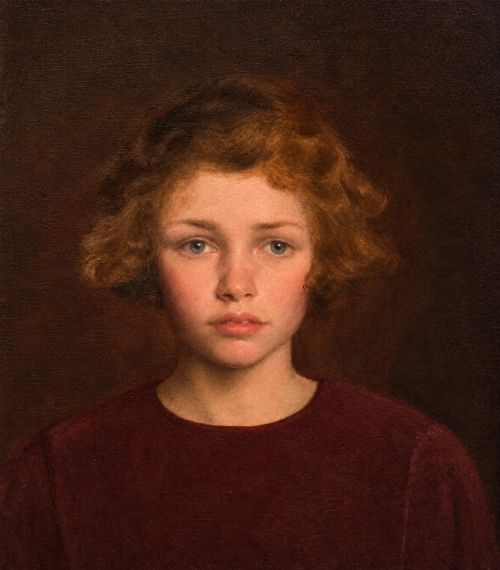
Impressionist artwork encompasses oils, watercolours, and fine art paintings created across the nineteenth and twentieth centuries.
Buyers frequently encounter coastal scenes, landscapes, and still life paintings produced in British, French, and wider European traditions.
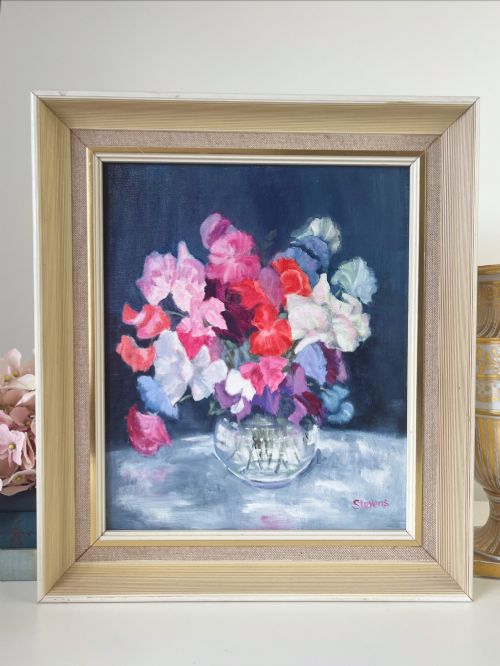
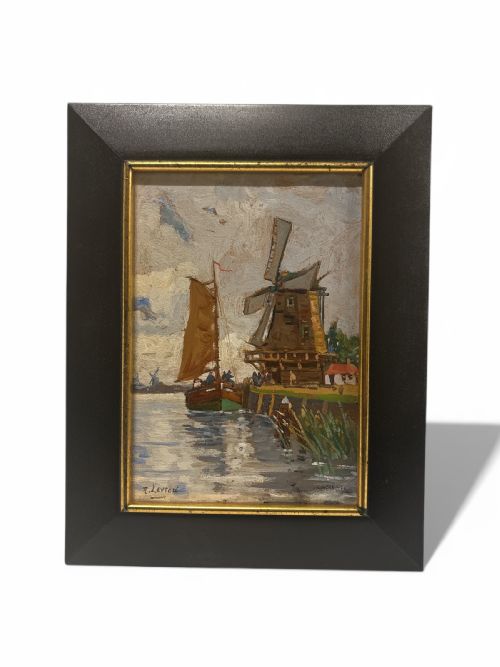
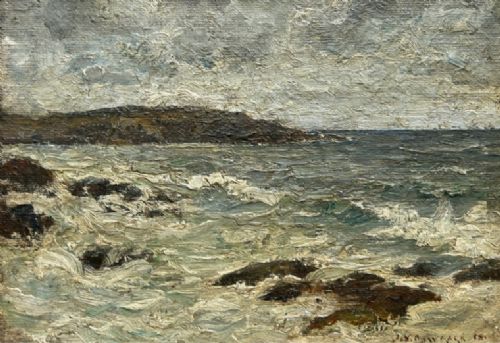
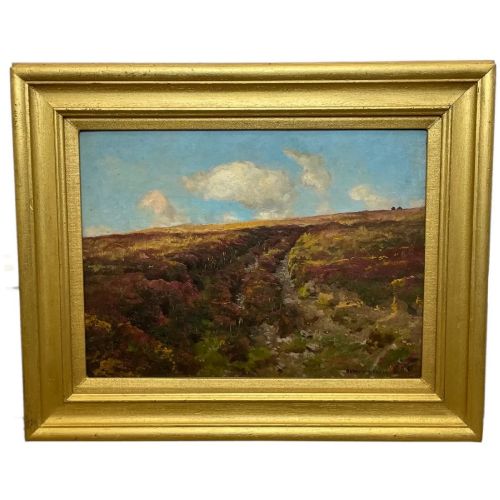
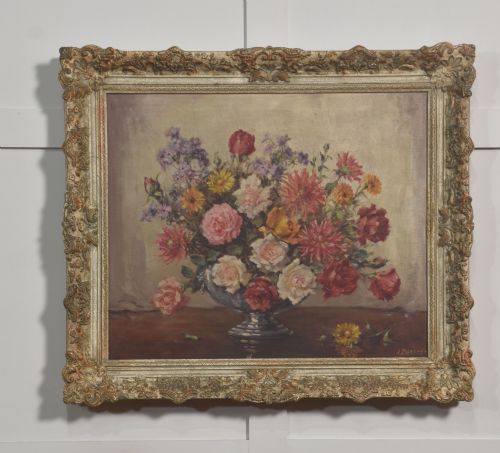
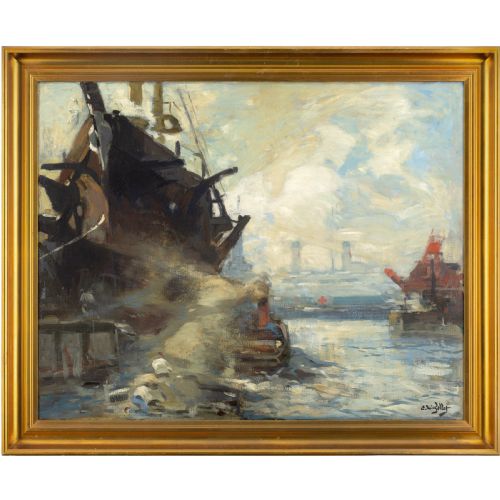
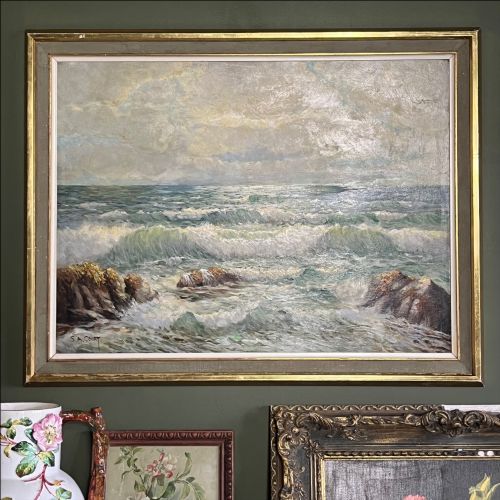
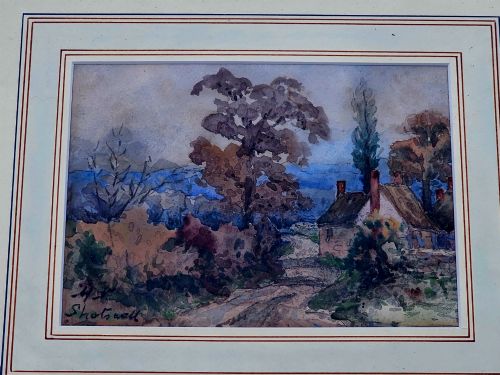
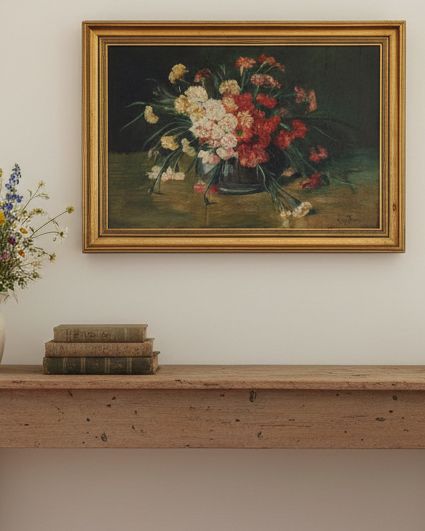
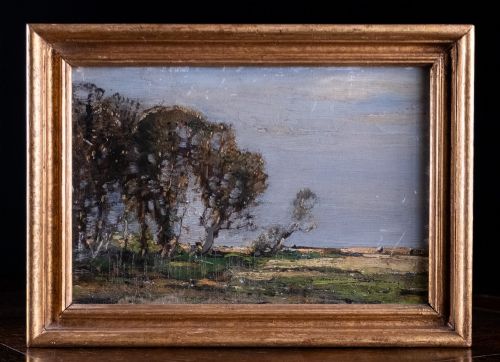
The selection ranges from early twentieth-century en plein air coastal views to mid-century floral still lifes and maritime subjects.
Materials and methods
Artists painted primarily with oil paint and watercolour on canvas, wood panels, or paper supports.
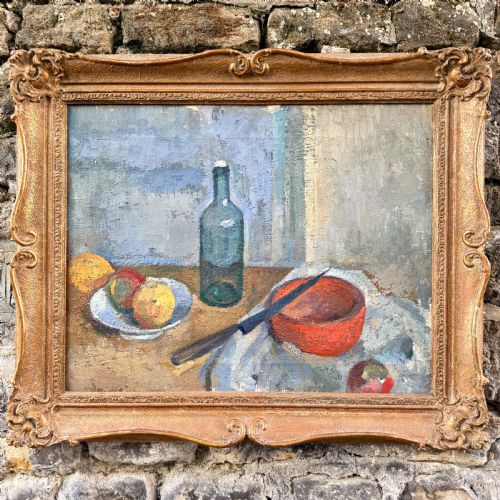
Many works utilise visible impasto brushwork to render texture and movement, often framed in gilt wood.
Materials span oil paint, canvas, wood, and gilt frames across periods from the nineteenth century to later than 1960.
Assessing quality
Quality rests upon the handling of light and brushwork integrity, distinguishing atmospheric compositions from more rigid depictions.
Condition of the canvas, pigment stability, and the presence of a period gilt frame influence the overall integrity of the piece.
Clifford Hanney·Arthur Wardle·Eugène-Louis Gillot·George Houston·Herbert Royle·James Kay·Antonio DeVity·Konstantin Stoitzner
The Impressionist Artwork Glossary
- Impasto
- Paint applied thickly to a canvas or board, leaving visible brush or palette knife strokes that stand proud of the surface.
- En plein air
- The practice of painting outdoors to capture direct natural light and atmospheric conditions.
- Post-Impressionism
- An artistic movement developing from impressionism that extended its use of vivid colours and distinct brushwork while exploring broader structural forms.
- Gilt wood
- Wood coated with a thin layer of gold leaf or metallic paint, commonly used for traditional picture frames.
Impressionist Artwork: Frequently Asked Questions
What defines impressionist artwork?
Impressionist artwork focuses on capturing light, movement, and atmospheric conditions through visible brushstrokes rather than meticulous detail.
These pieces typically depict everyday scenes, landscapes, seascapes, and still lifes painted from the nineteenth century onwards.
How should I care for an oil painting?
Keep oil paintings away from direct sunlight, extreme temperature fluctuations, and high humidity to prevent cracking and fading.
Dust the surface gently with a soft, dry brush and avoid using water or chemical cleaning solvents on the canvas.
How do I date an impressionist painting?
Dating relies on stylistic characteristics, artist biographical records, framing materials, and inscriptions on the reverse of the canvas or board.
Period pigments and canvas types also offer reliable clues to the era of production.