
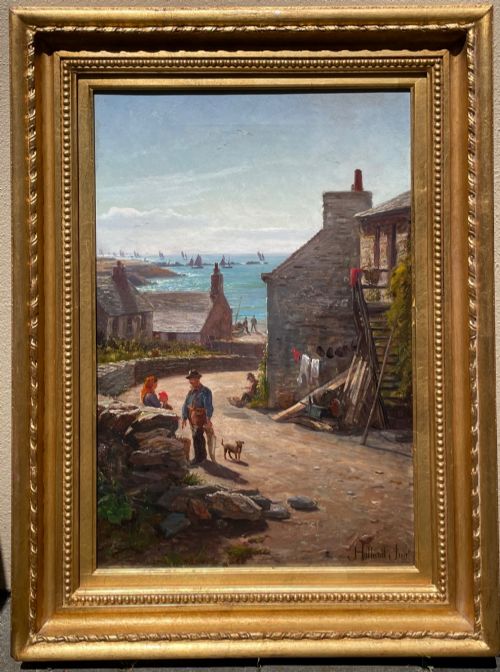
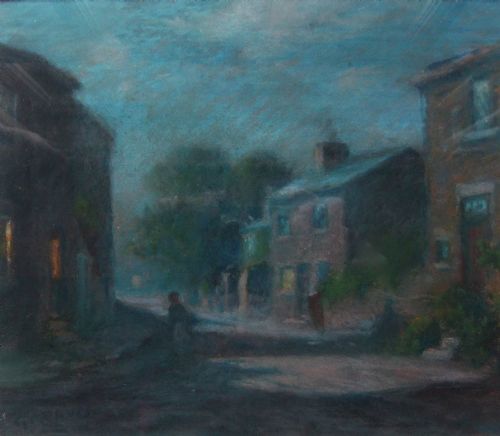


Impressionist Village Scene Painting
An impressionist village scene painting captures rural life with loose brushwork, offering a window into quiet country streets and historic communities.
Impressionist Village Scene Painting
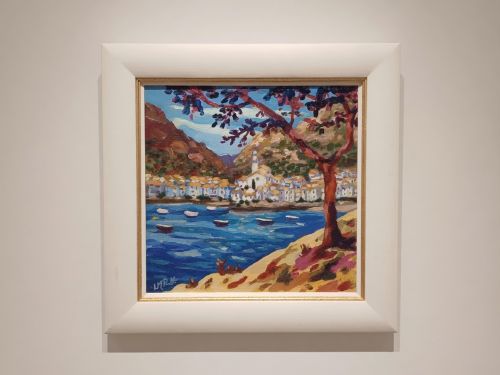
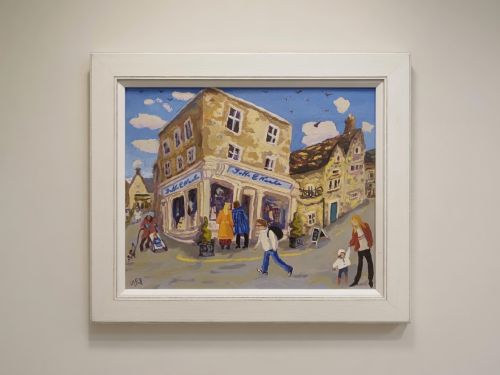
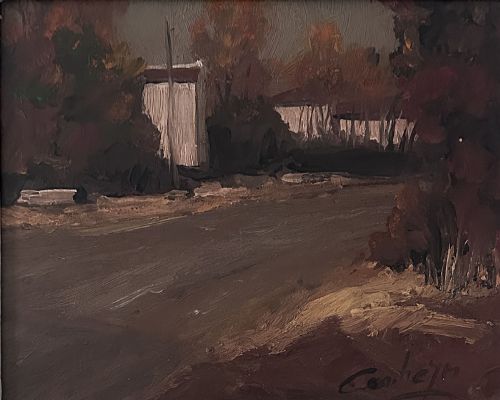
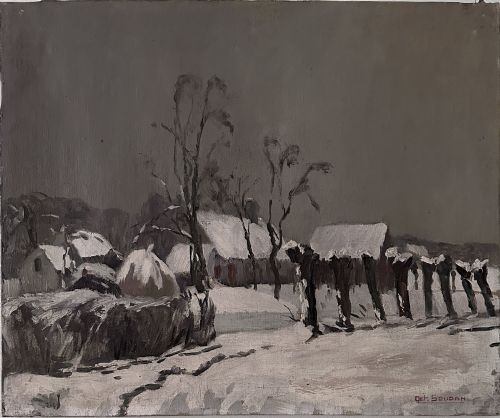
An impressionist village scene painting portrays rural communities, streets and country life through spirited brushwork and atmospheric light. These works range from Victorian watercolours to mid-century oil paintings on canvas, capturing specific localities from Yorkshire to France and the Netherlands.
The pieces appearing here include framed watercolours, gouache, pastels and oil paintings on wood or canvas. Buyers frequently encounter rural and coastal settlements depicted by regional British artists, French impressionists and international painters working across the first half of the twentieth century.
Materials and Methods
Artists painted these village scenes primarily using oil paint or watercolour applied to stretched canvas, heavy paper or wood panels. Brushwork remains loose and expressive, prioritising light and atmosphere over meticulous architectural detail.
Framing typically involves wood, often gilded, which complements the painted surface and protects the paper or canvas. Pastels and gouache on paper also appear, fixed behind glass to preserve the delicate pigment.
The inventory includes regional British depictions alongside French, Dutch, and Iranian village scenes.
Assessing Quality
Quality rests upon the artist's command of light, tone and composition, distinguishing a vivid depiction from a stiff or formulaic record. Works by named practitioners connected to recognised artistic circles, such as the Newlyn or St Ives schools, demonstrate superior handling of medium and atmosphere.
The vitality of the brushwork and the preservation of the original support determine the visual impact of the piece. Stronger examples retain their vibrant pigments and sit within period frames suited to their creation date.
Lucy Pratt·John Holland·William Greaves·Gaston Cornil·Arthur Tucker·James Watson·Joseph W Milliken·V Zirakian·Henry Sykes·William Lee Hankey·Robert McGregor·Herbert Royle·Maurice Asselin·A Michaelis·Martin Lamotte·Christiaan Pieter Snyders
The Impressionist Village Scene Painting Glossary
- Impressionism
- A nineteenth-century painting style focusing on accurate depiction of light in its changing qualities, often painted outdoors. Artists use visible, rapid brushstrokes to capture an immediate visual impression.
- Post-Impressionism
- A predominantly French art movement that followed impressionism, extending its limitations while rejecting its restrictions. Painters rely on a greater use of symbolic colour and expressive forms.
- Gouache
- An opaque watercolour medium consisting of pigment, water, and an inert white pigment binder. It dries to a flat, matte finish.
- Newlyn School
- An art colony of landscape and genre painters based in Cornwall during the late nineteenth and early twentieth centuries. Many of these artists focused on plein air painting of coastal and village life.
- Provenance
- The chronology of the ownership of a work of art, establishing its history and authenticity. Documentation often helps connect a painting to a specific artist or exhibition.
Impressionist Village Scene Painting: Frequently Asked Questions
What periods do these paintings date from?
The selection spans from the Victorian era through the early twentieth century, including pieces from the nineteen-twenties, thirties, and nineteen-fifties.
Later works extend into the mid-twentieth century and beyond, reflecting evolving regional styles.
How should I hang an oil painting?
Choose an interior wall away from direct sunlight and excessive moisture to protect both the canvas and the painted surface.
Ensure the hanging fixings match the weight of the frame and the support securely.
What is the difference between watercolour and oil?
Watercolour uses water-soluble pigments applied to paper, producing a luminous and translucent effect that requires protective glass framing.
Oil paint utilises a drying oil binder on canvas or wood, allowing for rich textures and deep colour layering without glass.
Are these paintings signed by the artist?
Many of the works feature visible signatures or attributions to named painters, while others remain attributed to specific regional schools.
Documentation and stylistic traits often help connect unsigned pieces to particular periods and workshops.