



Impressionist Tree Painting
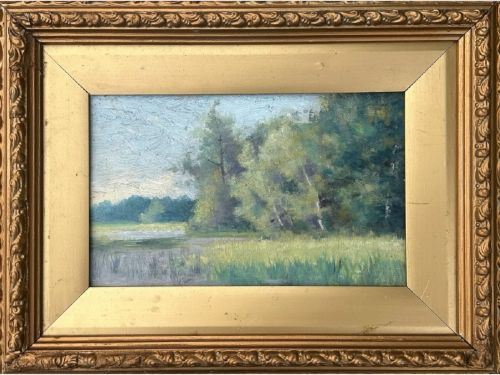
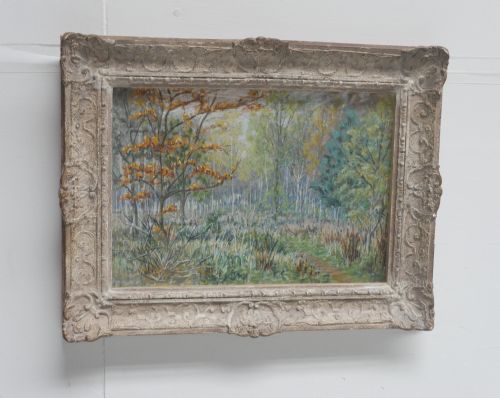
When you seek an impressionist tree painting, you are looking at works capturing light and foliage across British and continental landscapes.
Impressionist Tree Painting
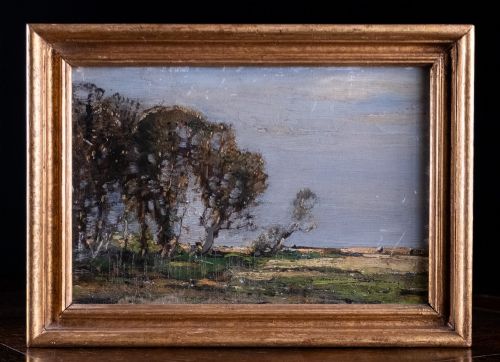
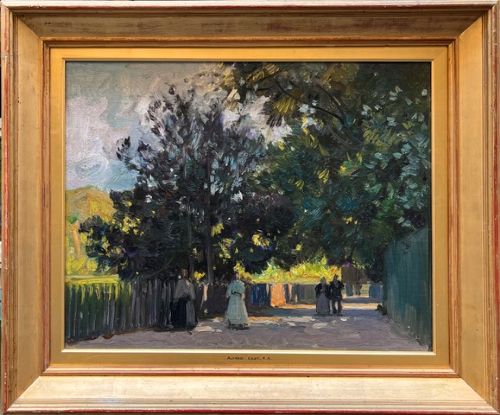
An impressionist tree painting records woodland scenes, river banks, and orchards through loose brushwork and a focus on natural light. You will frequently find works from the nineteenth century through the mid-twentieth century on this page.
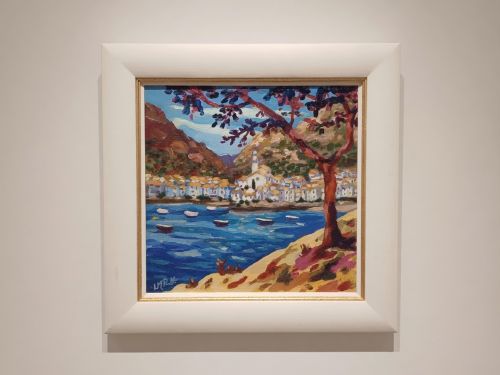
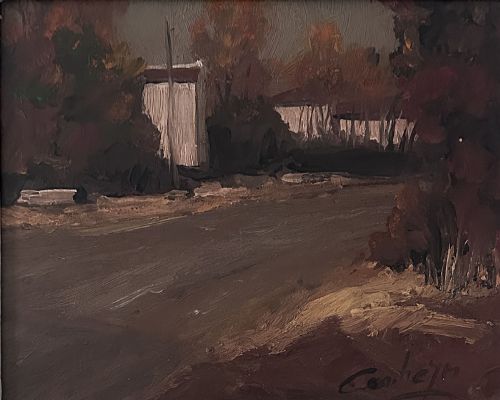
The subjects range from British river paths and Yorkshire farmyards to Mediterranean street scenes and French country lanes. Painters use these natural motifs to study changing atmospheric conditions and seasonal colour.
The selection includes oils on canvas, board, and panel, alongside watercolours and pastels. These pieces capture the character of woods and rural vistas through distinct regional movements like British Impressionism and the Barbizon School.
Materials and technique
Artists built these images using oil paint on canvas, wood panels, or millboard, applying pigments with visible, energetic brushstrokes. Watercolours and pastels appear frequently on paper and board for lighter, more immediate atmospheric studies.
The technique relies on broken colour and optical mixing rather than rigid academic blending, capturing fleeting effects of sunlight through branches. Support materials like oak panels and stretched canvases carry the textures of studio and outdoor practice.
Tree paintings occasionally capture unexpected weather events, preserving sudden nineteenth-century squalls and unexpected summer frosts in oil.
What separates works
Quality rests upon the confidence of the brushwork and the artist's command over tonal values to describe light filtering through foliage. Stronger pieces demonstrate a rigorous understanding of composition within a seemingly spontaneous application of pigment.
The handling of colour harmony distinguishes more accomplished canvases from standard decorative works, particularly in how shadows and highlights are rendered. The integration of the tree forms into the wider landscape structure marks the distinction in these paintings.
George Graham·Kershaw Schofield·Lucy Pratt·Sir Alfred East·Maud Raphael Jones·William JB Jenkins·Owen Bowen·Henri Joseph Harpignies·Herbert Royle·Rowland Henry Hill·Berthe des Clayes·Ernest Higgins Rigg·Frederick W Jackson·Alois Arnegger·George Harrison·John J Hamer·Hermoine Hammond·Antoine Bouvard·Antal Berkes
The Impressionist Tree Painting Glossary
- Barbizon School
- A French movement centred on landscape painting from nature, emphasising mood and atmospheric honesty. This group heavily influenced later impressionist approaches to woodland subjects.
- Board
- A rigid flat support made of wood pulp or timber used instead of stretched canvas. Artists often painted directly onto these surfaces during outdoor sketching trips.
- Panel
- A thin sheet of wood serving as a solid base for oil painting. Panels provide a stable surface that prevents the cracking often found in aged canvas.
- Post-Impressionism
- An art movement extending impressionist techniques while rejecting its limitations for more expressive forms. Painters pushed colour and structure further than their predecessors.
- Provenance
- The documented history of ownership attached to an artwork. This record establishes authenticity and traces the journey of the painting from the artist's studio.
Impressionist Tree Painting: Frequently Asked Questions
How do I date an impressionist tree painting?
Dating relies on the support materials, framing methods, and stylistic markers visible in the brushwork. Artists often signed and dated works directly on the canvas or reverse.
Examine the type of canvas weave, panel preparation, and any handwritten inscriptions left on the stretcher bars or backing boards. Gallery labels and old exhibition stamps also provide reliable chronological clues.
What is the difference between oil on canvas and oil on panel?
Oil on canvas involves pigment applied to a woven fabric stretched over a wooden frame, offering slight give under the brush. Oil on panel uses a rigid wooden support.
Panels tend to survive without the canvas slackness or puncture risks associated with fabric supports. Both methods were utilised extensively across the nineteenth and twentieth centuries.
Where should I hang a landscape painting?
Hang these works away from direct sunlight and damp environments to protect the pigments and support materials. Stable indoor temperatures prevent the expansion and contraction of wood panels.
Select a wall with balanced ambient lighting that enhances the tonal contrasts of the composition. Proper picture lighting can bring out the subtleties of broken brushwork.
How do I care for antique watercolours?
Watercolours on paper require framing behind glass with acid-free mount board to prevent the paper from yellowing. Keep them away from strong ultraviolet light to avoid fading the delicate pigments.
Maintain moderate humidity levels in the room to protect the paper integrity. Check the sealed backing periodically to ensure dust and moisture cannot enter.