


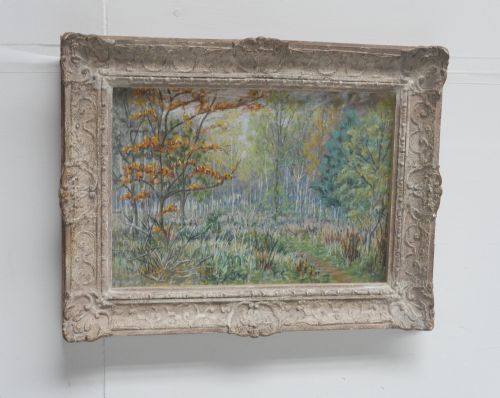


Impressionist Style Art
Impressionist style art brings light, texture, and movement into a room through confident brushwork and spirited colour palettes.
Impressionist Style Art
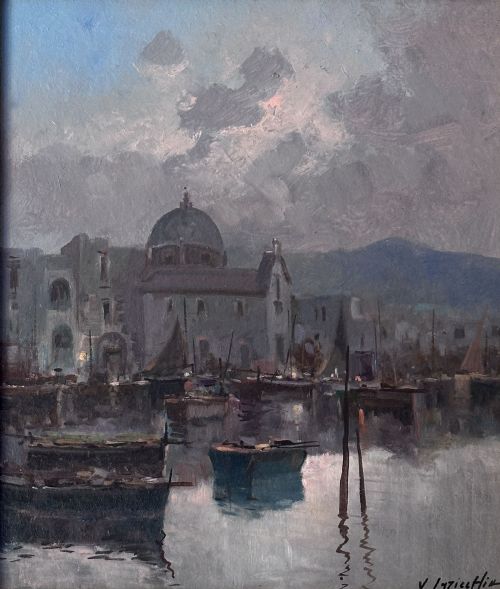
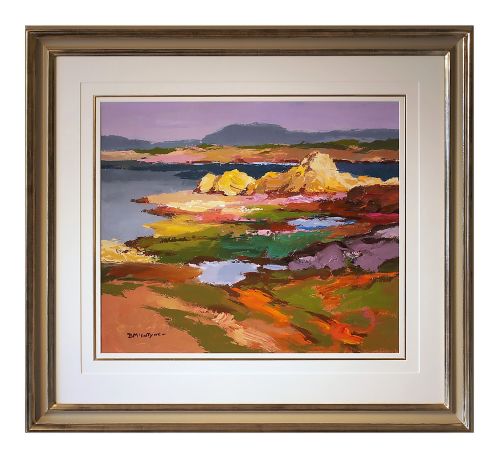
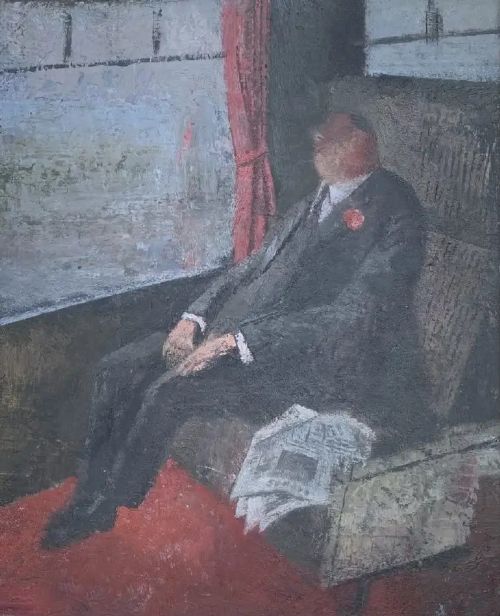
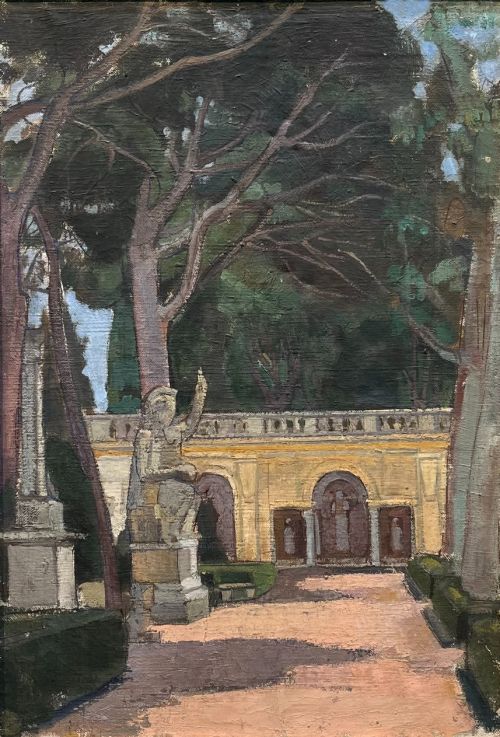
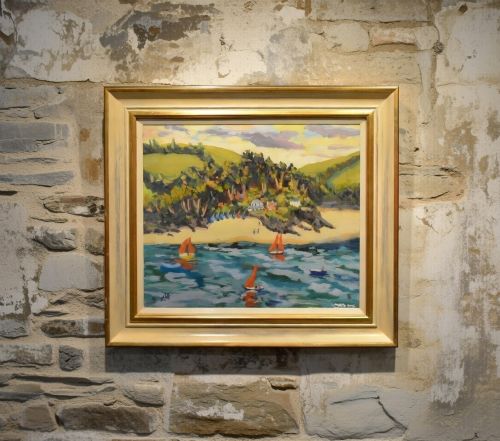
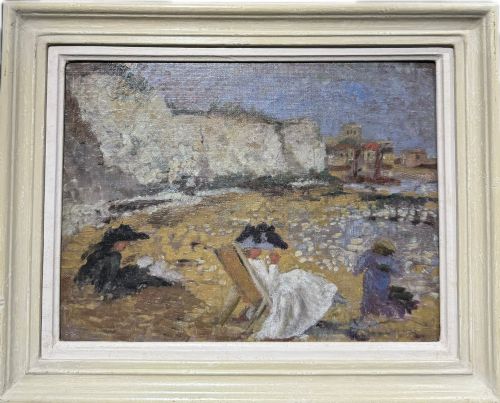
Impressionist style art captures fleeting moments of light, landscape, and everyday life through loose brushwork and vibrant colour application. When searching for impressionist style art, buyers encounter oil paintings, watercolours, and pastels spanning the nineteenth and twentieth centuries.
Subjects range from sunlit marine views and quiet interior domestic scenes to lush floral still lifes and figure studies. Unattributed British school pieces sit alongside named works from established twentieth-century painters.
Materials and methods
Oil paint applied to canvas or wood board forms the primary medium for these works, allowing artists to build rich, textured surfaces. Painters often utilised thick impasto strokes to capture light playing across water, petals, and fabrics.
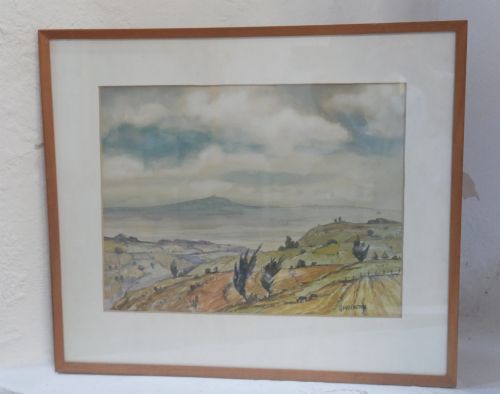
Works on paper employ watercolour, pastel, or mixed media techniques to achieve a lighter, more translucent atmosphere. Gilt and gesso frames frequently accompany the canvases, completing the period presentation.
Impressionist Style Art Retail Price Guide 2026
Typical asking prices for impressionist style art among the pieces listed under this phrase on Sellingantiques today, from the lower quarter to the upper quarter. They describe what is for sale here now, not the wider market.
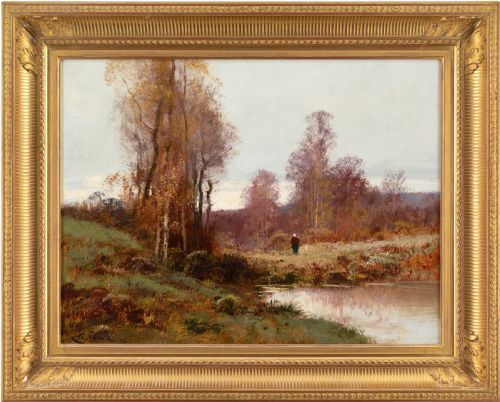
Some anonymous canvases bear the quiet evidence of artists chasing fading light across European gardens over a century ago.
Evaluating quality
Quality rests upon the confidence of the hand and the vitality of the composition rather than strict adherence to academic realism. Superior pieces demonstrate a deliberate command of light and shadow that makes the surface breathe.
Handling of paint, spatial depth, and harmony of palette separate masterly interpretations from derivative studio copies. Works carrying documented provenance or clear ties to recognised artistic groups command greater consideration.
Lucy Pratt·Ethel Sands·Donald McIntyre·Charles Clair·Alfred Munnings·William JB Jenkins·Helmut Reuter·Paul Schier·Jozef Israëls·Jean Hippolyte Marchand·Jeffrey Pratt·Ernest Higgins Rigg·Edward M Elliott·Eugene Boudin·Frederick W Jackson
The Impressionist Style Art Glossary
- Impressionism
- A nineteenth-century painting style focusing on light in its changing qualities and ordinary subject matter. Artists prioritized visible brush strokes and open composition.
- Impasto
- The process of applying paint thickly on a canvas so that it stands out from the surface. This technique adds tactile depth and catches ambient light.
- Barbizon School
- A mid-nineteenth-century French art movement toward realism in landscape painting. Painters of this circle drew inspiration directly from nature and rural life.
- Post-Impressionism
- An art movement extending impressionism while rejecting its limitations. Practitioners emphasised geometric forms and expressive use of colour.
- Pointillism
- A painting technique where small, distinct dots of colour are applied in patterns to form an image. The practice relies on the viewer's eye to blend the pigments optically.
Impressionist Style Art: Frequently Asked Questions
What defines impressionist style art?
Impressionist style art focuses on capturing the visual impression of a moment, paying close attention to shifting light and atmospheric conditions. Artists rely on visible, unblended brush strokes rather than smooth, polished finishes.
These pieces prioritise mood and luminosity over strict academic detail, creating a vibrant surface that draws the viewer into the scene.
How do I care for an oil painting on canvas?
Keep oil paintings away from direct sunlight and extreme temperature fluctuations to prevent the canvas and paint from cracking. Dust the surface gently with a soft, dry brush without applying pressure.
Avoid using water or chemical cleaners on the paint layer. Professional conservators should handle any deep cleaning or canvas tightening.
Are these works original or reproductions?
The inventory consists of original hand-painted works, oil studies, and historic watercolours created by artists across various periods. Each piece reflects individual hand application of pigment onto canvas, board, or paper.
Signatures, artist studio provenance, and period framing help distinguish these authentic mid-century and nineteenth-century creations.
How do I date an impressionist painting?
Dating relies on stylistic clues, artist signatures, framing materials, and the physical substrate such as the type of canvas or stretcher bars used. Exhibition labels and artist studio provenance notes provide definitive chronological markers.
Many works carry specific dates or reflect the distinct stylistic evolution of movements like modern British or post-impressionism.