

Impressionist Floral Oil
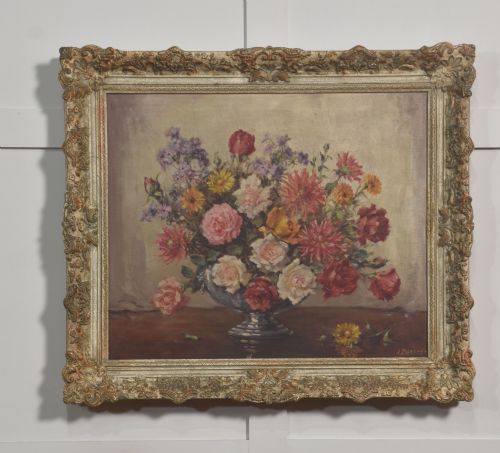
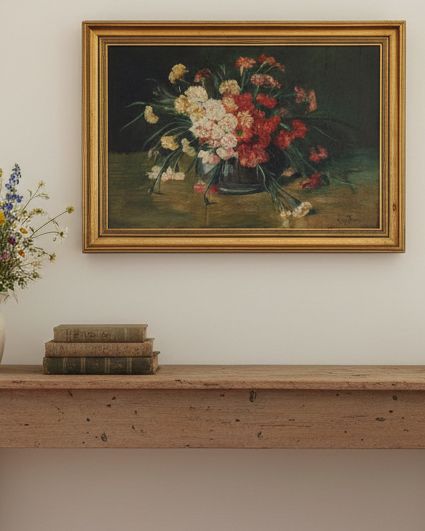
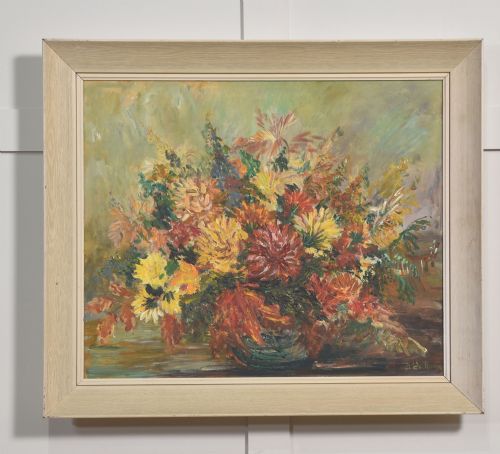
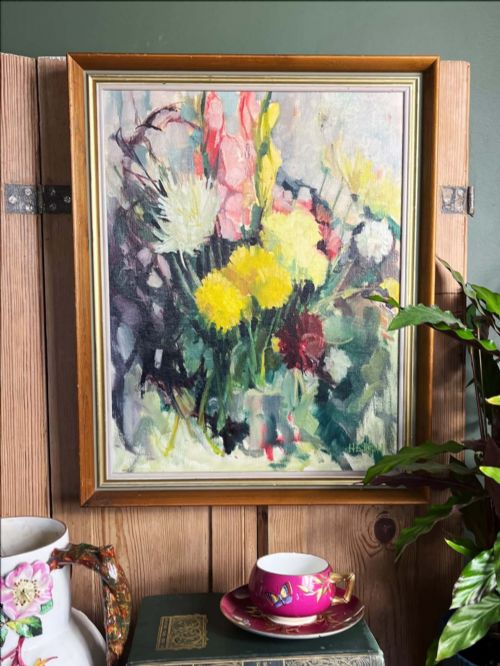
Impressionist floral oil paintings capture loose, atmospheric blooms on canvas and board, offering vibrant texture and lively colour to any room.
Impressionist Floral Oil
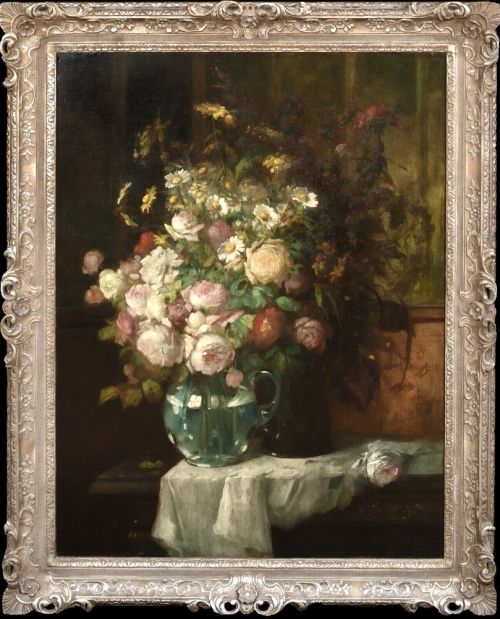
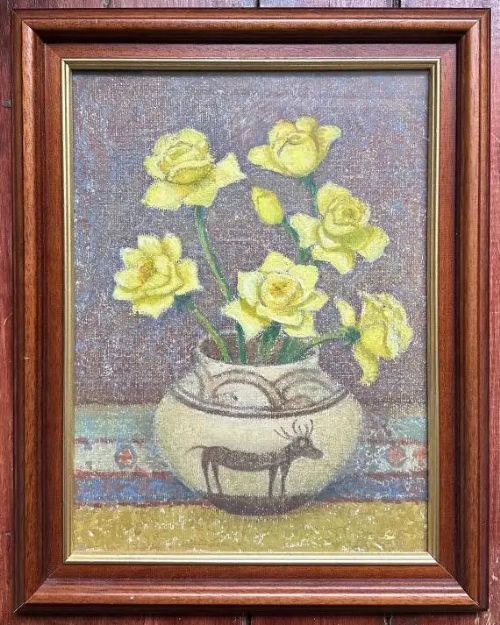
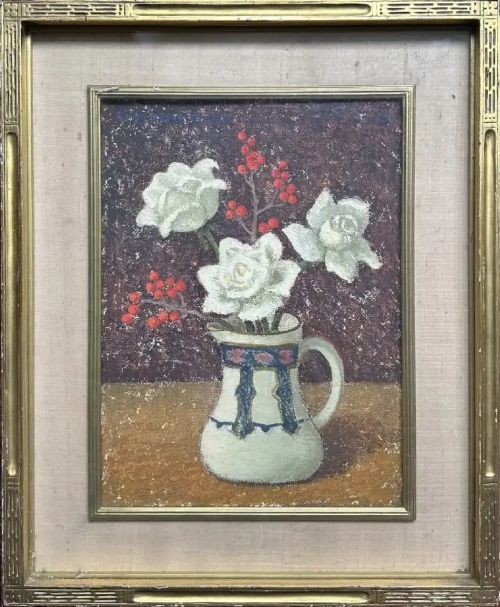
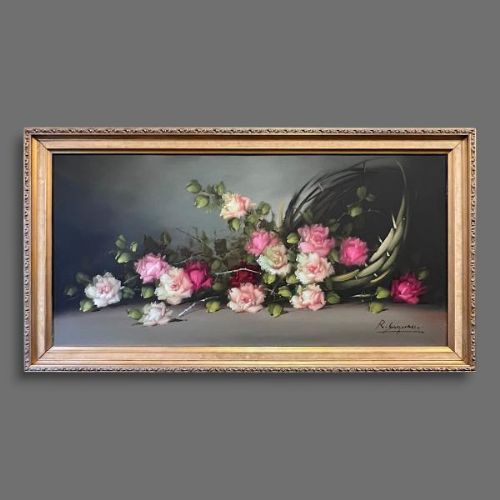
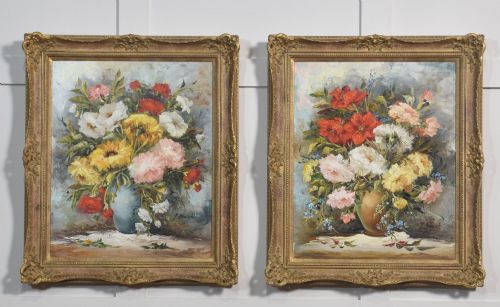
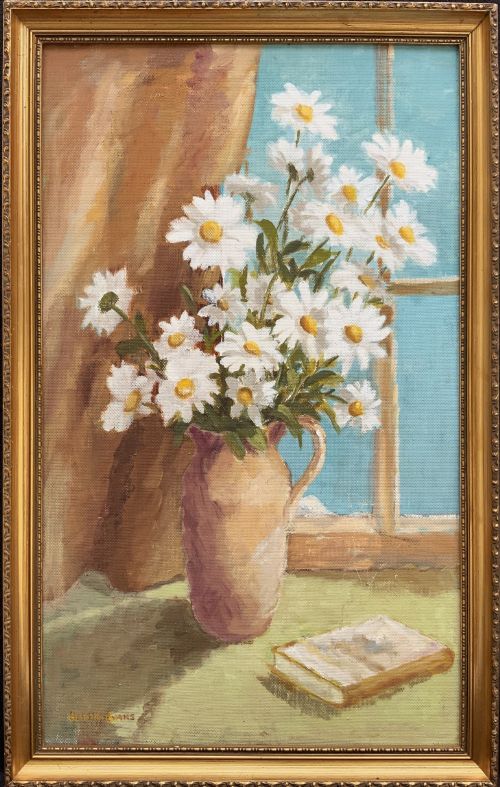
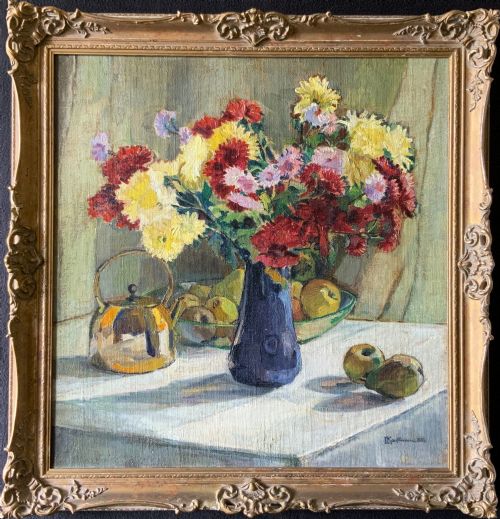
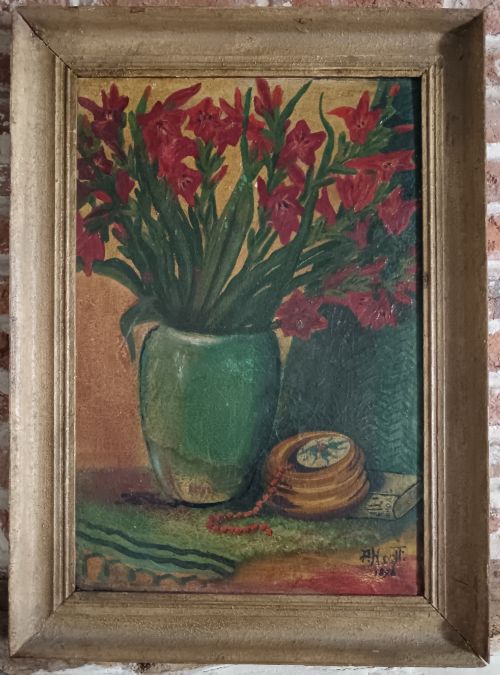
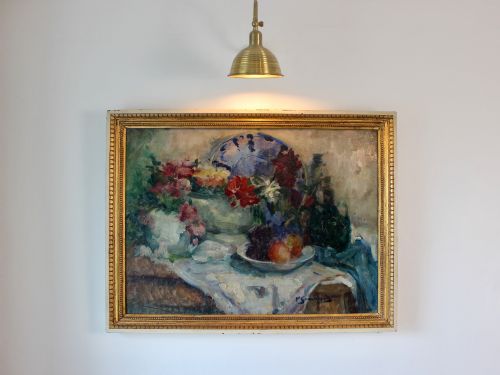
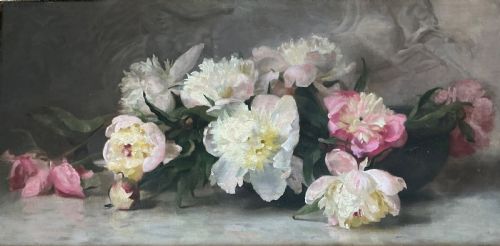
An impressionist floral oil brings the bright energy of cut flowers and garden studies into interior spaces through loose brushwork and expressive application of paint. These works span from the nineteenth century through the mid-twentieth century, capturing blossoms in domestic vases, wicker baskets, and outdoor settings.
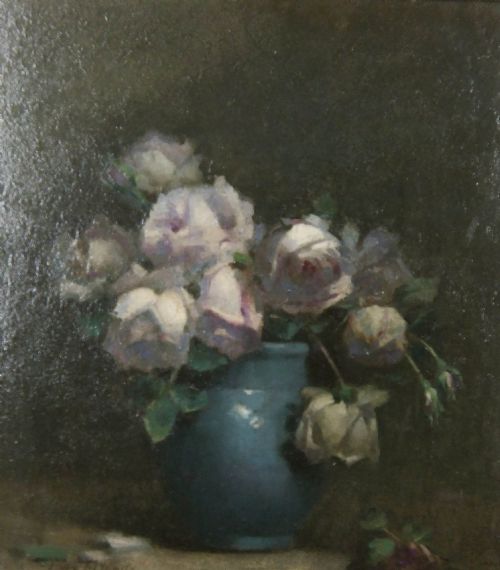
Most examples encountered here are still life compositions focusing on roses, daisies, and seasonal garden flowers. Artists working across Britain, France, and Belgium produced these paintings on canvas, board, and metal panels, often housing them in period frames.
The selection ranges from intimate cabinet pieces to large gallery-scale canvases depicting vibrant floral displays. Buyers find works originating from recognised regional groups alongside atmospheric continental studies.
How they were made
Painters applied oil paint directly to stretched canvas, wooden panels, or metal supports using loaded brushes and palette knives. This technique built up thick impasto surfaces that caught the light and gave petals a tangible sense of depth.
Makers often prepared their supports with gesso grounds before laying down rapid, broken strokes of colour to capture fleeting natural light. Many surviving examples retain their original gilt wooden frames, which complement the textured surfaces of the paintings.
Several paintings reveal the quiet studio windows and cluttered tabletops of artists who clearly preferred painting flowers to tidying up.
What varies in quality
Quality rests in the confidence of the brushwork and the harmony of the palette. Superior canvases demonstrate a deft handling of light and shadow that animates the arrangement, whereas lesser works rely on stiff outlines and flat colour.
The sophistication of the composition and the preservation of the original paint surface separate standard decorative studies from accomplished works by named artists.
Konstantin Stoitzner·Emma Fordyce MacRae·William Thomas Wood·Victor Simonin·Owen Bowen·Gertrude Hayes·Amile Coppieters·Ernest Higgins Rigg·Sir Matthew Smith
The Impressionist Floral Oil Glossary
- Impasto
- Paint applied thickly to a canvas or board, standing out in relief from the plane. This technique creates a physical texture that reflects light across the petals and leaves.
- Still life
- An artwork depicting inanimate subject matter, typically commonplace objects such as flowers in a vase. These arrangements allowed artists to focus entirely on colour, form, and light.
- Gilt
- A thin layer of gold leaf applied to wooden frame mouldings. It provides a warm, reflective border that enhances the colours of the oil painting within.
- Post-Impressionism
- An artistic movement following impressionism that explored emotional response and structural form. Artists pushed colour beyond strict realism to capture deeper expression.
- Pointillism
- A technique of painting where small, distinct dots of pure colour are applied in patterns to form an image. Optical mixing occurs when the viewer looks at the canvas from a distance.
Impressionist Floral Oil: Frequently Asked Questions
How do I date an impressionist floral oil?
Dating relies on stylistic clues, framing materials, and stretcher construction found on the reverse of the canvas. Signatures and exhibition labels also provide firm clues to the period of creation.
Mid-century works often feature brighter, synthetic pigments and different canvas preparations compared to nineteenth-century examples. Consulting the artist's active working years helps narrow down the decade.
Are these paintings supplied with frames?
Many listings include period frames, such as giltwood mouldings that match the age of the canvas. These surrounds are chosen to complement the artistic style of the floral study.
Buyers should check individual descriptions to confirm whether the artwork retains its original period frame. Some pieces are sold unframed, allowing the new owner to select a mount of their choice.
Where were these artists working?
The creators of these works operated across Britain, France, and Belgium, participating in regional art groups and exhibiting widely. Certain painters belonged to dedicated plein-air communities.
Continental artists often brought distinct tonal palettes to their floral studies, while British painters captured the soft light of domestic interiors and cottage gardens.
How should I care for an oil painting?
Display the artwork away from direct sunlight and extreme fluctuations in temperature to protect the canvas and paint layers. Gentle dusting with a soft, dry brush keeps the surface clear of particles.
Avoid using liquid cleaners or abrasive cloths on the painted surface or the gilt frame. Professional conservators should handle any deep cleaning or structural repairs.